



Pine Top Console Table
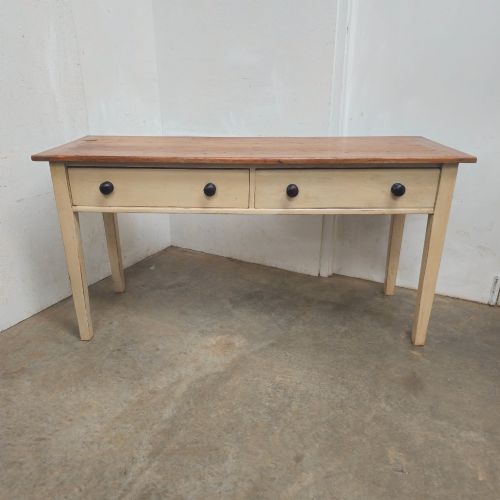
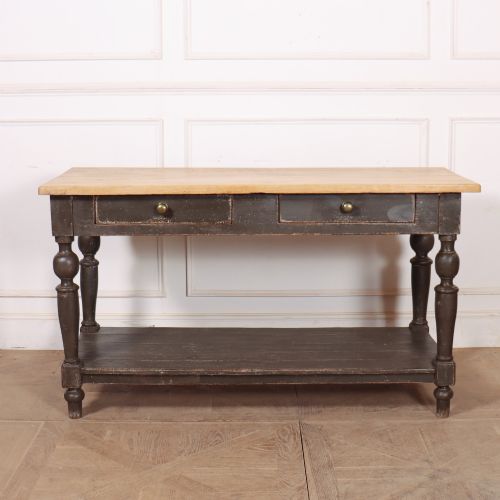
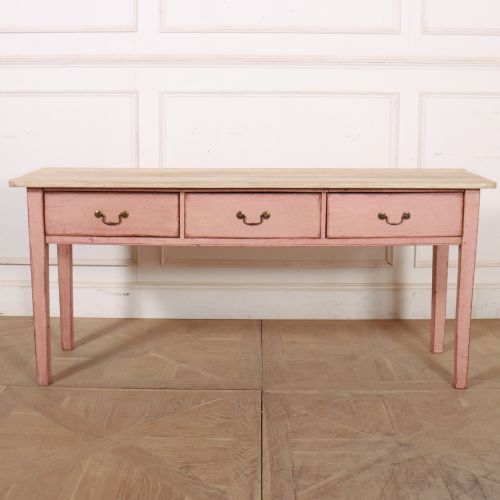
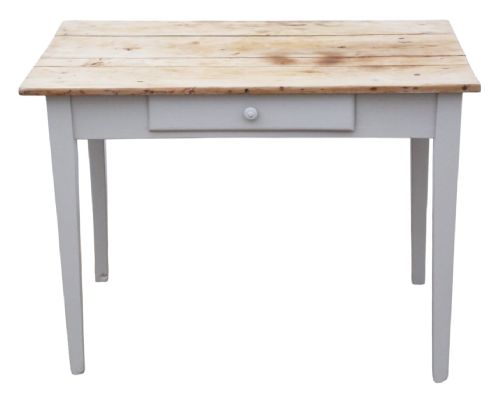
These pine top console table examples combine scrubbed timber surfaces with painted or industrial bases, offering both practical utility and character for hallways and living spaces.
Pine Top Console Table
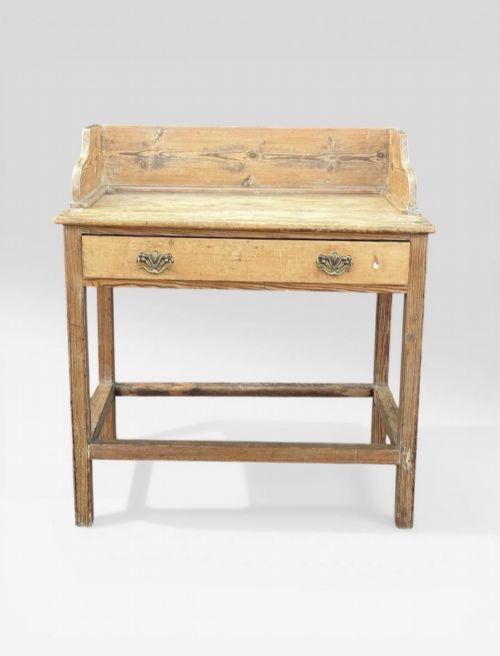
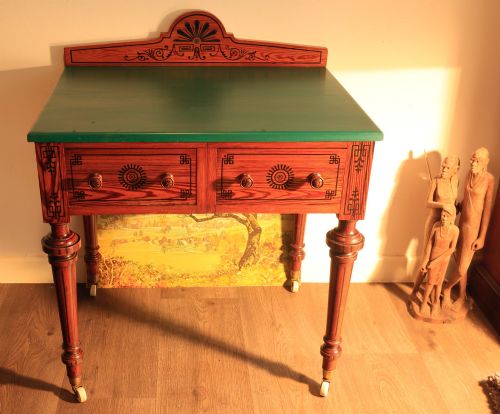
A pine top console table encompasses a range of utilitarian forms adapted for display and storage, including servers, washstands, drapers tables, and hall stands. These pieces predominantly date from the nineteenth century, spanning Victorian, Edwardian, and earlier provincial periods.
The version most commonly met on this page pairs a scrubbed or polished pine timber top with a painted wooden base or an industrial cast-iron structure. Origins vary from English and Scottish regional workshops to French country designs and Welsh servers.
Formations include rectangular side tables, demi-lune hall stands, and trestle structures, reflecting how these items transitioned from working kitchens, dairies, and shops into domestic display furniture.
Materials and construction
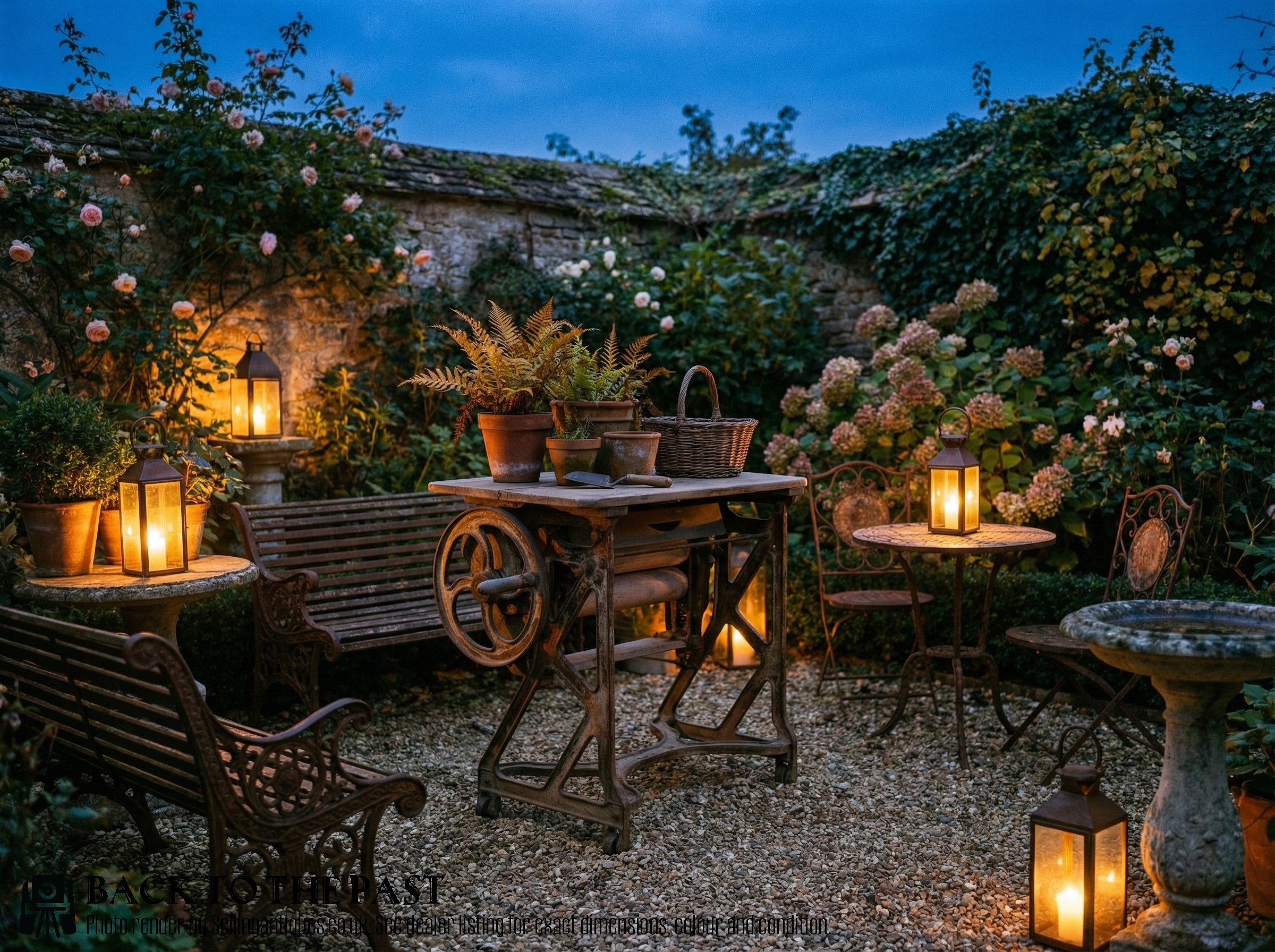
Construction relies heavily on solid pine and pitch pine for the top surfaces, chosen for durability and a clean grain that withstands daily scrubbing. Bases utilise painted timber or heavy metal elements such as cast-iron mangle frames.
Surface treatments combine bare or scrubbed wood with layers of historic paint on the body, while specific pieces incorporate marble slabs or slate alongside the timber.
Listings feature items from the nineteenth century, including Victorian, Edwardian, and specific years such as 1860, 1880, and 1890.
Judging quality and proportion
Quality rests upon the integrity of the timber top and the balance of its proportions against the base, whether a turned wooden leg or an industrial cast-iron frame. Original paint finishes on the body carry greater distinction than later or modern surface coats.
The presence of functional details, such as lift-up lids on demi-lune hall tables or integrated drawer structures on dresser bases, distinguishes standard utilitarian items from more unusual forms.
The Pine Top Console Table Glossary
- Scrub-top
- A wooden table top cleaned repeatedly with water and sand, leaving a pale, textured surface. This finish is characteristic of hardworking kitchen and dairy furniture.
- Pitch pine
- A dense, resinous variety of pine timber known for its prominent grain pattern. It provides a harder and more durable surface than standard softwoods.
- Drapers table
- A long, narrow table originally utilised in cloth merchant shops for displaying fabrics. Their shallow depth makes them well-suited for narrow hallways.
- Demi-lune
- A half-moon shape used for console and hall tables designed to sit flush against a wall. This profile saves floor space in tight entranceways.
- Server
- A low sideboard or table used for holding food or utensils in dining spaces. In regional furniture, these often feature painted timber frames and robust construction.
Pine Top Console Table: Frequently Asked Questions
Where should I place a pine top console table?
These tables suit narrow hallways, entranceways, and living rooms where a shallow footprint is required. Their mix of timber tops and painted bases adds warmth without dominating a room.
Because many examples originate from kitchens, dairies, or shops, they bring a relaxed domestic character that functions well against plain walls or alongside seating.
How do I clean a scrubbed pine top?
Use a dry or slightly damp cloth to remove dust and everyday debris from the wood. Avoid harsh chemical cleaners that strip natural moisture from the timber.
Allowing the grain to breathe preserves the historic texture developed through past use and scrubbing.
What is the difference between pitch pine and standard pine?
Pitch pine contains a higher resin content, which gives the wood a denser weight and a more pronounced, darker grain pattern. It resists wear significantly better than standard softwood varieties.
Tables built with pitch pine often show a rich amber tone and superior durability across heavy-use surfaces.
Are these tables suitable for daily use?
Their original purpose as utility, kitchen, or shop furniture means they were built to handle physical tasks. The sturdy construction makes them reliable for holding lamps, books, and everyday items.
Treating the wooden top with care ensures the historic surface remains intact while serving practical needs.
How can I tell a Victorian piece from an Edwardian one?
Victorian examples often feature heavier proportions, darker painted finishes, and robust turned legs associated with domestic service furniture. Edwardian pieces tend to display lighter framing and simpler lines.
Examining the construction methods underneath and the wear patterns on the painted body helps clarify the period of origin.