
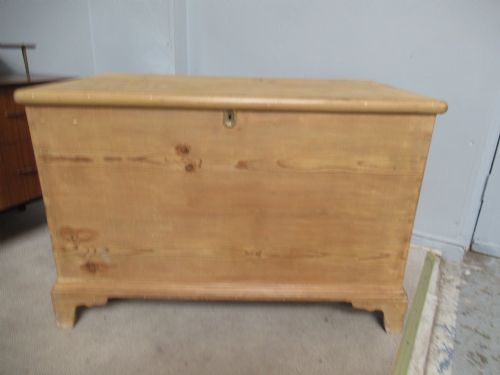
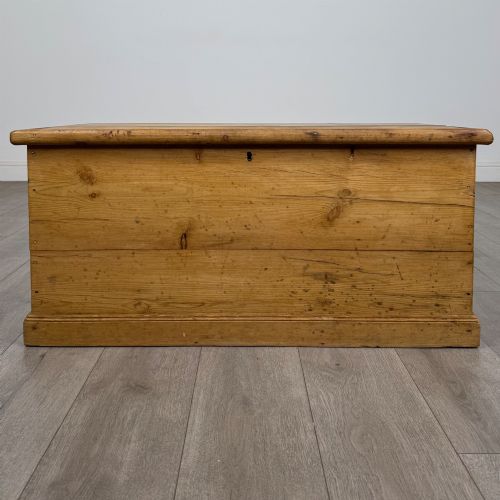
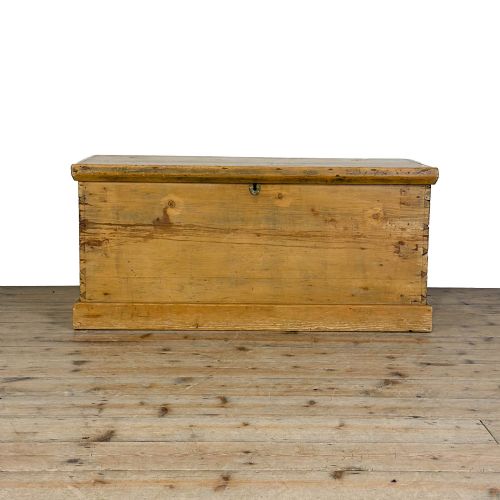
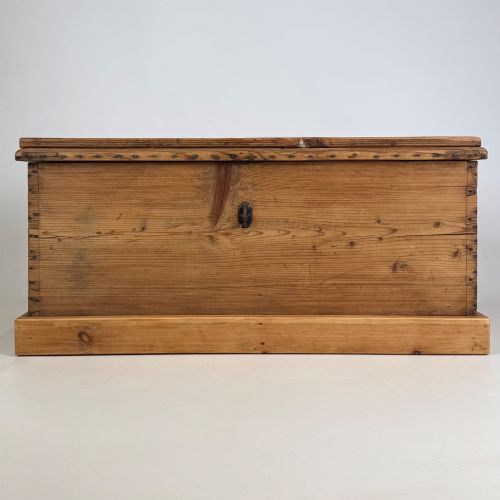
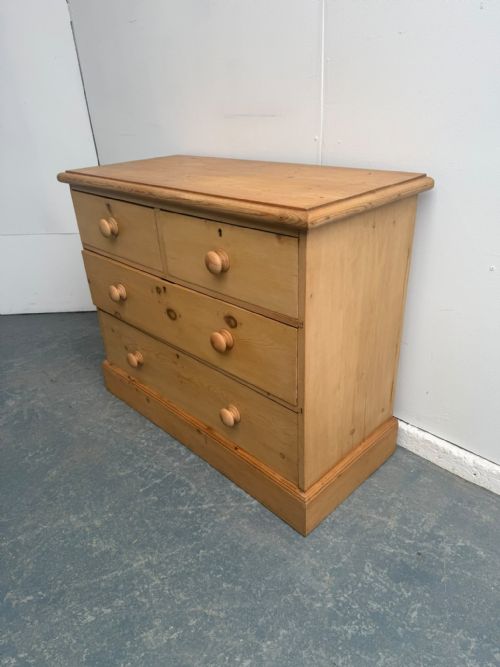
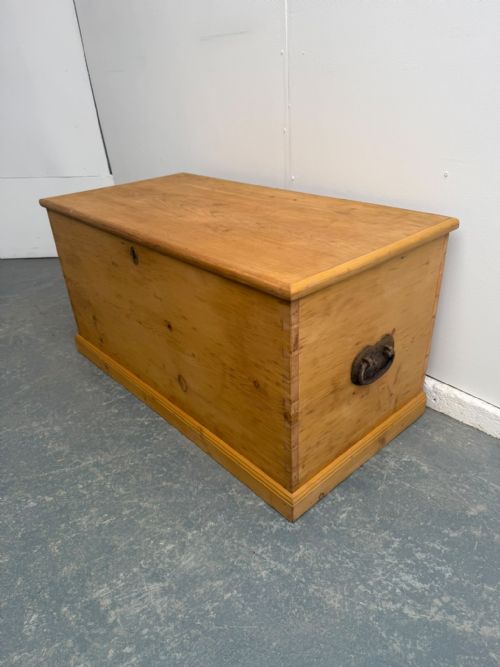
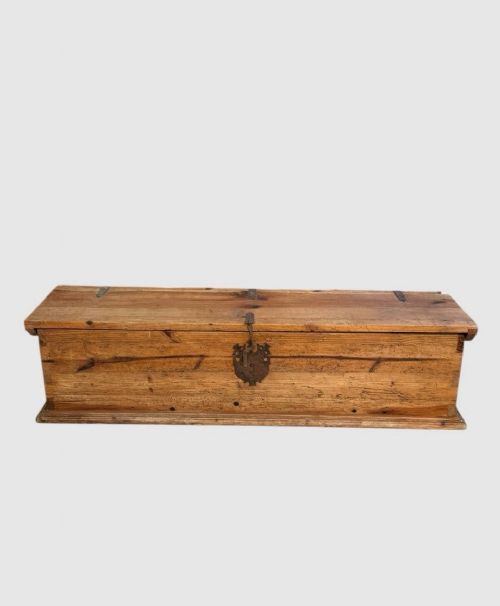

Traditional Pine Coffer
These traditional pine coffer pieces offer honest utility and timeless storage, combining rugged character with enduring practical charm.
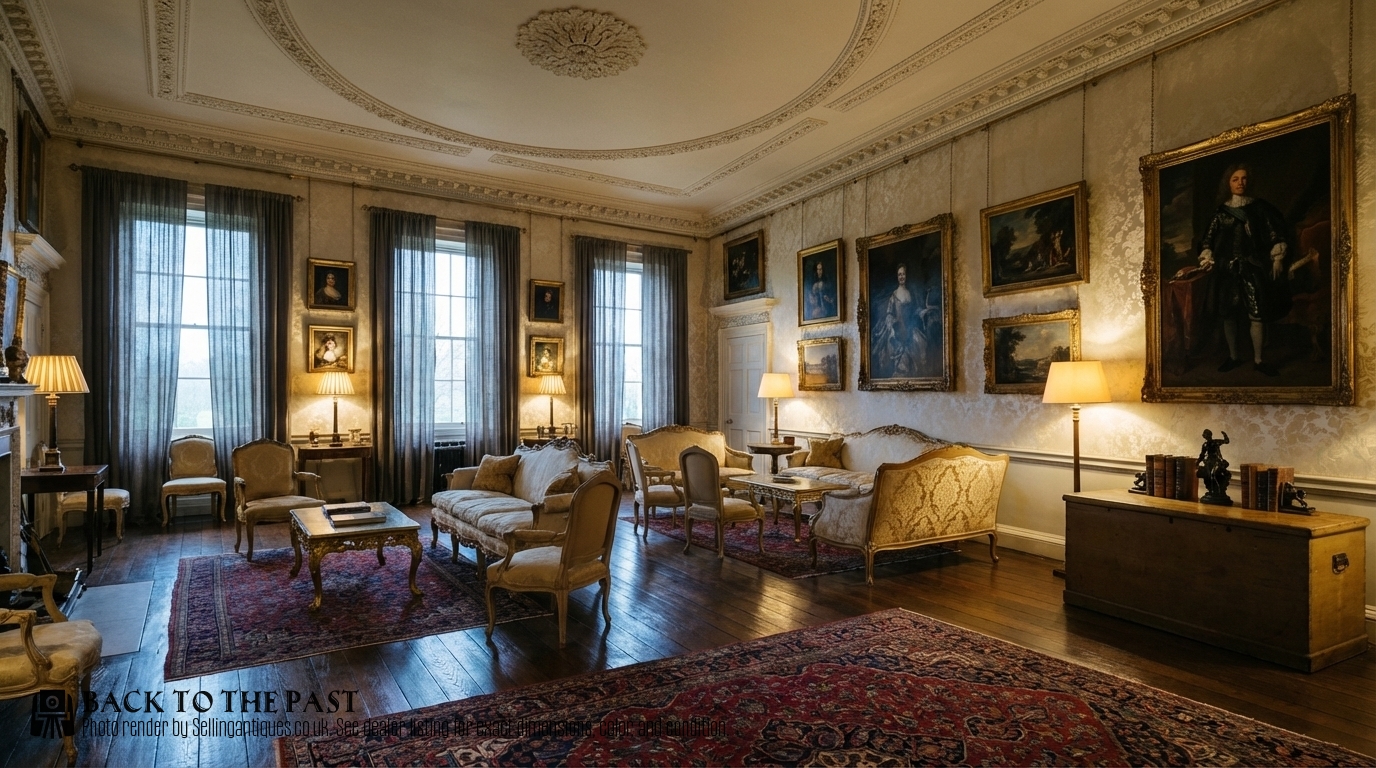
What traditional pine coffer pieces are
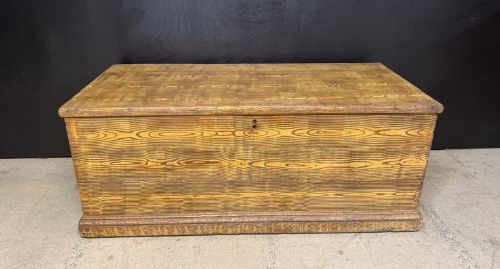
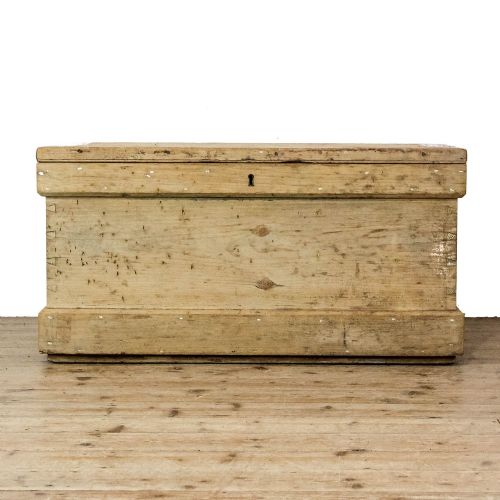
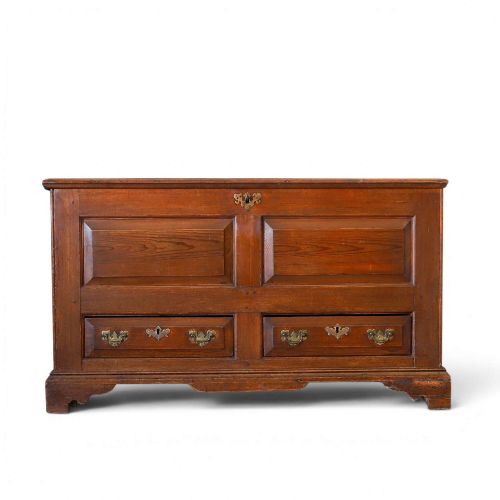
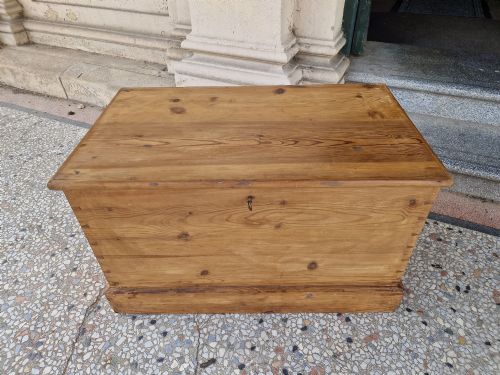
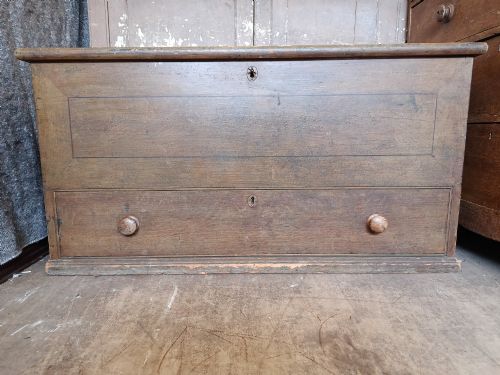
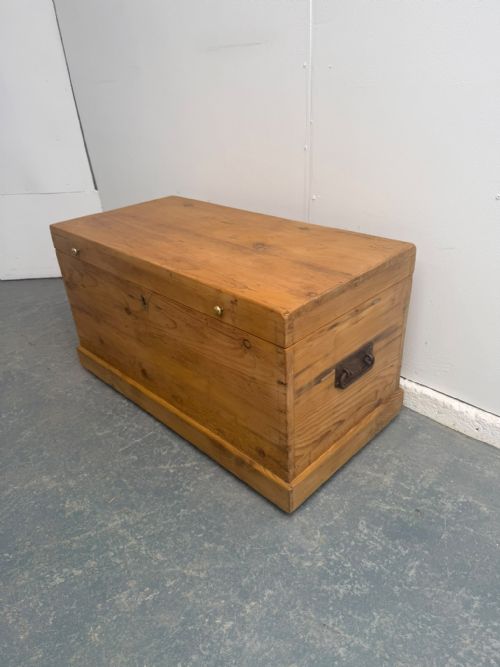
Traditional pine coffer examples serve as robust storage solutions that have evolved through centuries of domestic use. Buyers encounter various interpretations spanning the Victorian era, the nineteenth century, and earlier Georgian and seventeenth-century periods. These items function primarily as blanket boxes, storage chests, and trunks.
Origins vary from British workshops to Scandinavian regions, bringing distinct regional characteristics to the construction. Whether polished, waxed, or painted, every traditional pine coffer provides a tangible link to historical domestic storage traditions.
How they were made
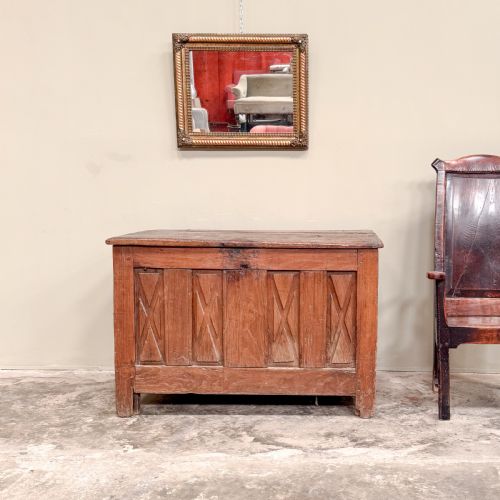
Makers constructed these storage pieces using solid pine timber, selected for its accessibility and workability in rustic country settings. Joinery techniques varied from simple board construction to sophisticated panelled frames designed to accommodate wood movement over time.
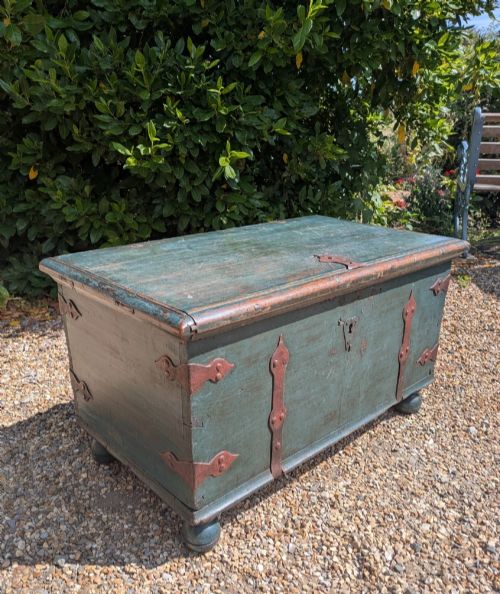
Hardware components such as iron and brass provided essential structural reinforcement and functional operational fittings for heavy lids and corners. Surface treatments included natural waxing, polishing, and painted finishes to protect the softwood timber and enhance its appearance.
Retail Price Guide 2026
Typical UK retail prices for traditional pine coffer, calculated from the Sellingantiques database of over a million retail prices indexed since 2003. This retail price guide relies exclusively on Sellingantiques data; no external sources or auction records are used, so the figures do not describe the wider market.
Materials recorded across the inventory include pine, iron, and brass.
What varies in quality
Quality differences emerge in the selection of timber and the sophistication of the original joinery, distinguishing utilitarian containers from finer cabinetmaker work. Georgian and seventeenth-century examples often display more intricate panel construction compared to later Victorian trunk variants.
The integrity of original metal hardware, including iron and brass hinges, handles, and locks, significantly influences the standing of a piece. Condition of the pine surface, whether through a deep polished patina or surviving historic paint, dictates visual character.
The Traditional Pine Coffer Glossary
- Coft
- A traditional storage chest or box used primarily for valuables and textiles before dedicated wardrobes became common.
- Panel
- A central wooden section fitted within a grooved frame, allowing timber to expand and contract naturally without splitting.
- Pine
- A softwood timber widely utilised in rustic country furniture making due to its abundance and ease of shaping.
- Patina
- The surface sheen and colour acquired by wood and metal through decades of handling, polishing, and ageing.
Frequently Asked Questions
What is a traditional pine coffer used for?
These pieces served historically to store household textiles, blankets, and personal belongings safely away from dust and pests. Today, owners utilise them similarly in living spaces and bedrooms for functional storage.
Their sturdy flat tops also allow them to double as occasional seating or display surfaces within a room.
How old are these pine chests?
The selection spans multiple centuries, with pieces originating from the seventeenth century, the Georgian period around seventeen-fifty, and nineteenth-century Victorian workshops.
Construction details and hardware styles generally help indicate the approximate era in which a piece was made.
Are these trunks made of solid wood?
Yes, traditional examples utilise solid pine planks throughout their main body and lid construction rather than manufactured board substitutes.
Secondary materials like iron and brass appear in the hinges, locks, and corner braces.
How do I care for antique pine?
Maintain waxed and polished surfaces by applying traditional beeswax periodically to nourish the softwood and preserve its finish.
Keep pieces away from direct heat sources and dramatic humidity fluctuations to prevent timber movement.