


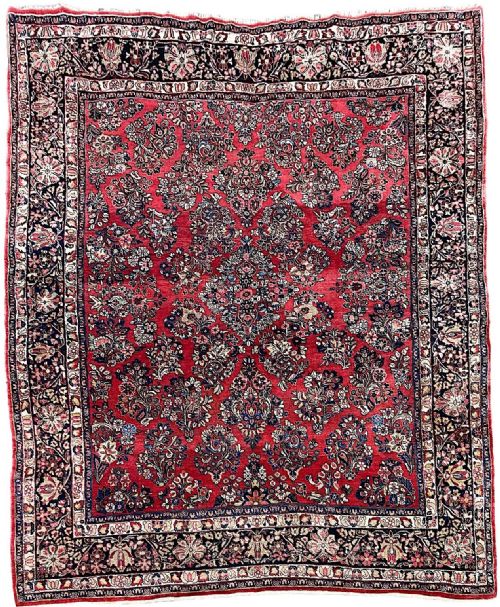


Traditional Persian Room Carpet
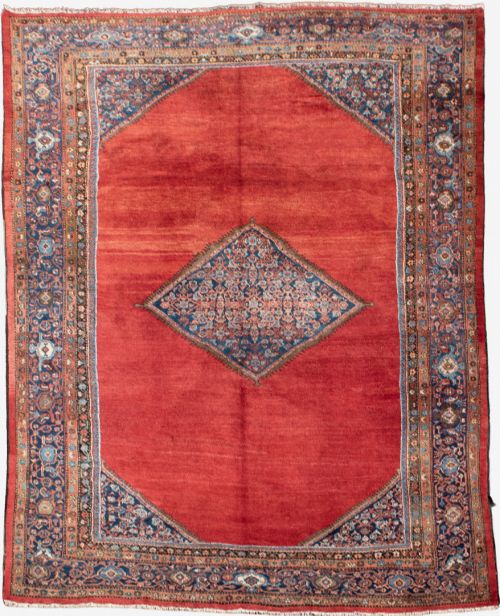
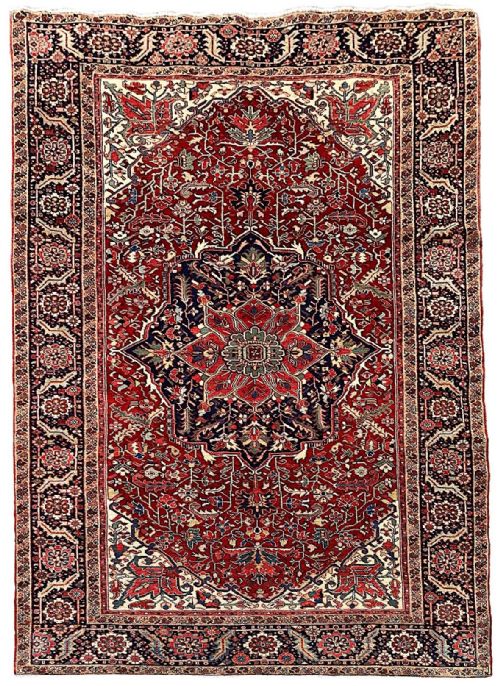
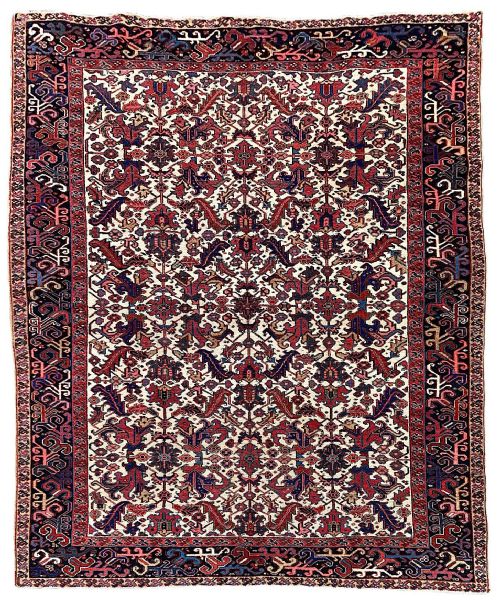
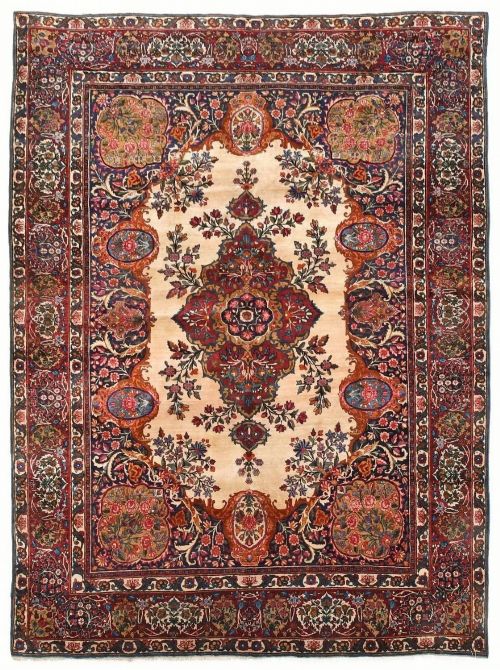
A traditional persian room carpet brings heavy wool texture and intricate regional patterns into large living spaces.
Traditional Persian Room Carpet
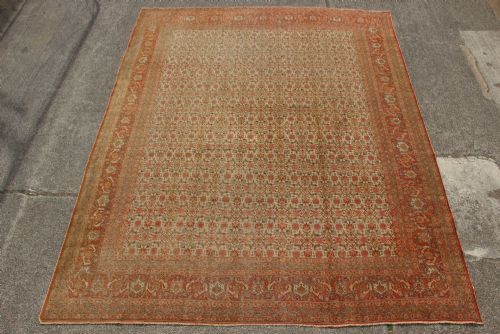
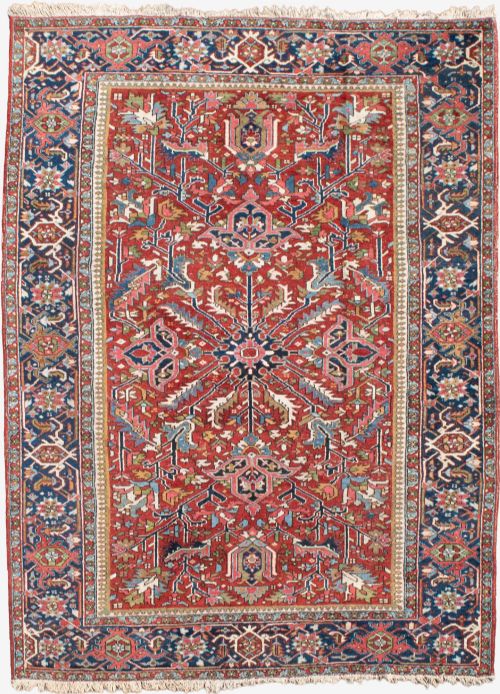
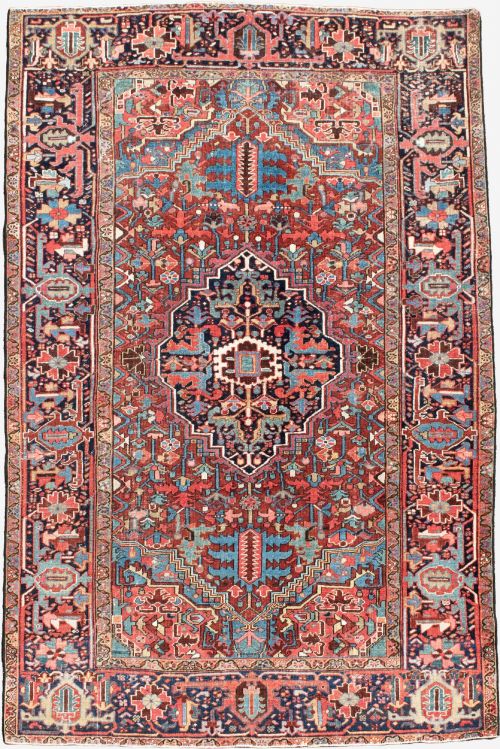
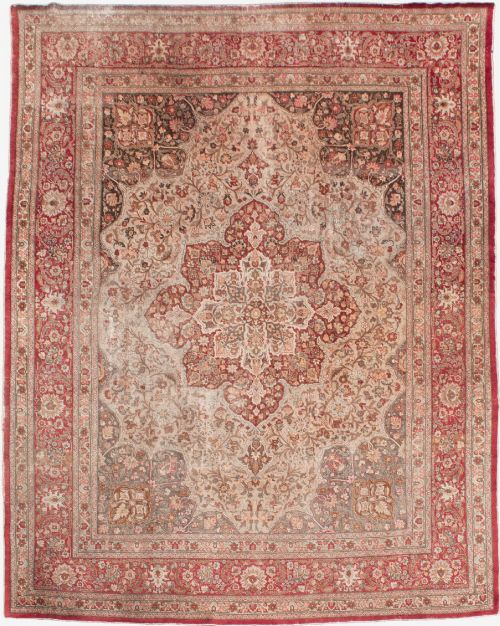
Traditional persian room carpets encompass large-scale floor coverings originating from weaving centres across Persia and neighbouring regions, designed to anchor spacious interiors. When searching for a traditional persian room carpet, buyers encounter substantial room-sized formats dating from the late nineteenth century through to the mid-twentieth century. The selection includes notable regional styles such as Heriz, Tabriz, Kirman, and Sarouk, alongside related rugs from Anatolia and Northern India.
These floor coverings appear in diverse room dimensions, ranging from compact area rugs to massive country house carpets exceeding four metres in length. Most surviving examples utilise heavy wool pile structures suited to domestic wear, whilst select pieces incorporate cotton foundations or partial silk elements. The visual vocabulary spans geometric village designs and curvilinear city patterns executed in rich natural or saturated dyes.
How They Were Made
Weavers constructed these carpets using hand-knotted wool pile secured onto sturdy cotton or wool foundation warps and wefts. The density of the knotting and the preparation of the wool determine the weight and flexibility of the finished textile.
Dyers utilised natural colour sources to achieve deep reds, blues, and earthy tones that mellow gracefully over decades of exposure and use. Loom techniques varied by region, allowing nomadic tribes to produce flat-woven kilims while urban workshops produced finely detailed curvilinear carpets.
Traditional Persian Room Carpet Retail Price Guide 2026
Typical asking prices for traditional persian room carpet among the pieces listed under this phrase on Sellingantiques today, from the lower quarter to the upper quarter. They describe what is for sale here now, not the wider market.
Several carpets show evidence of country house living, where large dimensions kept drafts at bay across stone flagstones.
What Varies in Quality
Knot density and structural integrity separate robust village carpets from finer city workshop productions, affecting how the pile resists heavy foot traffic. Precise execution of intricate medallion designs and botanical motifs indicates superior workshop discipline.
The condition of the wool pile and the uniformity of the foundation yarns dictate the long-term durability of the carpet. Even wear across the surface and well-preserved original selvedges point to careful historical maintenance.
The Traditional Persian Room Carpet Glossary
- Pile
- The vertical wool or silk loops that form the soft surface of the carpet. This layer takes the weight of foot traffic and displays the woven design.
- Warp
- The vertical foundation threads stretched tightly on the loom before knotting begins. Cotton and wool serve as the primary materials for these structural elements.
- Weft
- The horizontal threads passed between rows of knots to bind the structure together. These threads stabilise the carpet width and provide rigidity.
- Medallion
- The large central ornamental motif found in the middle of many regional carpet designs. This geometric or floral shape draws the eye across the composition.
- Kilim
- A flat-woven carpet or rug produced without a raised pile. These textiles rely on tightly packed horizontal weft threads to create sharp geometric patterns.
Traditional Persian Room Carpet: Frequently Asked Questions
How do I clean a traditional persian room carpet?
Gentle surface brushing and professional specialist washing preserve the lanolin in the wool pile without damaging the foundational weave.
Harsh chemical treatments and aggressive scrubbing weaken natural fibres and alter historical dye stability.
Where were these carpets originally woven?
Production centres spanned urban workshops in cities like Tabriz, Kirman, and Kashan, alongside village communities in Heriz, Hamadan, and Malayer.
Nomadic tribes and regional weavers contributed distinct geometric styles that differ significantly from urban floral layouts.
What size is considered room size?
Room size carpets generally measure over three metres in length, providing adequate coverage to anchor large furniture groupings in reception spaces.
Dimensions vary widely depending on whether the piece originated in a grand country house or a smaller provincial workshop.
How do I identify a Heriz carpet?
Heriz carpets typically feature bold geometric central medallions surrounded by sturdy angular floral motifs and robust wool pile.
The use of rich terracotta, navy, and sky blue tones on cotton foundations characterises traditional pieces from this region.