





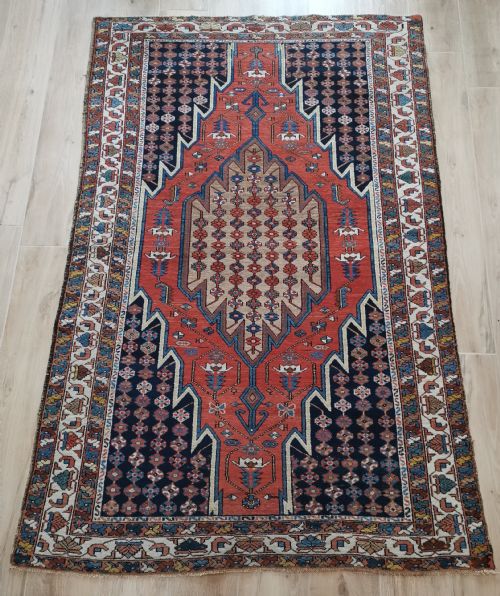
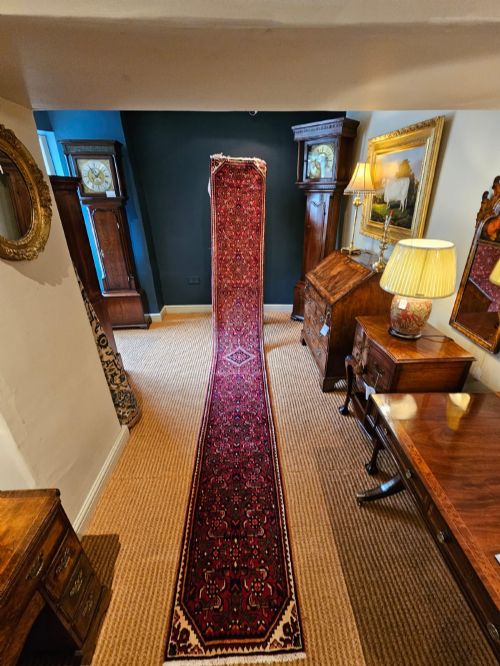
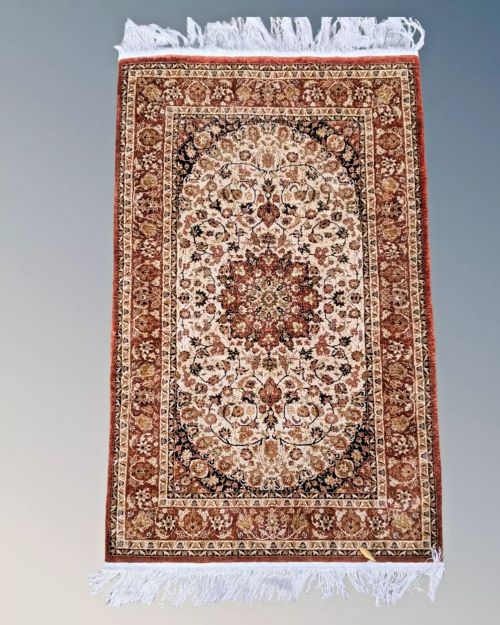
Traditional Persian Floor Runner
A traditional persian floor runner brings grounded warmth and intricate pattern to narrow spaces.
Traditional Persian Floor Runner
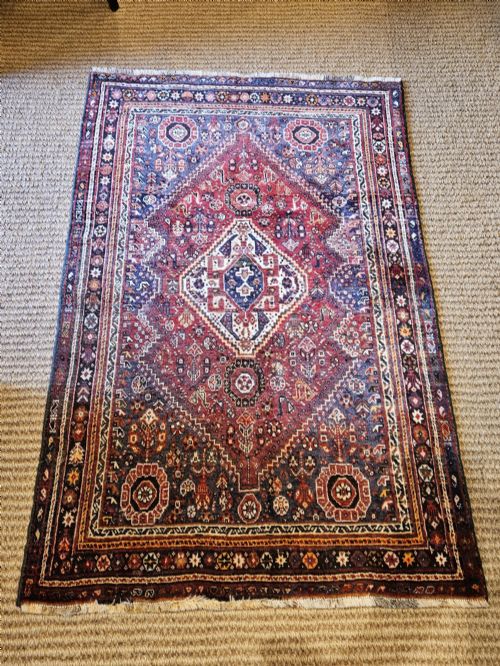
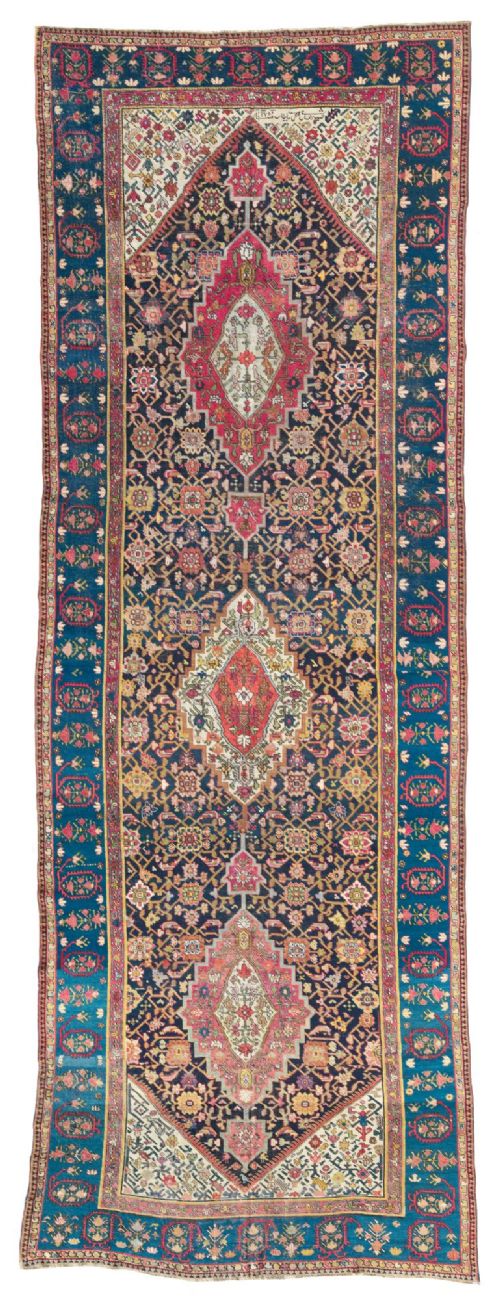
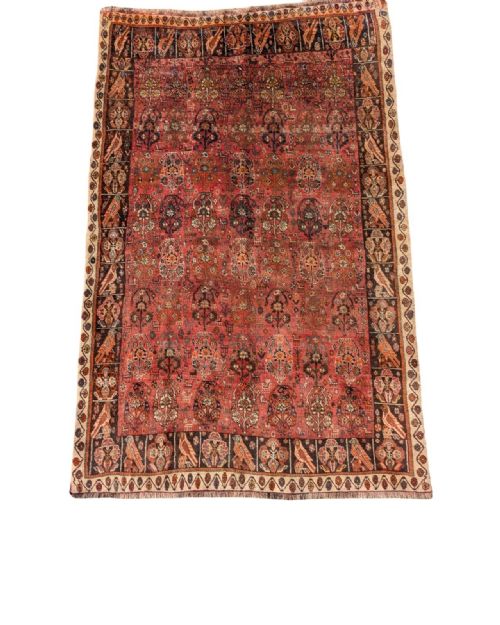
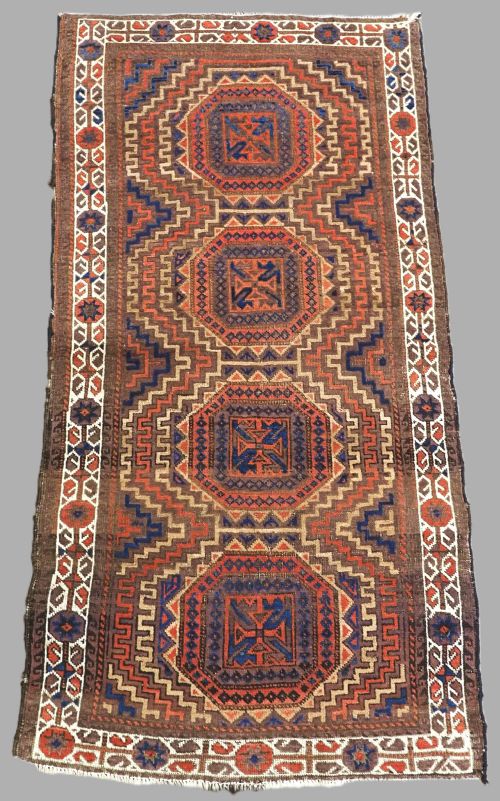
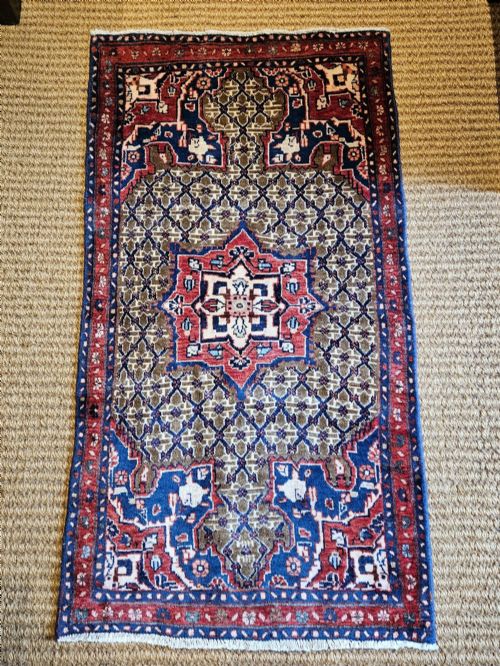
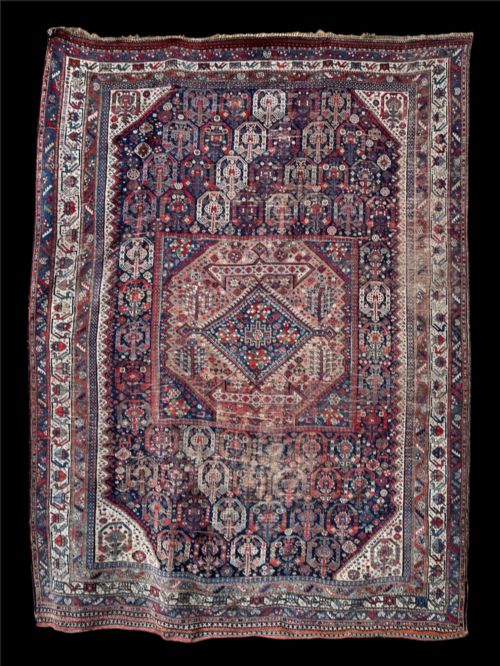
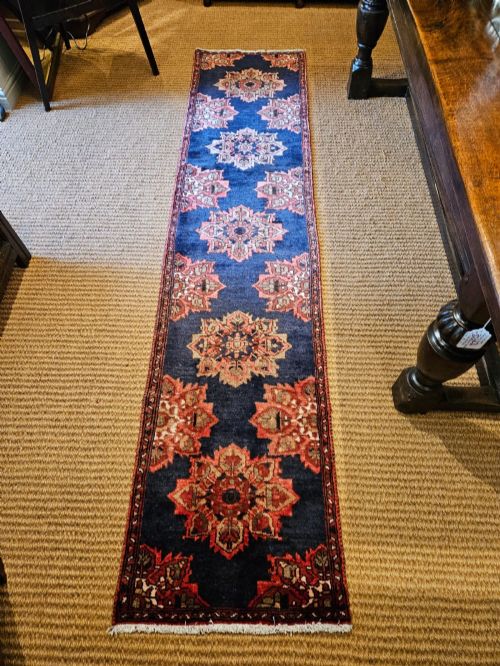
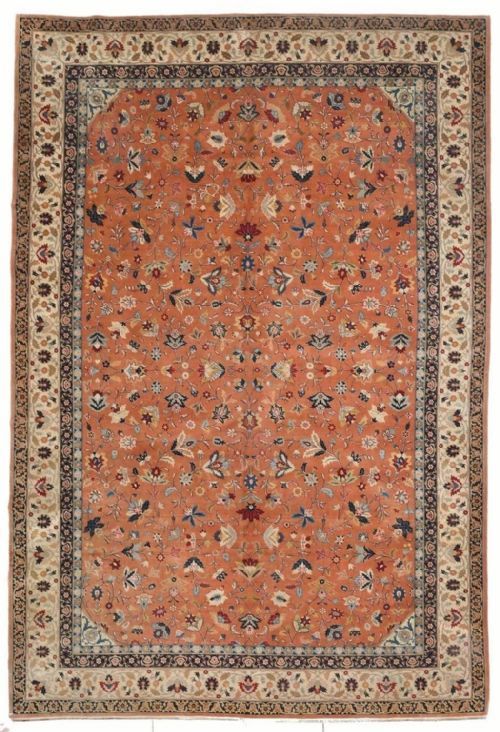
A traditional persian floor runner is a long, narrow textile designed for hallways, corridors, and passageways. The selections on this page span the nineteenth century and the early decades of the twentieth century, originating from village workshops and nomadic tribal confederacies across the region.
Buyers will encounter various formats including hallway runners, long carpet formats, and narrow tribal weaves. These pieces utilise wool, hand-spun wool, and cotton foundations, occasionally incorporating silk details in finer regional outputs.
The aesthetic vocabulary encompasses geometric tribal motifs, central medallions, floral vase designs, and all-over repeat patterns. Styles range from Caucasian and Kurdish to specific regional weaves like Hamadan, Heriz, and Kashan.
How they were made
Weavers constructed these long carpets by hand-knotting wool and cotton yarns onto sturdy cotton or wool warp and weft foundations. The density of the knotting determines the crispness of the geometric and floral designs.
Natural dyes provide the foundational palette, yielding deep indigos, rust reds, and warm earthy tones that mature with age. Hand-spun wool contributes a varied texture and absorbs natural colour unevenly, creating subtle abrash shading across the field.
Listings feature pieces spanning from the mid-nineteenth century through the 1930s, using wool, cotton, and natural dyes.
What varies in quality
Quality rests primarily in the tightness of the weave and the reliability of the foundation materials. Denser knot counts allow intricate medallion and lattice designs to retain sharp definition over decades of foot traffic.
The choice of dyes dictates visual depth, with natural colour sources offering complex patination that chemical alternatives lack. Hand-spun wool provides resilience and a tactile richness that machine-carded or modern synthetic yarns cannot replicate.
The Traditional Persian Floor Runner Glossary
- Warp
- The vertical foundation threads stretched lengthwise on the loom before weaving begins.
- Weft
- The horizontal threads passed across the warp strands to lock the knots firmly in place.
- Abrash
- A natural variation in colour shading caused by changes in dye batches or hand-spun wool lots.
- Gul
- A repeating octagonal medallion motif frequently found in tribal and nomadic weavings.
- Kelleh
- A large, elongated rectangular carpet format traditionally used in Persian domestic interiors.
Traditional Persian Floor Runner: Frequently Asked Questions
Where should I place a runner?
These narrow textiles suit hallways, corridors, and long entryways where floor warmth and visual direction are needed.
They also function well in narrow kitchens, galleries, and alongside large beds.
How do I care for antique wool?
Regular gentle vacuuming without a rotating brush roll prevents dust accumulation in the wool pile.
Professional specialist cleaning is recommended every few years to preserve the natural lanolin.
Are natural dyes easy to spot?
Natural dyes present subtle tonal shifts and soft maturity across the field of the rug.
Colours interact harmoniously and develop a rich patina that deepens gracefully over decades of use.
How do I identify tribal origins?
Tribal pieces usually display geometric motifs, memory-woven patterns, and asymmetrical field arrangements.
Specific nomadic confederacies often employ distinct colour palettes and characteristic structural wool qualities.