

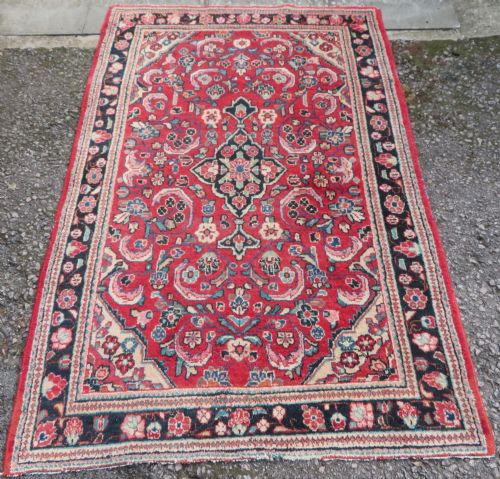
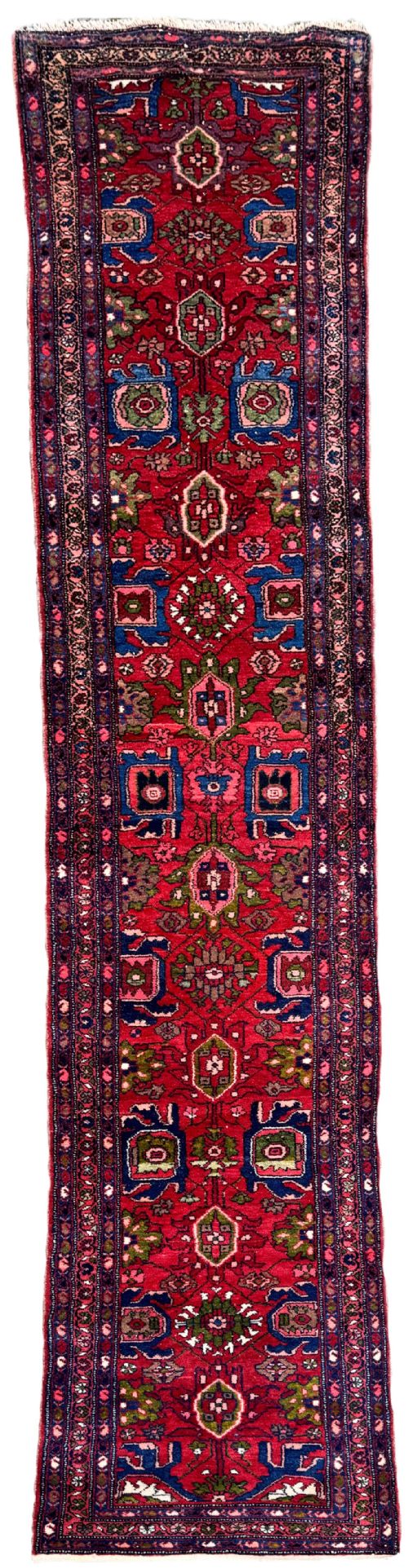
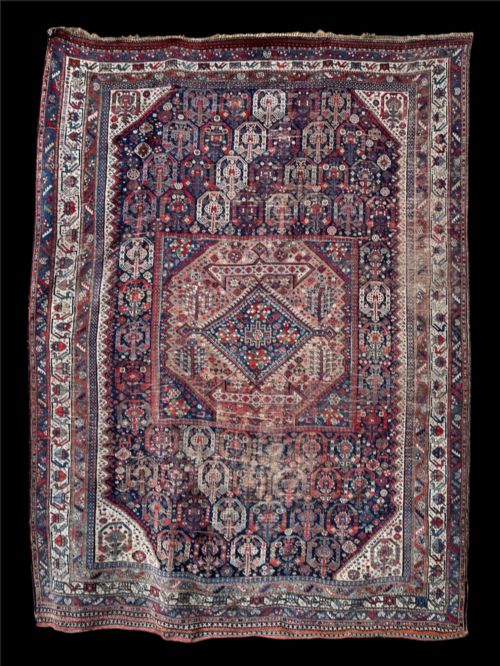
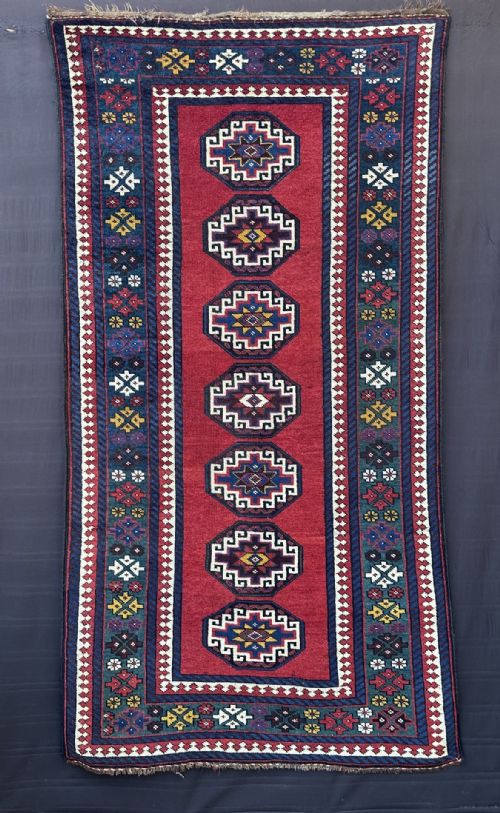


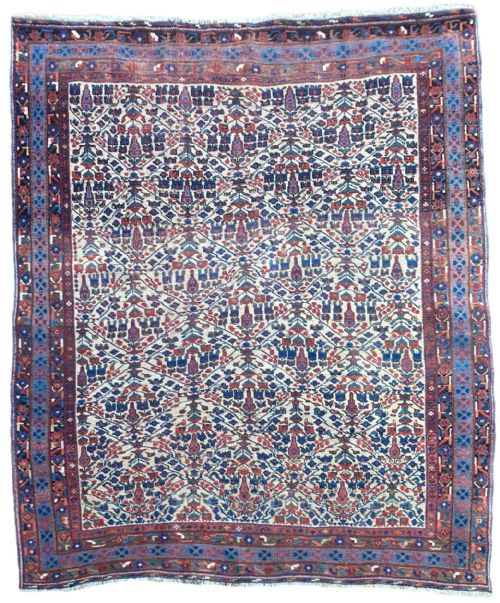


Traditional Persia Carpet Runner
A traditional persia carpet runner brings authentic warmth and handcrafted heritage to a hallway through centuries-old weaving traditions.
Traditional Persia Carpet Runner
A traditional persia carpet runner represents long and narrow floor coverings originating from various weaving centres and tribal regions across Persia. These pieces serve to line corridors, hallways, and narrow spaces with intricate designs developed over generations.
Buyers will encounter specific regional types on this page, including Hamadan runners, Heriz runners, and various tribal hallway carpets. These textiles span periods from the nineteenth century through the early twentieth century.
The format combines practical utility for long spaces with distinct artistic expression specific to individual villages, towns, and nomadic confederacies. Each runner displays patterns that reflect the cultural identity of the makers.
Materials and construction methods
The construction of these traditional Persian floor coverings relies fundamentally on natural materials, utilising wool for the pile and cotton for the structural foundation warps and wefts. Wool provides resilience and a soft texture underfoot, while cotton gives the foundation stability and precise geometry.
Weavers knotted the wool yarn by hand onto the vertical warps, securing each row with horizontal weft threads and beating them down firmly with specialised combs. This labour-intensive method creates a dense, durable textile designed to withstand heavy foot traffic in busy hallways.
Several antique runners bear subtle weaver errors in the borders, charming proof of human hands at work on the loom.
Determinants of quality
Knot density and fineness of execution dictate the crispness of the geometric and floral motifs, separating simpler village productions from finer city workshop carpets. Tighter knotting allows for more intricate curveilinear details and greater structural longevity over decades of use.
The source and preparation of the dyeing materials influence the visual depth of the wool, with rich saturated palettes contributing significantly to the aesthetic presence of the runner. Consistency in the hand-spinning of the wool yarns also affects the overall tactile character of the pile.
Waring and Gillow
The Traditional Persia Carpet Runner Glossary
- Runner
- A long, narrow carpet format specifically proportioned for corridors, hallways, and staircases. This shape directs movement through a space while displaying repeating central motifs.
- Medallion
- A symmetrical central ornament placed in the field of the carpet. This focal design element often mirrors corner spandrels in traditional Persian weaving.
- Warp
- The stationary vertical threads stretched onto the loom before weaving begins. The fringe of the finished carpet consists of these extended warp threads.
- Weft
- The horizontal threads passed alternately over and under the warp threads between rows of knots. This structural element binds the pile securely into place.
- Pile
- The upright cut or looped wool surface of the carpet that forms the tactile layer. The quality of the wool directly affects how this surface ages.
Traditional Persia Carpet Runner: Frequently Asked Questions
Where should I place a runner?
These long carpets suit narrow passageways, corridors, and entrance halls where foot traffic is frequent.
Their elongated proportions help to anchor the space and protect wooden or tiled hallway flooring.
How do I clean an antique runner?
Regular gentle vacuuming without the beater bar active removes surface dust and keeps the wool fibres clear.
Professional specialist cleaning is recommended for deep washing to preserve the natural dyed wool.
Are these runners durable for daily use?
Hand-knotted wool construction on a cotton foundation provides natural resilience against heavy daily wear.
Using a suitable underlay prevents slipping and cushions the textile against hard subfloors.
How do I identify regional rug styles?
Regional styles appear through distinct colour palettes, specific medallion structures, and characteristic border motifs.
Village pieces often display bolder geometric patterns, while city workshops favour refined floral compositions.