



Traditional Oushak Rug
A traditional oushak rug brings generous proportion and muted palette to a room, offering genuine woven warmth from Western Turkey.
Traditional Oushak Rug
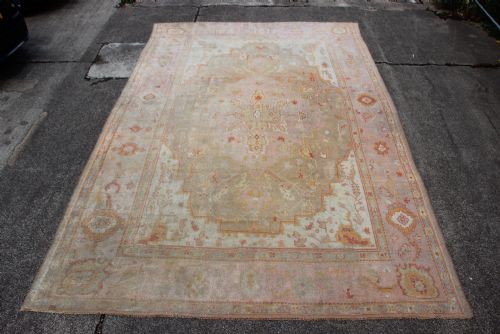
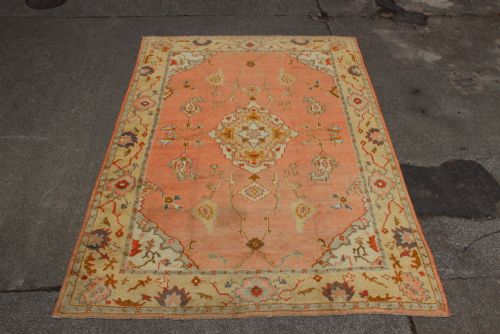
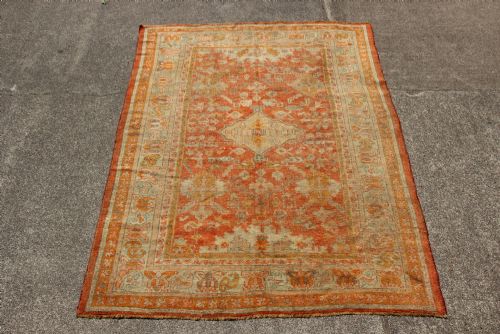
A traditional oushak rug is a hand-knotted floor covering originating from Western Turkey, known for its expansive scale and softer coloration than other regional carpets. These pieces span from the late nineteenth century into the early twentieth century, carrying Ottoman and Anatolian stylistic influences.
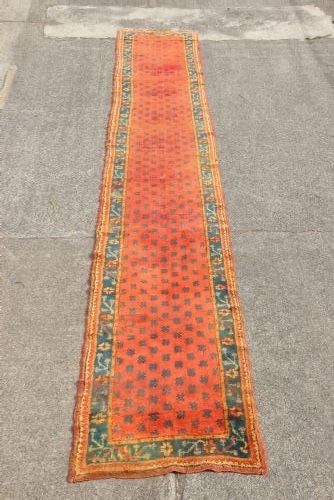
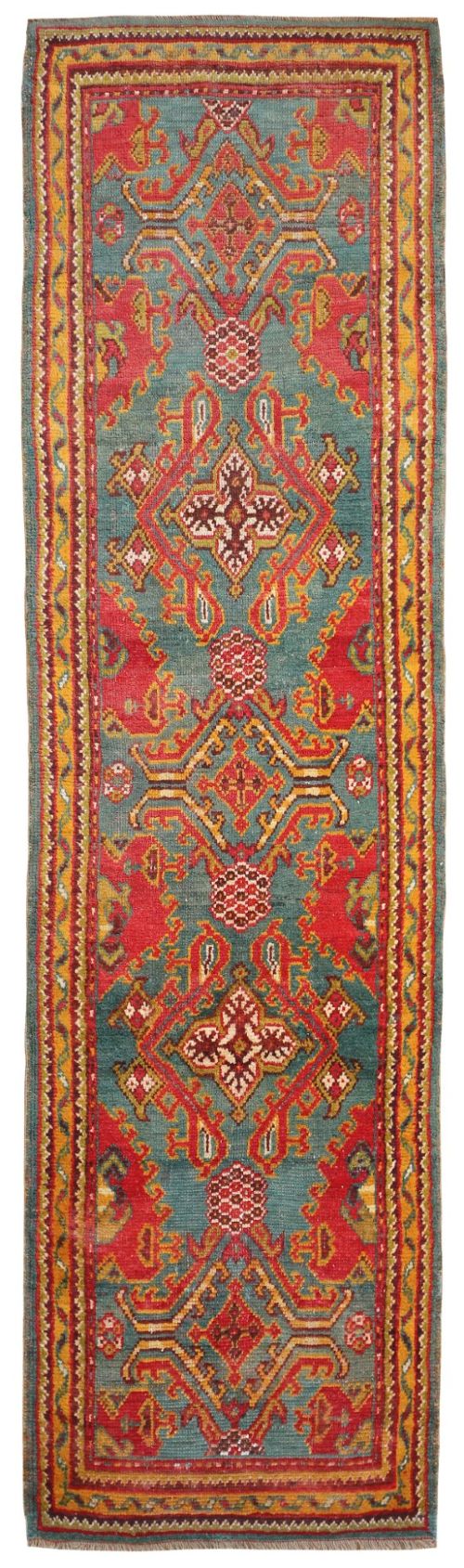
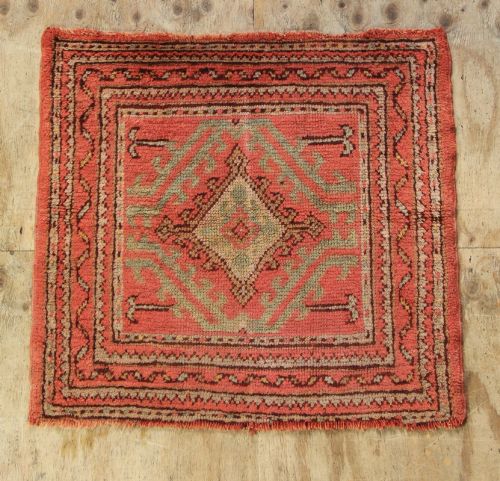
The inventory on this page primarily comprises large carpets alongside long runner formats and smaller mats. Buyers frequently encounter pale grounds, beige tones, and faded hues that suit contemporary interiors while maintaining antique character.
What varies in quality
Quality rests in the fineness of the knotting and the balance of the composition across the field. Superior examples display thoughtful spacing in the willow tree or geometric motifs rather than crowded drawing.
The integrity of the wool foundation and the subtlety of the colour fading distinguish exceptional pieces from standard production. Original side cordings and unaltered dimensions also elevate the standing of a carpet.
Listings feature pieces spanning several decades from 1870 to 1920, incorporating both cotton and angora wool materials.
The Traditional Oushak Rug Glossary
- Oushak
- A traditional town and district in Western Turkey famous for carpet production. These rugs are distinguished by larger floral patterns and softer wool.
- Ghiordes
- A knotted pile technique utilising symmetrical knots, frequently associated with Anatolian and Turkish carpet traditions. It provides a dense and durable structure.
- Kilim
- A flat-woven carpet lacking pile, produced by tightly interweaving warp and weft strands. This technique creates a lighter, reversible textile.
- Angora wool
- A soft fibre derived from angora goats, utilised in select pile weaves for a silkier handle. It adds a subtle lustre to the surface.
- Runner
- A long, narrow carpet format designed for corridors and staircases. These pieces maintain proportional width while extending in length.
Traditional Oushak Rug: Frequently Asked Questions
How do I clean a traditional oushak rug?
Professional gentle washing is essential to preserve the delicate wool pile and aged dyes. Avoid harsh chemical treatments and excessive water.
Regular light vacuuming without a beater bar removes surface dust safely. Protect the antique fibres from direct, prolonged sunlight to prevent further fading.
Where should I place a long runner?
These narrow formats suit hallways, entryways, and long corridors where floor warmth is needed. They also anchor galley kitchens or narrow bedroom walkways effectively.
Ensure a quality underlay is used beneath to prevent slipping and cushion the historical foundation.
How do I identify a Ghiordes oushak?
Examination of the knot structure on the reverse reveals the specific technique used by the weaver. These pieces often feature distinct regional Anatolian motifs.
Consulting the listed period and stylistic markers helps verify the weaving lineage.
Are these carpets suitable for heavy foot traffic?
The sturdy wool pile withstands normal household movement when placed in appropriate rooms. Placing a proper rug pad underneath absorbs impact and extends the lifespan.
Very delicate or heavily worn pieces benefit from placement in low-traffic areas like guest bedrooms.