

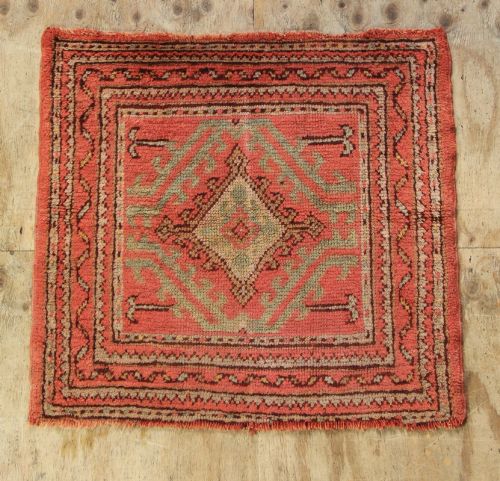


Coral Wool Carpet
These coral wool carpet pieces bring genuine historic warmth and rich patterning to a room, offering enduring floor coverings shaped by traditional hand-knotting skills.
Coral Wool Carpet
Most examples you meet on this page span the late nineteenth century through to the early twentieth century. These textiles include Ushak, Melas, Malayer, Serapi, Hamadan, Kayseri, and Sharkoy styles, reflecting diverse regional traditions.
The dominant forms are rugs and carpets designed for functional use as well as decorative impact. Buyers encounter both room-sized centerpieces and specific runner formats intended for hallways.
How they were made
These carpets and rugs are constructed using wool pile on cotton foundations, utilising hand-knotting techniques handed down through generations. The natural wool provides resilience while the cotton warp and weft offer structural stability.
Weavers employed traditional dye methods to achieve rich tones across the pile. The materials combine to create durable textiles designed to withstand decades of foot traffic.
The listings here draw from periods spanning the 1880s through the 1930s, utilising wool and cotton across Anatolian and Persian styles.
What varies in quality
The distinction between standard examples and finer pieces lies in the density of the knotting and the precision of the design execution. Tighter knots allow for sharper pattern definition and greater longevity under daily use.
Quality also rests on the depth and condition of the wool pile remaining across the surface. Superior examples retain substantial pile height and balanced proportions that anchor a interior space effectively.
Maples
The Coral Wool Carpet Glossary
- Pile
- The upright loops or cut strands of yarn that form the usable surface of a carpet. This layer bears the direct wear of foot traffic and displays the woven design.
- Warp
- The vertical foundation threads stretched lengthwise on a loom before weaving begins. These parallel strands carry the tension and secure the fringe.
- Weft
- The horizontal threads passed across the warp strands to lock the knots in place. Together with the warp, it forms the stable backing of the textile.
- Runner
- A long, narrow carpet format specifically proportioned for corridors, hallways, and stairs. These pieces guide movement through domestic interiors.
- Kilim
- A flat-woven carpet or rug produced without a raised pile. These lighter textiles rely entirely on the interlocking of warp and weft threads to form geometric patterns.
Coral Wool Carpet: Frequently Asked Questions
What is a coral wool carpet?
A coral wool carpet is an antique or semi-antique floor covering made from wool, often featuring warm coral or reddish tones derived from traditional dyeing methods.
These textiles originate mainly from historic weaving centres in Turkey and Persia, spanning the late nineteenth and early twentieth centuries.
How do I care for my rug?
Protect your antique carpet by placing it in areas with moderate foot traffic and using an appropriate underlay to prevent sliding.
Vacuum gently using a suction-only attachment without the rotating brush bar to preserve the wool pile over time.
Are these rugs durable?
The combination of sturdy wool pile and strong cotton foundations makes these traditional floor coverings exceptionally resilient. Hand-knotted construction allows them to endure generations of domestic use when maintained properly.
Regular rotation ensures even wear patterns across the surface in busier rooms.
How do I identify the age?
Dating relies on stylistic characteristics, regional knotting structures, and the specific types of natural dyes visible in the wool. Comparing the design motifs to documented examples from periods like the late nineteenth century provides reliable chronological markers.
Examining the wear on the foundation threads also reveals the passage of time.