






Soft Terracotta Rug
A soft terracotta rug brings faded warmth to a room through genuine age and quiet, muted tones.
Soft Terracotta Rug
When you search for a soft terracotta rug, you are looking at antique carpets, kilims and village rugs woven across Anatolia, the Caucasus and Persia. These pieces date from the late nineteenth century into the early twentieth century, spanning periods from eighteen eighty to nineteen twenty.
The version you are most likely to meet on this page is an antique Ushak carpet or a tribal Kilim, often described by makers and dealers as having faded or pastel palettes. They arrive in various formats, ranging from small dowry rugs and long runners to substantial room-sized carpets.
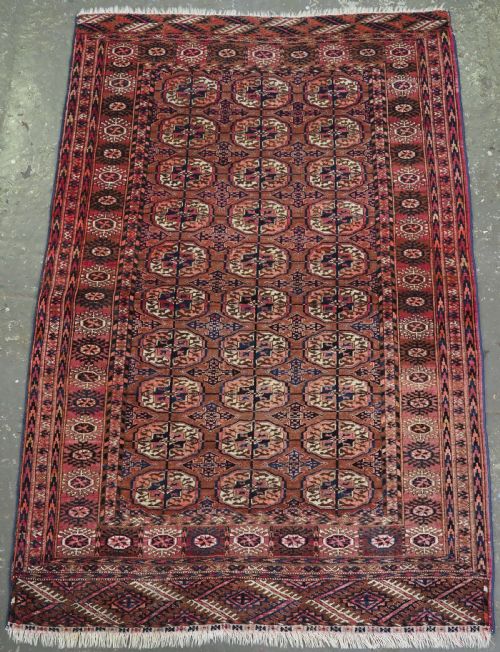
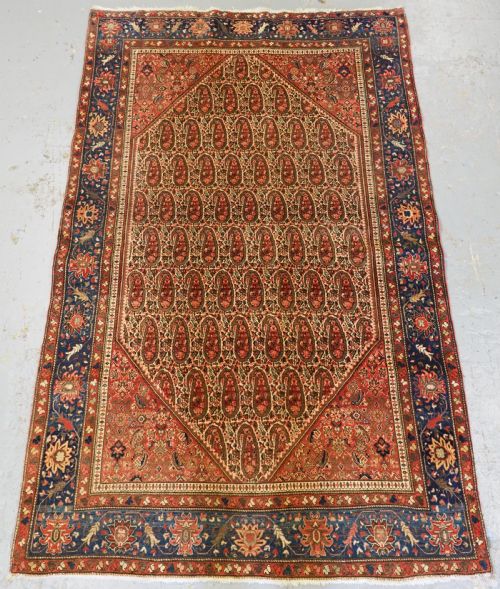
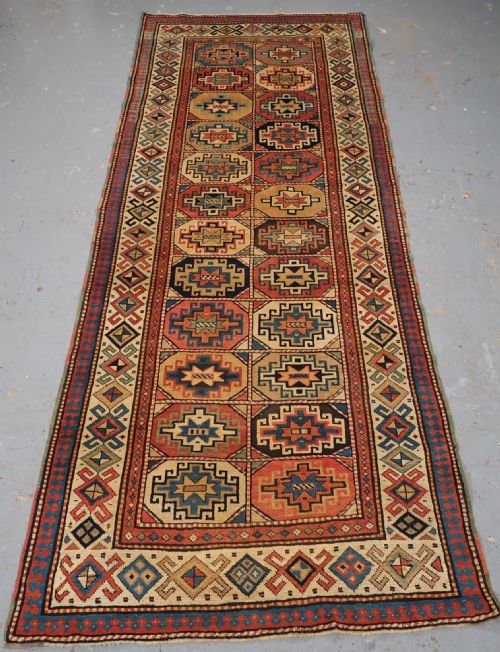
The designs draw on traditional regional motifs, including banded patterns, triple medallions and boteh layouts. Their character comes from decades of natural wear, which softens the initial intensity of the dyes into gentle terracotta and cream tones.
How they were made
These textiles are constructed primarily from wool, occasionally incorporating finer Angora wool or cotton foundations. Weavers knotted or flat-wove these natural fibres by hand on vertical or horizontal looms, building dense piles or crisp geometric surfaces.
The distinctive terracotta and pastel hues are achieved through traditional dyeing methods using natural colourants, sometimes highlighted with cochineal. Over time, exposure and gentle fading create the characteristic abrash where dye lots shift subtly across the field.
Some nineteenth-century nomads packed these small rugs onto camels, meaning your floor covering has likely travelled further than you have.
What varies in quality
Quality in these floor coverings rests upon the fineness of the weave and the integrity of the wool. Pieces utilising soft Angora wool or tight knotting display a superior tactile handle and greater resilience under foot.
Another factor is the balance and preservation of the palette. The finest examples maintain harmonious, faded tones without disruptive chemical colour run, allowing the terracotta and cream grounds to complement the underlying tribal or classical design.
Benlian
The Soft Terracotta Rug Glossary
- Abrash
- A natural variation of colour within the same dye shade caused by different batches of yarn or dye lots. This tonal shift creates subtle horizontal bands across the rug.
- Boteh
- A stylised almond or pear-shaped motif of Persian origin representing a floral spray or cypress tree. It appears frequently in traditional weaving.
- Kilim
- A flat-woven carpet or rug produced without a pile by tightly interweaving the warp and weft strands. They are typically lighter and reversible.
- Medallion
- A central ornamental design motif placed in the middle of the carpet field. It often anchors the geometric or floral composition of the piece.
- Warp
- The stationary vertical threads stretched tightly on the loom that form the structural skeleton of the rug. The pile or flat weave is tied around them.
Soft Terracotta Rug: Frequently Asked Questions
How do I care for an antique rug?
Protect the wool pile by placing a suitable underlay beneath the carpet to prevent slipping and excessive friction. Vacuum gently with the suction attachment rather than a rotating brush.
Keep the textile out of direct, harsh sunlight to preserve the soft terracotta and pastel colours. Professional cleaning tailored for antique wool is recommended when necessary.
What is an Angora Ushak?
An Angora Ushak is a specific type of nineteenth-century carpet woven in the Ushak region using exceptionally soft Angora wool. These pieces are prized for their lustrous handle.
The fleece gives the carpets a distinctively pliable texture that complements the faded pastel palettes often found in this group.
How do I date an older rug?
Dating relies on assessing the materials, structure, dye palette and design motifs. Natural dyes and hand-spun wools typically point to production before the introduction of synthetic aniline colours.
Comparative analysis with documented pieces from periods like nineteen hundred or eighteen eighty helps narrow the decade of origin.