


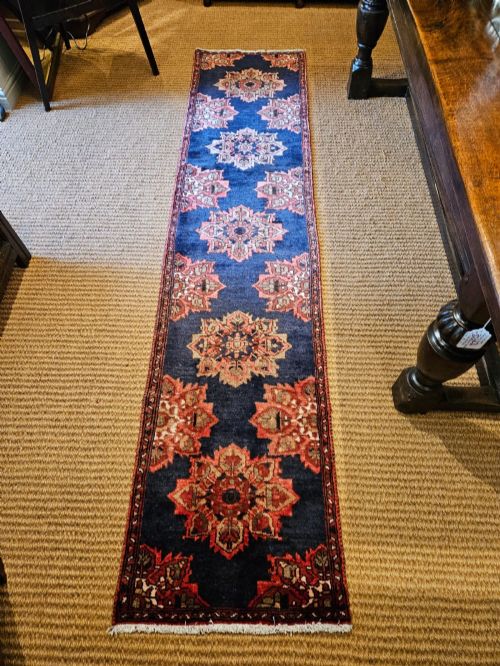
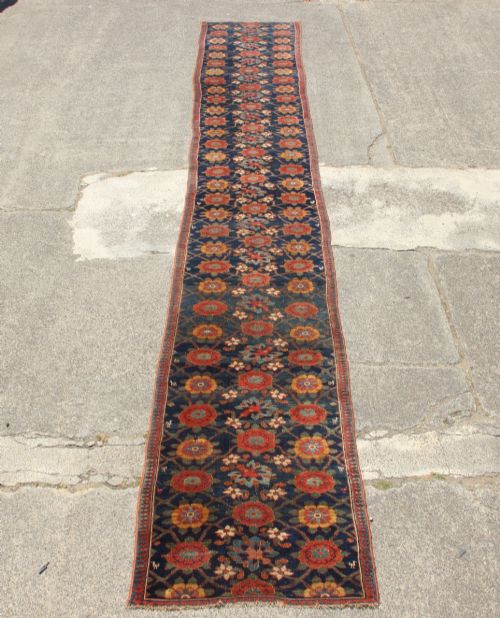
Traditional Oriental Corridor Rug
A traditional oriental corridor rug brings warmth and rhythm to long hallways, offering durable wool construction and rich historic patterns.
Traditional Oriental Corridor Rug
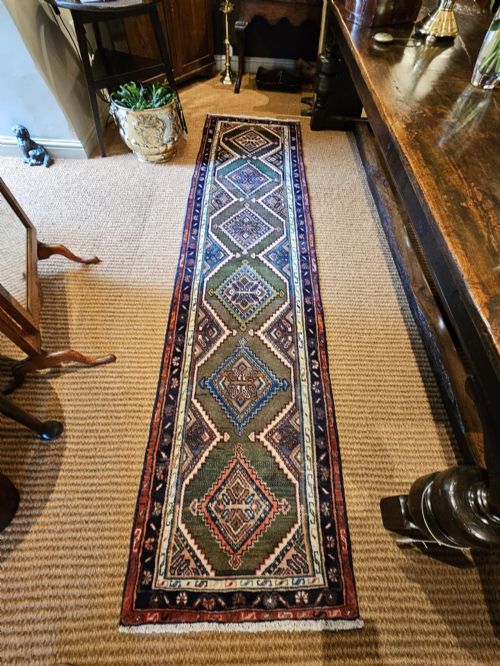
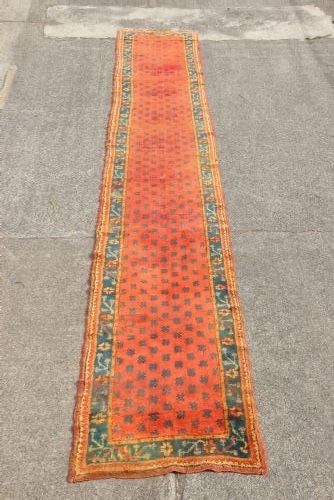
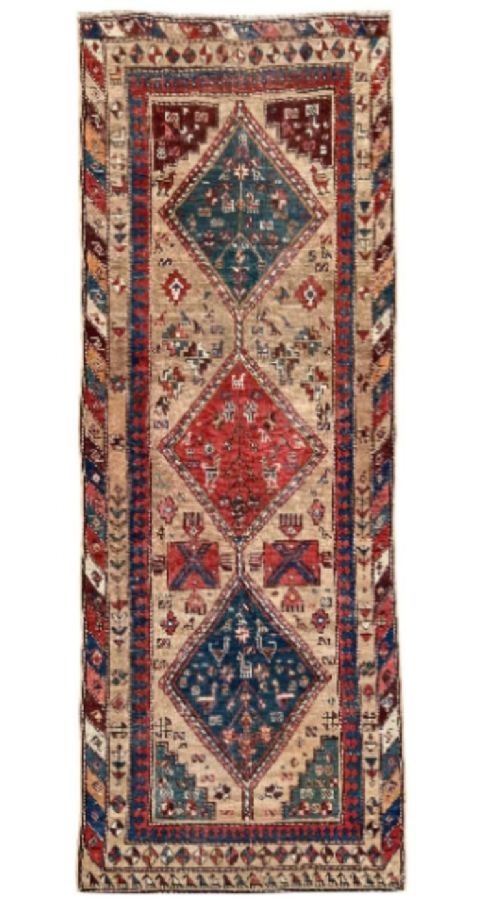
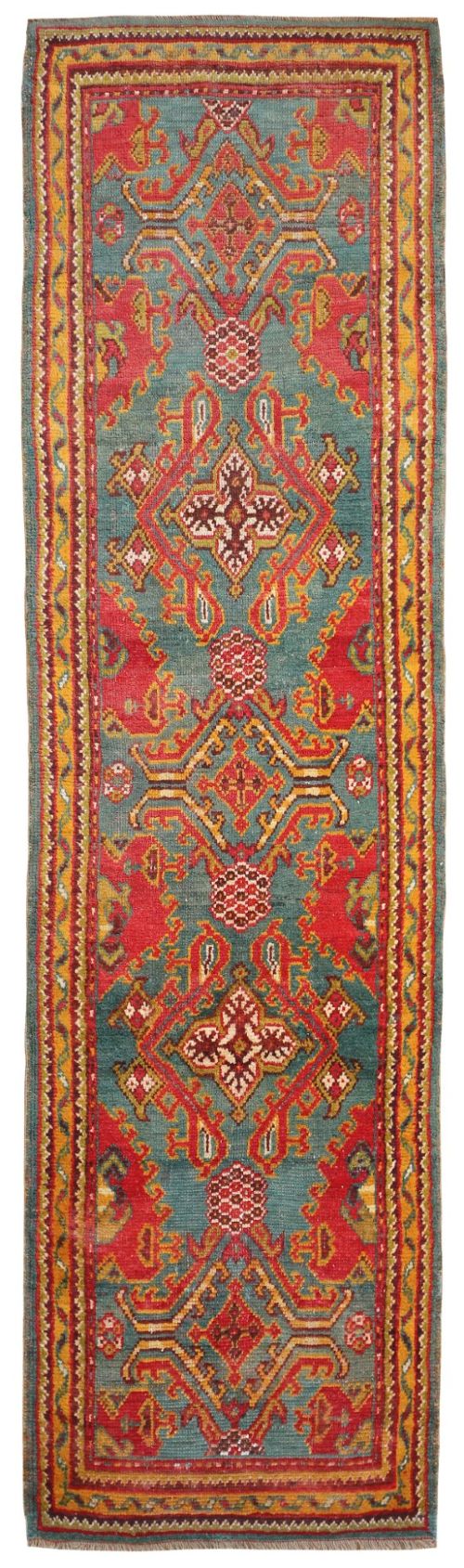
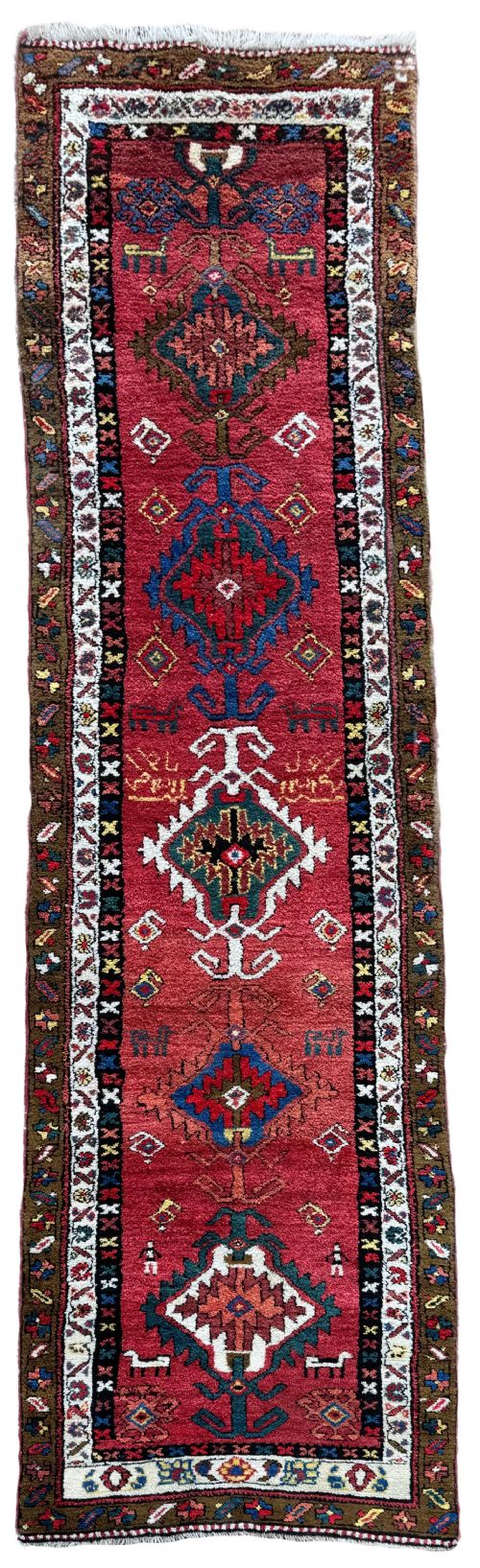
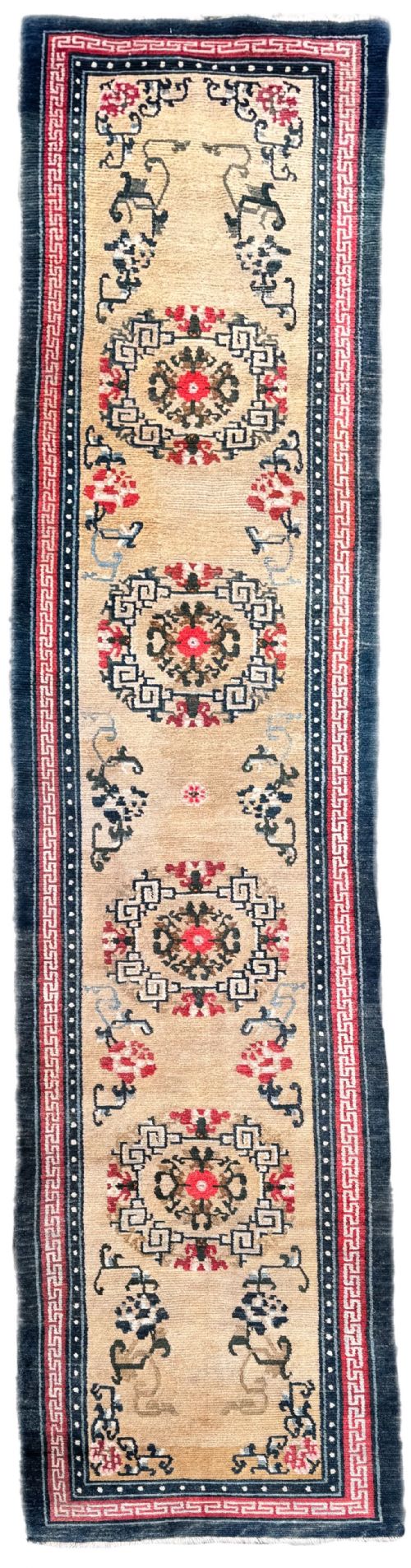
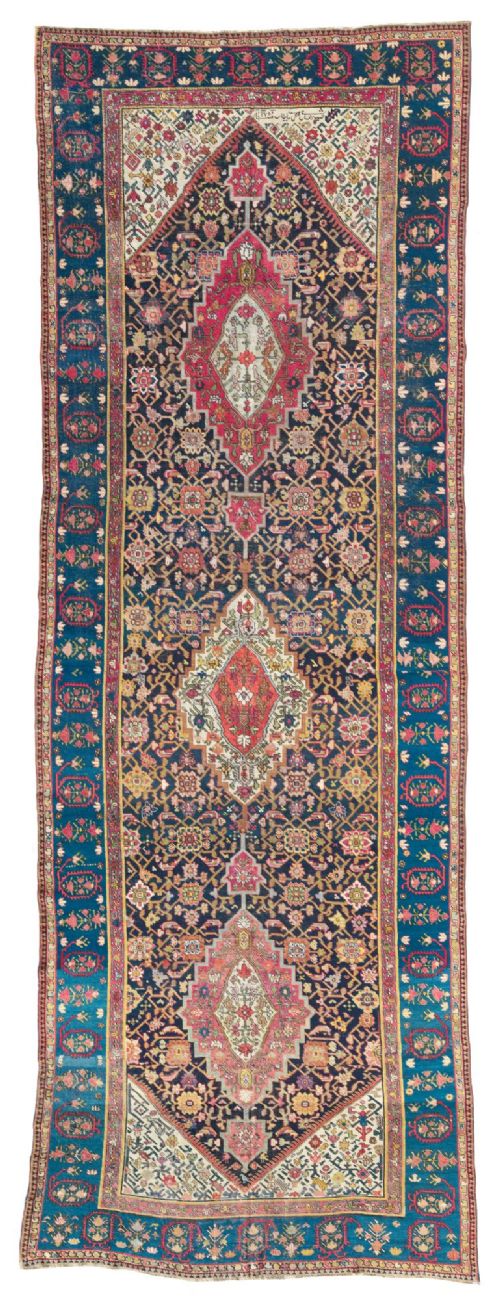
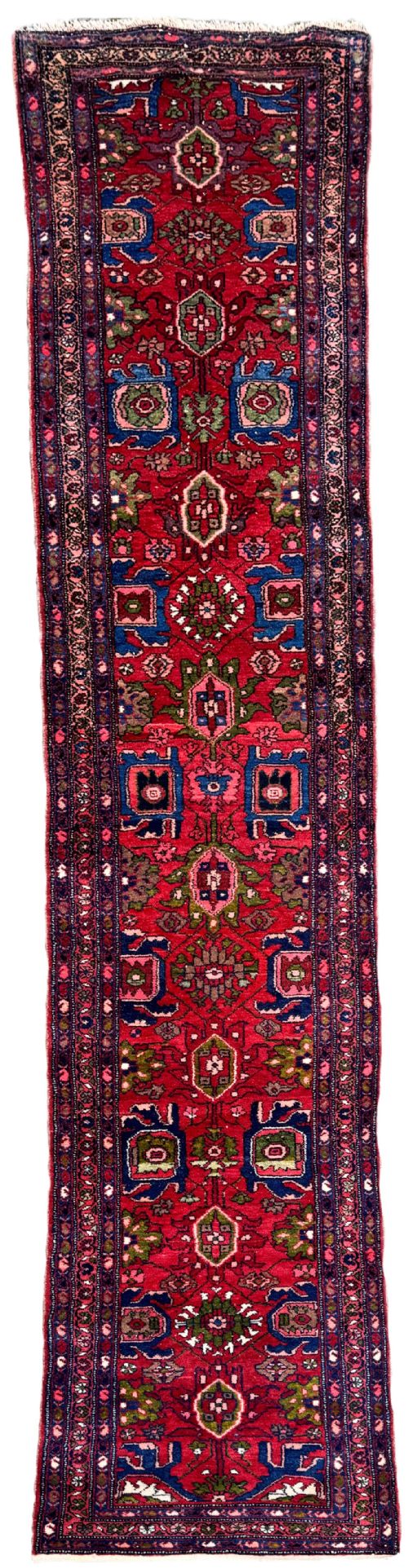
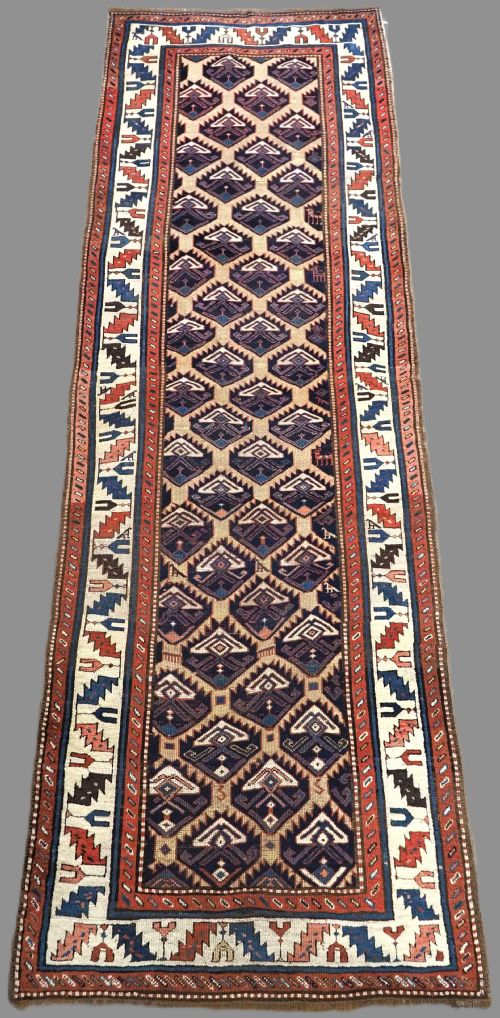
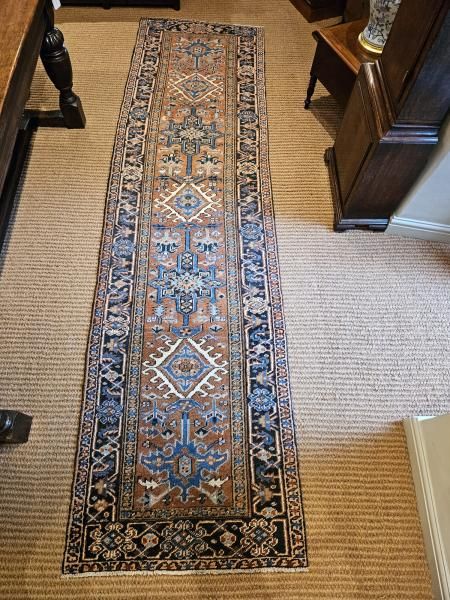
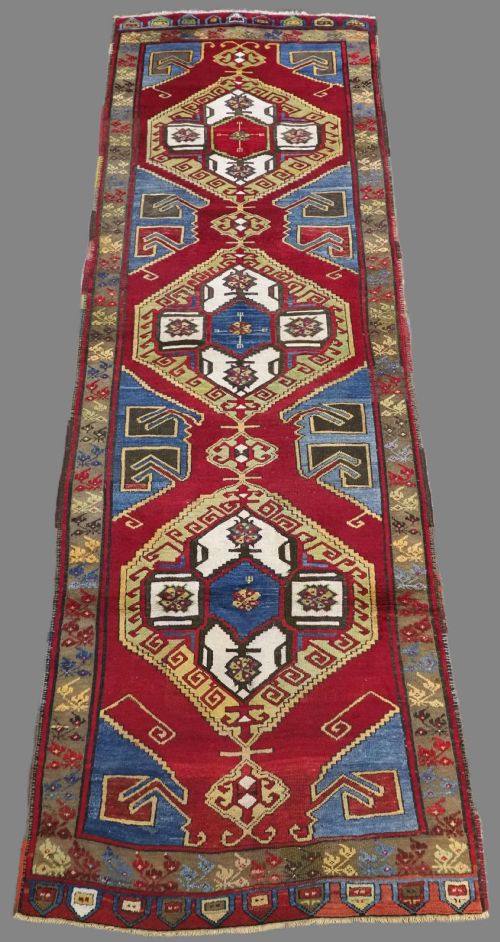
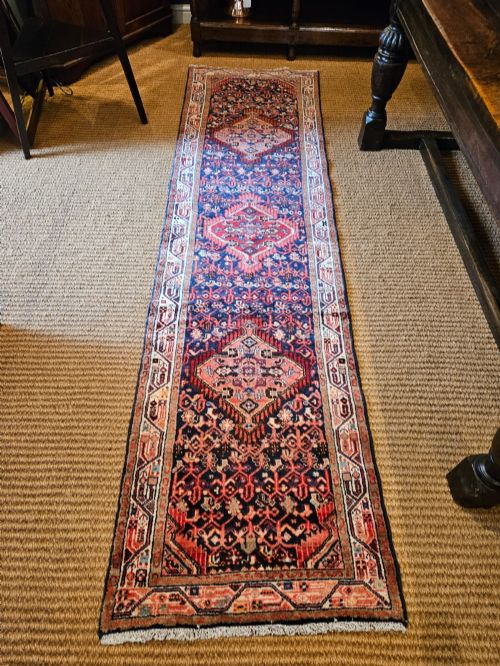
When you search for a traditional oriental corridor rug, you encounter long, narrow floor coverings designed specifically for hallways, landings, and galleries. These pieces originate from Persian, Caucasian, Turkish, and Tibetan weaving traditions, spanning from the nineteenth century into the mid-twentieth century.
The format is typically linear, stretching over several metres while remaining narrow enough to fit typical corridor proportions. You will frequently meet regional types such as Kurdish, Heriz, Hamadan, and Ushak runners in these listings.
Makers utilised traditional tribal and geometric motifs, including lattice designs and field patterns, tailored for high-traffic domestic spaces. Each piece carries the distinct regional palette and knotting style of its specific origin.
How they were made
These textiles rely primarily on wool and hand-spun wool for the pile, combined with cotton foundations that provide structural stability and tensile strength for long runners. Natural dyes yielded the deep olive greens, navy blues, and varied background hues recorded across the periods.
Weavers knotted the pile by hand onto warp and weft threads, creating dense surfaces capable of withstanding decades of foot traffic in corridors and halls. The resulting structure balances flexibility with the robust weight necessary to lie flat on floorboards.
Listings span production dates from the mid-nineteenth century through the 1960s, predominantly featuring wool and hand-spun wool materials.
What varies in quality
Quality in these long formats rests on the precision of the knotting and the integrity of the wool foundation. Finer hand-spun wools yield a more resilient pile that ages gracefully under sustained use.
The clarity of regional design and the consistency of the narrow proportions separate standard examples from finer works. Original dye saturation and structural balance across extended lengths determine the standing of each runner.
The Traditional Oriental Corridor Rug Glossary
- Runner
- A long, narrow carpet format intended for corridors, hallways, and staircases. Its dimensions prioritise linear floor spaces over square rooms.
- Kelleh
- A large, elongated carpet or rug format often intermediate in proportion between a standard room rug and a long corridor runner.
- Warp
- The vertical threads stretched lengthwise on the loom that form the structural skeleton of the rug. Wefts are then interwoven across these stationary threads.
- Pile
- The upright yarn surface of the rug formed by knotted tufts. This soft upper layer receives the direct wear of foot traffic.
- Mina Khani
- A traditional repeating geometric or floral lattice design commonly found in Kurdish and Persian weaving. It spreads a continuous pattern across the field of the rug.
Traditional Oriental Corridor Rug: Frequently Asked Questions
How do I clean a wool runner?
Vacuum gently without a rotating brush bar to protect the historic wool pile from pulling or fraying. Professional textile cleaning is recommended for deeper maintenance.
Avoid saturation and harsh chemical detergents, which can damage natural dyes and weaken the cotton foundation threads over time.
Where should I place a long hallway runner?
Position the piece centrally in corridors, entrance halls, or long landings where linear flooring benefits from warmth and acoustic softening. Ensure the narrow proportions leave adequate bare floor visible at the edges.
Use a suitable underlay beneath the rug to prevent slipping on smooth wood or stone flooring.
How do I identify a Kurdish runner?
Look for robust wool construction, often featuring geometric tribal motifs and saturated background colours characteristic of Kurdish weaving regions. The handle is typically heavy and durable.
Check the proportions and design layout against known nineteenth and early twentieth-century examples recorded in regional inventories.
What is the difference between a rug and a runner?
Runners possess an elongated, narrow proportion specifically designed for hallways and corridors. Standard rugs feature balanced rectangular dimensions meant for open floor spaces.
Both formats utilise similar hand-knotted wool techniques and historical regional designs but serve entirely different architectural placements.