
Traditional Open Armchair
A traditional open armchair offers solid timber framing and upholstered comfort, spanning periods from the seventeenth century to the twentieth.
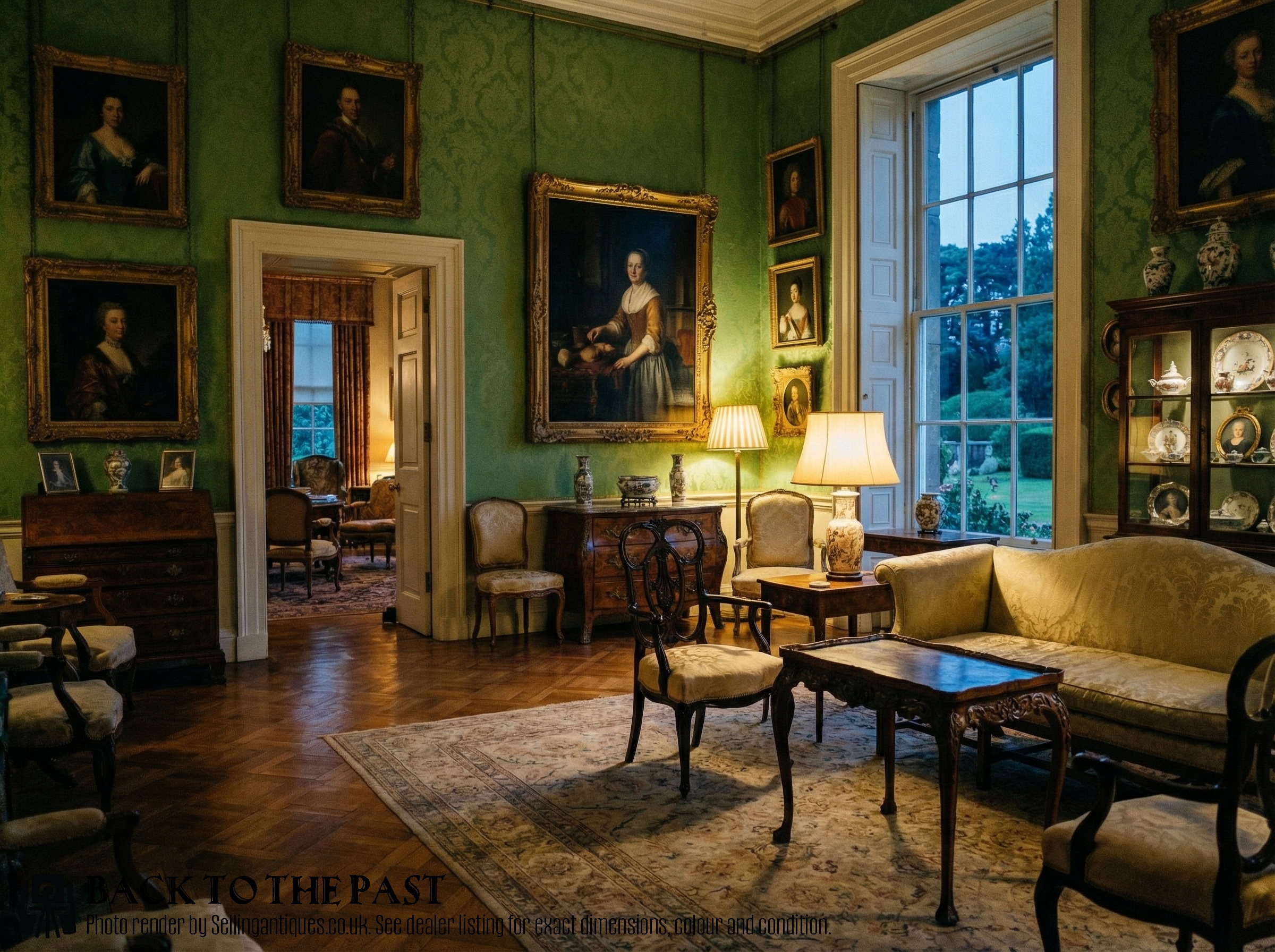
Traditional Open Armchair
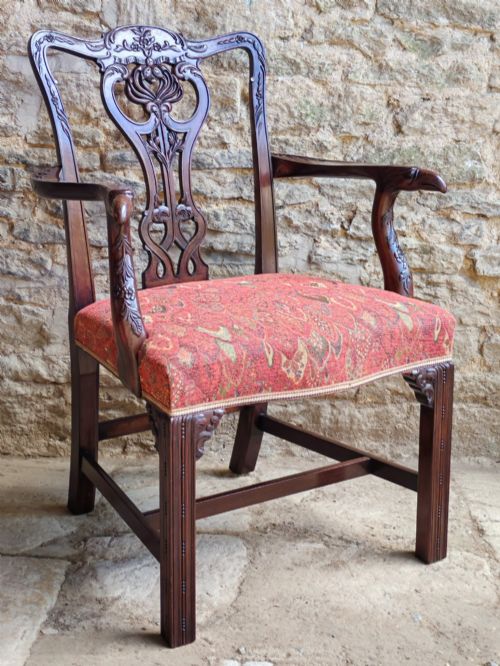
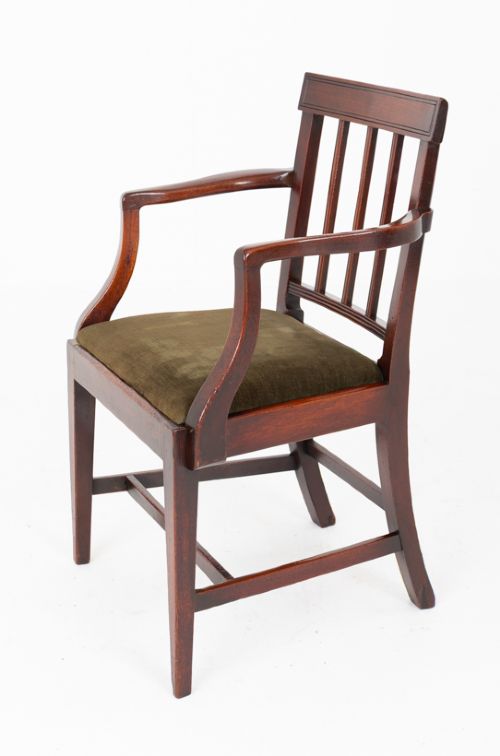
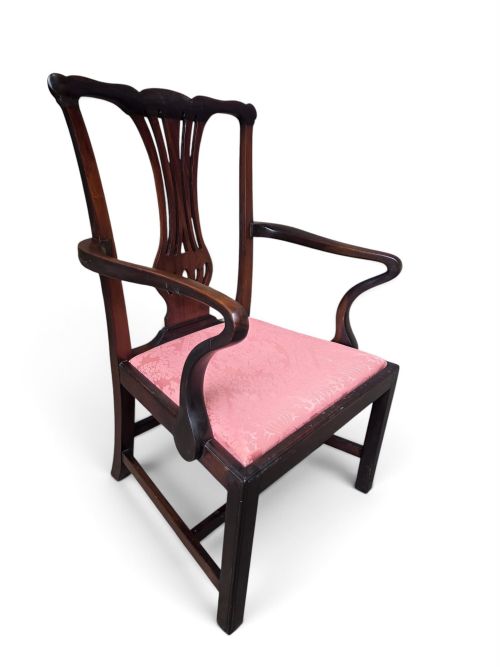
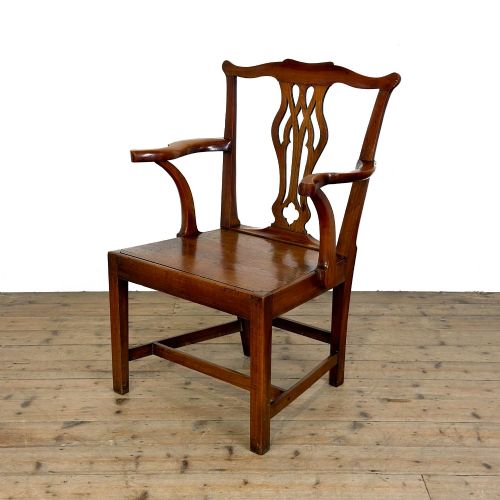
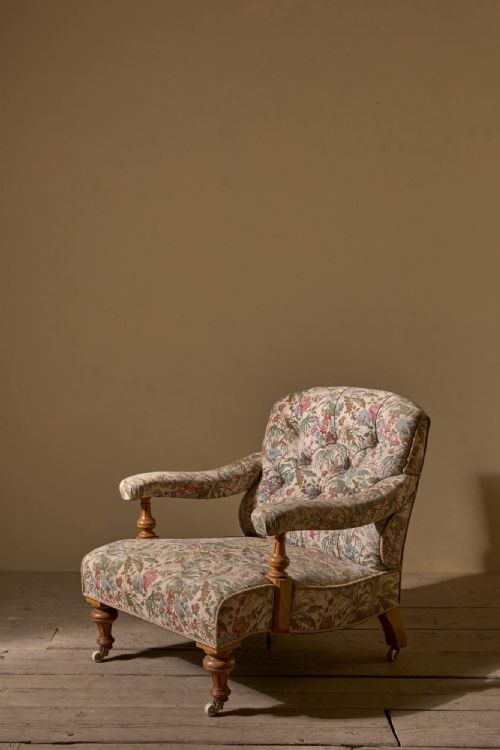
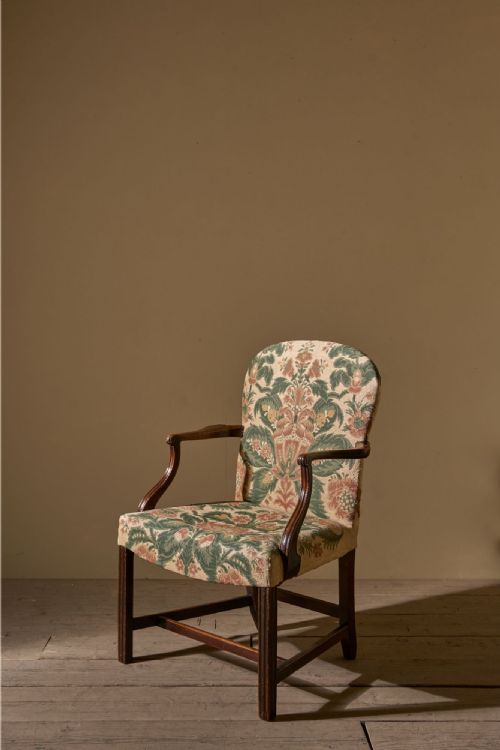
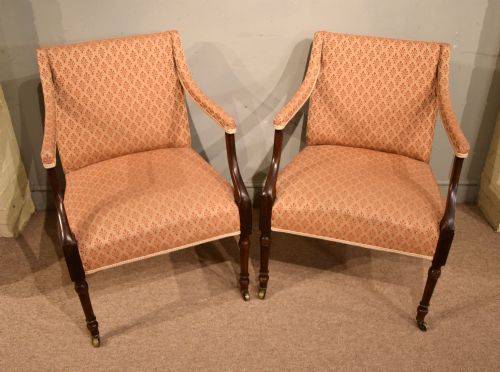
A traditional open armchair provides a seated resting place with timber arm supports, often termed a carver, elbow chair, or library chair depending on its intended room. The selections here include Georgian masterpieces, Victorian country house seats, and revival pieces designed for studies, dining tables, and morning rooms.
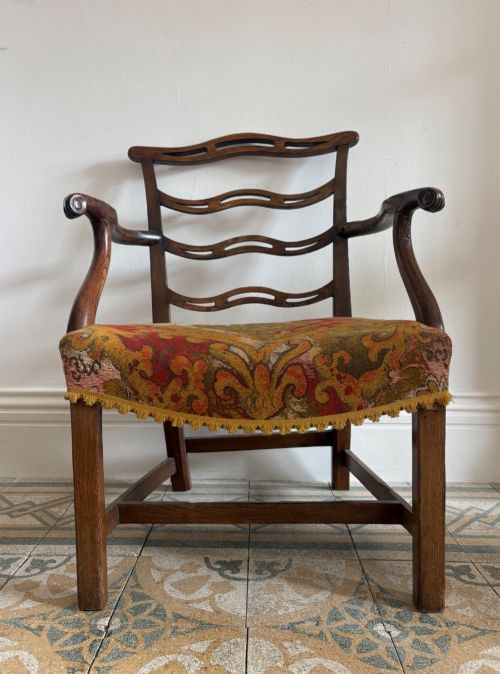
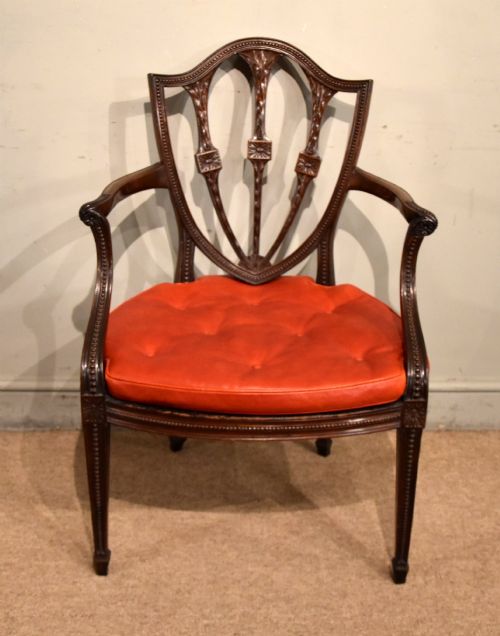
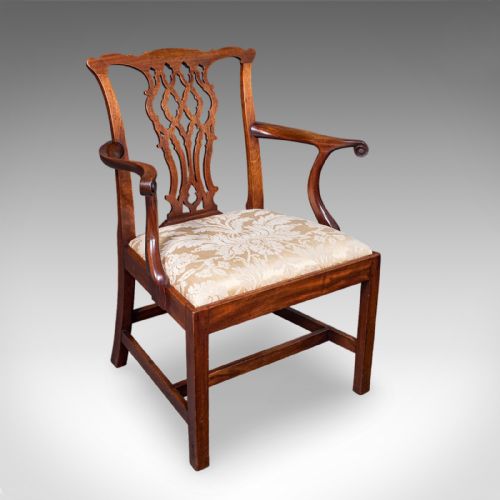
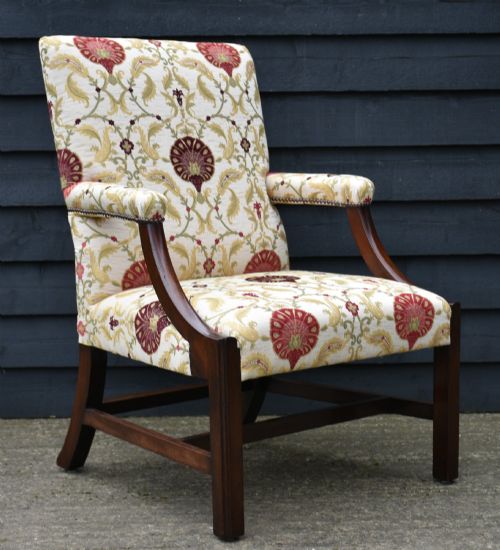
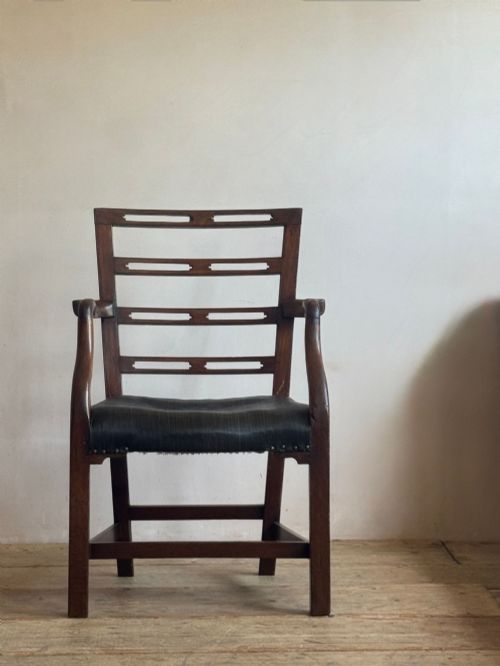
The form spans formal mahogany Gainsborough chairs with hide leather and Chippendale carving to rustic elm ladder-backs and rush-seated country chairs. Walnut, oak, fruitwood, and laburnum also appear across the centuries, reflecting changing domestic fashions in seating.
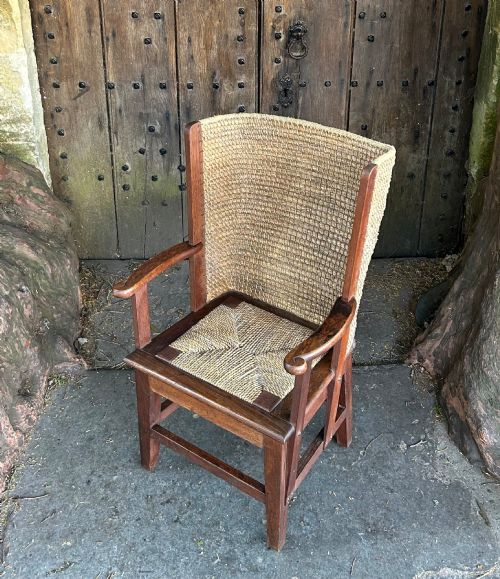
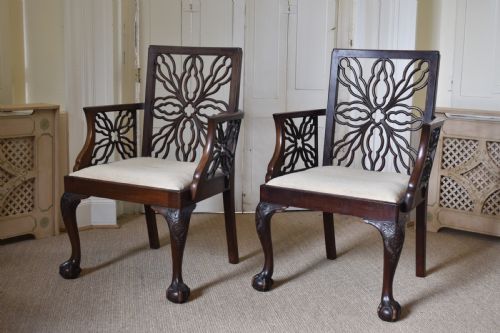
Buyers encounter numerous regional and stylistic variations, from Scottish and English country house armchairs to Orkney chairs and Chinese Chippendale library seats. These designs accommodate diverse interior settings while maintaining structural open arms.
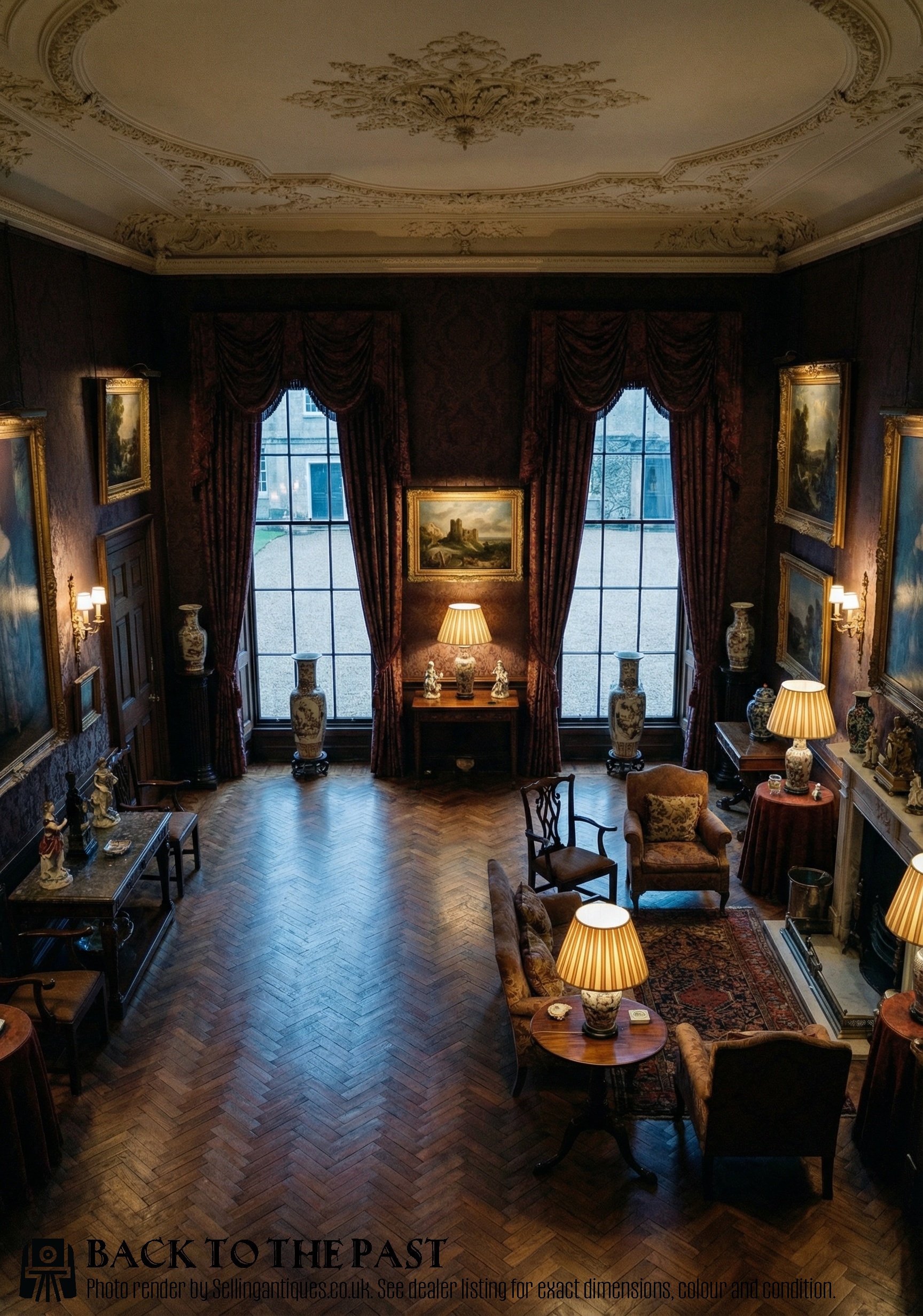
How they were made
Cabinetmakers and joiners constructed these frames primarily from hardwoods such as mahogany, walnut, and oak, alongside regional timbers like elm, fruitwood, ash, and laburnum. Joinery relied on mortise and tenon joints to ensure stability in the arm supports and leg structures.
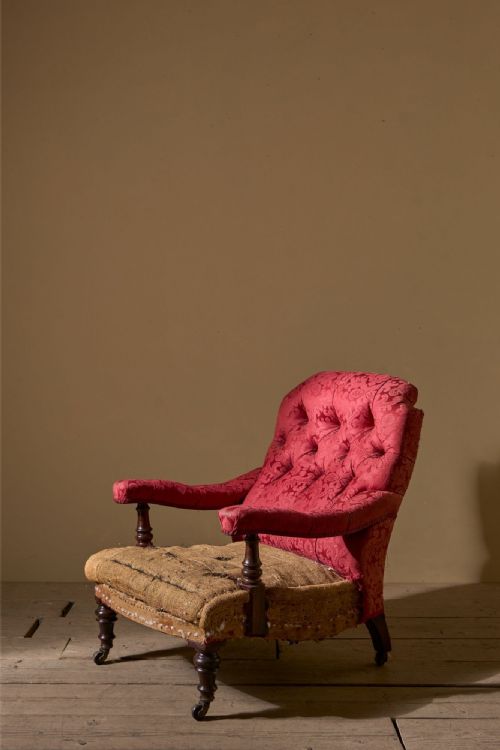
Upholstery methods involved webbing, stuffing, and hand-stitched coverings using materials like leather, tapestry fabric, velvet, hessian, and rush for seat pads. Brass tacks frequently secured the edges of leather and fabric hides to the timber framework.
Traditional Open Armchair Retail Price Guide 2026
Typical asking prices for traditional open armchair among the pieces listed under this phrase on Sellingantiques today, from the lower quarter to the upper quarter. They describe what is for sale here now, not the wider market.
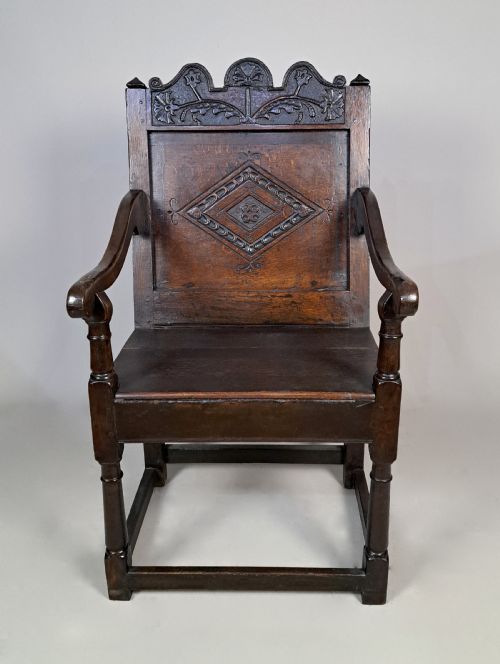
Listings span multiple centuries, incorporating seventeenth-century oak wainscot frames, eighteenth-century mahogany Gainsboroughs, and twentieth-century revival pieces.
What varies in quality
The degree of hand-carving defines the distinction between standard workshop production and high-status library or Gainsborough chairs, particularly where blind fretwork, reeding, and elaborate splats are present. Timber selection also dictates grade, with dense, figured mahogany and well-grained walnut commanding greater presence than standard utility timbers.
Originality of components, including the retention of period upholstery materials, hand-dyed hides, and untampered joinery beneath the seat, separates preserved examples from heavily restored or later revival pieces.
Howard and Sons·Morison and Co
The Traditional Open Armchair Glossary
- Gainsborough chair
- A wide, upholstered armchair with open padded arms, originating in the mid-eighteenth century for writing desks and reading rooms.
- Carver chair
- An armchair designed to match a set of dining chairs, traditionally placed at the table heads.
- Ladder-back
- A chair back featuring multiple horizontal wooden rails resembling a ladder between the uprights.
- Wainscot armchair
- An early wooden armchair constructed with panelled backboards, originating in the seventeenth century.
- Cockpen chair
- An open armchair featuring a distinctive Chinese-inspired lattice work design in the back, popular during revival periods.
- Yoke-back
- A chair back featuring a curved top rail resembling an ox yoke, seen in Qing dynasty seating.
Traditional Open Armchair: Frequently Asked Questions
What is a traditional open armchair?
A traditional open armchair is a wooden seat featuring open armrests, distinct from fully upholstered armchairs by its exposed timber framing.
These pieces range from formal eighteenth-century mahogany library seats to rustic nineteenth-century country elm chairs.
How do I identify a Georgian armchair?
Georgian armchairs typically display mahogany construction, cabriole or straight legs, and stylistic influences from Chippendale, Hepplewhite, or Sheraton designs.
Details such as hand-carved blind fretwork and tapestry upholstery often indicate mid-to-late eighteenth-century craftsmanship.
Where were elbow chairs used?
Elbow chairs served multiple functions in historic homes, acting as desk chairs in studies, reading seats in libraries, or carver chairs at dining tables.
Their open arm design allowed individuals wearing bulky historical clothing to sit comfortably without restriction.
What woods were used for country armchairs?
Country armchairs frequently utilised local British timbers such as elm, ash, fruitwood, laburnum, and oak rather than imported mahogany.
These regional woods provided the necessary strength for vernacular ladder-back and rush-seated designs.