



Traditional Oil Painting Sea
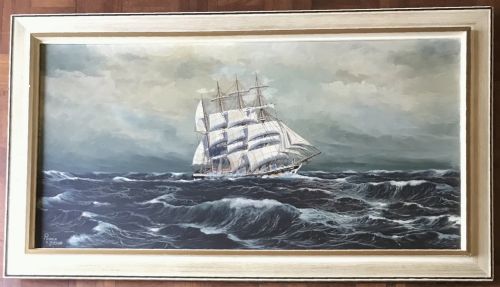
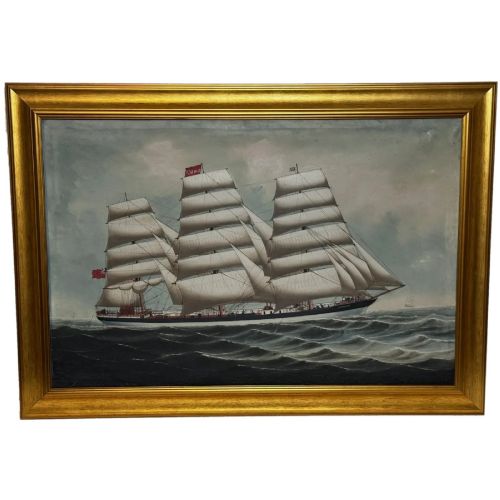
These traditional oil painting sea works capture coastal drama and maritime history, offering collectors authentic glimpses of historic waters.
Traditional Oil Painting Sea
When you search for a traditional oil painting sea, you encounter coastal scenes, harbour views, and open water studies. These artworks depict ships, lighthouses, and coastal life across various historical periods.
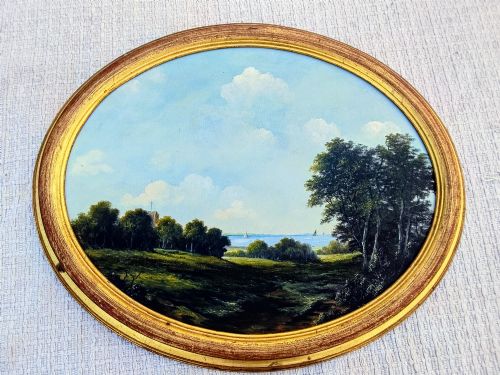
The pieces on this page span the nineteenth century, Victorian, Edwardian, and mid-twentieth century eras. Works range from intimate oval sea views to large Cornish harbour and fishing trawler compositions.
Subjects include calm coastal harbours, choppy seas, naval schooners, and dramatic sea battles. Originating from English and continental coastal traditions, these paintings record working vessels and maritime trade.
How they were made
Artists painted primarily with oil paint on stretched canvas or prepared wooden boards. Canvas surfaces allowed for textured brushwork, capturing the movement of waves and atmospheric skies.
Frames frequently utilise gilded wood or giltwood to complement the maritime subject matter. Gilt frames enhance the depth of the oil pigments and protect the edges of the canvas or board.
Listings feature works spanning the nineteenth century, Victorian, Edwardian, and twentieth century, executed in oil on canvas or wood.
What varies in quality
Technical proficiency in handling light, water movement, and vessel rigging distinguishes master maritime works from simpler decorative pieces. The rendering of turbulent waves and atmospheric coastal light requires considerable skill.
Attribution to documented marine artists and signed compositions elevate the standing of a painting. Scale and preservation of the original oil surface and gilt frame also influence the overall character.
Reginald Arthur Borstel·George Shaw·John Bell·Dion Pears·Thomas Rose Miles·Ebeneezer Colls·Herbert James·Charles Martin Powell·J De Breanski
The Traditional Oil Painting Sea Glossary
- Oil on canvas
- Pigment suspended in drying oil applied to woven fabric stretched over a wooden frame. This primary medium allows for rich colour blending and textured application.
- Maritime realism
- An artistic style focused on accurate depiction of ships, coastal topography, and marine environments. Practitioners observed nautical details and weather conditions closely.
- Giltwood
- Wood carved and coated with gold leaf or metallic gilt powder. Frames utilising this finish were designed to highlight the artwork within.
- Seascape
- A painting depicting the sea, coastal views, or marine vessels. These works capture the changing moods of water and sky.
Traditional Oil Painting Sea: Frequently Asked Questions
How do I date a maritime oil painting?
Dating relies on canvas preparation, framing styles, and the specific types of vessels depicted in the composition. Costume of figures and artist signatures also provide precise chronological markers.
Examining the reverse of the canvas or board often reveals historical labels, inscriptions, or stamps from framers that narrow down the period of creation.
Where were these coastal scenes painted?
Many works originate from prominent British fishing ports such as Brixham and Cornish harbours, as well as Dutch coastal locations. Artists travelled to active maritime centres to capture working vessels.
Studio finishing often followed initial en plein air sketching trips along cliffs, harbours, and shorelines where shipping traffic concentrated.
How should I care for an antique oil painting?
Keep paintings away from direct sunlight, high humidity, and rapid temperature fluctuations to protect both the canvas and the oil pigments. Stable indoor environments prevent cracking and warping.
Dust the surface gently with a soft, dry brush and avoid using liquid cleaners or chemical solvents on the paint layer or gilt frame.
What is the difference between board and canvas?
Canvas offers slight flexibility and texture from the woven fabric, while wooden boards provide a rigid, solid support for the oil paint layers. Both materials were widely used across different periods.
Board supports frequently appear in smaller studies or works created outdoors, whereas large exhibition pieces typically utilise stretched canvas.