
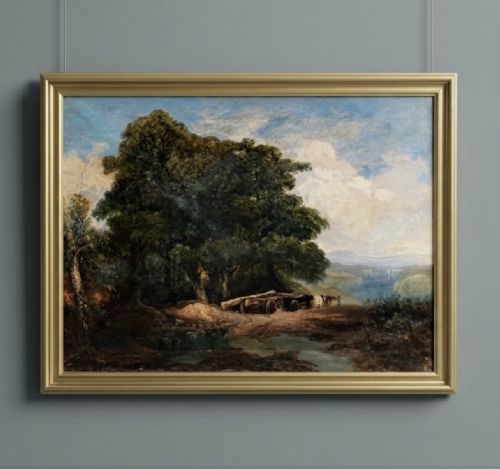
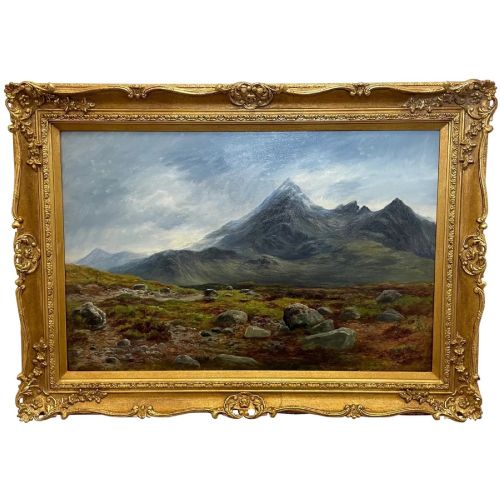
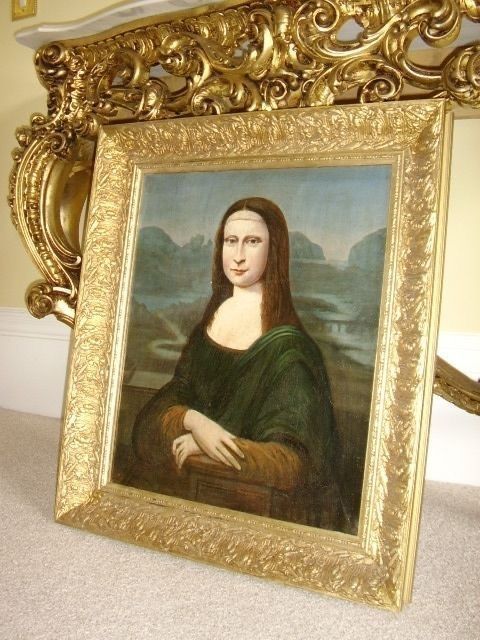
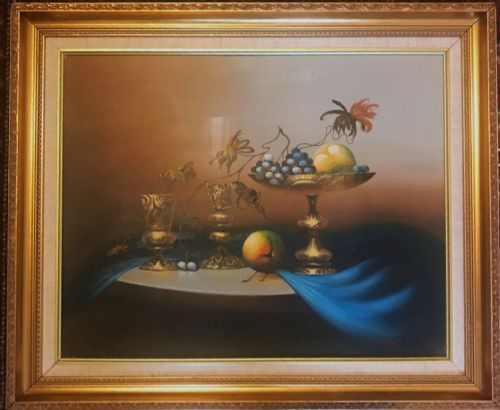


Traditional Oil Painting Artwork
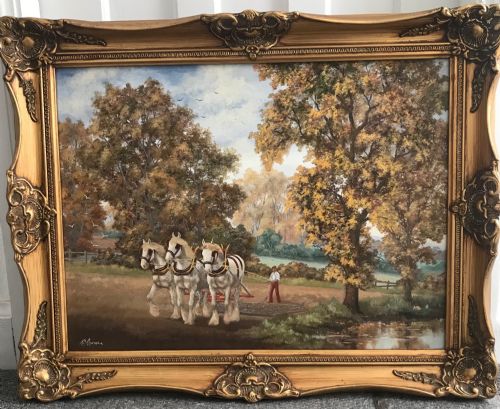
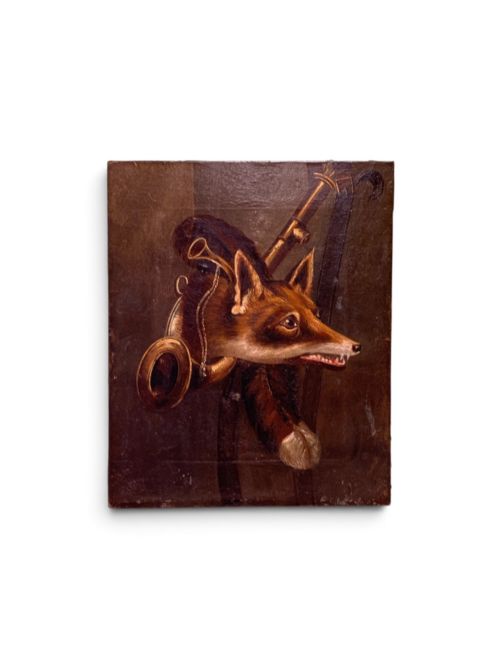
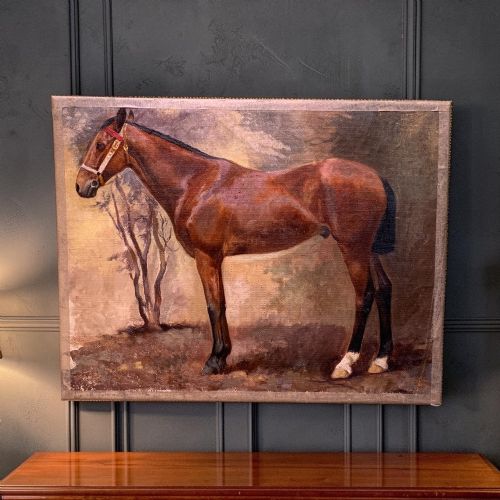
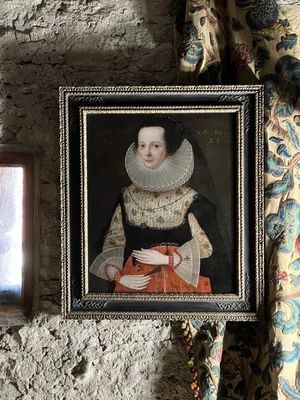
Traditional oil painting artwork spans centuries of portraiture and landscape, offering tactile depth and historic character.
Traditional Oil Painting Artwork
Traditional oil painting artwork encompasses historical portraits, pastoral landscapes, and still lifes created using time-honoured pigment techniques.
A buyer seeking traditional oil painting artwork meets works originating primarily from the eighteenth, nineteenth, and early twentieth centuries.
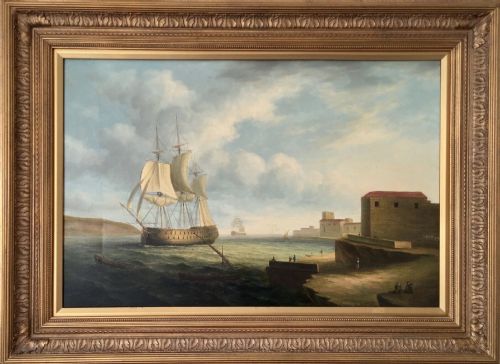
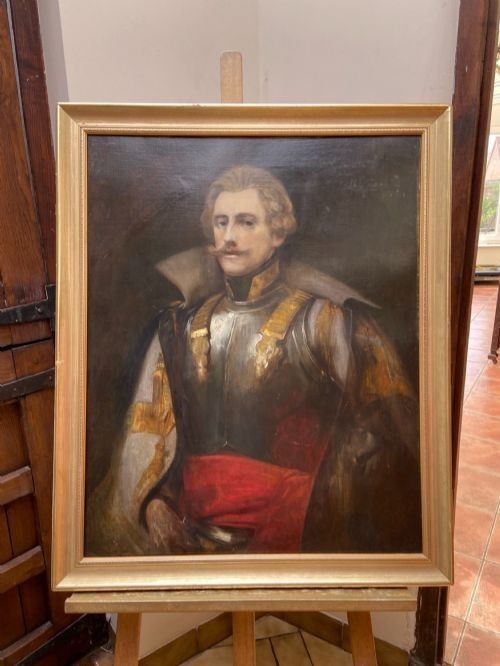
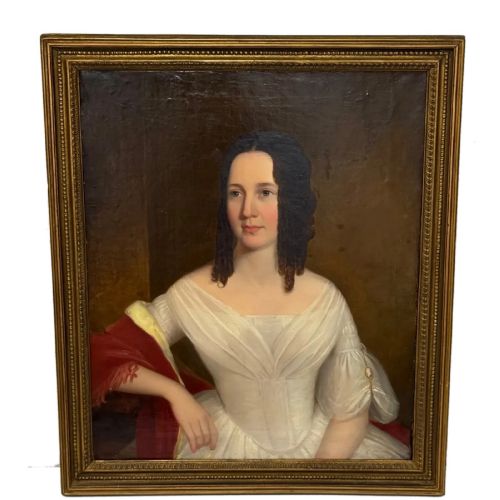
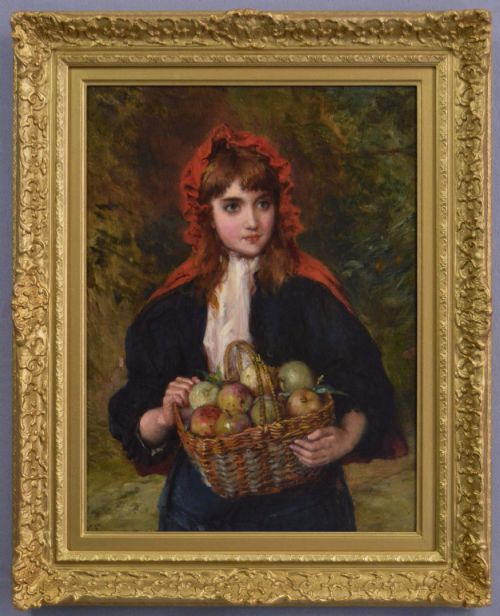
The selections span British, Scottish, and continental European schools, presenting subjects from domestic animals to noble figures.
Materials and construction
Artists painted primarily with oil paint applied to stretched canvas, wooden panels, or rigid board supports.
Traditional Oil Painting Artwork Retail Price Guide 2026
Typical asking prices for traditional oil painting artwork among the pieces listed under this phrase on Sellingantiques today, from the lower quarter to the upper quarter. They describe what is for sale here now, not the wider market.
Listings feature works spanning the eighteenth century through to the mid twentieth century, utilising oil on canvas and wood panel.
Variations in standard and execution
Execution ranges from competent regional works to masterworks exhibiting refined handling of light, shadow, and anatomy.
The preservation of the original paint surface and the integrity of the ground layer determine the longevity and visual impact of the piece.
William Oliver·Richard Sebastian Bond·William Beattie-Brown·Jozsef Molnar·William H Myers·Tom Campbell·George Willison·John Horace Hooper·William McAlpine·Reginald Arthur Borstel·William Joseph Shayer Senior·Sir Joshua Reynolds·Alfred Fontville de Breanski Jr·Edward Mills·George Houston
The Traditional Oil Painting Artwork Glossary
- Oil on Canvas
- Pigments suspended in a drying oil medium applied to a woven fabric support. This combination allowed artists to achieve subtle tonal gradations and rich textures.
- Wood Panel
- A rigid wooden support used by painters before canvas became dominant. Panels provide a stable surface that prevents the cracking often seen in aged fabric.
- Gilt Wood
- Carved wood coated with a thin layer of gold leaf or metallic powder. These frames enhance the visual weight and period authenticity of the artwork.
- Still Life
- An artwork depicting inanimate subject matter, such as fruit, flowers, or game. These compositions showcase the artist's ability to render light and texture closely.
Traditional Oil Painting Artwork: Frequently Asked Questions
How do I date a traditional oil painting?
Dating relies on stylistic clues, costume details in portraits, and the physical construction of the canvas or wooden panel support.
Examining the stretcher frames and any maker stamps on the reverse provides further chronological context.
Where should I hang these paintings?
These works suit traditional reception rooms, studies, or hallways where lighting can be controlled to prevent glare on the varnish.
Keeping them away from direct sunlight and excessive humidity protects both the canvas and the gilt frame.
What is the difference between canvas and panel?
Canvas offers a textured woven surface that responds flexibly to environmental changes over centuries.
Wood panels provide a smooth, rigid ground favoured in earlier periods and by specific regional schools.
How do I care for an oil painting?
Dust the surface gently with a soft, dry brush and avoid using water or chemical cleaners on the paint layer.
Consult a professional conservator if the varnish darkens or if the paint develops cracks.