





Traditional Oak Wardrobe
A traditional oak wardrobe brings robust storage and timeless character to a room, offering enduring utility alongside honest craftsmanship.
Traditional Oak Wardrobe
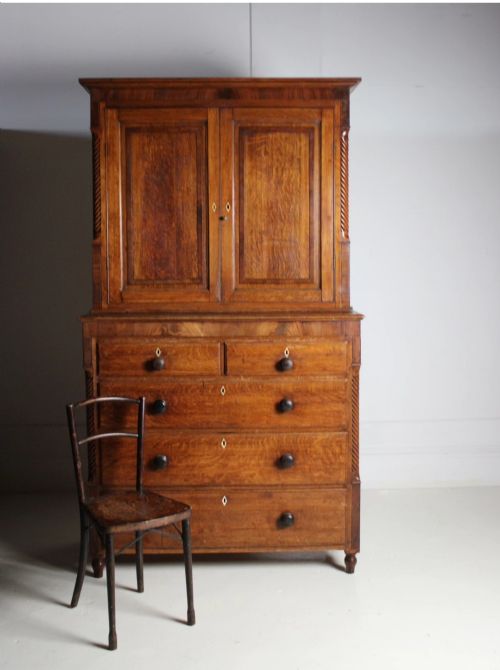
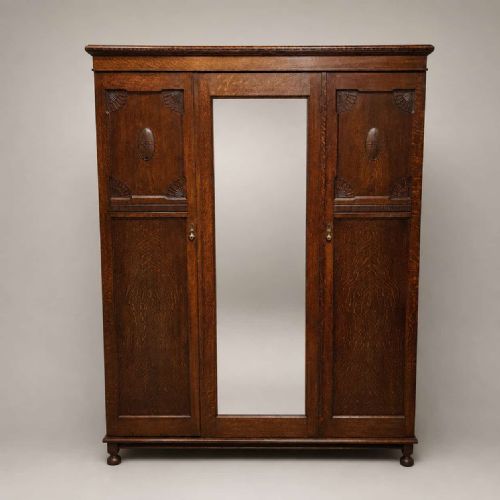
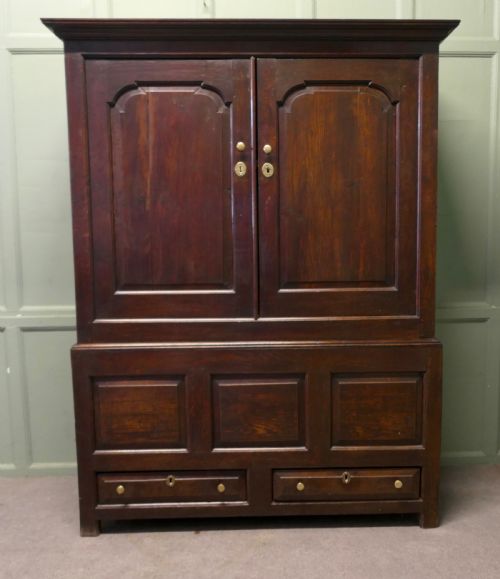
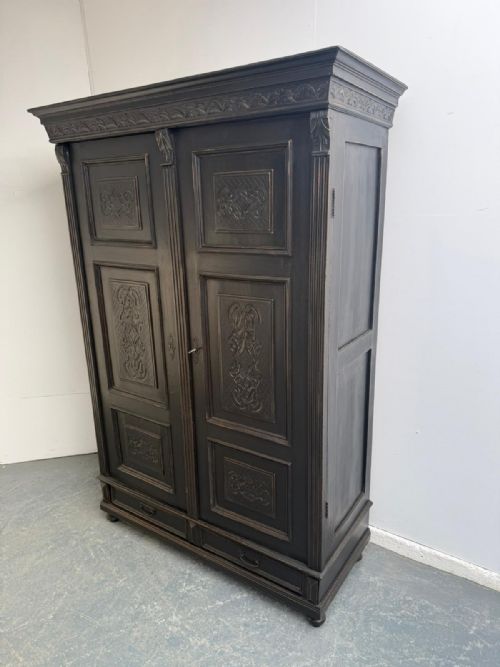
When searching for a traditional oak wardrobe, buyers encounter an array of substantial storage forms spanning several centuries. The selection encompasses Georgian livery cupboards, Victorian linen presses, Edwardian hanging spaces, and continental armoires.
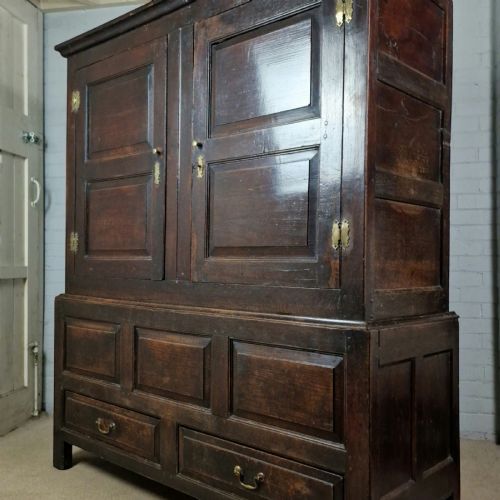
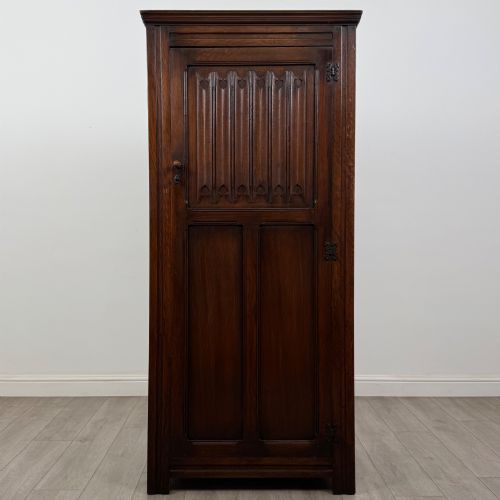
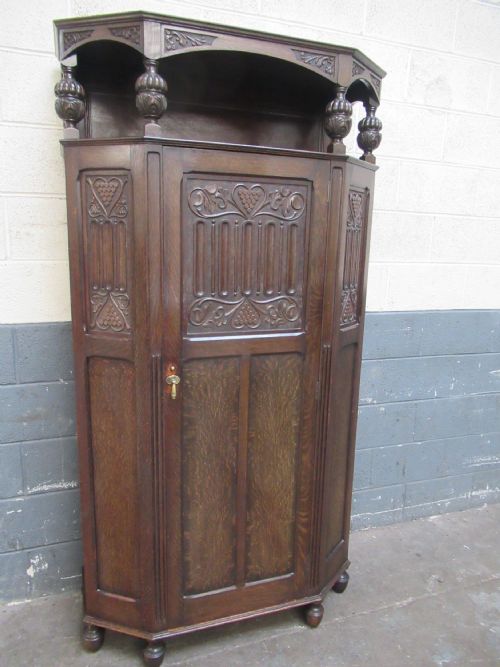
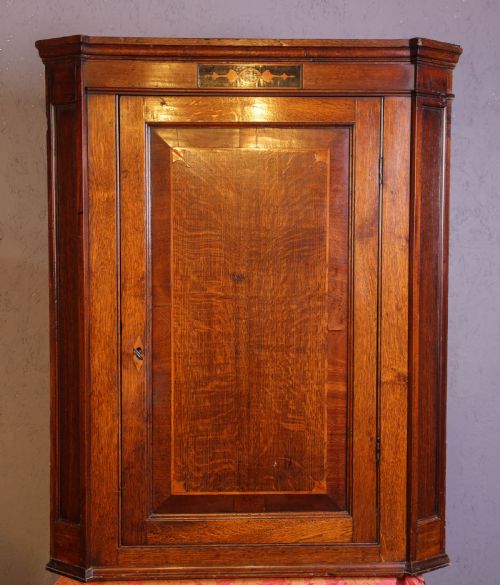
The pieces on this page lean heavily toward earlier domestic forms, including housekeeper cupboards, press cupboards, and corner cabinets. These functional items reflect historical storage needs before fitted closets became commonplace in homes.
Origins vary from English country workshops to Welsh rural joinery, alongside continental examples in painted finishes or French styling. This geographic breadth ensures buyers find distinct regional interpretations of the form.
Materials and construction methods
Construction relies primarily on solid oak, often paired with secondary softwoods like pine for internal shelving and backing boards. Iron hinges, brass handles, and wood inlay provide functional hardware and subtle decorative contrast.
Joinery techniques focus on sturdy frame-and-panel construction designed to accommodate the natural seasonal movement of timber. Surface treatments range from waxed and polished natural grain to historical painted finishes and faux wood effects.
Traditional Oak Wardrobe Retail Price Guide 2026
Typical asking prices for traditional oak wardrobe among the pieces listed under this phrase on Sellingantiques today, from the lower quarter to the upper quarter. They describe what is for sale here now, not the wider market.
Listings feature oak alongside brass, iron, pine, glass, paint, wood inlay, and porcelain across multiple centuries.
Evaluating construction and proportion
Quality rests in the integrity of the timber selection, the crispness of panel moulding, and the survival of original brass or iron hardware. Finer pieces display thoughtful proportions and careful matching of grain across large doors.
The degree of historical alteration dictates much of the character, as many older cupboards underwent conversion from linen storage to hanging space over time. Original internal configurations and untouched patination elevate the standing of a piece.
The Traditional Oak Wardrobe Glossary
- Livery cupboard
- An early form of ventilated storage cupboard historically used for food or household provisions before evolving into general garment storage. These typically feature panelled doors and internal shelving.
- Linen press
- A tall storage piece combining sliding trays or shelves in the upper section with drawers below for folded textiles. They often present substantial cornices and fielded panels.
- Armoire
- A large continental wardrobe featuring full-length doors and deep internal capacity. French examples frequently showcase regional carved details and substantial proportions.
- Housekeeper cupboard
- A capacious multi-door storage piece designed for domestic utility and household linens. They represent some of the most substantial vernacular oak furniture from the eighteenth century.
- Scumble
- A decorative paint technique used to simulate natural wood grain on secondary timbers. Nineteenth-century examples often employ this method to mimic higher-status oak.
Traditional Oak Wardrobe: Frequently Asked Questions
What is the difference between a wardrobe and a linen press?
A wardrobe is primarily designed for hanging garments on rails or hooks within a tall enclosed space. A linen press traditionally houses internal sliding trays or shelves for folded textiles, often paired with lower chest drawers.
Historically, many linen presses were later converted into wardrobes by removing internal trays to accommodate modern coat hangers.
How do I date an antique oak cupboard?
Dating relies upon examining construction methods, timber preparation, and stylistic hardware details. Early eighteenth-century pieces often feature pegged frame-and-panel doors with hand- cleft oak boards.
Later Victorian and Edwardian examples incorporate machine-sawn timber, standardised fixings, and different internal configurations that reflect changing domestic habits.
Are these wardrobes suitable for modern bedrooms?
These wardrobes offer exceptional capacity and solid timber construction that easily accommodates contemporary garments. Measuring internal depths and ceiling heights carefully ensures a smooth fit within modern domestic spaces.
Many earlier cupboards lack modern hanging depth, meaning clothes may need to be hung on front-to-back rails or stored using traditional folded methods.
What regional styles are available?
The selection includes English country pieces alongside Welsh oak press cupboards and continental armoires from France and Hungary. Welsh examples often display distinct regional mouldings and proportions suited to rural vernacular interiors.
Continental pieces bring different decorative treatments, including painted finishes and distinctive crown mouldings unique to their local workshops.