

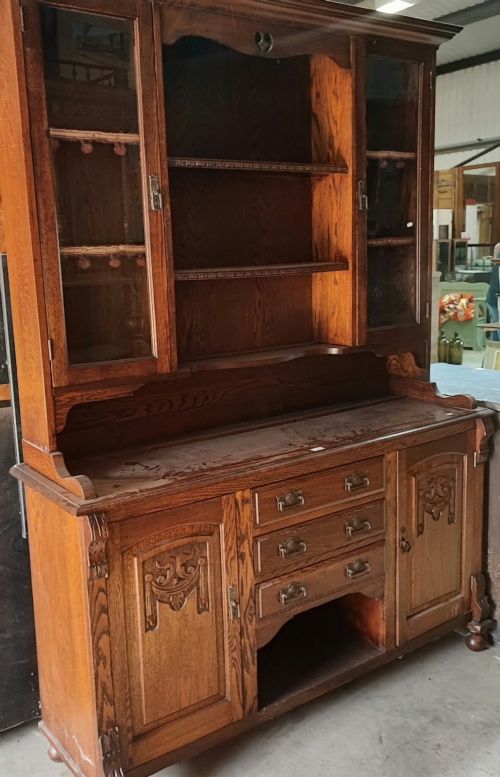
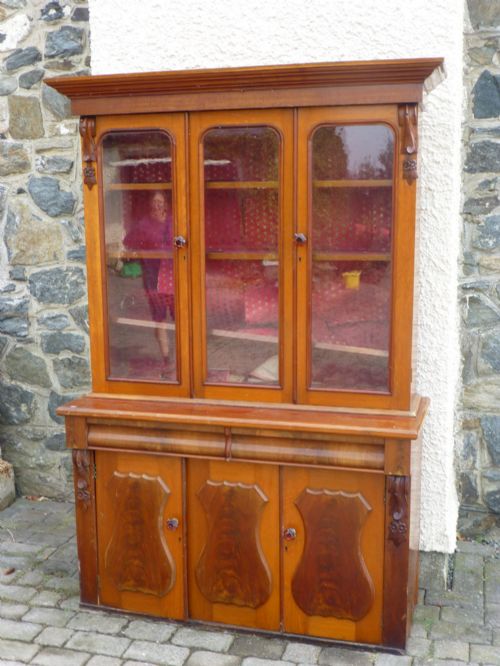
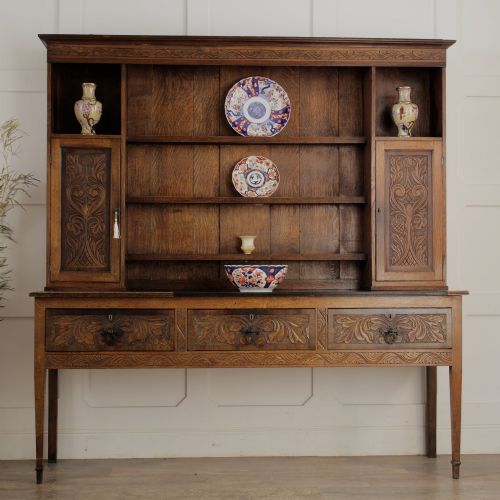
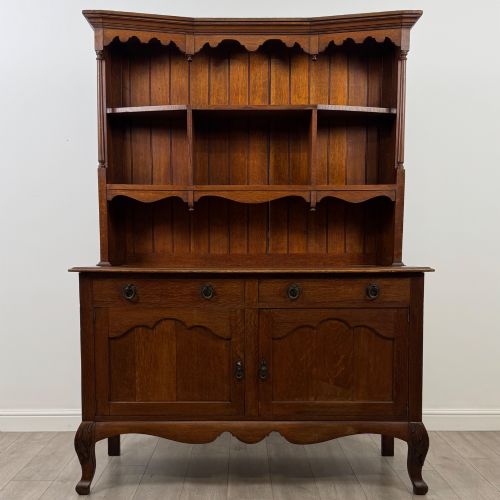


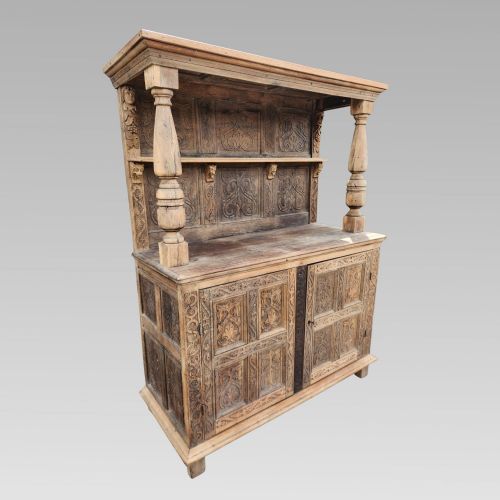
Traditional Oak Kitchen Cupboard
A traditional oak kitchen cupboard provides generous storage while anchoring a room with centuries of utilitarian history.
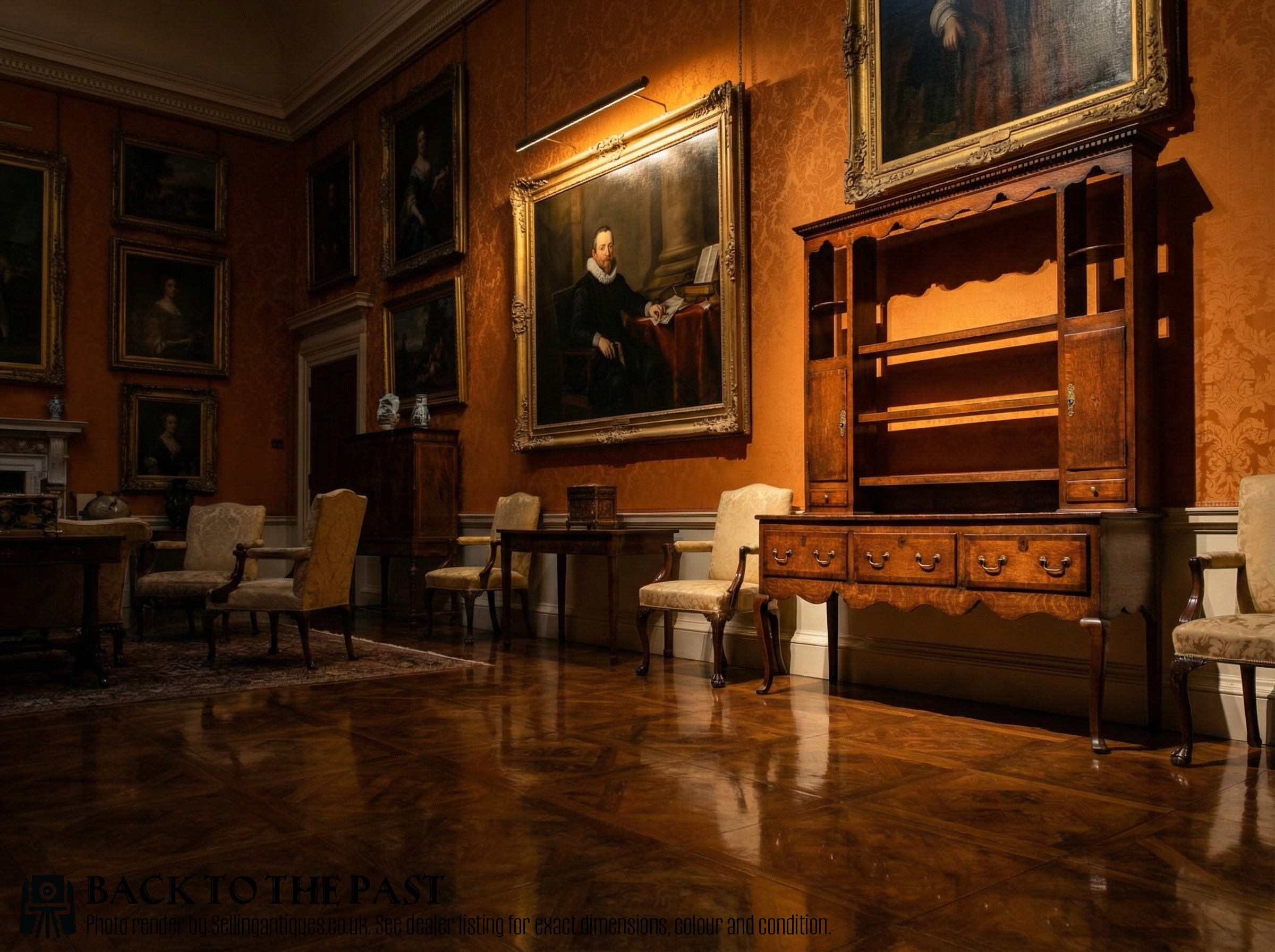
Traditional Oak Kitchen Cupboard
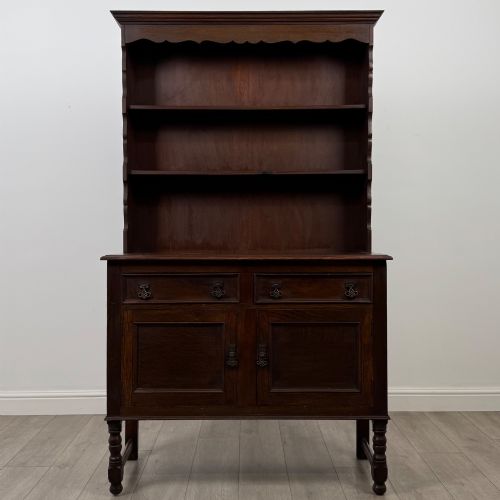
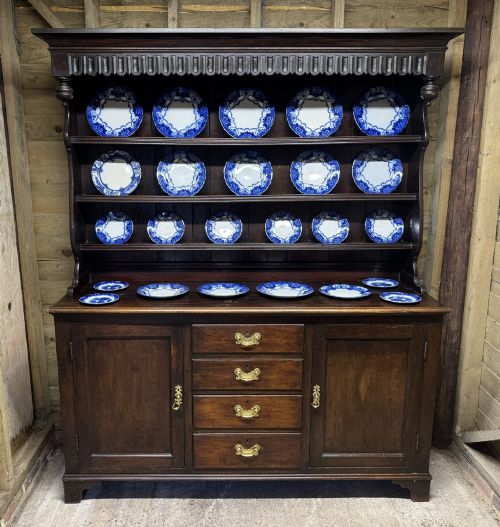
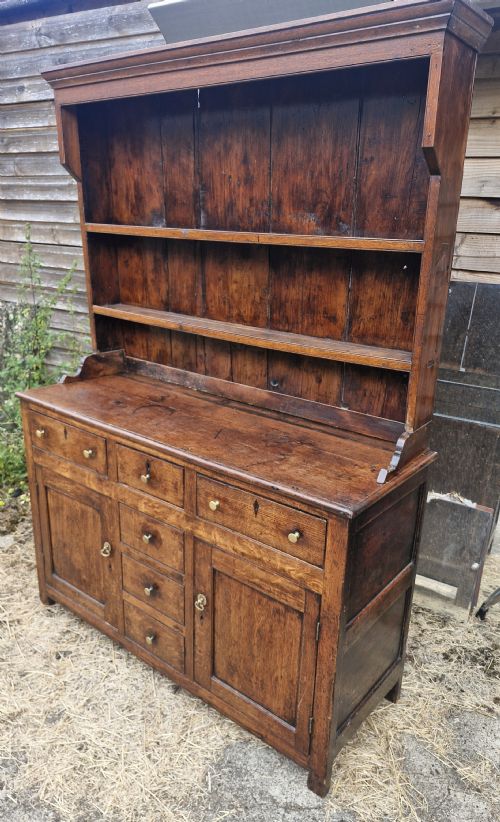
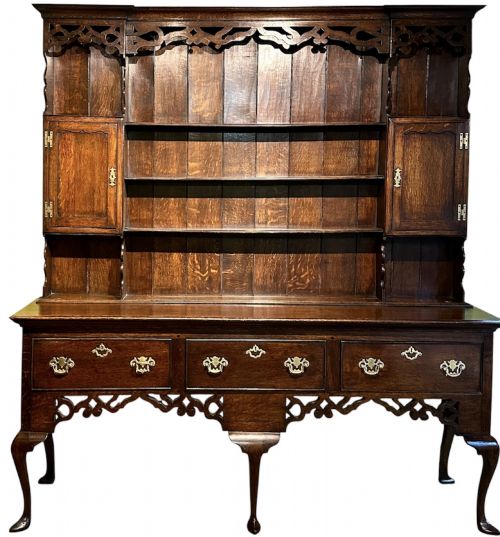
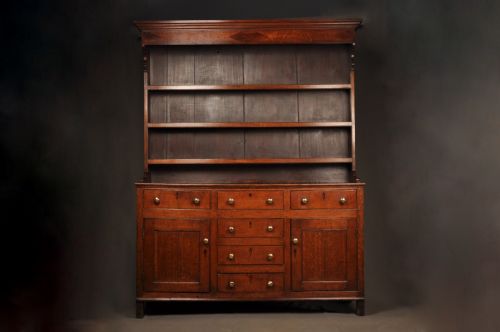
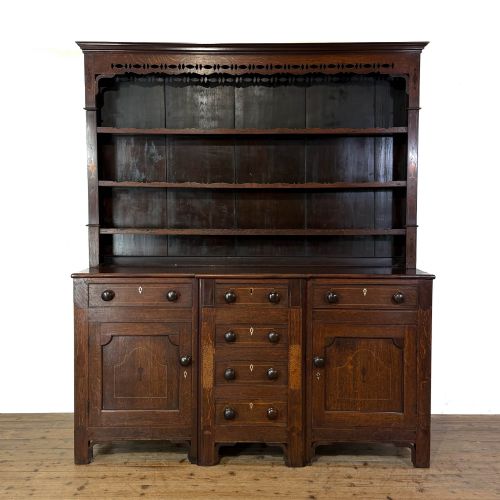
When you search for a traditional oak kitchen cupboard, you encounter robust domestic storage furniture built primarily for rural and provincial households. These pieces span centuries of regional craftsmanship, ranging from simple cottage larders to expansive open-backed plate racks.
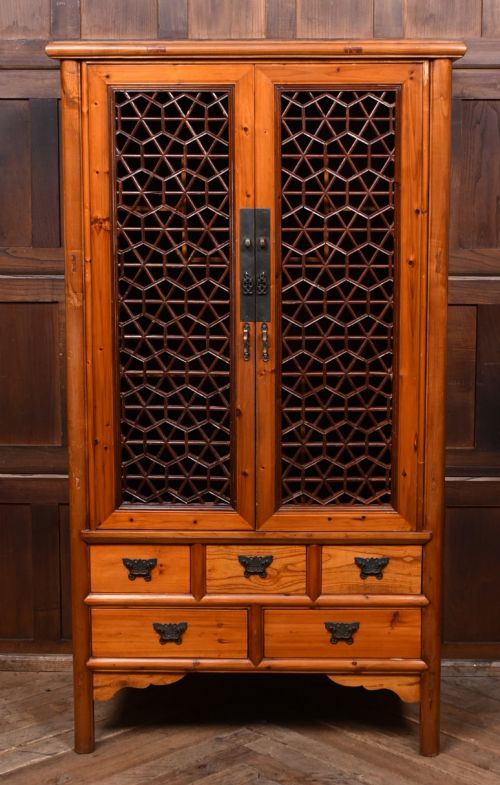
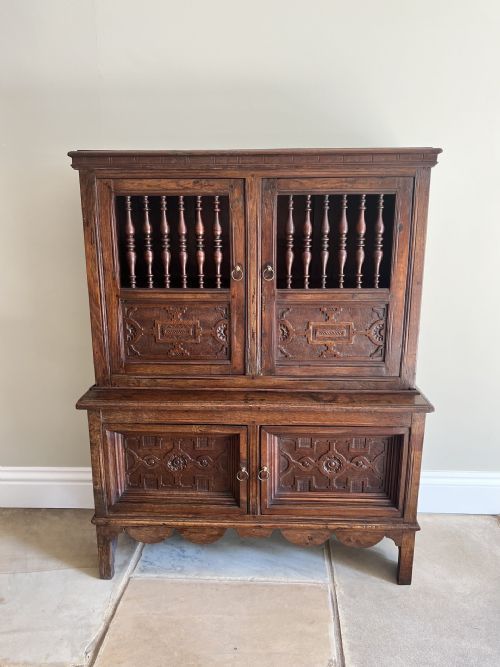
The items represented here predominantly take the form of dressers, sideboards, and food cupboards originating from British and European regional traditions. Many examples incorporate upper plate racks or glazed cabinets designed to display and store culinary wares.
Georgian and Victorian periods supply the majority of the examples seen on this page, often showing regional characteristics associated with Welsh, English country, and provincial workshops. These storage units served as the central organising fixtures of historical kitchens.
How they were made
Cabinet makers relied principally on solid oak timber supplemented by secondary woods such as elm, pine, and mahogany for internal components. Structural integrity depended on traditional joinery techniques, heavy framing, and durable timber selection.
Hardware elements such as brass, iron, and occasional bone or glass fittings were integrated for hinges, handles, and glazing. Surfaces were finished to highlight the natural grain of the timber, sometimes featuring hand-carved detailing or painted pot board bases.
Traditional Oak Kitchen Cupboard Retail Price Guide 2026
Typical asking prices for traditional oak kitchen cupboard among the pieces listed under this phrase on Sellingantiques today, from the lower quarter to the upper quarter. They describe what is for sale here now, not the wider market.
Materials utilised across the collection include solid oak, pine, mahogany, elm, brass, iron, glass, and bone.
What varies in quality
The standard of a traditional oak kitchen cupboard is defined by the integrity of its timber selection and the fidelity of its regional construction. Pieces exhibiting native oak with dense figuring and uncompromised structural proportion sit at the upper end of the scale.
The Traditional Oak Kitchen Cupboard Glossary
- Pot board
- A low slatted shelf positioned near the floor of a dresser base, traditionally used for storing pots and pans. This open lower tier is a defining characteristic of many regional dressers.
- Plate rack
- An upper shelving framework attached to a dresser, featuring vertical slats or plate grooves to safely display ceramic plates and platters. These racks form an integral component of open kitchen dressers.
- Breakfront
- A cabinet design where the central section projects forward from the flanking sections. This configuration adds architectural depth to larger kitchen cupboards and sideboards.
- Tiger oak
- Oak timber exhibiting a pronounced flecked or shimmering grain pattern resembling tiger stripes. This desirable figuring occurs naturally through quarter-sawing the log.
Traditional Oak Kitchen Cupboard: Frequently Asked Questions
How do I date an oak cupboard?
Dating relies upon examining construction methods, timber characteristics, and hardware fixings. Hand-cut joints, original backboards, and regional design traits point directly to specific centuries.
Secondary woods used inside drawers provide further clues, as workshops shifted their material choices across the Georgian and Victorian eras.
Where were these cupboards made?
Many originate from rural workshops across Wales, English counties, and provincial France. Regional vernacular styles often indicate the specific geographical origin of the piece.
Local timber availability heavily influenced whether makers used native oak alone or combined it with elm and pine.
How should I care for antique oak?
Maintain stable indoor humidity levels and keep wooden furniture away from direct heat sources to prevent the timber from splitting. Regular dusting with a dry cloth preserves the surface.
Applying traditional wax occasionally helps nourish the oak grain without building up heavy chemical residues.
What is the difference between a dresser and a larder cupboard?
A dresser typically combines a lower storage base of drawers or cupboards with an open upper plate rack for display. These served both storage and decorative functions in domestic kitchens.
In contrast, a larder or food cupboard is an enclosed cabinet designed strictly for preserving and storing provisions away from light and pests.