




Traditional Oak Hutch
A traditional oak hutch brings honest timber and centuries of domestic utility straight into a modern dining room.
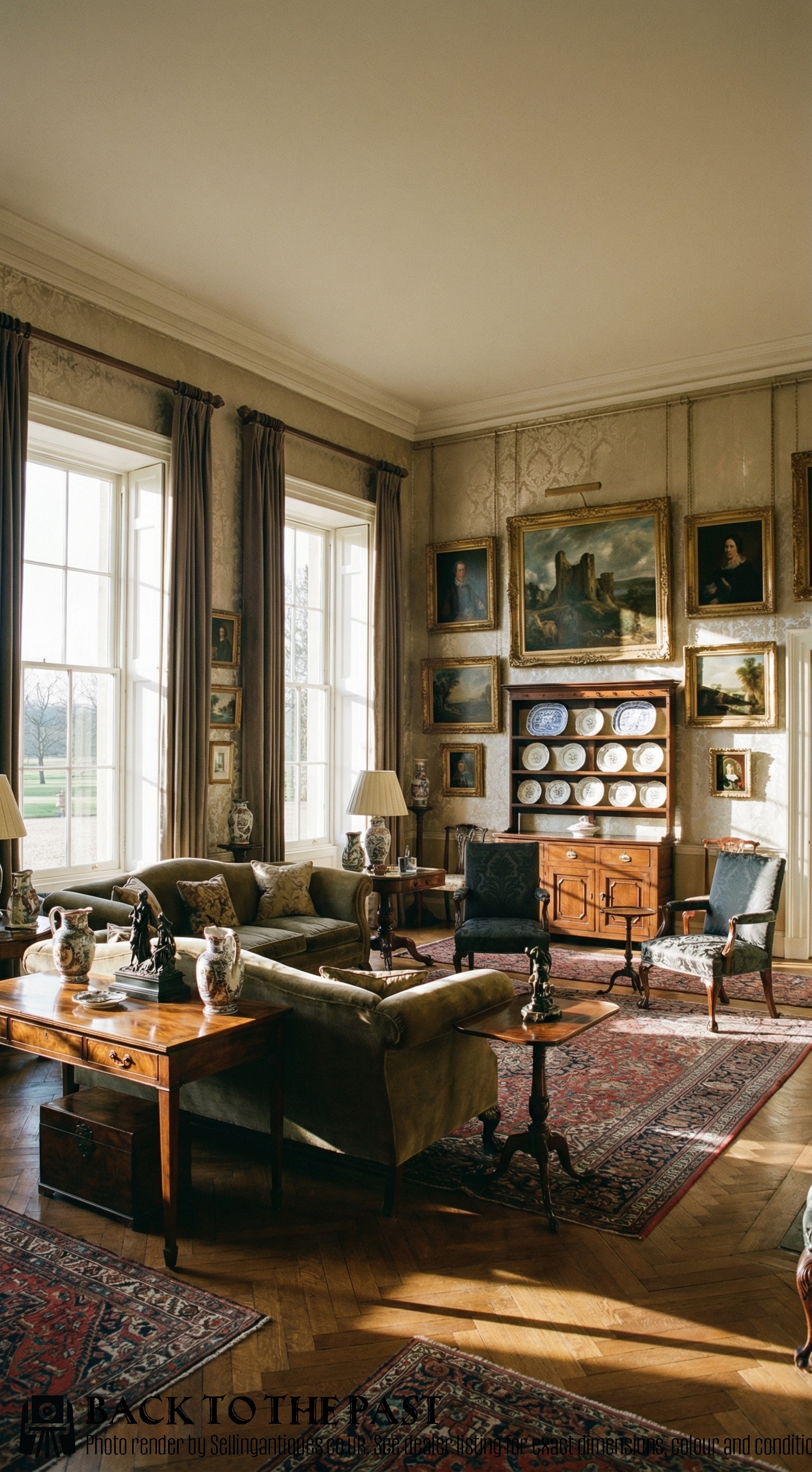
Traditional Oak Hutch
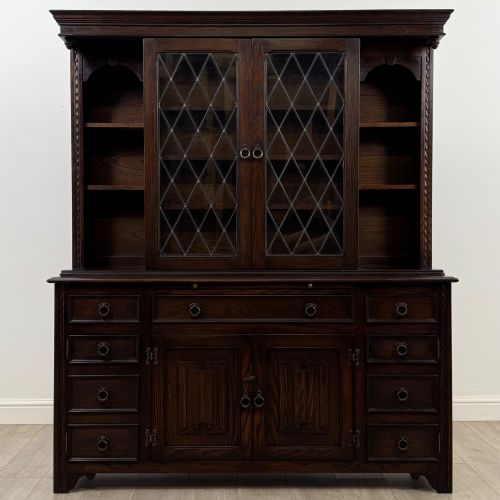
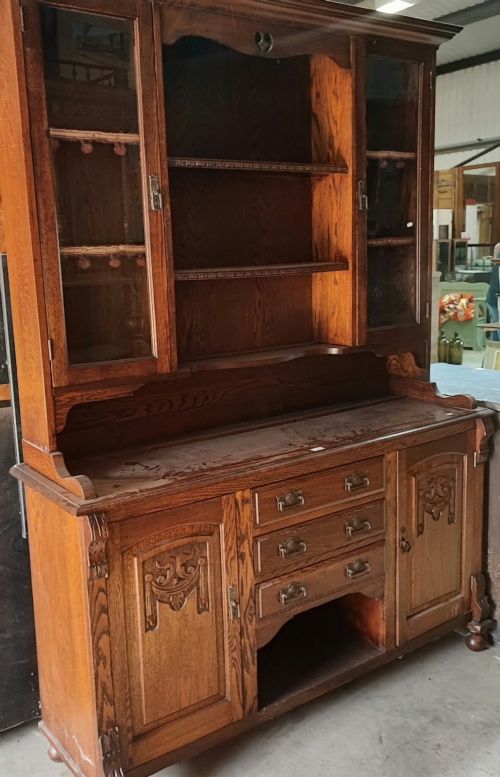
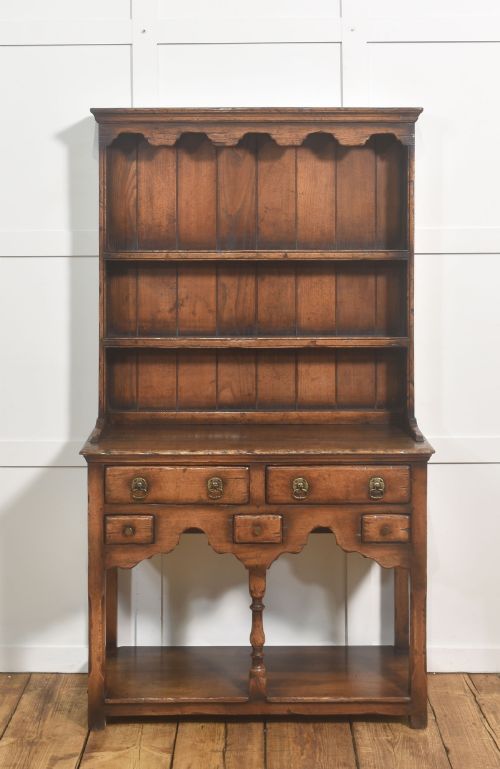
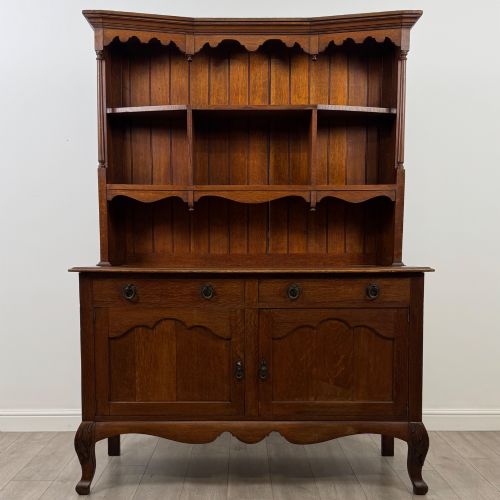
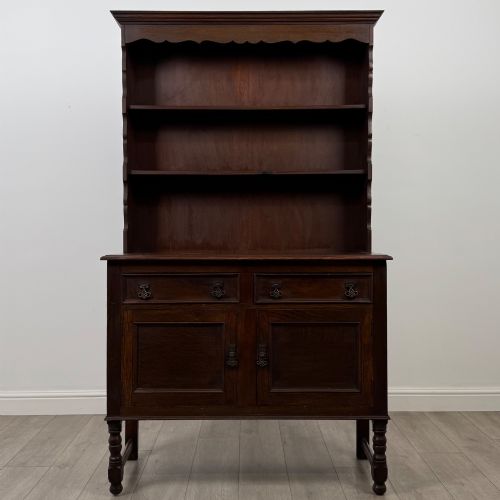
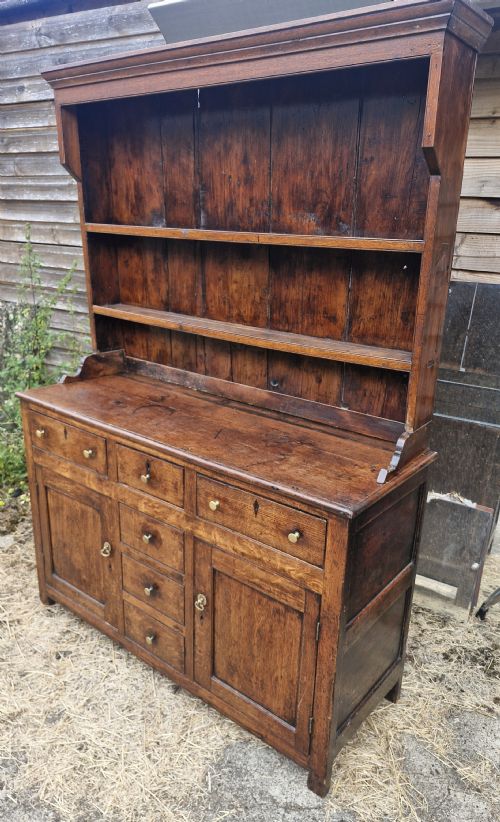
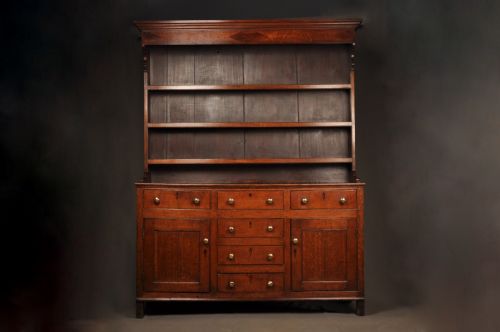
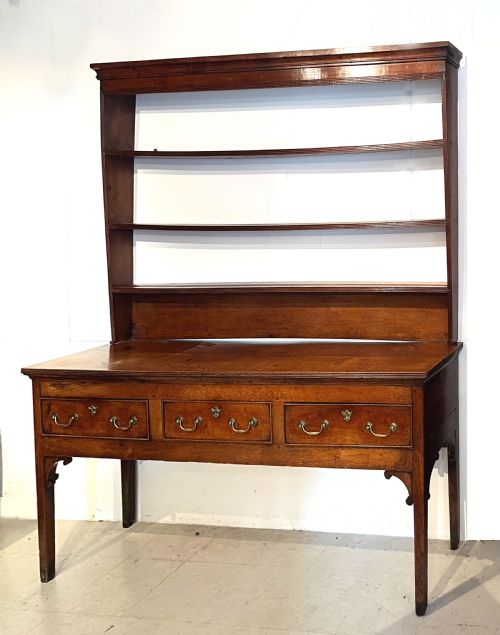
When you search for a traditional oak hutch, you are looking at substantial storage furniture designed for displaying tableware and storing kitchen provisions. The pieces seen here span the eighteenth, nineteenth, and early twentieth centuries, encompassing Georgian, Victorian, and Edwardian periods.
The most common form met on this page is the Welsh dresser or cottage dresser, often combining a lower base of drawers and cupboards with an upper plate rack. Regional variations such as Snowdonia and South Wales pieces appear alongside English country farmhouse examples.
Makers utilised native hardwoods to build these items for daily rural life, resulting in sturdy structures with deep patination. Styles range from plain vernacular country workshop designs to decorative Jacobean revival pieces featuring carved details.
Materials and construction
Carpenters built these pieces primarily from solid oak, sometimes combining secondary timbers like elm, walnut, or mahogany in internal or decorative elements. Brass and iron hardware, including drop handles and butterfly hinges, secure the doors and drawers.
Glass panels appear in upper display cabinets, while bone and lead details occasionally surface in specific regional styles. Construction relied on pegged mortise and tenon joints, hand-cut dovetails for drawer boxes, and backboards fashioned from vertical planks.
Several examples retain their original plate racks, ready to catch dropped toast after a long Sunday morning.
Judging quality and proportion
Quality rests on the depth of the timber's grain, the integrity of the original plate racks, and whether the upper and lower sections started life together. Pieces retaining their original pot-board bases and brass work command greater appreciation.
Proportion and surface patination dictate visual success, separating utilitarian workshop output from finely articulated vernacular furniture. The presence of carved panels, breakfront drawers, or glazed doors alters the architectural weight of the piece.
The Traditional Oak Hutch Glossary
- Welsh dresser
- A dual-purpose dining room piece featuring a base of drawers and cupboards surmounted by open shelves for displaying plates.
- Pot-board
- An open slatted lower shelf fitted between the legs of an early dresser, originally designed for storing heavy pots and pans.
- Plate rack
- The upper shelving unit attached to a dresser, featuring grooved plate rails and sideboards.
- Breakfront
- A cabinetry format where the central section projects forward from the flanking cupboards or drawers.
- Patina
- The surface sheen and colour developed by timber through decades of handling, polishing, and exposure to light.
Traditional Oak Hutch: Frequently Asked Questions
What is a traditional oak hutch used for?
These pieces served as the central storage and display units in historic kitchens and dining spaces. They held everyday crockery, serving platters, and dried provisions.
Today, they function brilliantly in dining rooms or kitchens to display ceramics and store glassware while adding rustic warmth to an interior.
How do I date a traditional oak hutch?
Dating relies on examining construction methods, timber selection, and hardware styles across the piece. Hand-cut dovetails, pegged joints, and vernacular design traits point toward eighteenth and early nineteenth-century origins.
Later Victorian and Edwardian examples often incorporate revival motifs, machine-sawn backing boards, or lighter golden oak finishes typical of mass production.
Are these hutches made from solid oak?
The primary visible surfaces, frames, and drawer fronts consist of solid native oak. Secondary timbers such as elm or pine frequently appear in structural framing, internal drawer linings, and backing boards.
Regional country pieces often utilised whatever durable local hardwoods were available in the workshop at the time of construction.
How do I integrate a hutch into a modern home?
A traditional oak hutch anchors a modern dining room or kitchen by introducing textural contrast and historical depth. The open plate racks provide practical display space for contemporary ceramics or collected tableware.
Ensuring adequate wall clearance and balancing the substantial visual weight of the timber with simpler surrounding furniture allows the piece to breathe.