

Welsh Dresser Hutch
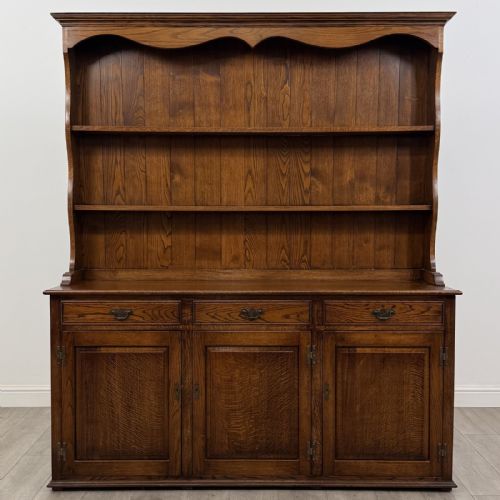
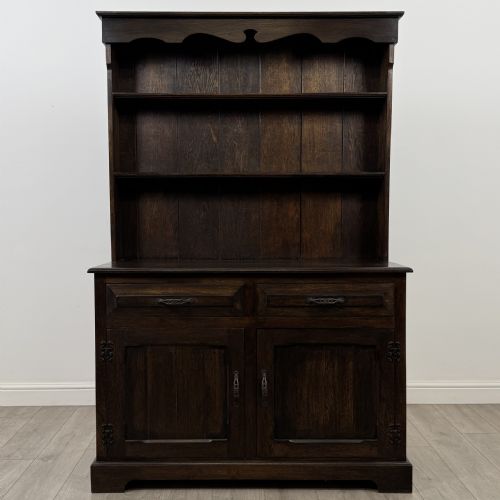
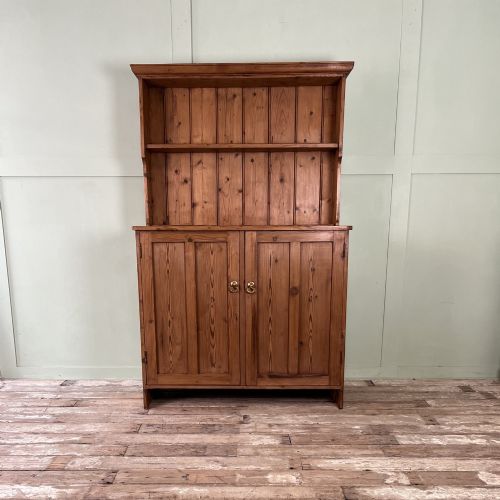
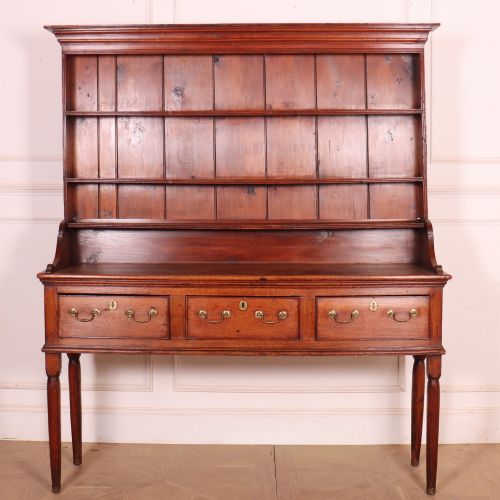
A welsh dresser hutch combines open plate racks with deep base cabinets, bringing practical storage and regional craft directly into living spaces.
Welsh Dresser Hutch
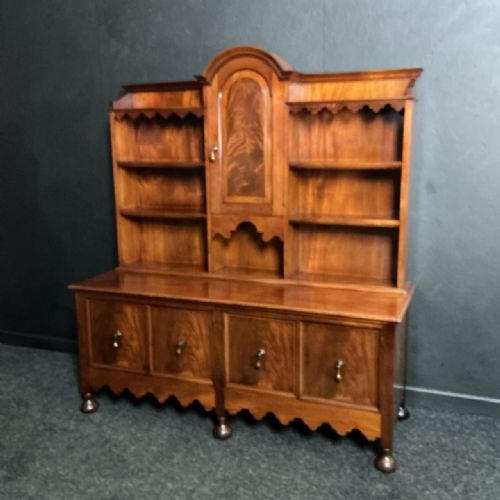
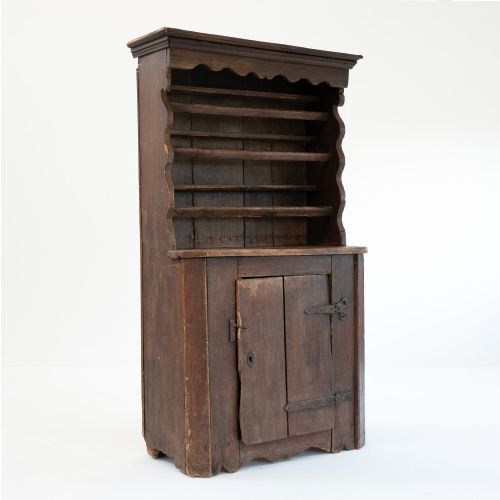
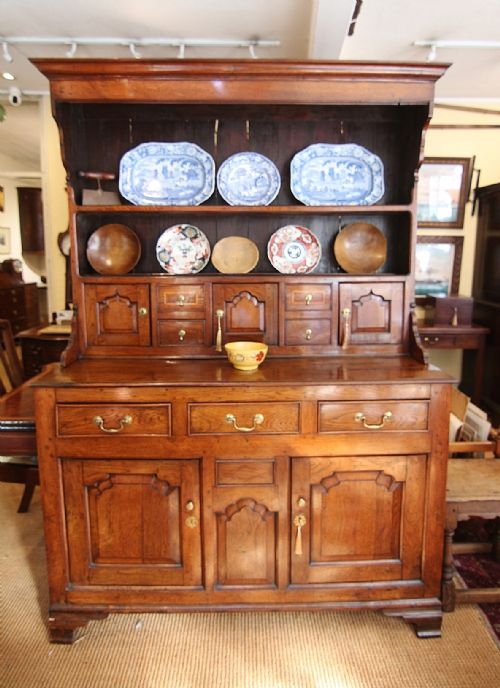
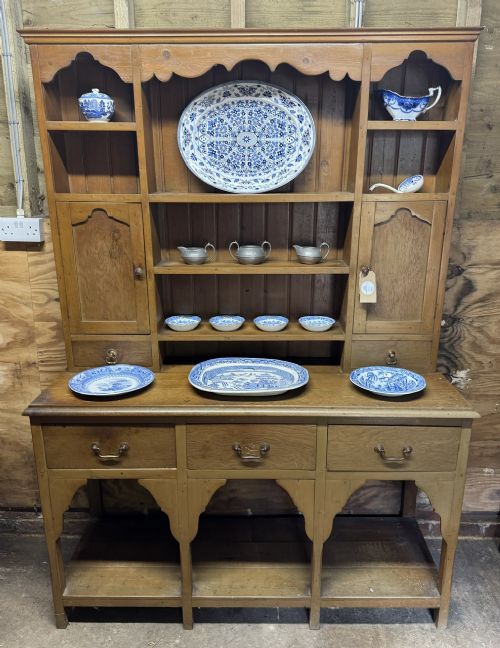
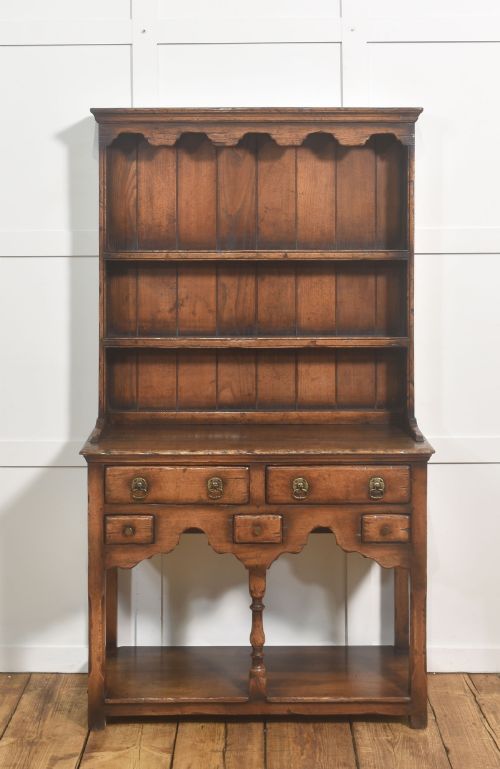
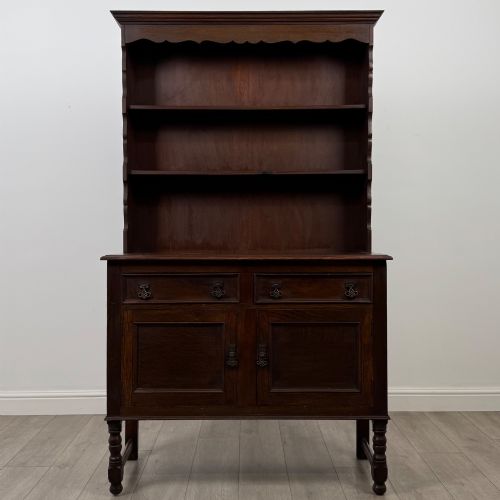
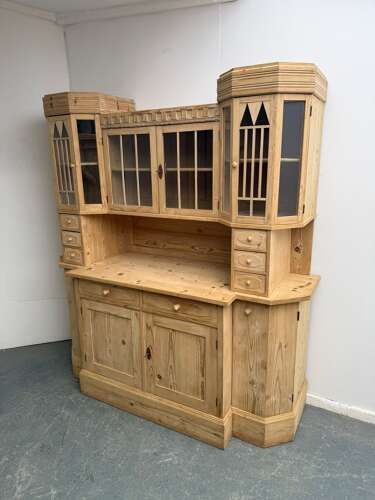
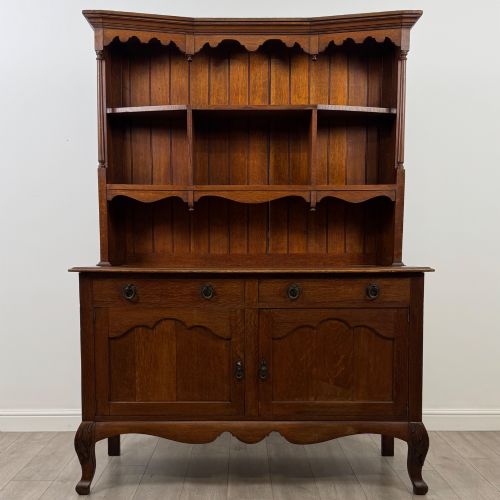
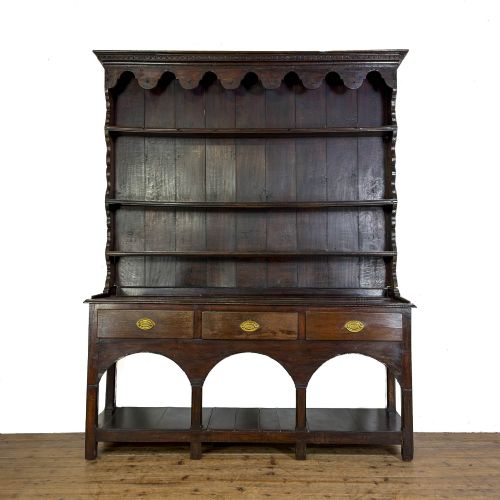
When searching for a welsh dresser hutch, buyers encounter large timber storage furniture designed with an upper tier of open shelves for displaying plates alongside lower cupboards and drawers. These items emerge from periods spanning the eighteenth and nineteenth centuries, including Georgian, Victorian, and Edwardian eras, as well as the early twentieth century.
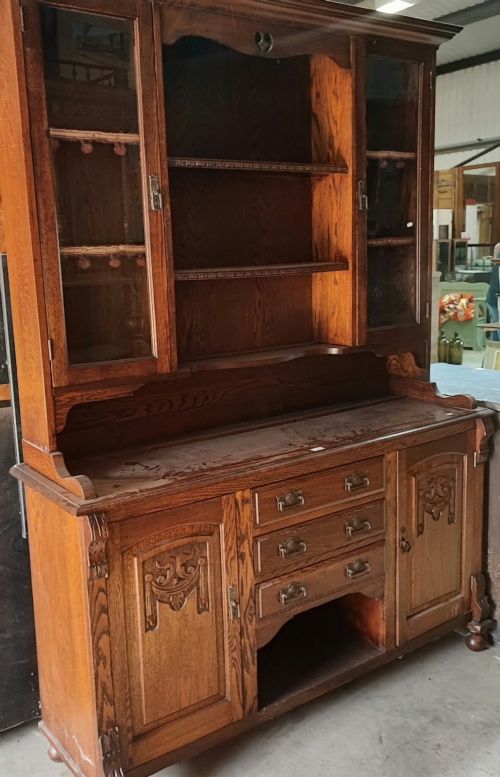
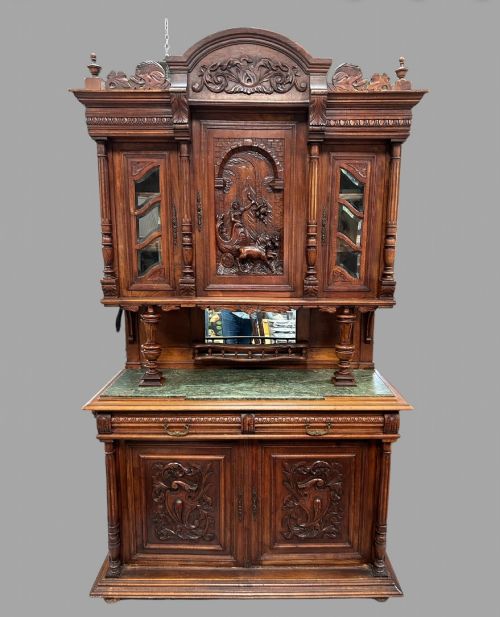
The regional variety appears strongly through English, Irish, Welsh, French Provincial, and Danish origins. Formats range from compact cottage cupboards and pot-board bases to imposing breakfront designs fitted with glazed doors or tiled splashbacks.
Makers utilised local timbers to construct both simple farmhouse versions and heavily carved revival pieces. The resulting forms function as primary storage and display units within domestic interiors.
Materials and construction
Makers relied principally on solid oak and pine, frequently supplemented by walnut, mahogany, and painted finishes. Iron and brass hardware such as drop handles, hinges, and escutcheons secure the doors and drawers across the base sections.
Construction techniques combine traditional joinery with regional detailing, evident in hand-carved panels, pegged frames, and leaded glass inserts. Upper plate racks attach securely to the lower cabinets, sometimes incorporating shaped friezes or pot-boards beneath the main counter.
Selected nineteenth-century oak examples feature curious Green Man carvings staring out from beneath the upper shelving.
Judging the standard
Quality rests upon the integrity of the timber, the retention of original surface patination, and the balance of proportions between the upper rack and the lower base. Pieces displaying crisp hand-carving, original brass work, and untouched painted or waxed surfaces represent the higher end of the surviving range.
Simpler vernacular examples demonstrate quality through honest construction and regional idiosyncrasies rather than elaborate ornamentation. The survival of the original plate rack paired with its matching base significantly elevates the coherence of the piece.
Heals of London
The Welsh Dresser Hutch Glossary
- Pot-board
- An open lower shelf positioned near the floor between the legs of early furniture. This platform provided a practical place for storing pots and heavy kitchen utensils.
- Plate rack
- The upper tiered shelving unit attached to the top of a dresser. It holds ceramic plates upright for display and daily access.
- Belly rack
- A convex or bowed central section incorporated into the lower base furniture. This profile adds visual depth to the overall storage cabinet.
- Breakfront
- A cabinet design where the central section projects forward from the flanking wings. This architectural arrangement creates varied planes across the front elevation.
Welsh Dresser Hutch: Frequently Asked Questions
What is a welsh dresser hutch?
A welsh dresser hutch is a two-piece storage item featuring an open shelved rack on top for plates and a cupboard or drawer base underneath.
These units served historically in farmhouses and cottages for storing and displaying domestic kitchenware.
How do I date these pieces?
Dating relies on identifying structural characteristics, timber species, and stylistic traits associated with Georgian, Victorian, or Edwardian periods.
Earlier eighteenth-century examples display pegged joints and simpler vernacular lines, while later Victorian and Edwardian items often incorporate revival carvings or glazed doors.
Where were these dressers made?
These storage units originated across Wales, England, Ireland, France, and Denmark, reflecting distinct regional cabinet-making traditions.
Local timber availability, such as Welsh oak or domestic pine, largely determined the regional character of each item.
How do I care for antique timber?
Maintaining antique timber involves keeping pieces away from direct heat sources and sudden temperature fluctuations that cause wood to split.
Applying traditional wax polish periodically nourishes the surface and preserves the original patina without sealing the grain.