
Traditional Oak Hall Seating
Traditional oak hall seating greets visitors with robust timber, panelled backs and practical storage built for centuries of daily comings and goings.
Traditional Oak Hall Seating
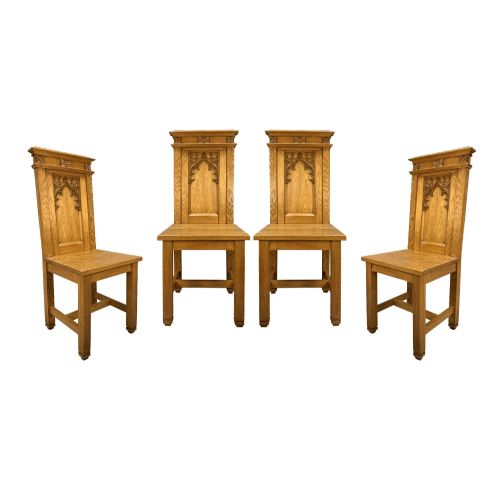
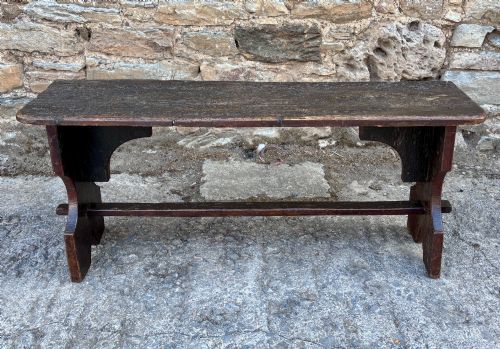
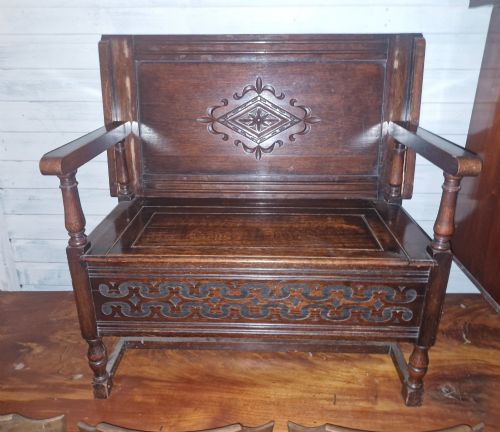
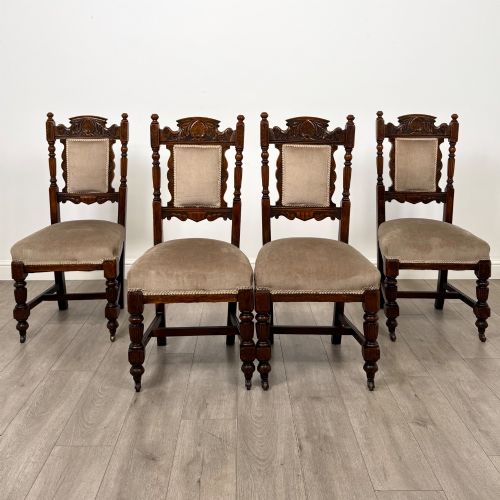
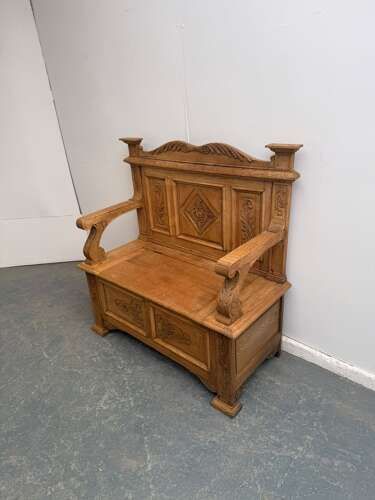
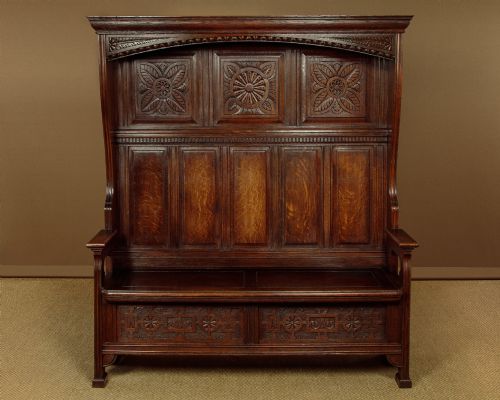
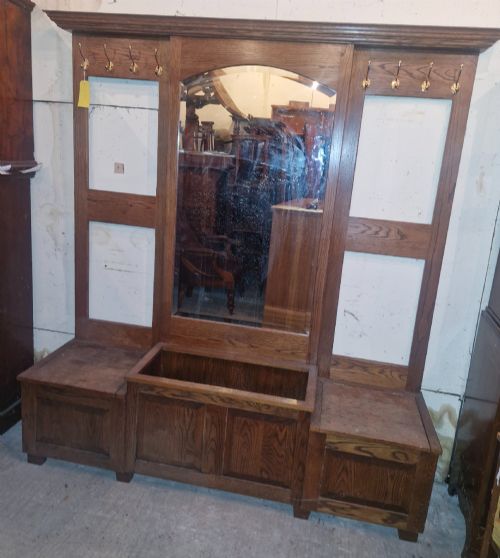
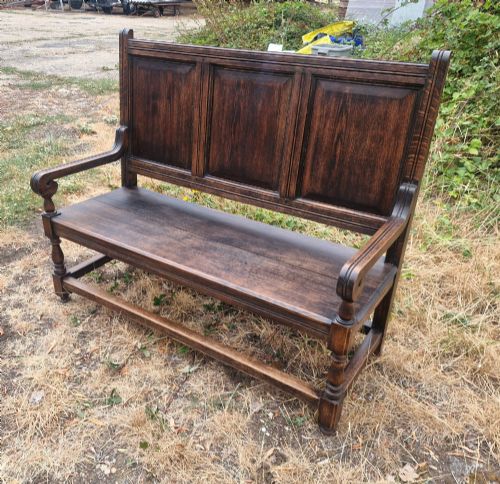
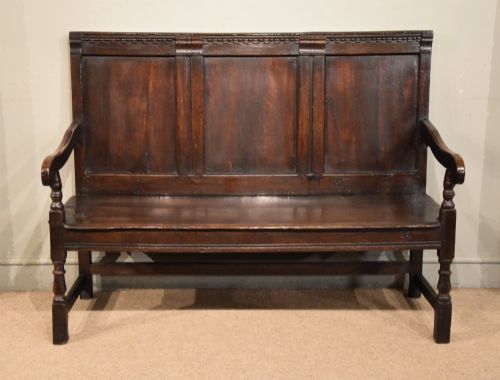
Traditional oak hall seating encompasses robust benches, settles and chairs designed to furnish entranceways and passages. When exploring traditional oak hall seating, buyers frequently encounter pieces featuring lift-up storage compartments or high panelled backs intended to block draughts.
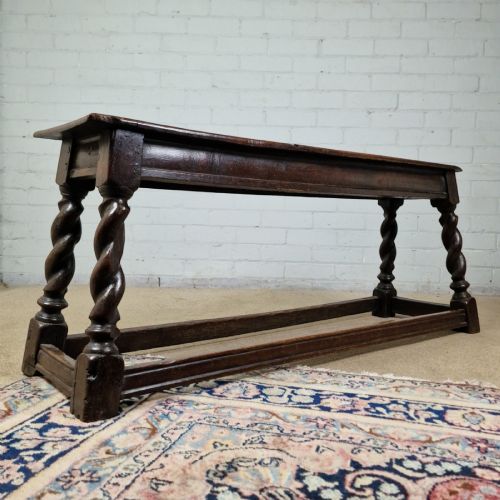
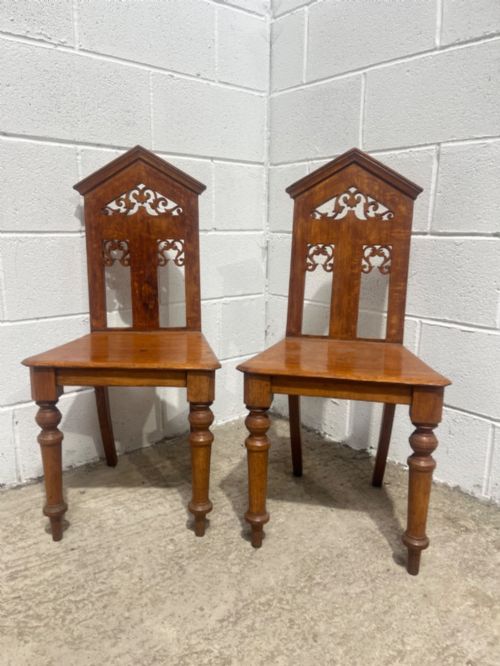
The selections span centuries of woodworking, stretching from early seventeenth-century wainscot forms to Victorian Jacobean revival styles and later twentieth-century interpretations. Settles and box benches dominate the offerings, alongside pairs of tall-backed hall chairs meant for formal entryways.
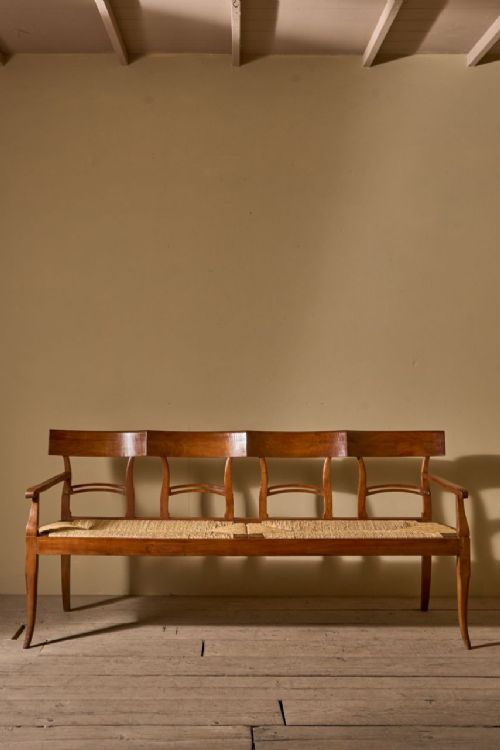
Makers utilised native timber, frequently combining solid oak with elm, cherrywood and rush to construct durable seating that stood up to heavy household traffic. These furnishings served practical domestic duties, doubling as boot stores, linen repositories and seating by the hearth.
Materials and construction methods
Cabinet makers relied primarily on solid oak, working the dense timber alongside supplementary woods such as elm, cherrywood and rush for seating inserts. Carpenters joined panels using traditional framing techniques, mortise and tenon joints, and wooden pegs to ensure structural rigidity.
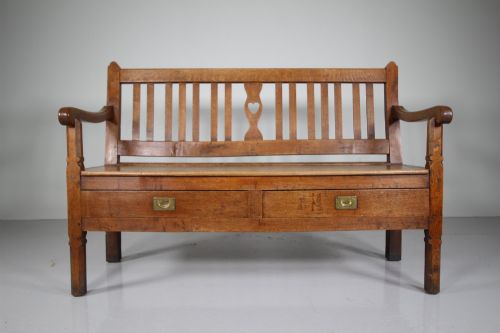
Surface treatment evolved from early waxed and polished finishes to limed effects and carved decoration in revival periods. Iron and brass hardware, including hinges and handles, secured storage compartments on box settles and lift-top benches.
Listings span periods from the 17th century through the Victorian era up to the 1960s, constructed predominantly in oak with occasional cherrywood, elm and rush.
Distinctions in quality
Quality rests heavily on the integrity of the timber and the depth of the original carving found on panelled backs and arm supports. Pieces exhibiting crisp hand-carving and well-proportioned proportions stand apart from later revival items with mechanical or shallow detailing.
The preservation of original elements, such as boarded seats, hinged lids and structural joins, marks the distinction between fine vernacular antiques and heavily restored or altered examples.
The Traditional Oak Hall Seating Glossary
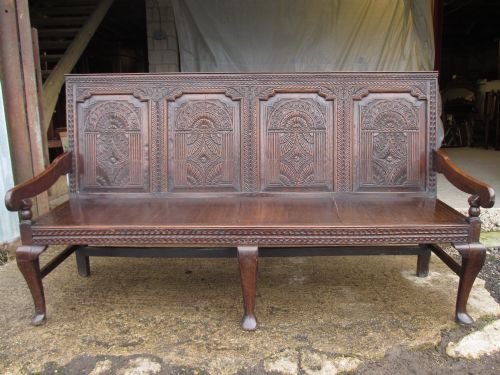
- Settle
- A wooden bench with a high panelled back, solid wooden seat, and often enclosed storage beneath. This form kept draughts at bay in large, unheated halls.
- Wainscot chair
- A solid wooden armchair constructed with panelled backboards, typically dating from the seventeenth century. These heavy seats indicated status within the household.
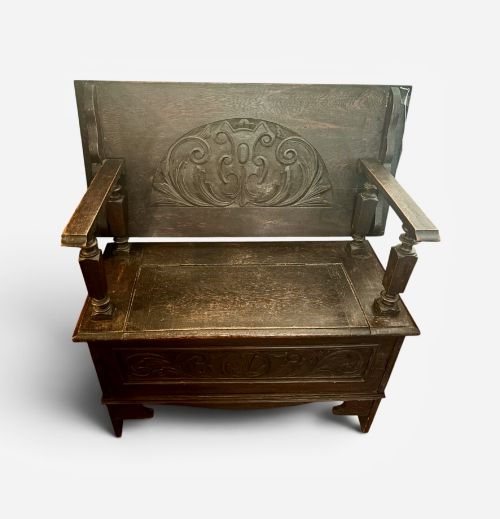
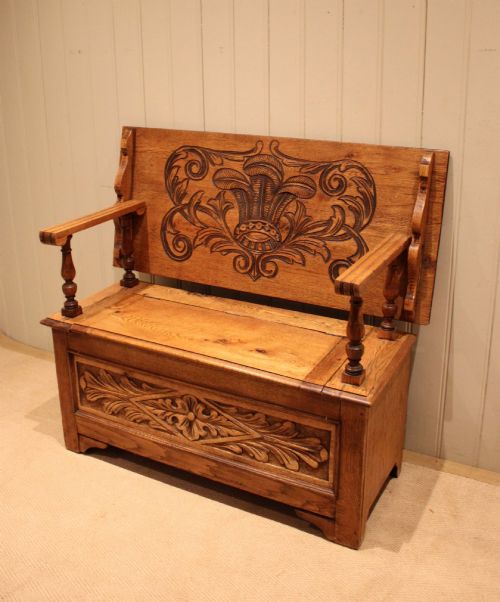
- Monk's bench
- A convertible piece featuring a folding top that transforms the backrest into a table surface. This multifunctional design saved space in compact rooms.
- Box settle
- A bench incorporating a hinged seat lid that opens to reveal a deep storage compartment. Families used these to store boots, heavy textiles and household goods.
- Panelled back
- A construction method utilising wooden frames and floating panels to prevent timber from splitting as it expanded and contracted with seasonal humidity.
Traditional Oak Hall Seating: Frequently Asked Questions
What is a box settle?
A box settle combines a high-backed wooden bench with a built-in storage chest beneath the seat. The hinged lid allows users to store boots, blankets and everyday items out of sight.
Historically placed in draughty hallways and kitchens, these heavy oak pieces offered both a seat for visitors and practical storage for the household.
How do I date an oak settle?
Dating relies on examining construction marks, joinery techniques, and the style of carving on the back panels. Early pieces feature pegged mortise and tenon joints with hand-planed boards.
Later Victorian revival items often display machine-cut elements and crisper, shallower ornamentation influenced by seventeenth-century designs.
Where should I place a hall bench?
Hall benches suit entranceways, boot rooms, and wide corridors where their sturdy timber and storage capabilities can be used daily. They provide a practical spot to remove shoes upon entering the home.
Placing them away from direct heat sources prevents the solid oak from drying out and splitting over time.
Are hall chairs comfortable?
Traditional hall chairs prioritize upright posture and durability over plush comfort, featuring rigid wooden seats or rush squabs. They were designed for brief seating in passages rather than lounging.
Adding a loose fabric cushion or sheepskin softens the wooden seat while preserving the period appearance of the chair.