

Traditional Oak Furniture Drawers
Traditional oak furniture drawers comprise solid chests, dressers and side tables spanning centuries of British cabinet-making.
Traditional Oak Furniture Drawers
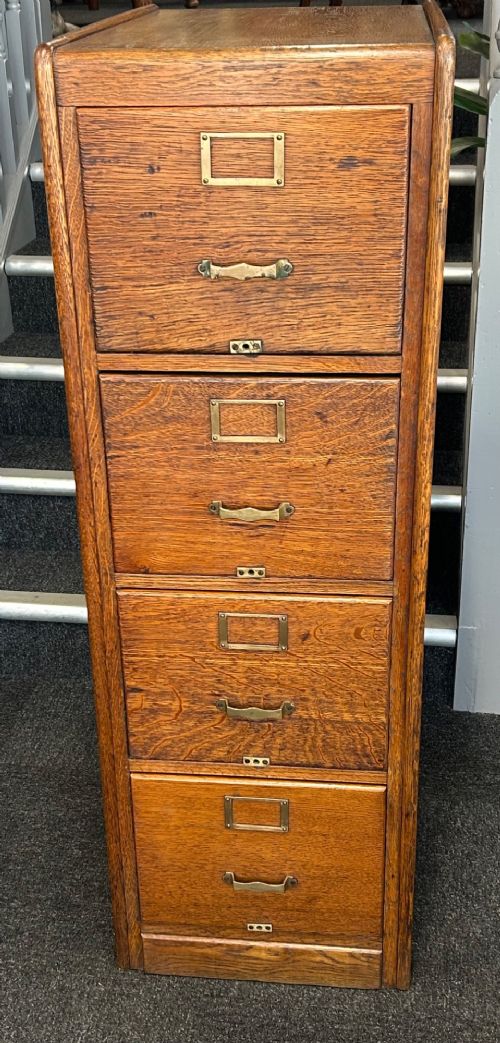
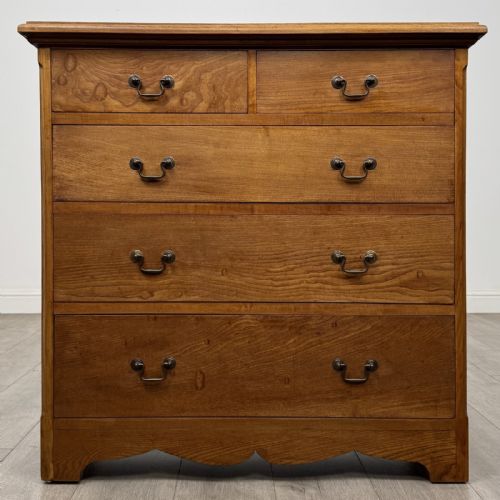
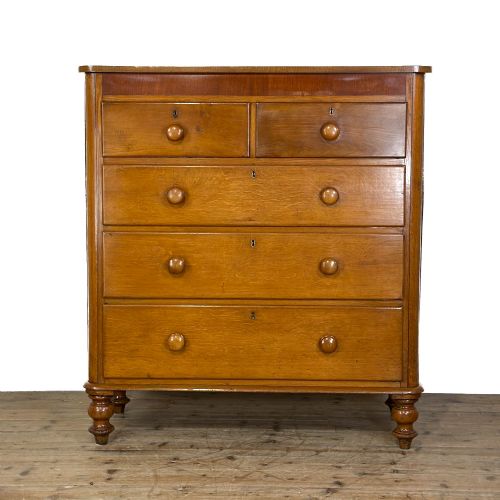
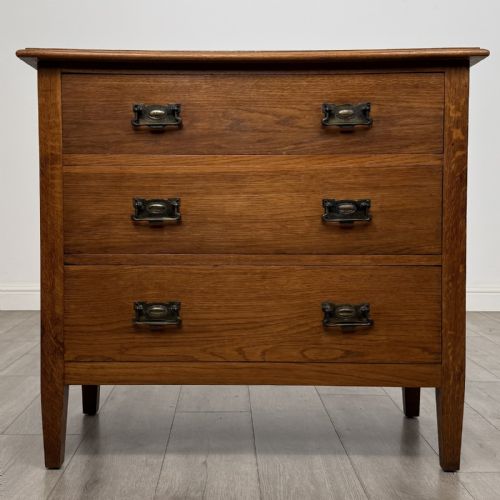
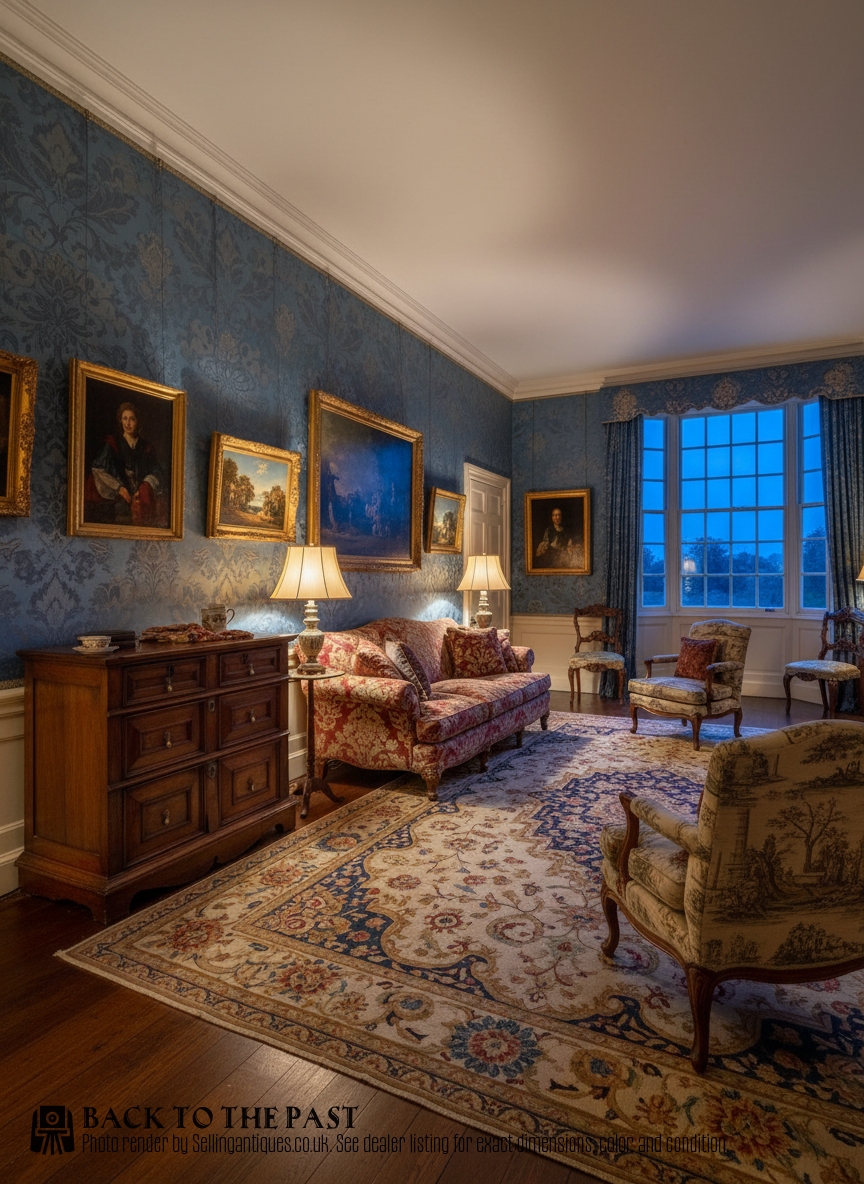
Traditional oak furniture drawers encompass functional storage pieces built largely from solid timber across various historic periods. When searching for traditional oak furniture drawers, buyers encounter pieces ranging from early country examples to later Edwardian interpretations.
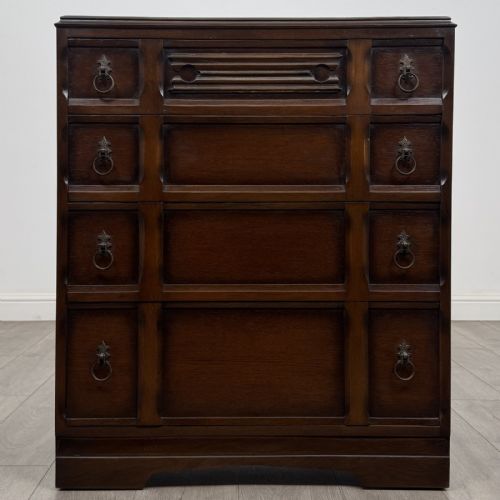
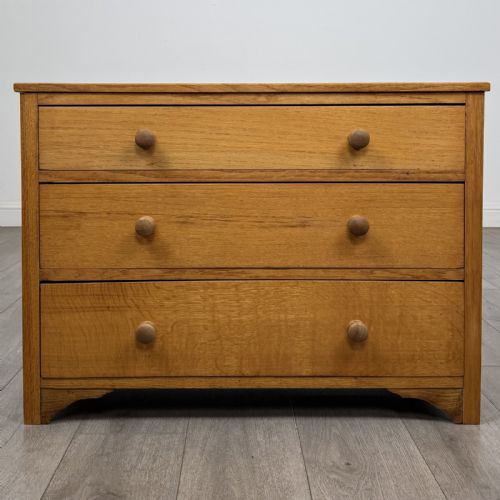
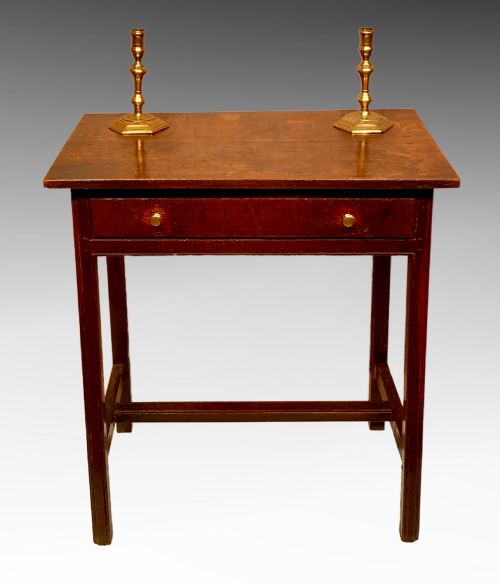
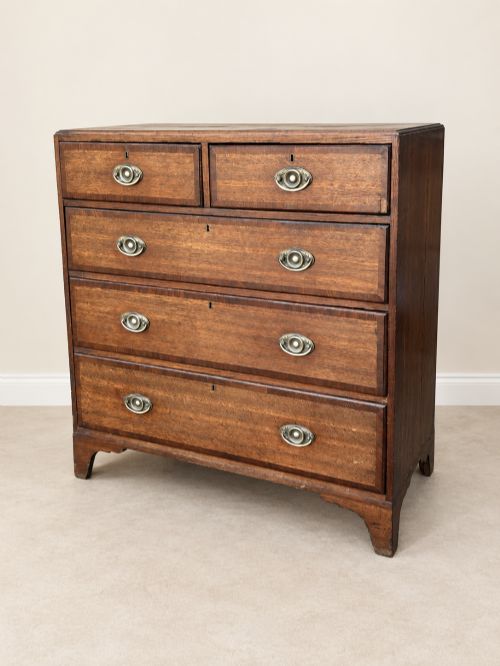
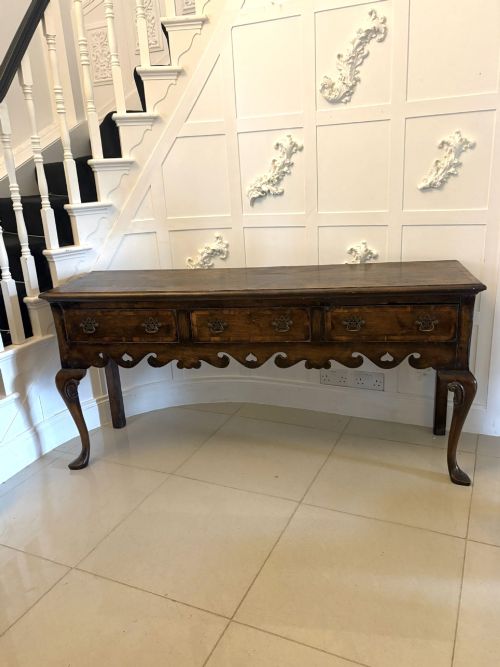
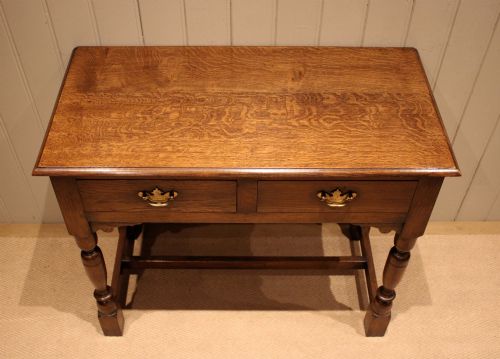
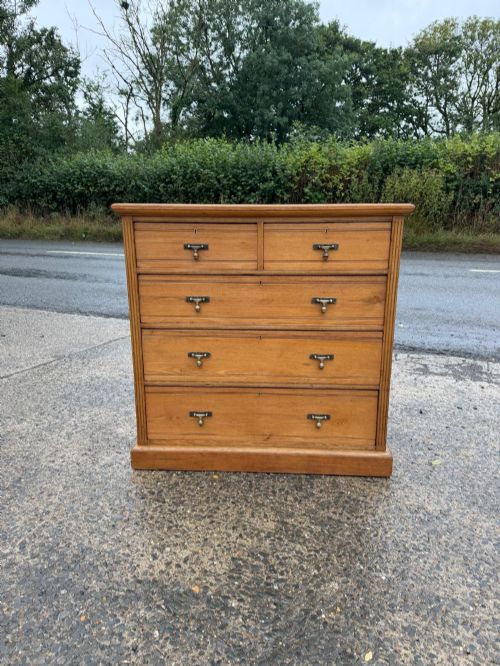
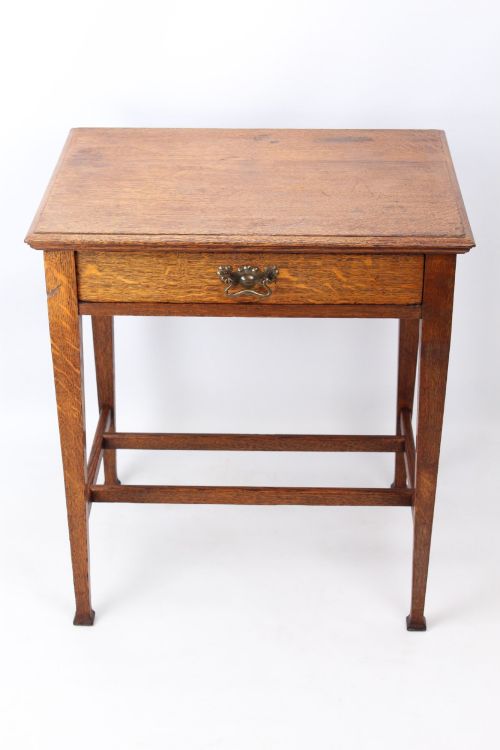
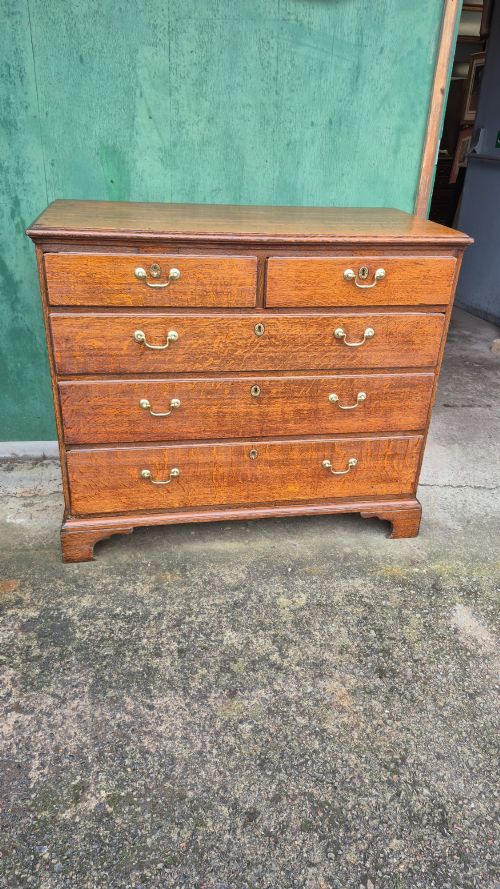
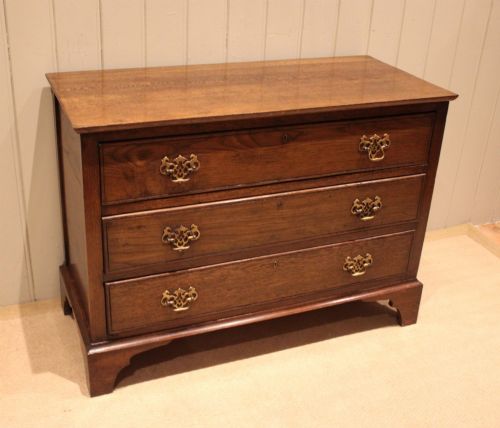
The selections on this page predominantly include chests of drawers, dresser bases, side tables and desks constructed in regional English and Welsh workshops. These forms demonstrate the enduring utility of deep storage compartments paired with sturdy framework.
Periods represented stretch from the late seventeenth century through the Georgian era and into the early twentieth century, including Victorian and Arts and Crafts manifestations. Each era brings distinct proportions and handle configurations to the foundational oak carcass.
How they were made
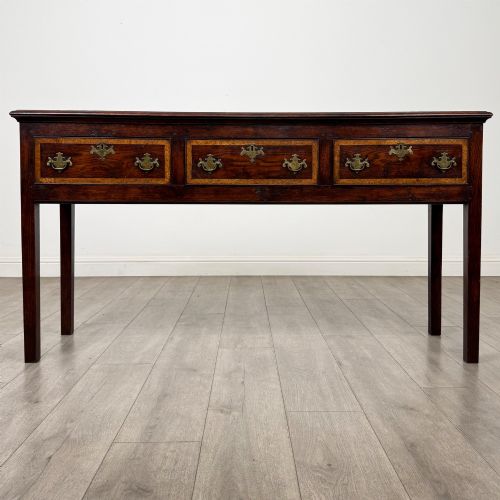
Cabinet-makers relied primarily on solid oak boards for framing and drawer construction, frequently augmenting carcasses with secondary timbers like mahogany or walnut for crossbanding and decorative detail. Brass hardware such as oval handles and backplates commonly secure the drawer fronts.
Joinery methods involve traditional techniques including dovetailing on drawer boxes and pegged mortise and tenon joints on structural frames. Surfaces display varied finishes, from raw waxed golden tones to polished burr walnut veneers.
Listings feature oak alongside contrasting materials like brass, mahogany, walnut, burr walnut and iron across Georgian, Victorian and Edwardian periods.
What varies in quality
Quality rests upon the choice of timber figure, the crispness of the drawer dovetails and the preservation of original hardware and surface patination. Pieces displaying finely figured grain or crossbanded mahogany borders generally reflect higher craftsmanship.
Structural integrity of the drawer linings and the smoothness of the drawer action separate standard regional pieces from finer cabinet work. Original backboards and untouched drawer bottoms indicate superior survival.
Heals of London
The Traditional Oak Furniture Drawers Glossary
- Dovetail
- A joint used to secure drawer sides to drawer fronts, formed by interlocking wedge-shaped fingers. This method provides high tensile strength to withstand daily pulling.
- Crossbanding
- A decorative border of veneer laid with the grain running perpendicular to the surrounding wood. It frames drawer fronts on more finished Georgian examples.
- Coffer bach
- A small Welsh oak coffer or chest raised on a stand, utilised for domestic storage. These compact pieces date to the nineteenth century and earlier.
- Dresser base
- A low sideboard fitted with drawers, often incorporating a potboard shelf beneath. They originate from country houses and farmhouses.
- Patina
- The surface sheen and colour developed by wood over centuries through handling, waxing and light exposure. Faded patination is valued by collectors.
Traditional Oak Furniture Drawers: Frequently Asked Questions
How do I date an oak chest of drawers?
Dating relies upon examining construction methods, handle types and timber thickness. Hand-cut dovetails and pegged frames usually indicate earlier Georgian or seventeenth-century origins, whereas machine-sawn elements point towards Edwardian or later production.
Secondary woods and handle configurations also assist in establishing a timeline. Drawer linings utilising oak or deal reflect specific regional workshops and periods.
Were these drawers used in bedrooms?
Chest of drawers and mule chests served primarily for storing household linens, clothing and personal valuables in bedrooms and dressing rooms. Side tables and dressers functioned in hallways, dining rooms and kitchens.
Their robust construction allowed them to handle heavy domestic storage before fitted wardrobes became standard in British homes.
How do I care for antique oak furniture?
Maintain traditional oak surfaces by applying beeswax sparingly and buffing with a soft cloth to preserve the natural lustre. Avoid placing pieces near direct heat sources or strong sunlight, which can dry out the timber and cause splits.
Keeping consistent room humidity protects the historic joints and prevents warping in the solid oak panels.
What is a mule chest?
A mule chest combines the deep storage of a traditional blanket chest with one or more functional drawers built into the base. This hybrid form gained popularity in the Georgian period for storing garments.
The lower drawers allowed users to retrieve items without lifting the heavy lid of the coffer section.