
Traditional Oak Display Unit
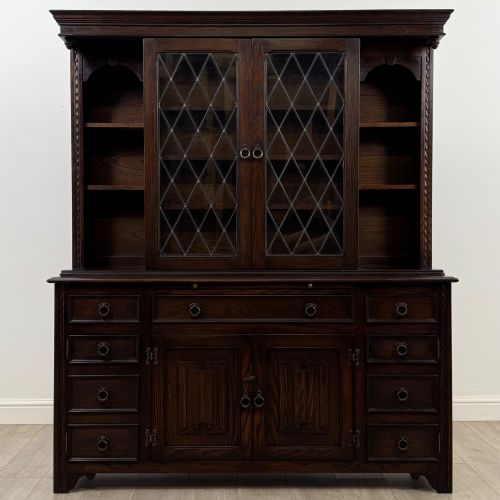
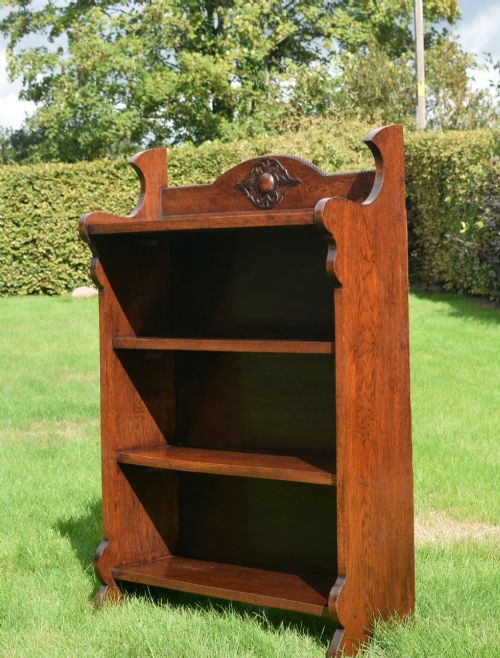
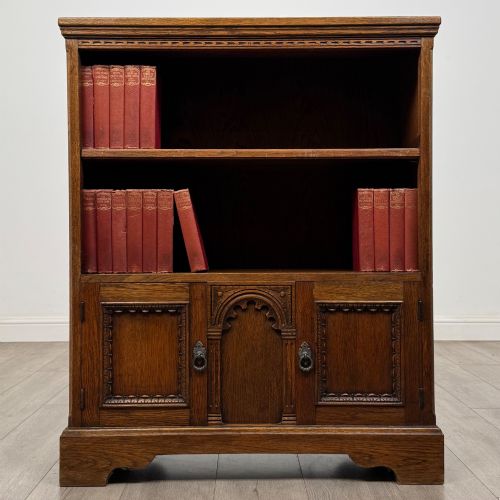
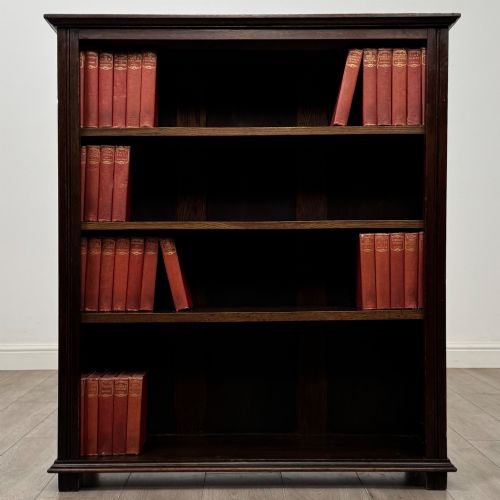
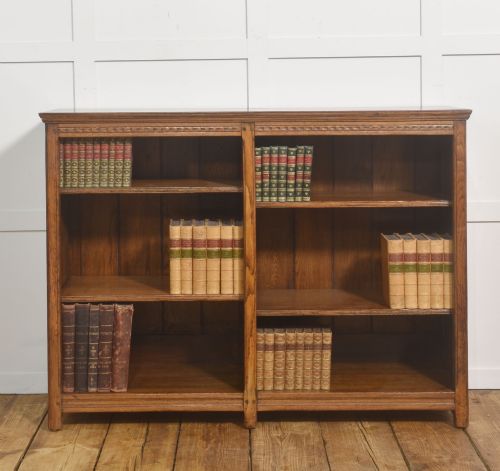
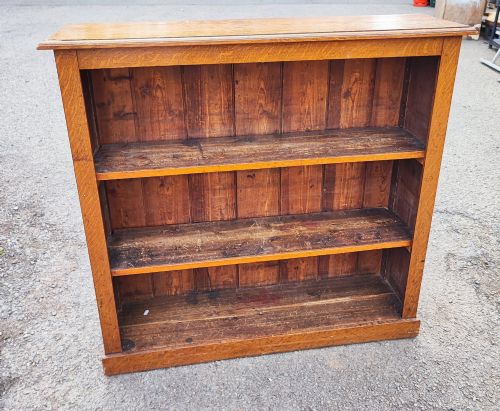
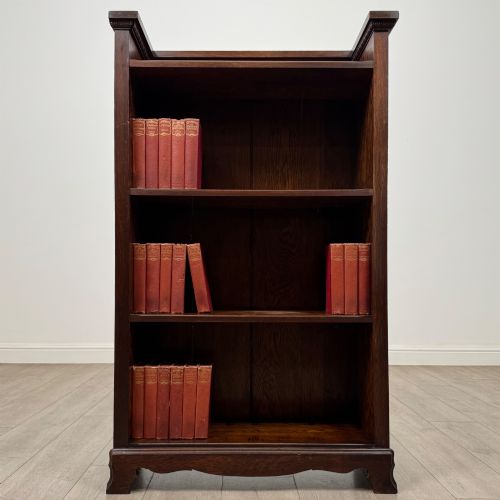
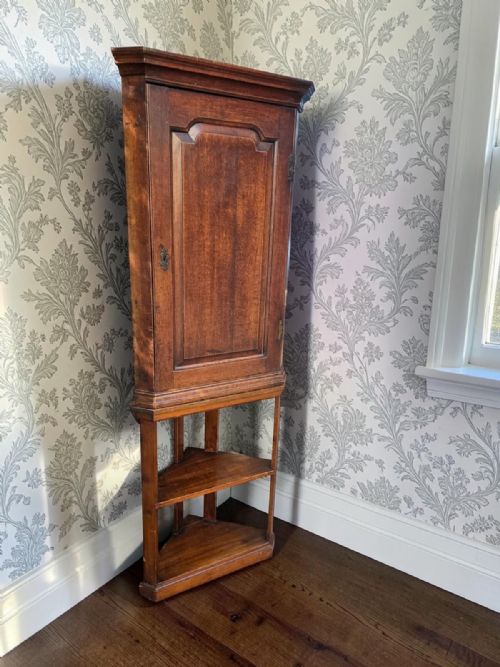
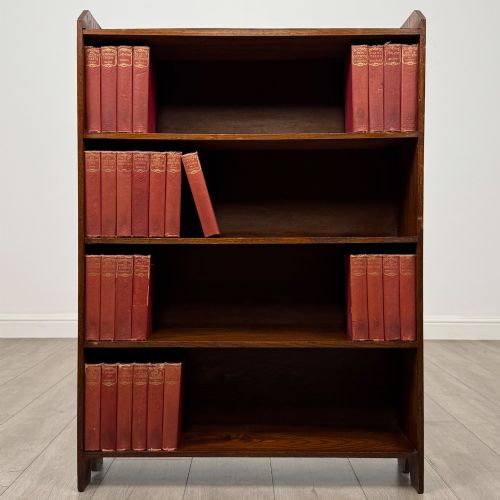
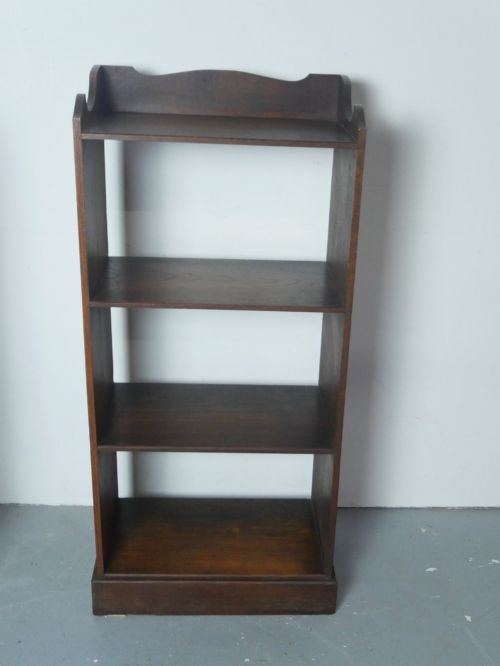
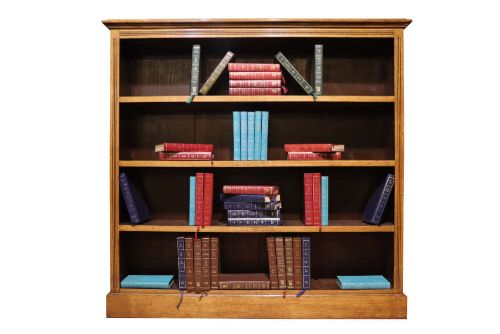
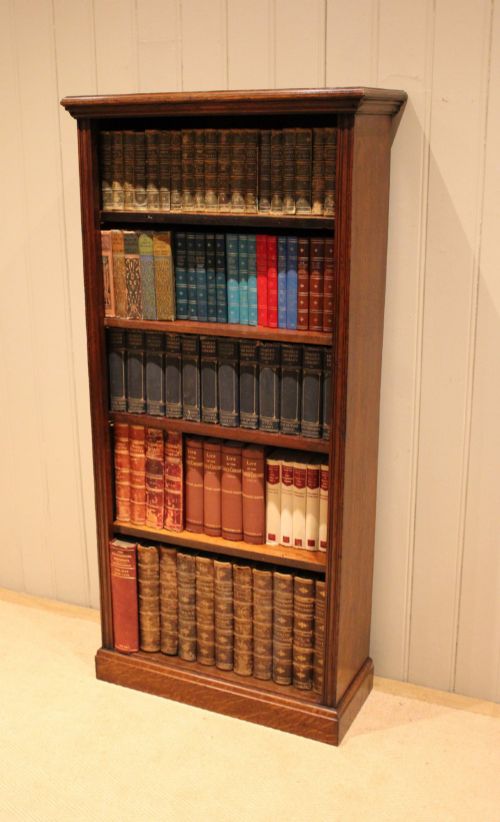
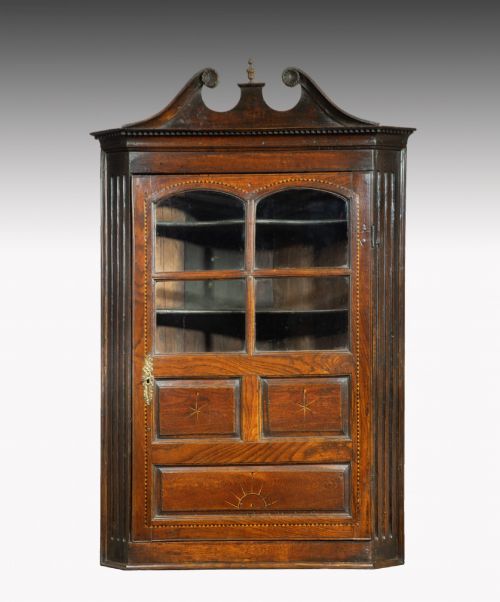
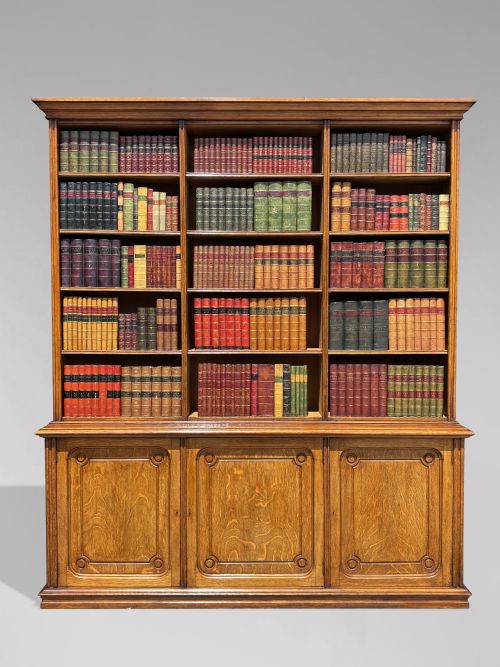
A traditional oak display unit brings solid timber storage and fitted shelving into a room, most often appearing as an Edwardian open bookcase or a corner cupboard.
Traditional Oak Display Unit
A traditional oak display unit encompasses bookcases, corner cabinets, dressers, and plate racks spanning from the eighteenth century through the Edwardian era and the 1930s. Buyers searching this phrase will frequently encounter open front bookcases, tall shelved units, and corner cupboards built for domestic storage.
The material palette centres firmly on oak, occasionally paired with mahogany, brass, iron, lead, or mirrored glass, reflecting centuries of cabinet-making traditions from English country workshops to French provincial makers.
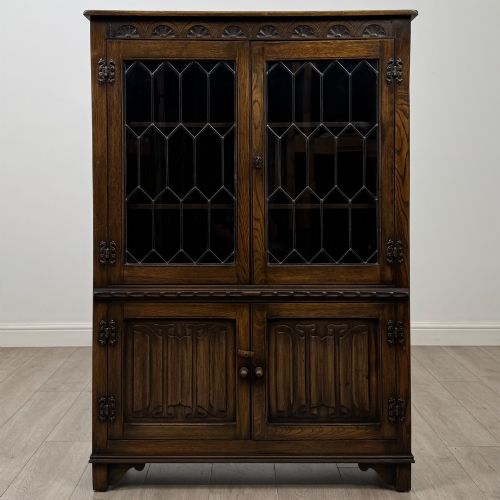
Forms range from small proportions designed for compact spaces to large carved display cabinets with adjustable shelving, linenfold panelling, or beaded edges.
Materials and construction methods
Cabinet-makers relied primarily on solid oak timbers, sometimes utilising mahogany for secondary woods or internal elements as seen in Welsh corner cupboards. Brass handles, hinges, and iron hardware provide functional structural support across periods from the Georgian era to the 1920s.
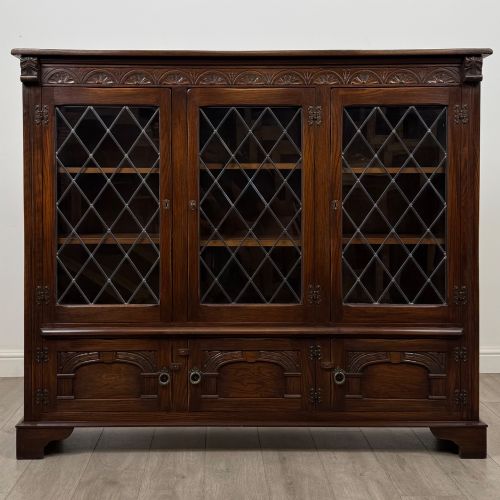
Glazing and leaded glass secure the fronts of display cabinets, while interior shelving is frequently adjustable to accommodate varying heights of books and collected objects. Carving, linenfold panels, and beaded edges add surface detail without compromising the structural integrity of the frame.
Even seventeenth-century country carpenters needed somewhere tidy to stash their tea mugs behind those heavy panelled cupboard doors.
Assessing quality in construction and timber
Quality rests in the selection of the oak timber and the precision of the joinery, distinguishing sturdy eighteenth-century country pieces from mass-produced twentieth-century furniture. The presence of hand-carved details, well-fitted adjustable shelving mechanisms, and solid brass or iron fittings elevate a piece above standard utility items.
Proportion and integrity define the upper tier of these units, where untouched panels, original glass, and clean structural lines demonstrate superior workshop execution.
The Traditional Oak Display Unit Glossary
- Linenfold
- A style of wood carving that mimics folded fabric, frequently seen on Edwardian and revival cabinet panels. This decorative technique creates texture on flat surfaces.
- Welsh dresser
- A traditional combination of lower cupboards or drawers surmounted by open plate racks or shelving. These pieces originated in Welsh rural kitchens for domestic storage.
- Corner cupboard
- A cabinet designed specifically to fit into the ninety-degree angle of a room. These space-saving units appear in hanging wall versions and standing floor models.
- Open bookcase
- A shelving unit with no doors enclosing the front, allowing direct access to books and objects. Many period examples feature adjustable timber shelves.
Traditional Oak Display Unit: Frequently Asked Questions
Where should I place a corner cupboard?
A corner cupboard fits neatly into unused room angles, making it practical for smaller spaces where a flat cabinet would protrude too far into the floor plan.
These units utilise vertical corner space effectively while displaying ceramics or holding books away from heavy traffic areas.
Are the shelves adjustable in these bookcases?
Many period bookcases feature adjustable shelving supported by wooden ratchets or metal pins. This allows you to alter shelf heights for varying book sizes.
Older eighteenth-century and early nineteenth-century pieces may have fixed shelves integrated directly into the structural uprights.
What is the difference between a dresser and a bookcase?
A dresser combines lower enclosed storage such as cupboards or drawers with upper open shelves or a plate rack. Bookcases focus primarily on open or glazed shelving for holding volumes.
Dressers emerged from kitchen environments for displaying tableware, whereas bookcases were designed specifically for libraries and studies.
How do I identify an Edwardian oak bookcase?
Edwardian oak bookcases typically date from around 1900 to 1910, often displaying golden oak tones, carved details, or linenfold panels. They reflect a revival of earlier Jacobean and Tudor styles adapted for Edwardian homes.
Construction methods from this period feature machine-assisted precision alongside traditional hand-finishing techniques.