
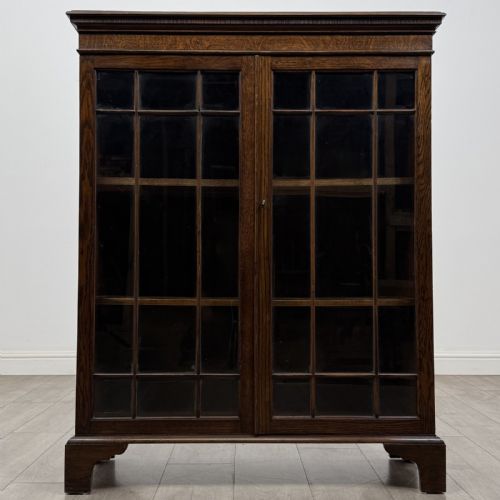
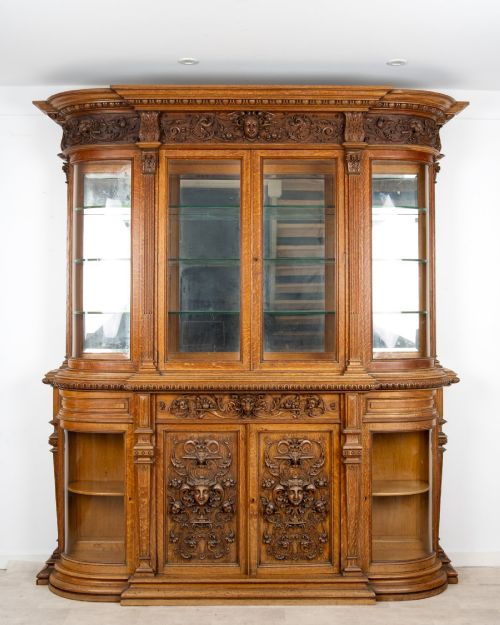
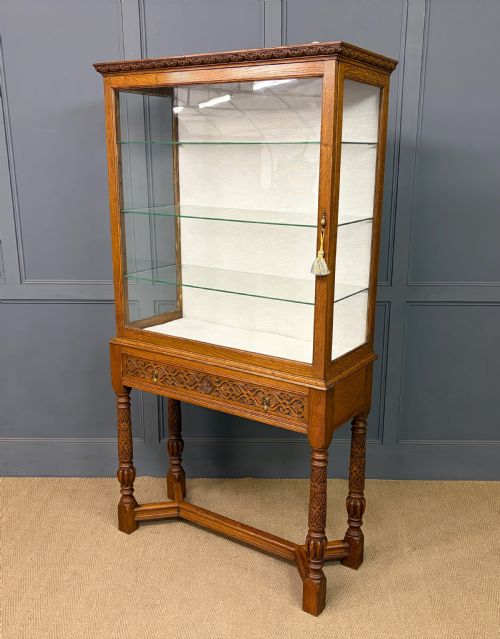
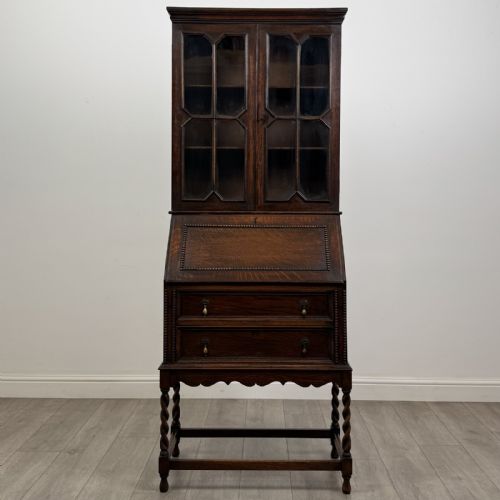
Vintage Oak Glass Cabinet
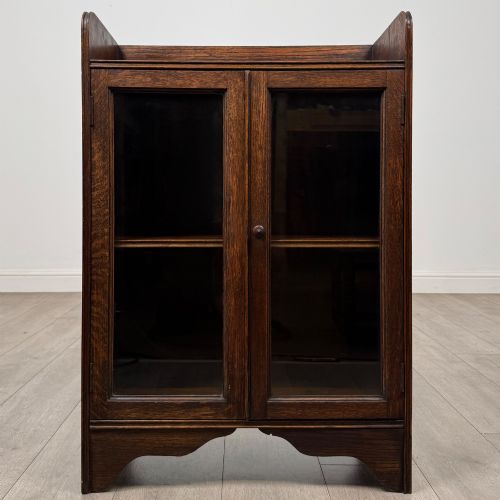
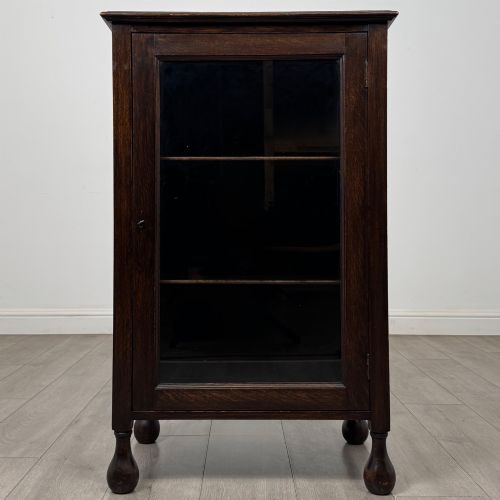
A vintage oak glass cabinet brings sturdy timber and clear glazing together, offering a practical way to store and display books or household objects.
Vintage Oak Glass Cabinet
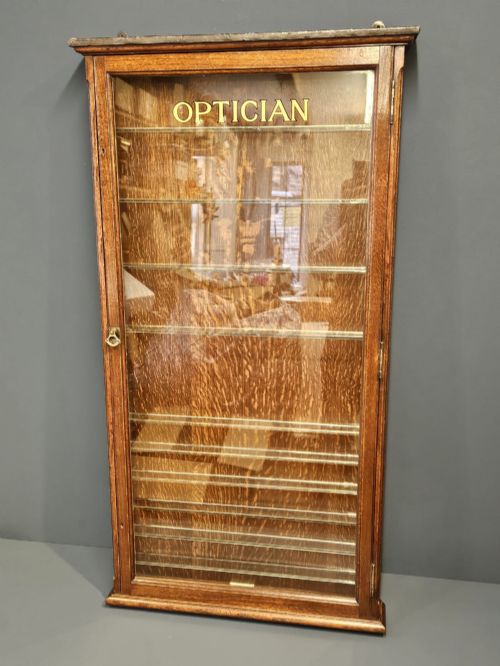
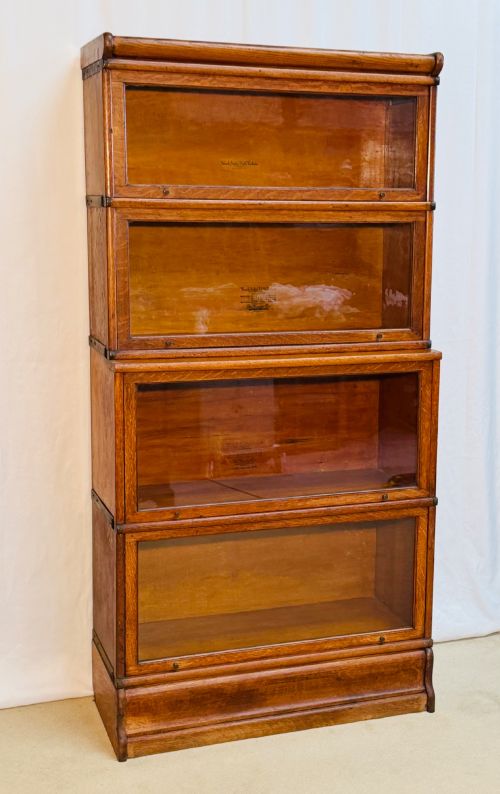
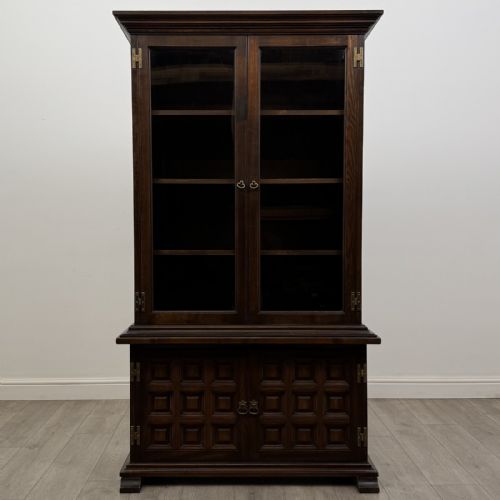
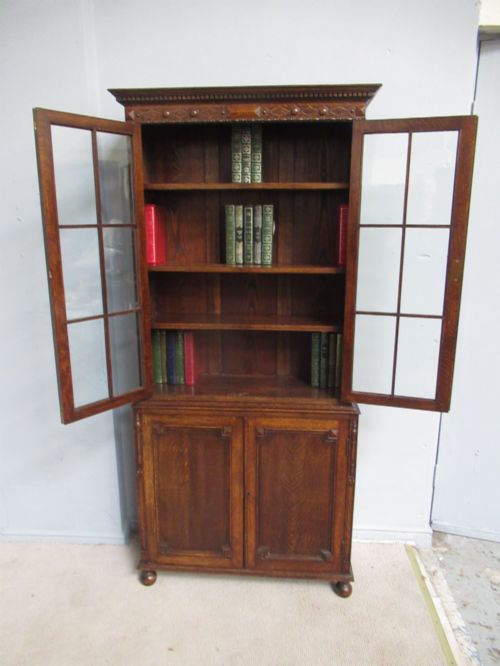
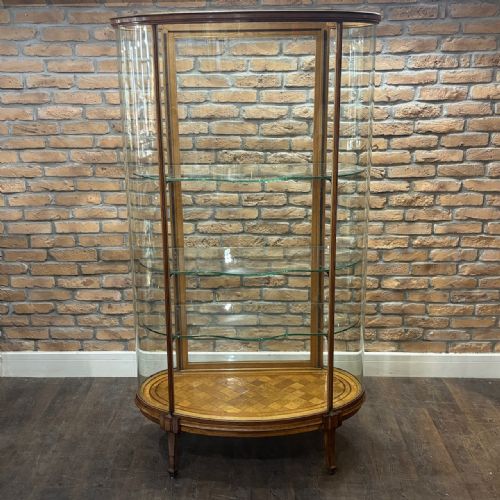
When you search for a vintage oak glass cabinet, you encounter a wide selection of storage furniture built primarily during the Edwardian era, the 1920s, and the Victorian period. These pieces span several functional forms, including display cabinets, glazed bookcases, sectional barrister bookcases, bureau bookcases, corner cabinets, and shop display counters.
The most common examples on this page are Edwardian display cabinets and 1920s sectional bookcases constructed from solid or veneered oak fitted with glass doors. Alongside standard freestanding bookcases, you will discover workshop-made pieces reflecting Arts and Crafts, Jacobean Revival, and Art Deco styles.
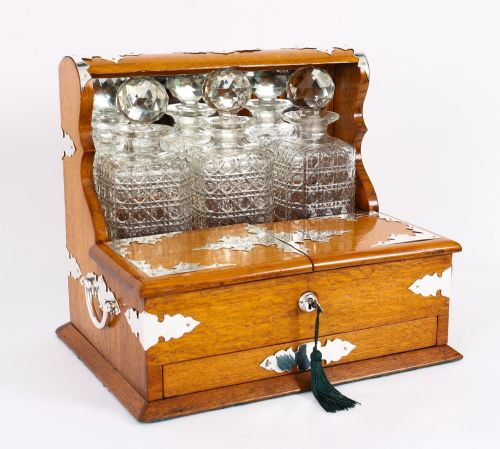
Makers and firms such as F. Sage & Co, Globe Wernicke, Dudley & Co, and Lebus produced specialised storage solutions incorporating leaded glass, brass hardware, mirrors, and iron accents. The inventory ranges from compact dwarf cabinets to triple-section dressers and tantalus dry bars.
What varies in quality
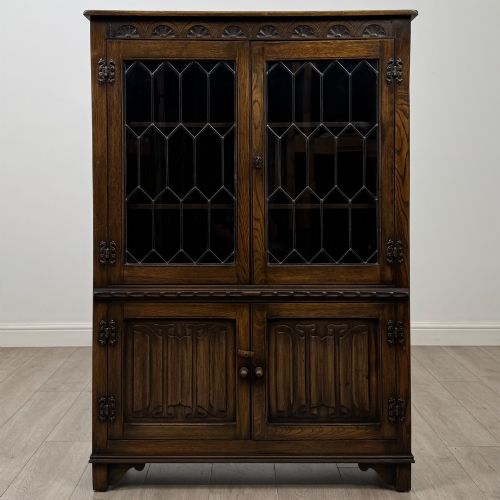
The distinction between standard utility furniture and top-tier workshop production lies in the handling of the timber and the precision of the joinery. Superior pieces display carefully selected oak grains, harmonious proportions, and integrated stylistic details such as hand-carved linenfold panels or distinctive Arts and Crafts metalwork.
Mechanical complexity also dictates the tier of the piece, as seen in the smooth operation of stacking sectional barrister bookcase tiers or specialised revolving hardware. The quality of the glass, whether standard plate, leaded, or cut, and the originality of the brass and iron hardware further separate ordinary storage from exceptional examples.
Some oak cabinets double as dry bars complete with games compendiums, ensuring your evening entertainment stays locked away from curious guests.
F Sage And Co·Globe Wernicke·Dudley And Co·Lebus
The Vintage Oak Glass Cabinet Glossary
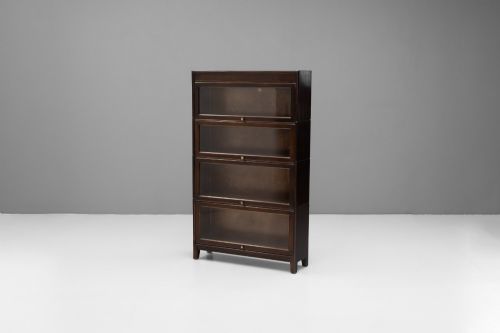
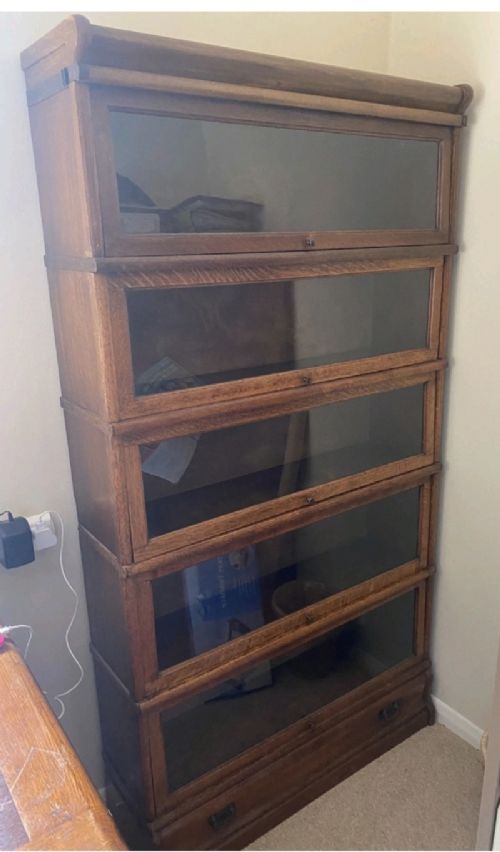
- Sectional bookcase
- A modular bookcase built from multiple stackable tiers with up-and-over glass doors, commonly associated with the Globe Wernicke brand. These modular units allowed owners to expand their shelving vertically as their libraries grew.
- Linenfold
- A style of wood carving that imitates folded linen cloth, frequently found on panels of Edwardian and revivalist oak furniture. This decorative technique creates a textured surface that catches the light on cabinet doors.
- Tantalus
- A locking wooden frame holding decanters that displays the contents while preventing unauthorized access to the liquor. They often include games compendiums and specialised barware compartments.
- Haberdashery counter
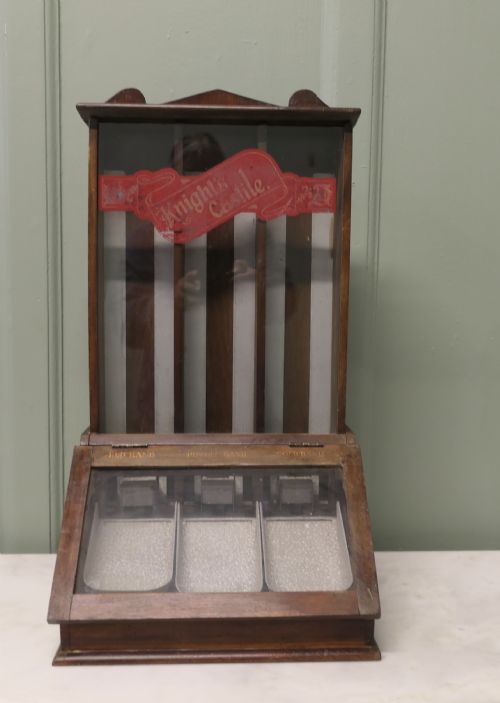
- A shop display unit featuring multiple glass-fronted drawers or glazed enclosures originally designed for retail merchandise. These industrial pieces are prized for domestic storage.
- Arts and Crafts
- A design movement emphasising handcraftsmanship, simple construction, and natural materials without excessive ornamentation. Cabinets from this tradition highlight the natural grain of the oak alongside exposed iron or brass hinges.
Vintage Oak Glass Cabinet: Frequently Asked Questions
How do sectional barrister bookcases work?
Sectional barrister bookcases consist of individual stacking tiers with glass doors that lift up and slide back into the cabinet interior. This modular design lets you separate the sections for easy moving and rearrange or expand the height of the bookcase.
Most examples from the early twentieth century utilise standardised wooden pins or interlocking sides to keep the stacked tiers stable without permanent fasteners.
Where should I place a glazed oak cabinet?
Position your oak cabinet away from direct sunlight and damp environments to protect the solid timber frames and interior shelving from warping or drying out. Because oak is a dense hardwood, these cabinets require stable floor space away from sudden temperature fluctuations.
Consider room lighting so that the glass doors and any internal mirrors effectively reflect natural light and showcase your display items.
How do I distinguish Edwardian oak from Victorian oak?
Victorian oak furniture tends to feature heavier, darker finishes and more ornate, deep-relief carving influenced by historicist revivals. Edwardian pieces often present a lighter golden tone and cleaner lines that anticipate Arts and Crafts or early twentieth-century simplicity.
Examining the interior construction, backboards, and secondary timbers helps clarify the manufacturing period when surface finishes appear similar.