
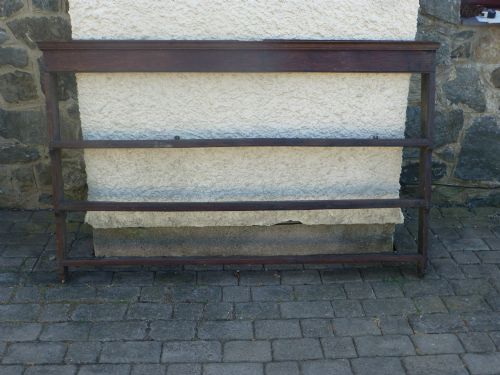
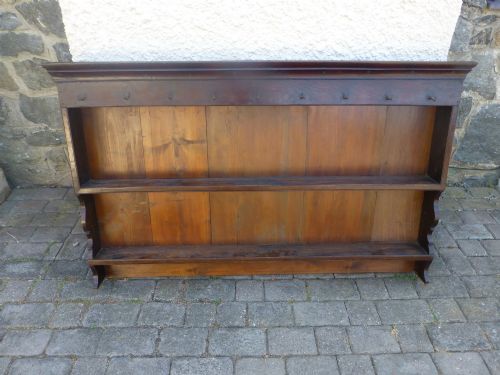
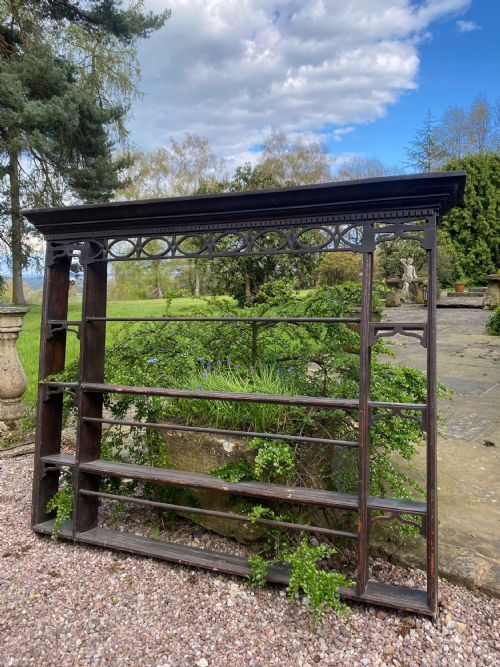
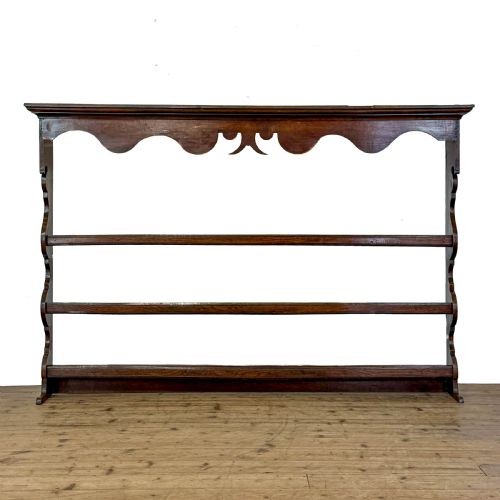


Traditional Oak Delft Shelf
A traditional oak delft shelf offers wall storage for plates and platters, built with timber that brings warmth to a country interior.
Traditional Oak Delft Shelf
A traditional oak delft shelf is primarily seen as an 18th century or Georgian wall rack designed to display ceramics. These pieces include wall shelves, dresser racks, and hanging racks made from solid timber.
Most examples originate from the 18th century, though later interpretations appear in the 1900 period under Georgian style. They serve as functional furniture that mounts directly to a wall or sits atop a base.
The English country aesthetic dominates these listings, bringing rustic utility into domestic spaces. Collectors look for these items to recreate a traditional kitchen display for plates.
How They Were Made
Makers utilised solid oak, often described simply as wood or stained oak, to construct the framework and plate grooves. Iron and brass components occasionally appear as structural or hanging fixtures.
Construction relies on traditional joinery suitable for wall-mounted plate racks and hanging racks. Carpenters shaped the timber to support heavy earthenware plates safely against a wall.
Listings span the 18th century, Georgian period, and 1900, constructed primarily from oak with occasional iron and brass.
What Varies in Quality
Quality separates through the purity of the timber and the depth of the original period character. Pieces from the 18th century display distinct patination compared to later 1900 revivals.
The complexity of the moulding and the proportion of the plate grooves dictate the visual weight of the rack. Country oak versions vary from rustic utility items to more refined Georgian forms.
The Traditional Oak Delft Shelf Glossary
- Delft plate rack
- A wall-mounted or dresser-top wooden rack specifically slotted to display ceramic plates upright. These fixtures form the core of kitchen storage in country houses.
- Georgian
- The design period spanning the 18th century characterised by classical proportions and understated decoration. Pieces from this era often utilise sturdy oak.
- Gothic Revival
- A nineteenth-century style that reinterprets medieval architectural motifs in furniture design. It occasionally influences later oak shelving.
- Dresser rack
- The upper section of a dresser or a standalone hanging unit featuring shelves for crockery. They are typically fashioned from oak.
- Stained oak
- Timber treated with a pigment to alter or deepen its natural colour. This finish appears on several country oak wall shelves.
Traditional Oak Delft Shelf: Frequently Asked Questions
How do I hang a traditional oak delft shelf?
These racks mount directly to walls using sturdy fixings suited to the weight of solid timber and displayed plates. Professional installation is recommended to secure the piece safely.
Ensure the fixings anchor into wall studs or use appropriate heavy-duty wall plugs to support the load.
What is the difference between an 18th century rack and a Georgian style piece?
Eighteenth-century pieces date from the original period of manufacture, showing age-related patination in the oak. Georgian style pieces from later periods replicate those earlier aesthetic traits.
Examine the construction methods and timber characteristics to determine the actual age of the wall shelf.
Can these shelves hold heavy ceramic plates?
Solid oak construction provides the structural strength necessary for traditional ceramic and earthenware displays. The grooved ledges keep plates from sliding forward.
Verify the depth of the plate channels to ensure your specific tableware sits securely within the rack.
Where were these plate racks traditionally used?
Kitchens and dining rooms in country houses utilised these shelves for everyday crockery storage and display. They kept plates accessible while freeing up table space.
Today, they function similarly in domestic interiors, adding period character to kitchen walls.