
Traditional Oak Country Chair
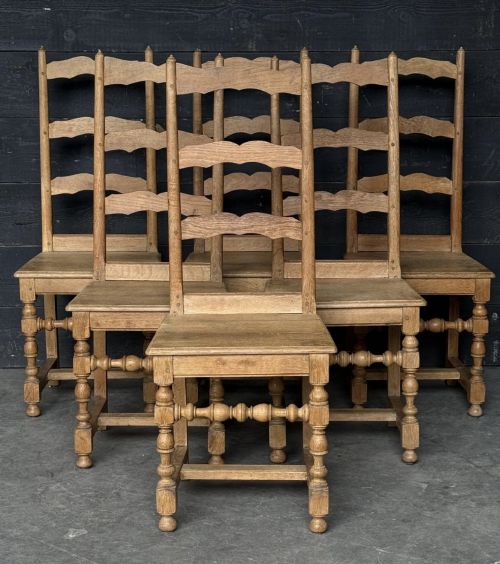
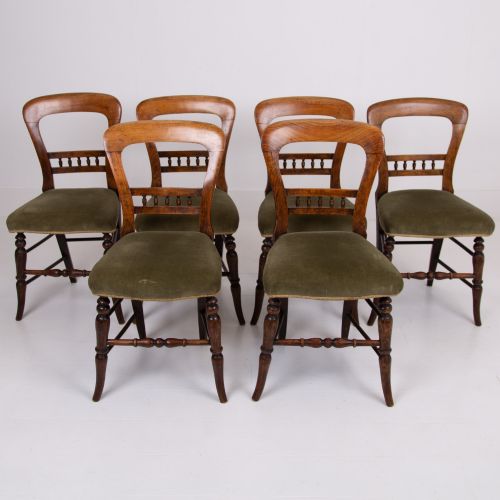
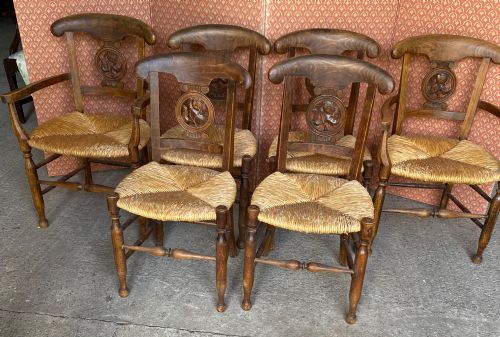
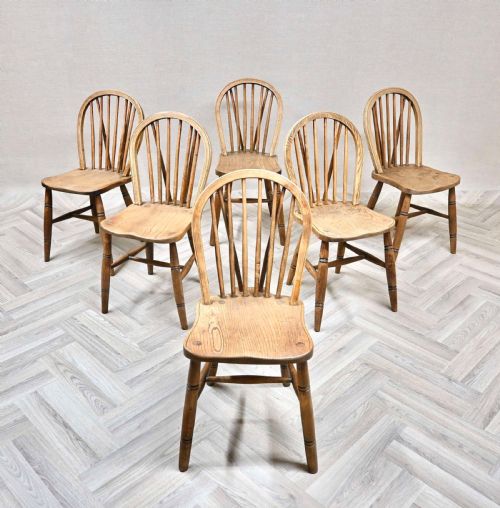
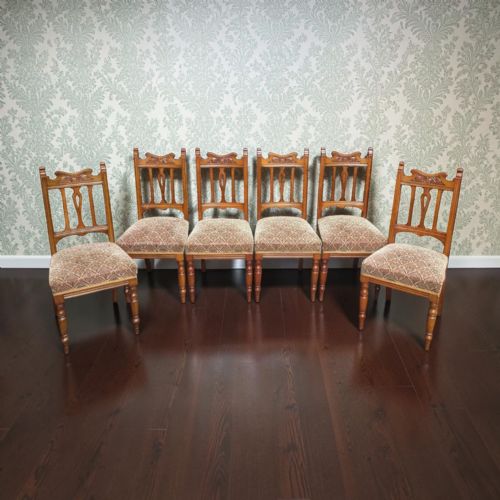
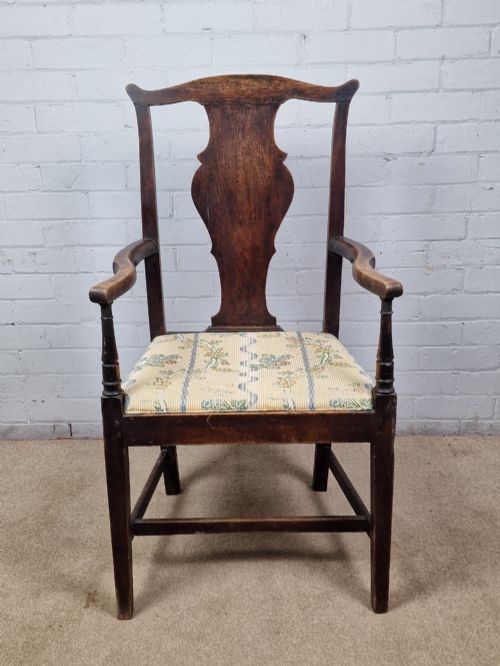
A traditional oak country chair brings sturdy vernacular design and tactile timber grain straight into a daily sitting space.
Traditional Oak Country Chair
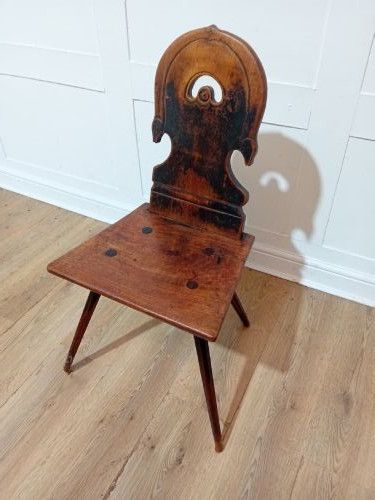
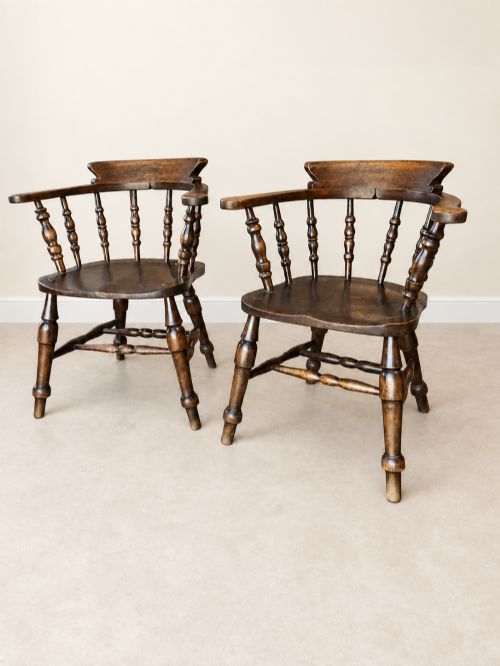
A traditional oak country chair encompasses sturdy vernacular seating designed for rural domestic life, ranging from kitchen Windsor forms to high-backed wainscot styles. Buyers seeking a traditional oak country chair typically encounter nineteenth-century pieces, including nineteenth-century farmhouses, stick backs, and smokers' bows.
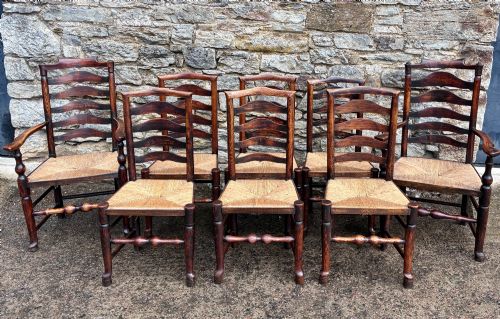
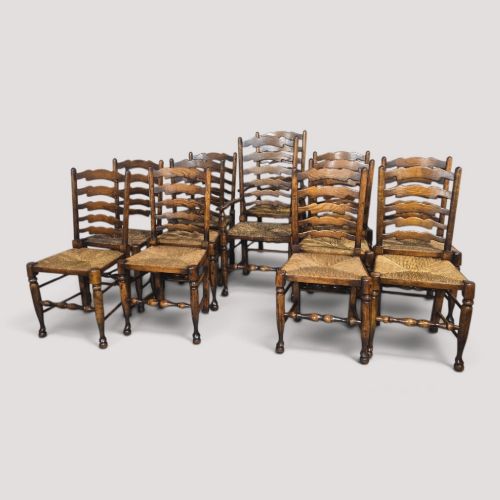
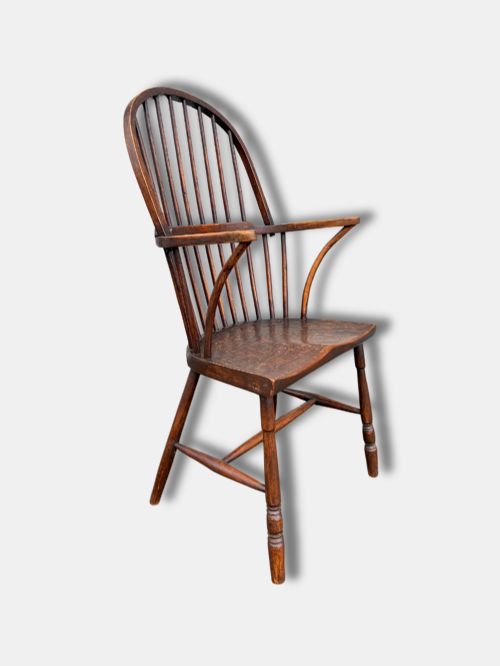
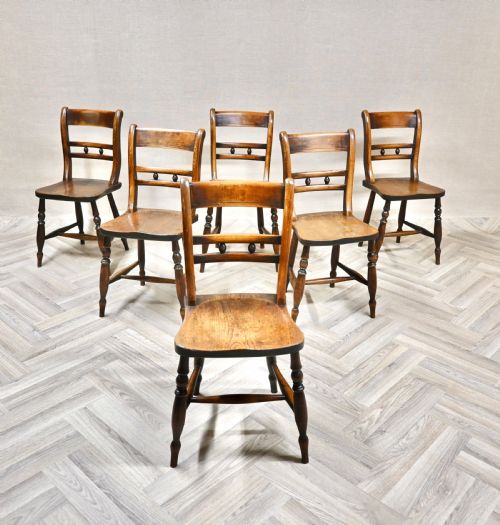
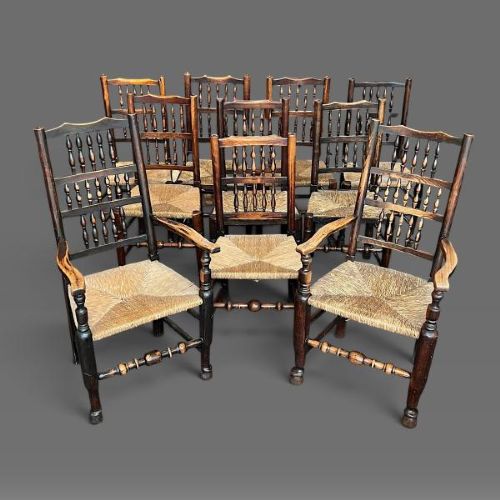
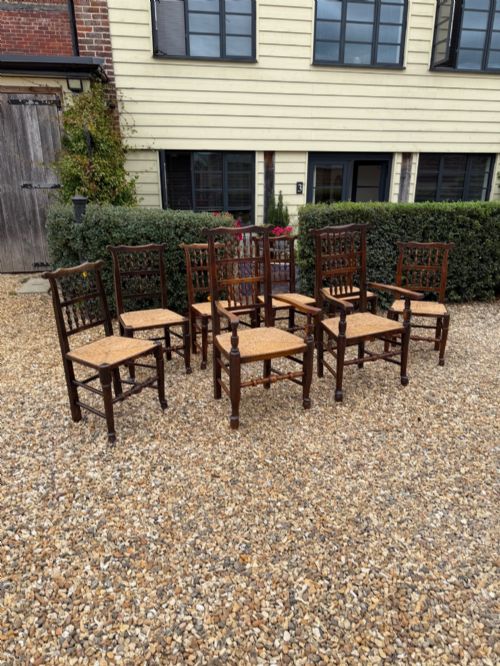
The selection on this page spans Windsor armchairs, ladder backs, and rush seat dining chairs originating from English, Scottish, and Welsh regional workshops. Makers utilised local hardwoods to construct functional seating for kitchens, farmhouses, and vernacular parlours.
Forms extend from single armchairs to sets of dining chairs, alongside occasional children's chairs, bar stools, and settles. These seats reflect regional turning and bending traditions passed down through generations of rural cabinet makers.
What varies in quality
Quality rests in the integrity of the timber selection and the retention of original surface patination, distinguishing honest vernacular survivors from overly restored examples. Denser grain configurations and undamaged turned members indicate superior initial construction.
Proportional harmony and the crispness of traditional joints determine structural endurance over centuries of daily domestic use. Examples retaining their original finish demonstrate better historical preservation than those stripped down to bare wood.
The Traditional Oak Country Chair Glossary
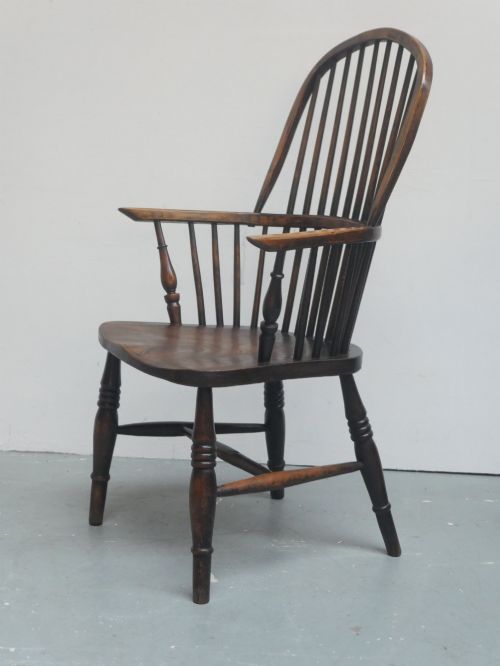
- Windsor chair
- A chair built with a solid wooden seat into which the legs and back spindles are separately bored and wedged. This regional form evolved numerous variations including hoop backs and comb backs.
- Smoker's bow
- A low-backed Windsor armchair featuring a continuous curved arm rail supported by turned spindles above a solid wooden seat. These comfortable seats frequently served in vernacular parlours and country kitchens.
- Wainscot armchair
- An early heavy wooden armchair constructed primarily from oak with panelled backboards and solid armrests. They represent elite vernacular furniture from preceding centuries.
- Ladder back
- A chair construction utilising horizontal wooden slats spanning between vertical rear upright posts. These frames commonly supported rush or woven seating surfaces.
Traditional Oak Country Chair: Frequently Asked Questions
How do I clean a wooden farmhouse chair?
Dust the timber regularly with a soft dry cloth to prevent grit accumulation in the grain and carved joints. Feed the dry wood periodically with a suitable microcrystalline wax to maintain surface lustre.
Avoid using modern silicone polishes or wet cloths which can degrade historical finishes and lift old glues. Gentle care preserves the honest patination built up over centuries of domestic use.
Are these old chairs suitable for daily dining?
Most sturdy nineteenth-century vernacular chairs remain structurally sound for regular dining use when joints are secure. Solid timber construction offers robust support for everyday sitting.
Check that legs and stretchers remain firm before heavy use, consulting a professional conservator if movement occurs. Their enduring utility proves the practical nature of rural furniture design.
What wood was used for the seats?
Elm served as the primary timber for saddle seats because its interlocking grain resisted splitting under downward pressure. Oak and ash appeared frequently for the structural undercarriages and back spindles.
Makers selected regional hardwoods based on local availability and specific functional requirements. This mixed-timber approach defines traditional country chair construction.
How can I tell a Windsor chair type?
Examine the upper back construction to distinguish hoop backs, stick backs, and comb back variations. Hoop backs feature a continuous steam-bent rail, while stick backs utilise upright spindles meeting a horizontal crest.
Regional traits, such as Thames Valley or Scottish vernacular turns, offer further clues to origin. These subtle design shifts identify where a country chair was made.