
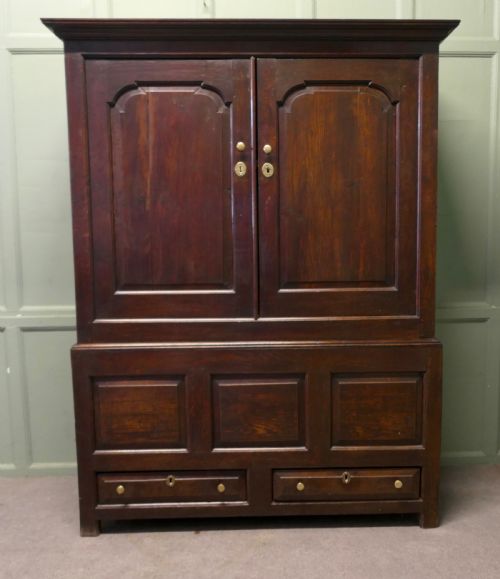


Traditional Oak Clothes Press
A traditional oak clothes press is a capacious storage piece that houses linens and garments with enduring regional character.
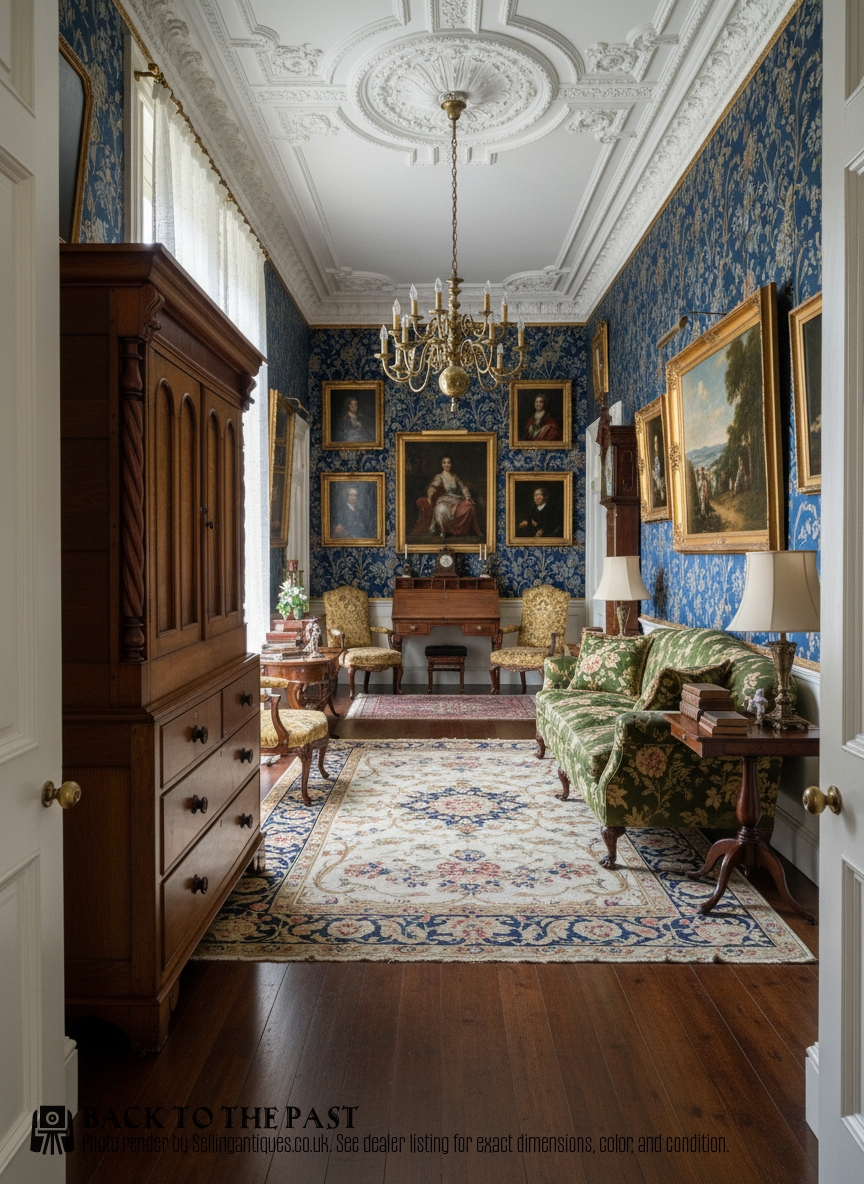
Traditional Oak Clothes Press
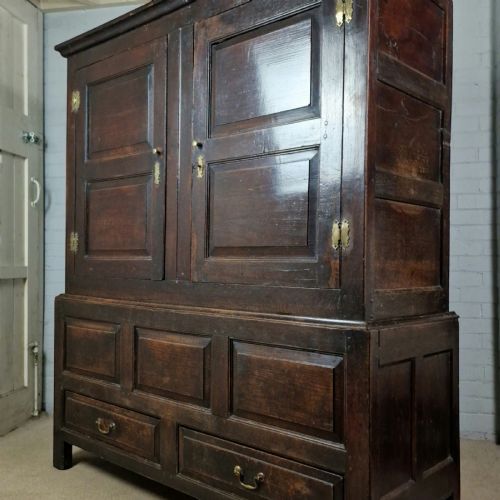
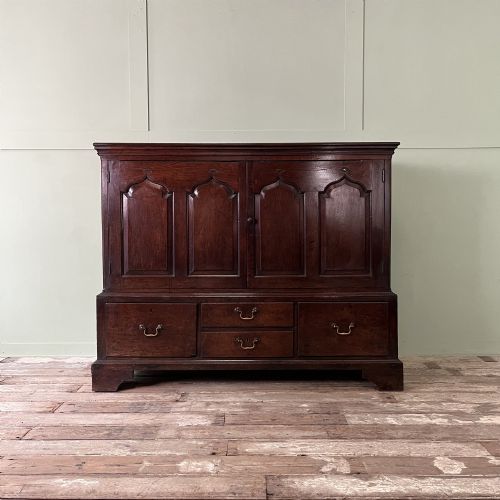
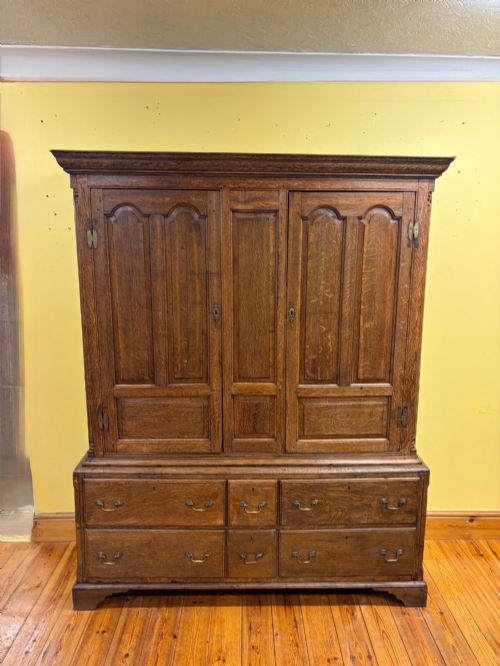
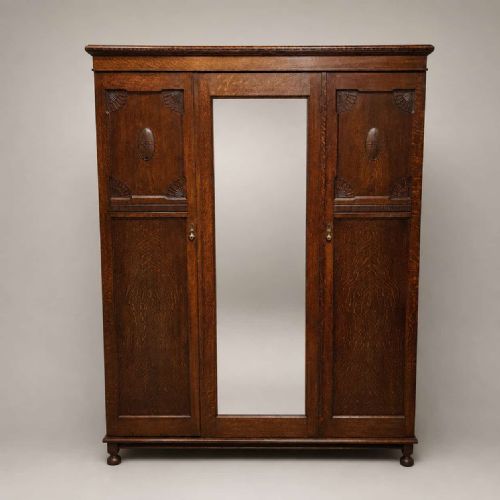
When you search for a traditional oak clothes press, you encounter substantial furniture designed to store family linen and apparel. The listings comprise pieces originating mainly in the eighteenth and nineteenth centuries, spanning Georgian, Victorian, and vernacular English or Welsh idioms.
The forms vary from grand livery cupboards and housekeeper cupboards to low linen press cupboards and hanging wardrobes. These items serve to organise domestic textiles while anchoring a room with heavy timber presence.
Regional variations appear frequently, including Welsh painted hanging cupboards and French oak armoires alongside robust English country examples. Most examples balance deep upper storage with lower drawer arrangements or simple compartment bases.
Materials and construction methods
Makers built these pieces primarily using solid oak, supplemented occasionally by pine for internal shelving or backing boards. The timber surfaces display natural grain patterns developed through traditional hand planing and sawing.
Iron and brass fittings secure the doors and drawers, featuring hinges and handles that reflect the period of manufacture. Selected pieces incorporate paint finishes or glass details, though plain waxed and polished oak predominates.
The inventory spans the eighteenth and nineteenth centuries, including Georgian and Victorian periods.
What separates the finest examples
Quality rests upon the selection of timber and the integrity of the joinery rather than surface ornamentation. Pieces constructed with thick, quarter-sawn oak panels and well-fitted panelled doors demonstrate superior craftsmanship.
Proportion and utility dictate the standing of a piece within its type. Refined mouldings, original brass hardware, and smoothly operating internal drawers distinguish the better examples from simpler utility cupboards.
The Traditional Oak Clothes Press Glossary
- Livery cupboard
- A traditional storage furniture item originally used for food or clothing. These tall cupboards often feature panelled doors and internal shelving.
- Linen press
- A tall piece of furniture featuring upper doors enclosing sliding trays or shelves for textiles, set above a base of lower drawers. They evolved to keep household linens flat and dust-free.
- Housekeeper cupboard
- A large utility cupboard designed for storing household provisions and linens. They typically offer extensive internal capacity across multiple doors.
- Quarter-sawn
- A method of cutting logs that produces boards with a distinctive grain figure and greater dimensional stability. This timber resists warping better than plain-sawn wood.
- Vernacular
- Furniture made by local craftsmen using regional traditions and readily available materials. These pieces reflect the specific character of their local district.
Traditional Oak Clothes Press: Frequently Asked Questions
What is a traditional oak clothes press used for?
These pieces function as primary storage for folded garments, heavy linens, and blankets within bedrooms or hallways. The internal shelves and hanging space accommodate a large volume of household textiles.
Historically, they kept textiles clean and protected from damp conditions in large country houses. Today, they serve a similar practical role while adding historical weight to a modern interior.
How do I date a traditional oak clothes press?
Dating relies on observing construction marks, hardware styles, and overall proportions. Eighteenth-century examples often display hand-planed surfaces and pegged mortise and tenon joints.
Later nineteenth-century pieces may utilise machine-sawn timber and different fastening methods. Comparing the panel construction and mouldings against established period styles clarifies the age.
Where should I place an oak clothes press?
These large items require a substantial wall with adequate clearance for opening heavy doors and lower drawers. Bedrooms, large hallways, and dressing rooms suit their generous proportions best.
Positioning them away from direct heat sources and damp exterior walls protects the solid oak timber. Maintaining steady room temperatures prevents the wood from splitting or warping over time.
How do I care for antique oak furniture?
Preserving the timber involves applying natural beeswax periodically to nourish the dry oak grain. Avoid chemical sprays or silicone polishes that build up sticky residues on the surface.
Dusting regularly with a soft, dry cloth keeps the panels clean. Handling brass hardware gently prevents loosening the original fixings in the aged wood.