


Traditional Oak Carver Set
A traditional oak carver set brings solid timber seating into a dining room, offering sturdy construction and period character.
Traditional Oak Carver Set
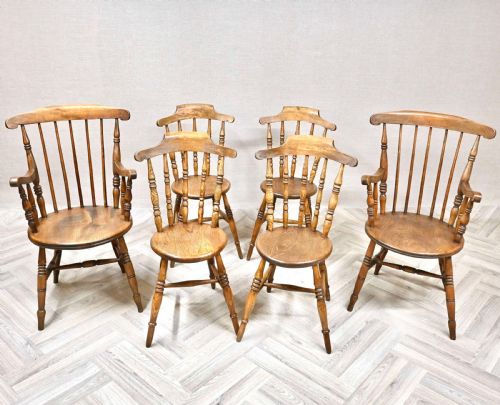
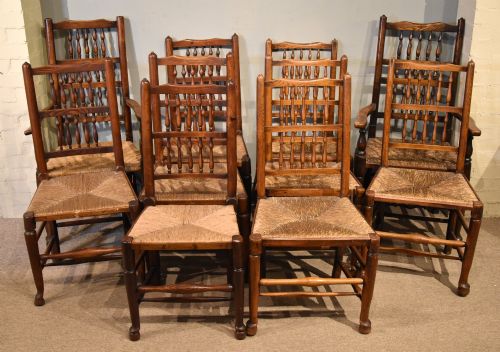
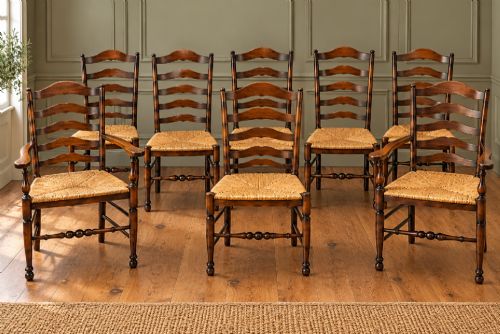
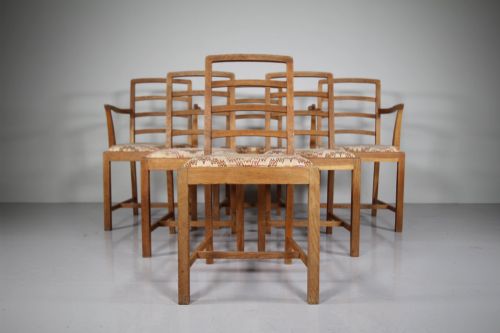
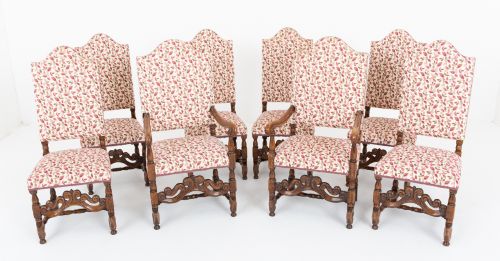
A traditional oak carver set comprises matching groups of dining chairs that typically include armchairs alongside side chairs. The selections span periods from the Georgian era through the nineteenth century into the Edwardian years and the 1930s.
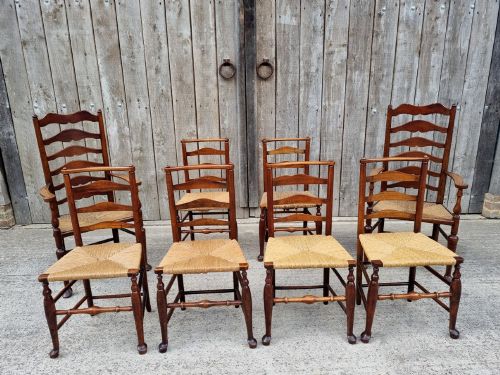
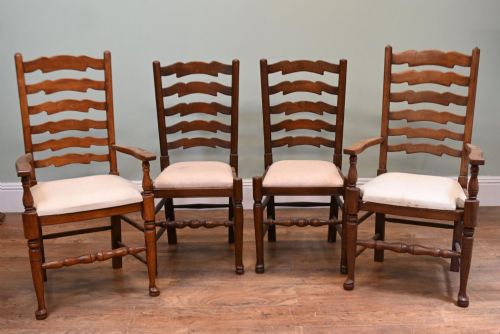
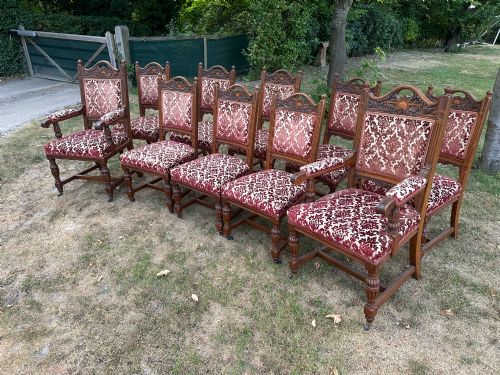
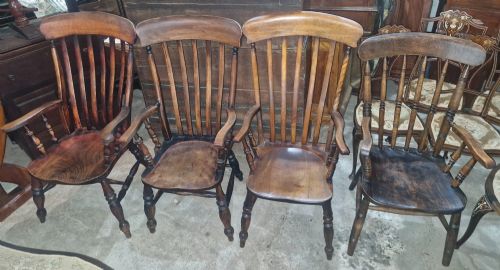
The forms encompass country styles, ladderbacks, spindle backs, Windsor chairs, and Jacobean revival designs. Buyers encounter sets originating from English, French, and provincial workshops utilising solid timber frames.
How they were made
Cabinet makers utilised oak as the primary structural timber, often combining it with elm seats or beech stretchers. Joints relied upon traditional pegged mortise and tenon construction to ensure rigidity across heavy kitchen and dining seating.
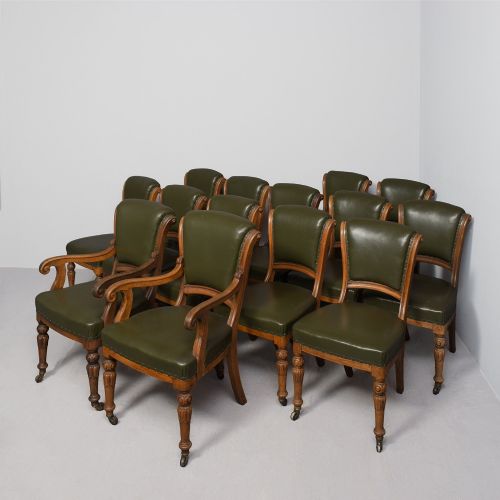
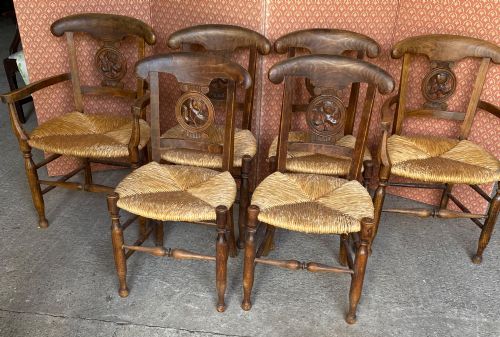
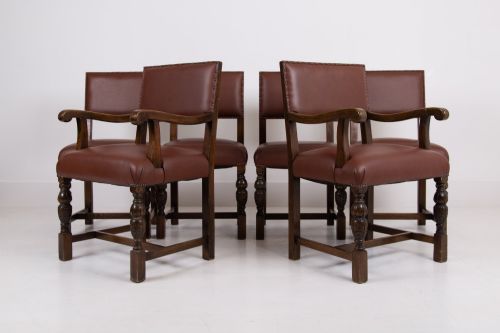
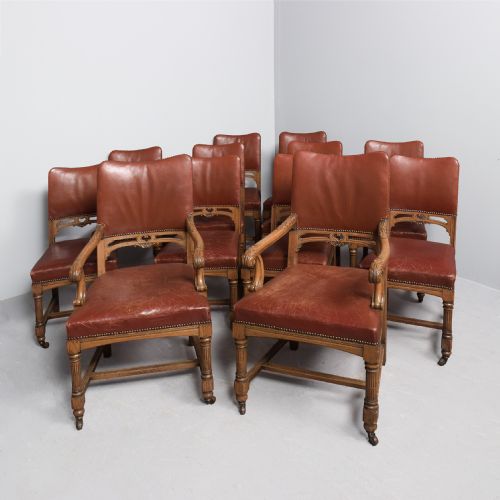
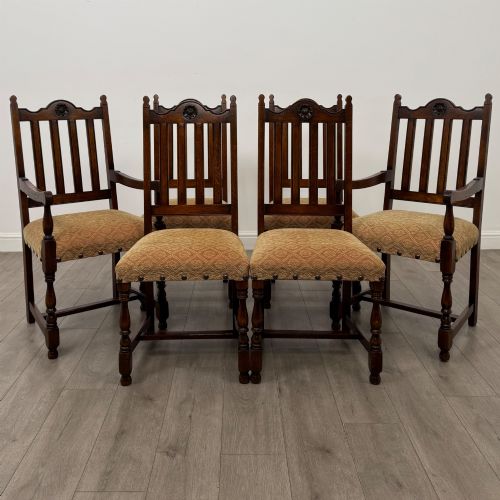
Seating surfaces incorporated woven rush, solid plank timber, or upholstered pads finished in leather, fabric, or velvet. Carved details and barley twist turnings appeared on revival styles, while provincial pieces favoured simpler turned spindles and ladder backs.
Traditional Oak Carver Set Retail Price Guide 2026
Typical asking prices for traditional oak carver set among the pieces listed under this phrase on Sellingantiques today, from the lower quarter to the upper quarter. They describe what is for sale here now, not the wider market.
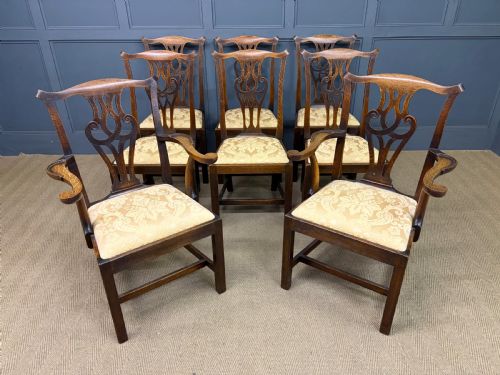
Listings feature dining chairs constructed from solid oak, elm, and beech, incorporating rush, leather, and fabric seating surfaces.
What varies in quality
The density and grain of the oak timber determine the tactile weight and visual depth of each frame. Heavier, solid construction in larger sets represents the upper tier of provincial and revival craftsmanship.
The execution of joinery and the survival of original rush seating or leather upholstery distinguish better examples. Chairs retaining unified patination across a large group demonstrate superior historical coherence.
Heals of London
The Traditional Oak Carver Set Glossary
- Carver
- An armchair designed with armrests, traditionally placed at the heads of a dining table.
- Ladderback
- A chair back featuring multiple horizontal wooden slats resembling the rungs of a ladder.
- Rush
- Woven marsh plant material utilised to create traditional supportive chair seats.
- Jacobean Revival
- A nineteenth and twentieth century style mimicking seventeenth century carved oak furniture.
- Spindle back
- A chair back constructed with numerous slender vertical turned wooden rods.
Traditional Oak Carver Set: Frequently Asked Questions
What is a carver chair?
A carver chair is an armchair intended to sit at the head of a dining table. These pieces match the surrounding side chairs in timber and style.
Historically, the designated carver provided comfortable armrests for the person carving the joint at dinner. Today, they anchor a matching dining set with traditional authority.
How do I date an oak chair?
Dating relies upon examining construction methods, timber grain, and stylistic turnings. Georgian and nineteenth-century pieces display hand tool marks and pegged joints.
Revival pieces from the Edwardian era or the 1920s often replicate earlier Jacobean motifs with machine-sawn components. Comparing the wear patterns on rush or wooden seats helps confirm age.
Are rush seats durable?
Woven rush seats offer surprising strength and flexibility for daily dining use. Natural marsh grasses are tightly twisted before weaving into a supportive platform.
Keeping these seats away from damp environments preserves the natural fibres. Professional re-weaving ensures historic frames remain functional for generations.
How do I mix carvers and side chairs?
Placing armchairs at the table ends while flanking the sides with matching side chairs creates a balanced arrangement. Harlequin sets combine chairs sharing common regional or stylistic traits.
Matching timber species, such as oak or elm, unifies groups assembled across different workshops. Consistent seat heights maintain visual harmony around the dining table.