






Oak Chippendale Chairs
Oak chippendale chairs bring together robust country timbers and sophisticated cabinet-making traditions, offering enduring utility for the dining room.
Oak Chippendale Chairs
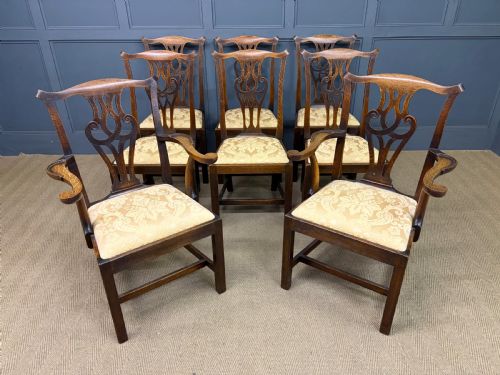
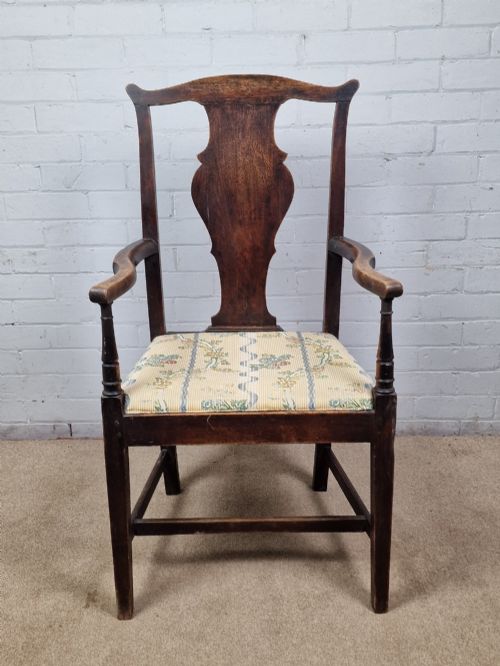
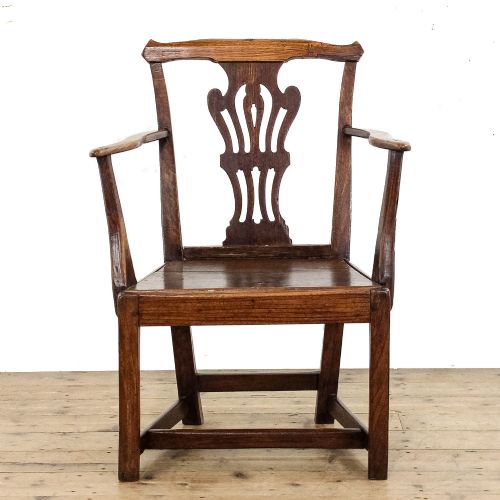
Oak chippendale chairs encompass practical seating forms ranging from provincial side chairs to substantial dining sets and curious commodes. Buyers searching for oak chippendale chairs encounter robust construction rooted in eighteenth-century design alongside later revival interpretations from the nineteenth and early twentieth centuries.
Materials and Construction
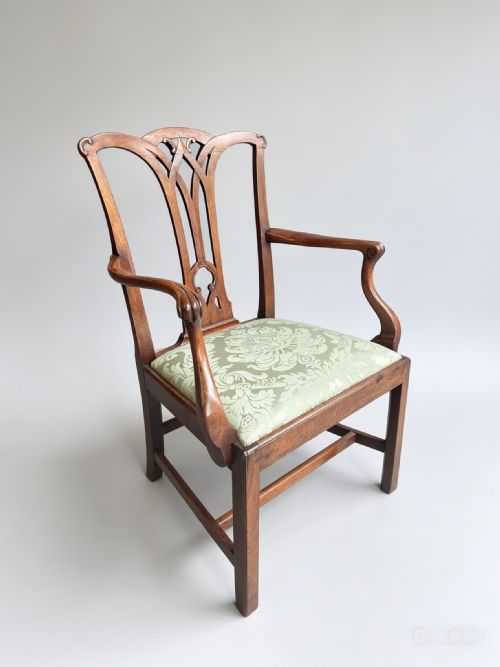
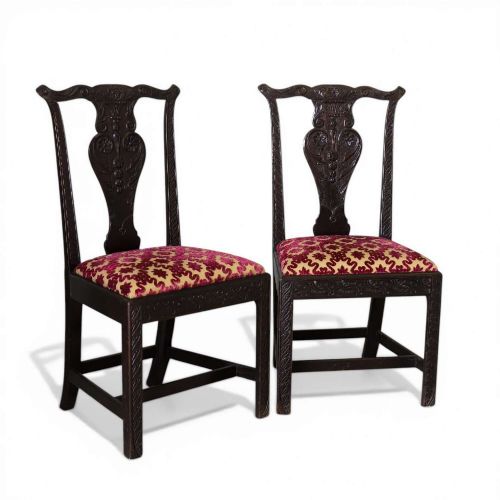
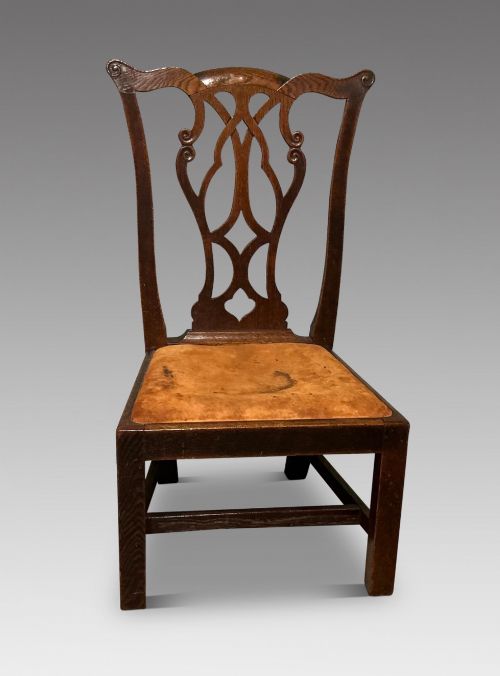
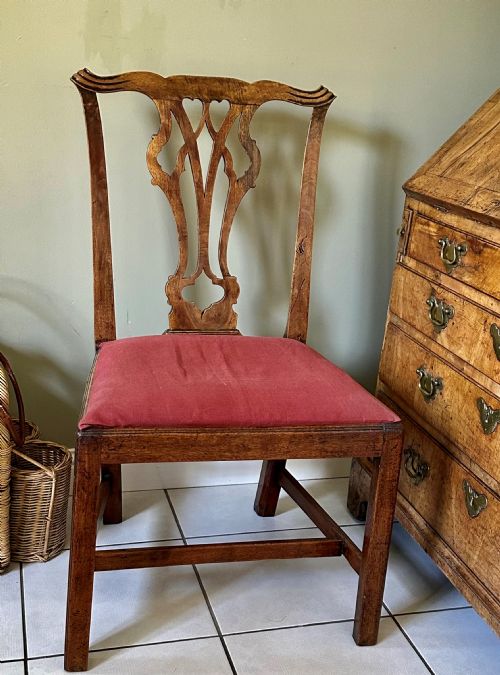
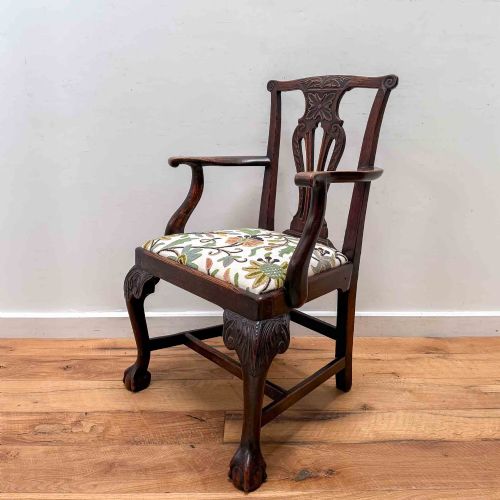
Makers utilised solid oak timbers, often carved by hand to render ribbon backs, interlaced splats, and ornate crest rails. Frames were joined using traditional mortise and tenon techniques to ensure structural longevity under daily use.
Upholstery materials seen across these pieces include traditional leather, velvet, crewel work, and damask fabric. Seats were frequently dropped-in or webbed directly into the oak framework to provide support.
Oak Chippendale Chairs Retail Price Guide 2026
Typical asking prices for oak chippendale chairs among the pieces listed under this phrase on Sellingantiques today, from the lower quarter to the upper quarter. They describe what is for sale here now, not the wider market.
Listings feature oak furniture spanning the Georgian era, the nineteenth century, and Edwardian revival periods.
Assessing Quality and Execution
The distinction between standard provincial pieces and finer examples lies in the depth and sharpness of the hand carving on the splats and stiles. Superior specimens display well-proportioned rake in the back legs and precise joinery that remains tight after centuries.
Condition of the timber surface and the fidelity of the period details further separate ordinary chairs from exceptional ones. Original upholstery webbing and untouched patination on the oak add considerably to the integrity of a piece.
Waring
The Oak Chippendale Chairs Glossary
- Splat
- The vertical central slat within the back of a chair, often pierced and carved in these designs. It provides both structural support and the primary decorative focus for the seat back.
- Commode chair
- A specialised seat fitted with a concealed interior chamber for sanitary use. These pieces often mimic standard dining or armchairs from the exterior.
- Apprentice piece
- A miniature or trial object created by a craftsman to demonstrate skill. These items exhibit the same intricate carving techniques found in full-scale furniture.
- Gossip chair
- A low-backed conversational seat designed for informal interior use. They frequently appear in later revival periods.
- Patina
- The surface sheen developed through decades of handling, polishing, and natural oxidation. It indicates the age and historical depth of the timber.
Oak Chippendale Chairs: Frequently Asked Questions
How do I date an oak chair?
Dating relies on examining tool marks, timber shrinkage, and construction joints beneath the seat frame. Eighteenth-century pieces generally show hand-cut joinery and heavier regional wear compared to later revival items.
Secondary indicators include the style of the splat and the profile of the legs. Comparing these elements against known period archetypes helps narrow the timeframe of manufacture.
Are these chairs suitable for daily dining?
Most antique oak seating remains sturdy enough for regular use provided the joints are secure. Solid timber frames handle daily seating well, though period upholstery may require professional conservation.
It is sensible to check the underframe stability before placing heavy demands on eighteenth-century examples. Gentle use ensures these historic timbers survive for future generations.
What defines the country style?
Country Chippendale pieces combine urban pattern books with local provincial working methods. Cabinet-makers in regions such as Wales utilised tougher domestic oak rather than imported mahogany.
This results in heavier proportions, simpler carving, and a distinct regional character. These chairs prioritize utilitarian strength alongside fashionable design.
How do I identify a revival piece?
Revival chairs from the nineteenth and twentieth centuries typically feature machine-assisted joinery or standardised turnings. The timber colour and surface finish often appear more uniform than older examples.
Examining the underside reveals modern screws or standardised fixings absent in eighteenth-century workshop production. These clues distinguish late nineteenth-century interpretations from Georgian originals.