
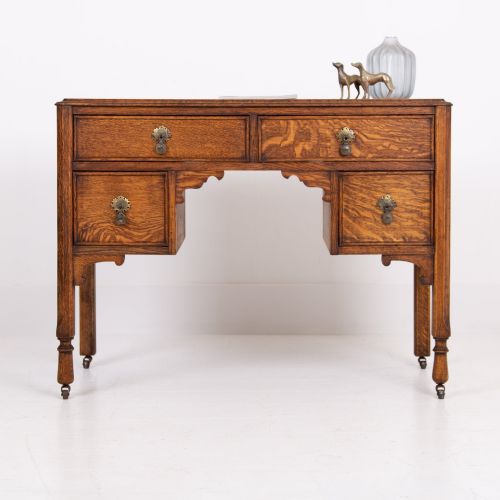
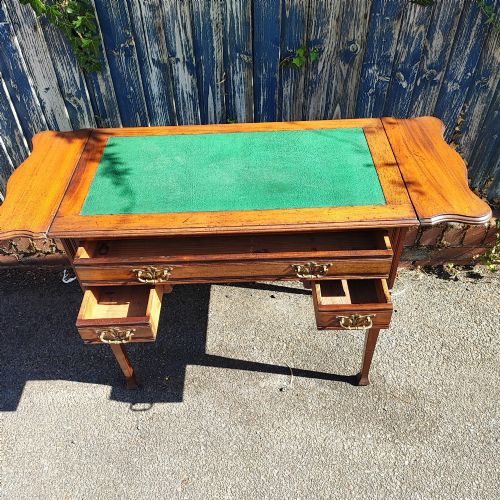
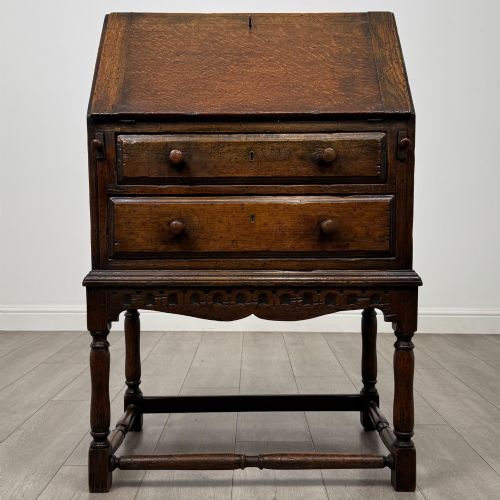

Traditional Oak Bureau Desk
A traditional oak bureau desk brings timeless writing space and concealed storage into a room, offering the practical utility of a fall-front desk alongside fitted interior compartments.
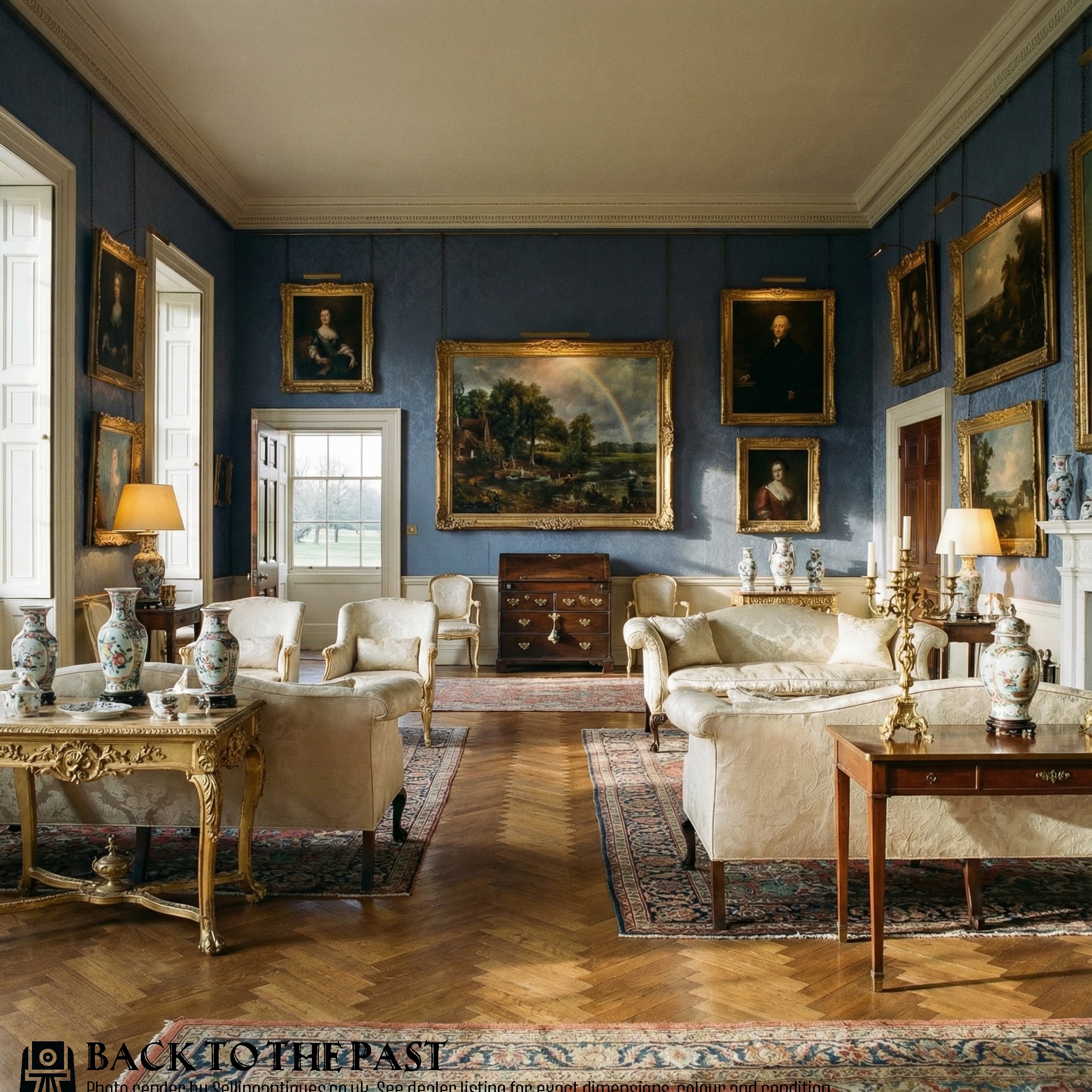
Traditional Oak Bureau Desk
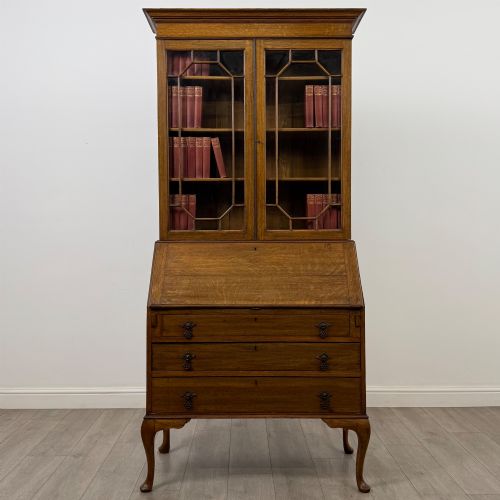
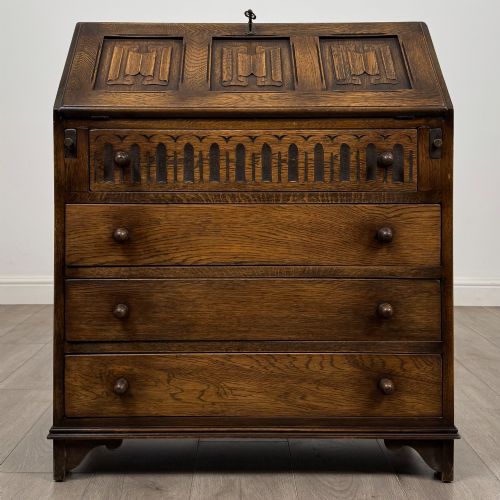
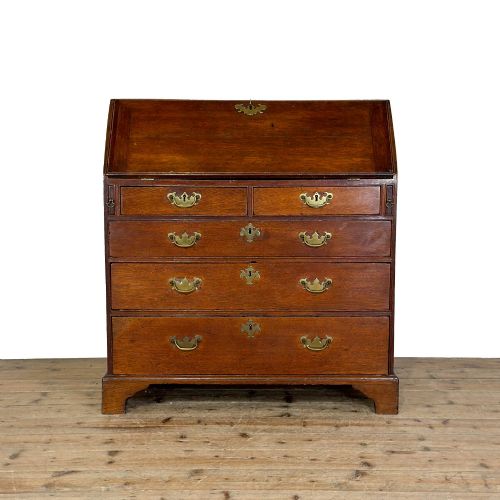
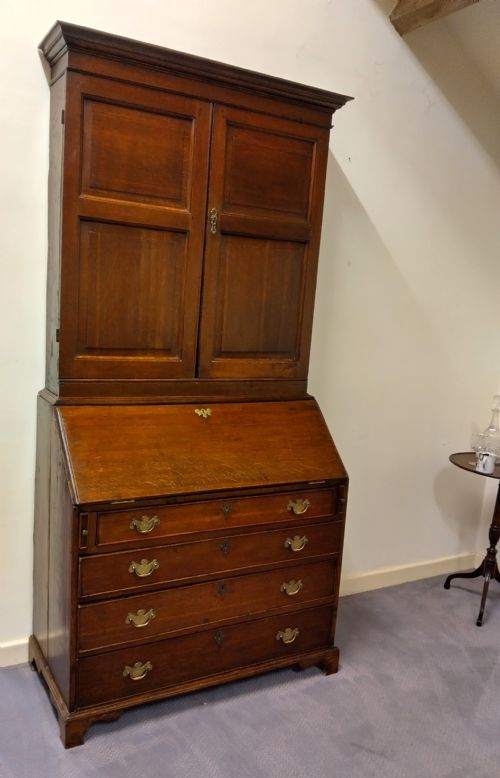
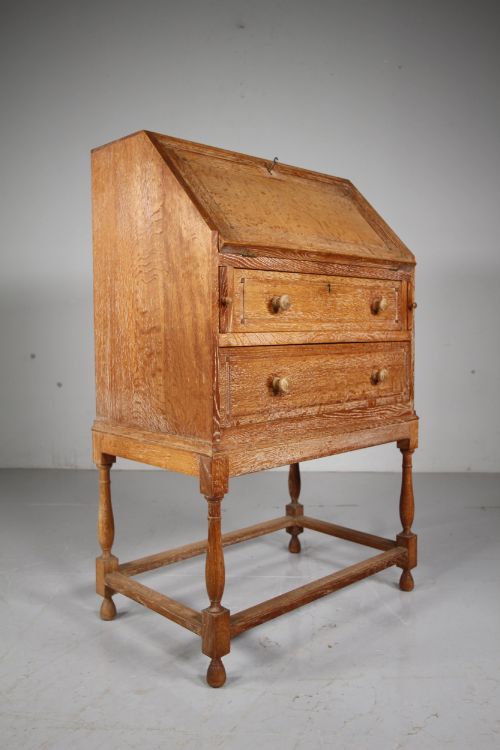
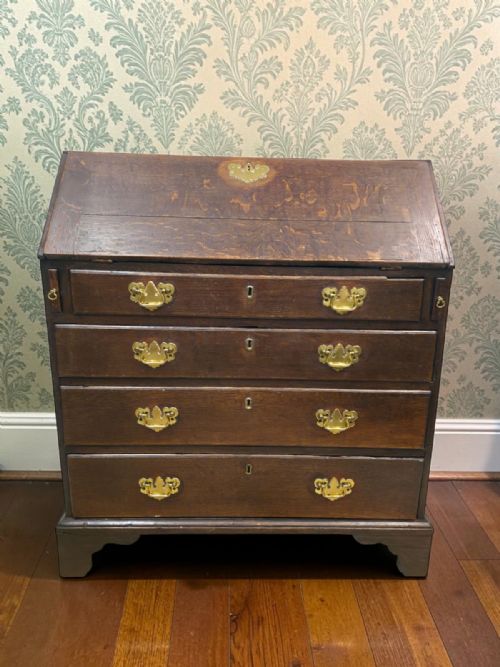
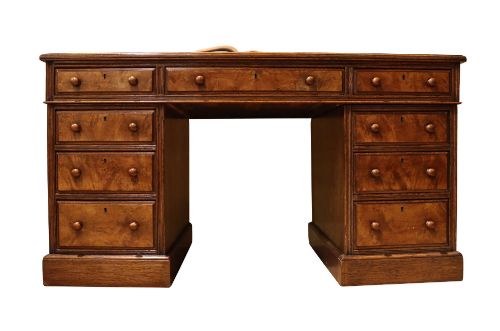
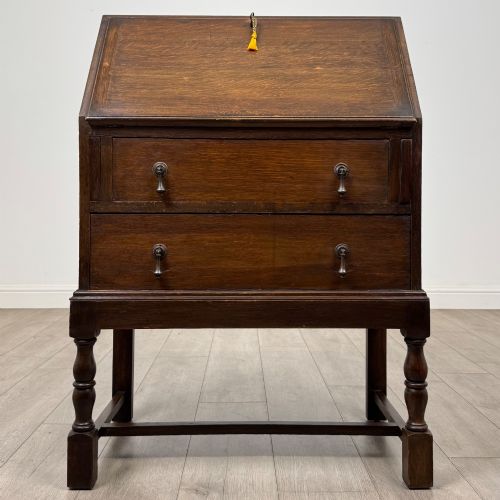
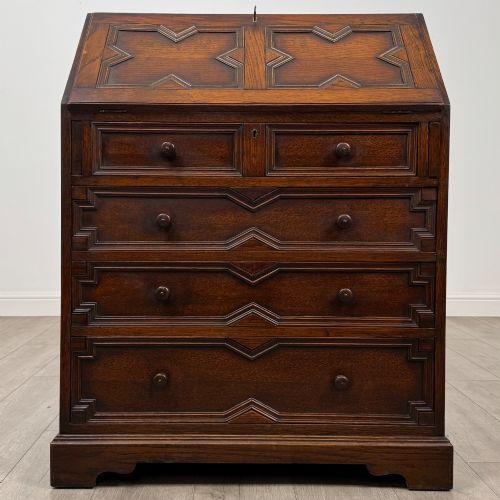
A traditional oak bureau desk encompasses a variety of writing furniture built mainly from oak, featuring a hinged fall-front or sloping lid that opens to reveal internal pigeonholes and small drawers. The pieces appearing here span several centuries and styles, ranging from vernacular 17th-century examples to Georgian editions and later Edwardian or 1920s revivals.
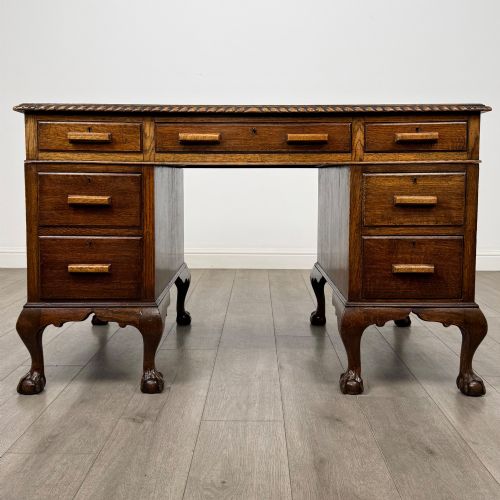
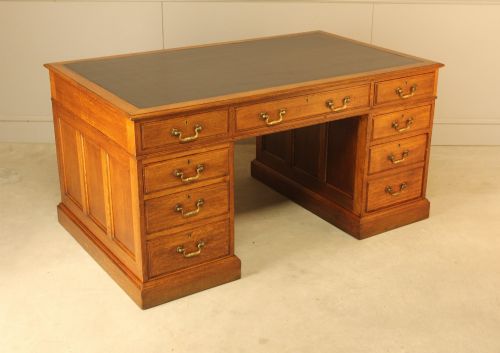
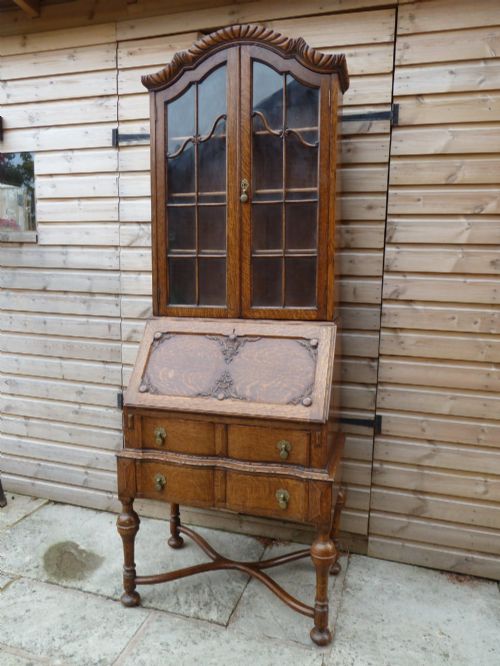
Buyers will frequently encounter Edwardian and 1920s interpretations, often incorporating Jacobean Revival carving, linenfold panelling, or roll-top mechanisms alongside earlier 18th-century forms. These functional pieces also extend to bureau bookcases, pedestal desks, and writing tables constructed from solid or veneered timber.
The enduring appeal of these desks lies in their dual nature as enclosed storage cabinets and dedicated writing surfaces. Whether selecting a compact bureau or a taller bookcase combination, collectors find pieces suited to domestic study spaces and living rooms alike.
How they were made
Makers built traditional oak bureau desks primarily using solid oak and oak veneers, frequently accented with brass handles and key escutcheons. Interior writing surfaces often incorporated leather inserts, while secondary woods and glass appeared in bookcase sections.
Construction techniques combined traditional joinery with decorative surface treatments such as linenfold carving, panelled construction, and tambour or roll-top mechanisms. Cabinetmakers utilised brass hardware to secure fall-front lids and drawers housing moving interior compartments.
Traditional Oak Bureau Desk Retail Price Guide 2026
Typical asking prices for traditional oak bureau desk among the pieces listed under this phrase on Sellingantiques today, from the lower quarter to the upper quarter. They describe what is for sale here now, not the wider market.
Listings feature oak material alongside burr walnut and mahogany, spanning periods from the 17th century through the Georgian era and into 1930s revivals.
What varies in quality
The calibre of a traditional oak bureau desk rests upon the selection of timber and the precision of its construction. Superior examples display carefully matched grain patterns, substantial solid oak construction rather than thin veneers, and crisp execution of carved details like linenfold or Jacobean motifs.
Heals of London
The Traditional Oak Bureau Desk Glossary
- Bureau
- A sloping front desk that opens to form a writing surface above a set of drawers. It typically conceals a fitted interior with pigeonholes.
- Fall-front
- A hinged writing flap that pulls down from a vertical position to provide a horizontal desk surface. It usually rests on lopers or support arms.
- Bureau bookcase
- A combination furniture form featuring a bureau base with a glazed or panelled bookcase cabinet fitted directly on top. These pieces provide both display space and writing accommodation.
- Linenfold
- A style of carved wooden panelling resembling folded vertical linen fabric. It appears frequently on Edwardian and revival oak furniture.
- Tambour
- A flexible sliding shutter formed from narrow vertical strips of wood glued to a fabric backing. It allows roll-top desks to open smoothly along a curved track.
Traditional Oak Bureau Desk: Frequently Asked Questions
What is a traditional oak bureau desk?
A traditional oak bureau desk is a piece of case furniture featuring a hinged writing flap that conceals inner compartments, set above a chest of drawers or storage cabinet.
These desks have served as functional domestic writing stations and document storage units across multiple centuries of British cabinetmaking.
How do I date an oak bureau?
Dating relies on examining construction methods, timber selection, handle styles, and decorative details like linenfold carving or bracket feet. Earlier 18th-century pieces often show vernacular hand-cut joinery, while 20th-century revivals incorporate machine-tooled elements and labelled workshops.
Comparing the secondary woods inside drawer linings and the cut of the brass hardware helps confirm the active period of manufacture.
Where were bureau desks used?
These desks were traditionally placed in studies, libraries, parlours, and bedrooms to manage personal correspondence and household accounts.
Today, they function well in home offices and living rooms where concealed storage and a compact writing surface are desired.
Are roll-top desks the same as bureaus?
Roll-top desks utilise a flexible slatted tambour shutter that rolls back to expose the writing area, whereas bureaus employ a rigid flap hinged at the bottom.
Both forms provide concealed storage for papers and stationery, though roll-top mechanisms generally appear on 19th-century and 20th-century pedestal desk designs.