
Traditional Oak Bench Seat
A traditional oak bench seat brings enduring rustic utility to a hallway, dining room or garden.
Traditional Oak Bench Seat
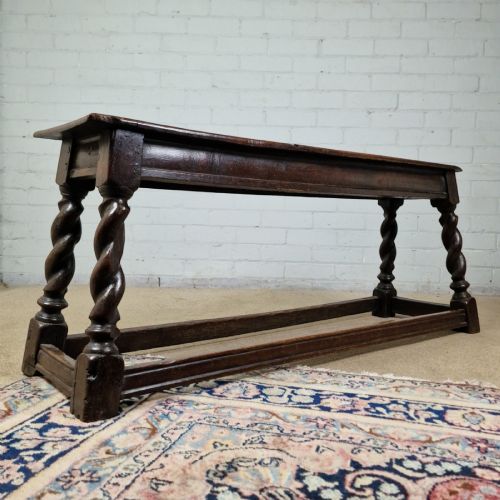
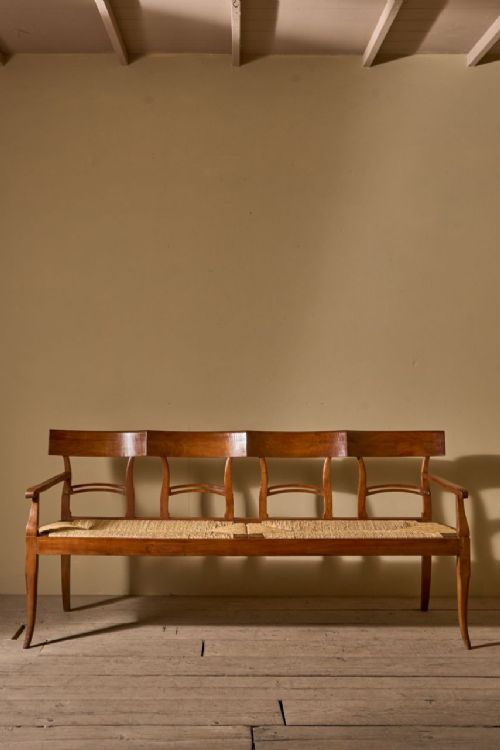
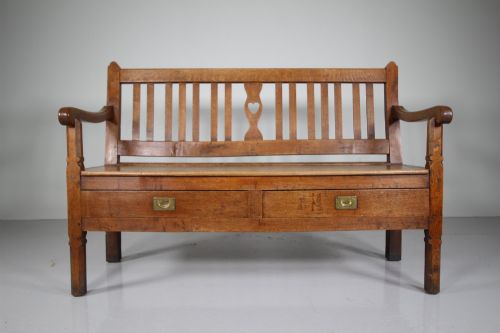
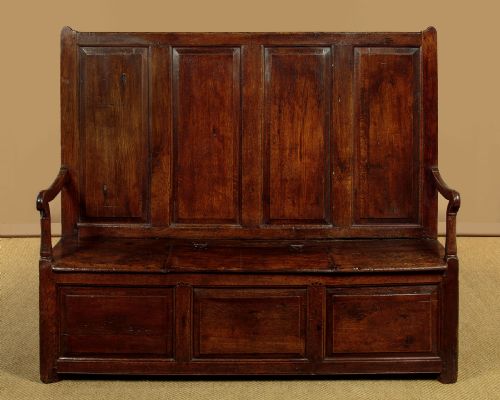
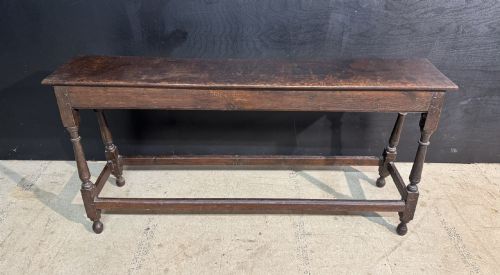
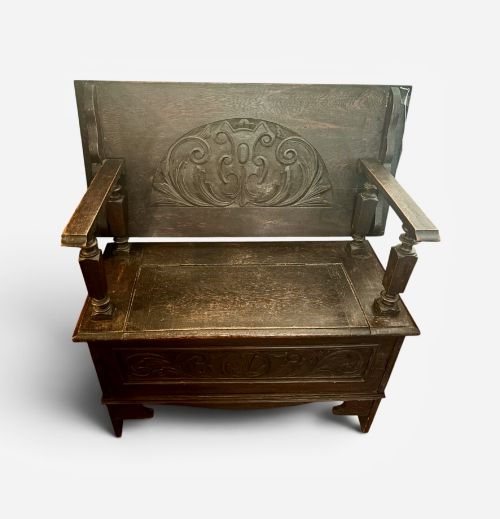
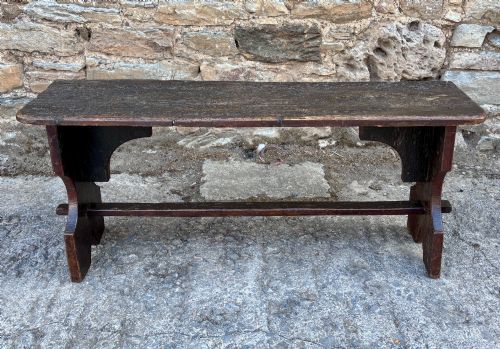
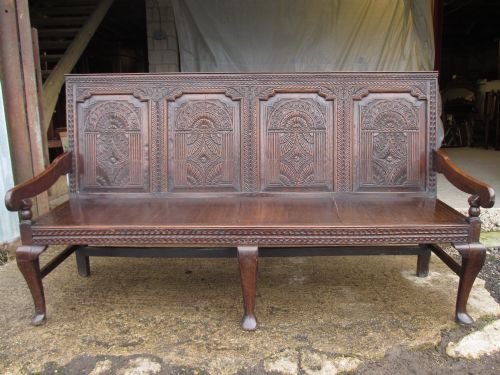
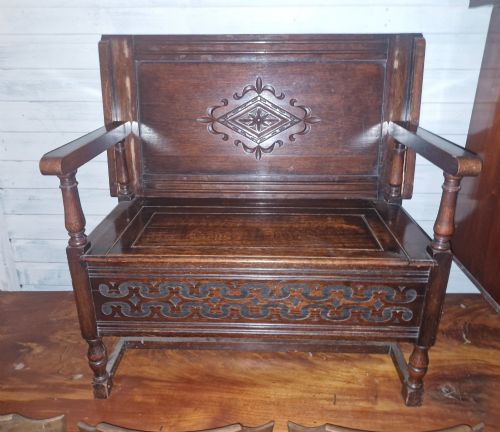
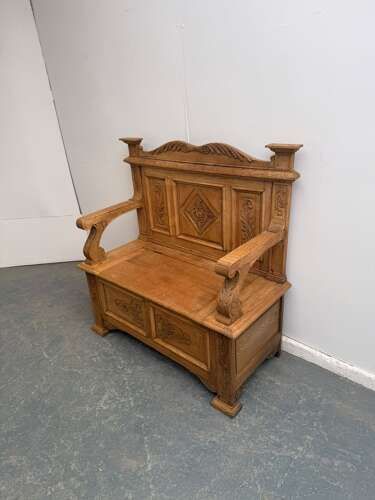
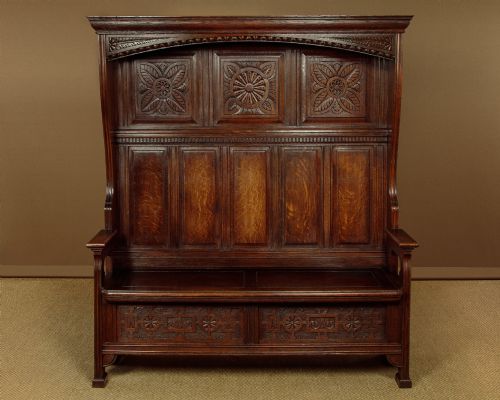
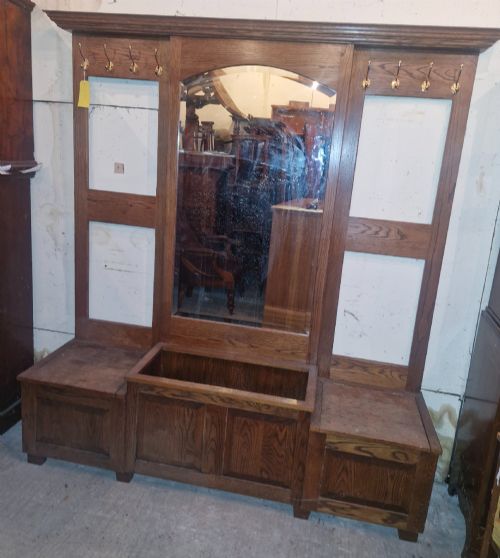
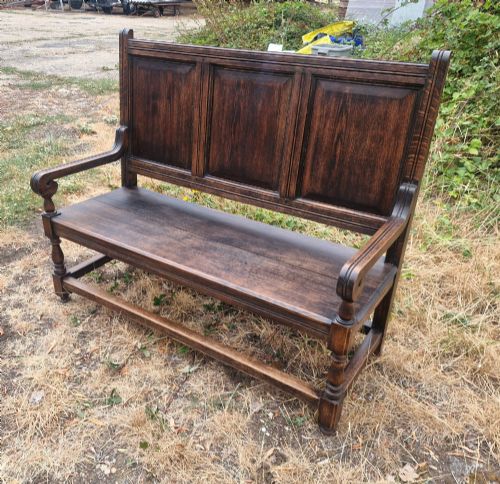
The category spans several functional regional types, including high-backed settles designed to block draughts, lift-top box benches used for boots or linen, and open hallway seats. Pieces often appear in vernacular styles such as English Country, rustic farmhouse or Welsh vernacular, reflecting practical everyday construction rather than formal court design.
Makers and carpenters utilised durable native hardwoods, resulting in survivors that display honest construction methods such as pegged joints and panelled backs. These items bridge decorative and functional roles, offering compact hall seating as well as long farmhouse formats.
How they were made
Traditional oak bench seats rely heavily on solid timber boards joined with traditional methods such as mortise and tenon joinery secured by wooden pegs. Carpenters shaped structural elements from native oak and occasional elm, utilising the natural strength of the wood to support daily weight without complex internal framing.
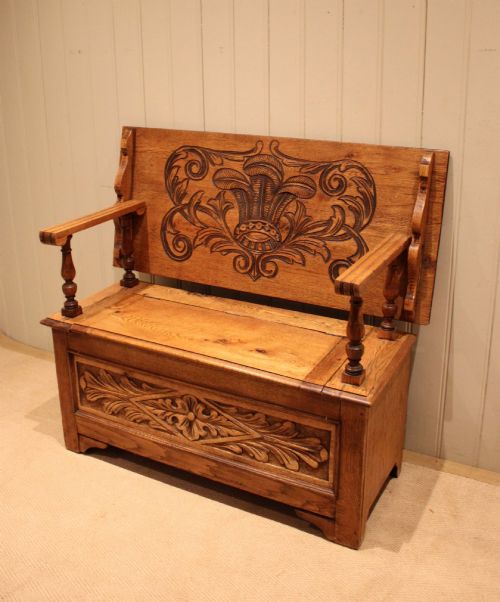
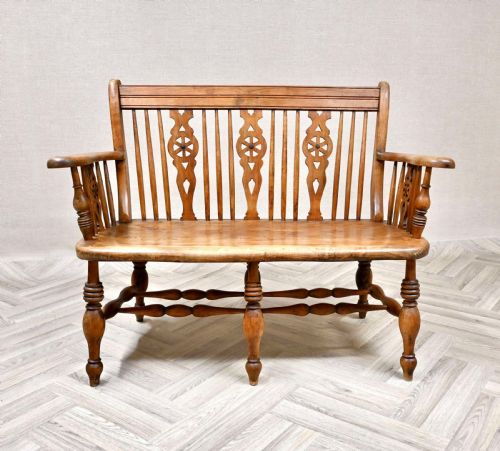
Surface finishing typically involved simple waxing, oiling or leaving the timber unfinished to weather naturally, particularly on garden variants and rustic farmhouse pieces. Decorative touches on finer examples include carved panelling, shaped armrests and turned supports rather than applied veneers.
Current listings feature oak alongside secondary materials including elm, iron, brass and fabric cushions.
What varies in quality
Quality in these benches rests on the integrity of the original timber and the restraint of any later interventions. Pieces retaining their original unthinned boards, uncompromised structural pegging and authentic surface patination stand apart from examples altered or heavily reworked over generations.
The finesse of the joinery and the depth of any hand-carving also distinguish workshop standards, separating utilitarian vernacular items from more considered regional showpieces. Proportions, stability under load and the preservation of original hardware like hinges on box seats further define the better examples.
The Traditional Oak Bench Seat Glossary
- Settle
- A wooden bench with a high back, solid arms and often a closed base or box compartment underneath. They were originally placed near firesides to shield occupants from cold draughts.
- Joint stool
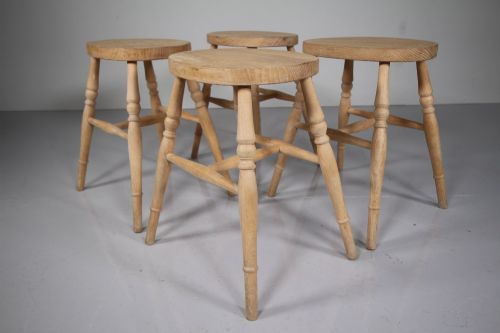
- A low wooden stool constructed with mortise and tenon joints rather than turned legs inserted into a seat. They predate chairs as common household seating.
- Box settle
- A form of seating featuring a hinged seat lid that opens to reveal a storage compartment within the base. It served a dual purpose for keeping blankets or boots.
- Vernacular furniture
- Domestic objects built by local craftspeople using regional traditions and readily available materials rather than following high-style metropolitan pattern books.
- Limed oak
- Timber treated with a specialised finish that leaves a white or pale pigment in the grain. This technique highlights the natural texture of the wood.
Traditional Oak Bench Seat: Frequently Asked Questions
Where should I place a traditional oak bench seat?
These pieces suit narrow hallways, boot rooms or beneath windows where their low profile preserves light and space. They also anchor dining tables when paired with chairs.
Enclosed box variants provide hidden storage for shoes or textiles, making them practical functional additions to entryways.
How do I tell an 18th-century settle from a later revival piece?
Eighteenth-century examples display hand-cut joinery, pegged construction and deep natural patination acquired through generations of handling. The grain patterns and board widths reflect historical timber preparation.
Revival pieces from the early twentieth century often show machine saw marks, standardised modern screws or lighter, uniform finishes that lack deep wear.
Are these benches suitable for daily seating use?
Solid oak construction provides exceptional structural strength capable of withstanding heavy daily use. Most surviving pieces were engineered for hard domestic labour.
Adding cushions or textiles improves comfort on unpadded wooden seats during extended sitting periods.
How do I maintain the finish on an antique oak bench?
Regular dusting with a dry lint-free cloth prevents surface grime accumulation. Applying a quality beeswax occasionally nourishes the timber and preserves the natural patina.
Avoid placing wooden seating near direct heat sources or in damp conditions to prevent timber splitting or warping.