

18th Century Hall Seat
An 18th century hall seat provides robust hallway furniture designed for practical seating and storage.
18th Century Hall Seat
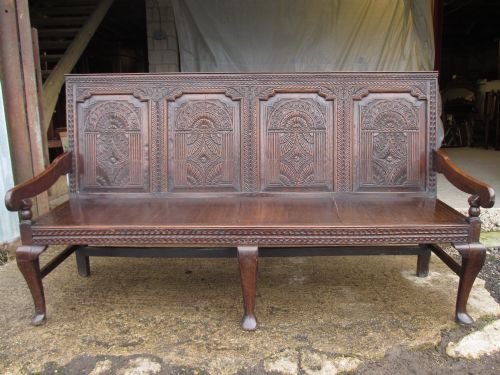
When you search for an 18th century hall seat, you encounter an array of robust wooden furniture designed for domestic hallways, passages and grand entrance spaces. These pieces combine practical seating with storage capabilities, fulfilling the traditional demands of household life in past centuries.
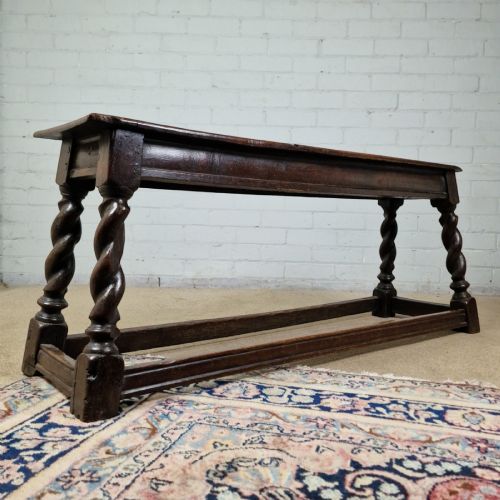
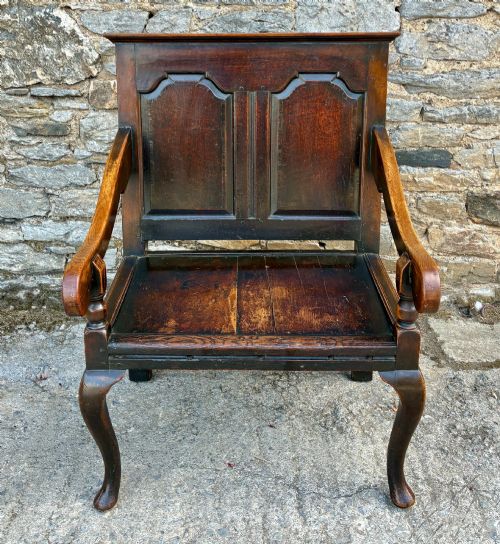
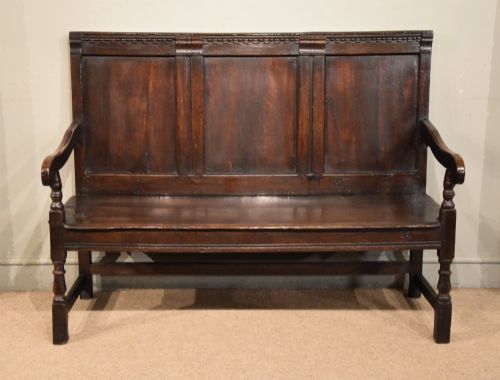
On this page, oak and mahogany versions dominate the selection, spanning simple country forms to elaborate George III designs. Settles, benches and hall chairs appear frequently, representing the primary types used in historic interiors.
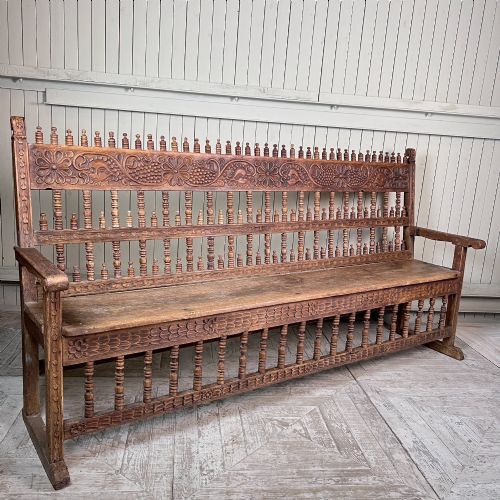
Regional vernacular pieces, including Welsh and English country variations, sit alongside formal Georgian seating. This variety reflects the diverse domestic and social requirements of the period, from farmhouses to formal townhouses.
How they were made
Cabinet makers and vernacular joiners utilised solid timbers such as oak, mahogany, walnut and elm to construct these seats. Construction often involved panelled framing, pegged joints and mortise and tenon techniques to ensure structural durability.
Carving, turning and applied mouldings decorated the woodwork on formal Georgian examples, while country pieces relied on the natural grain and sturdy proportions of native woods. Selected items also integrated ash, fruitwood, pine and brass or iron hardware.
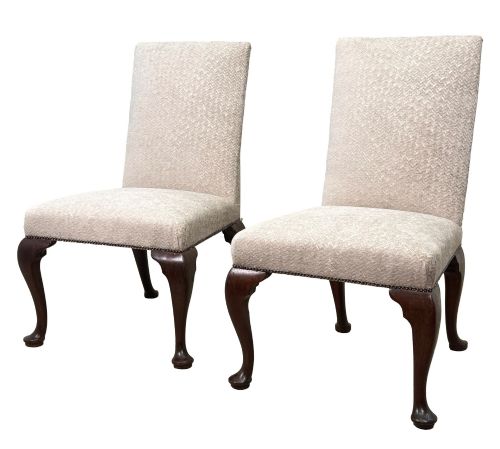
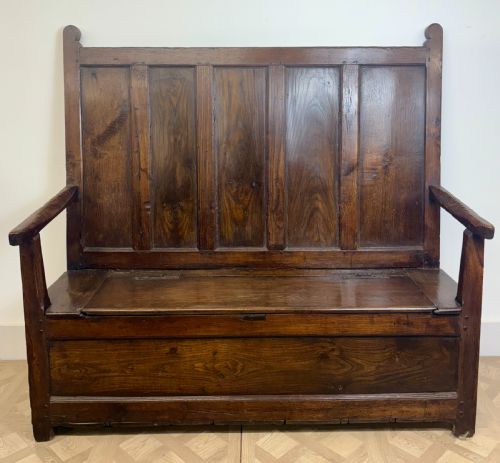
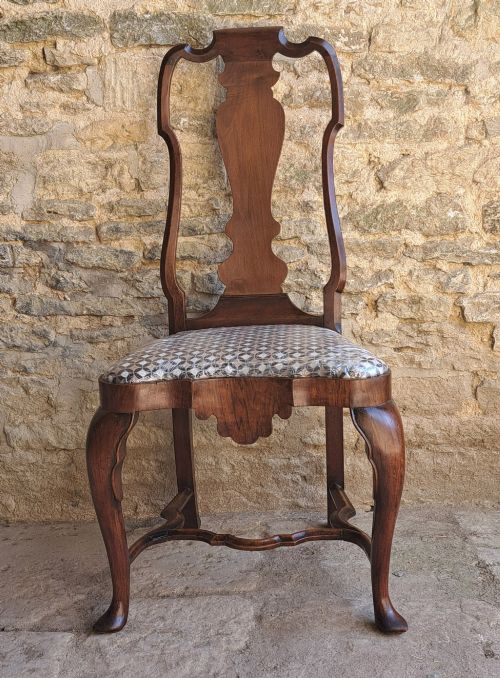
Upholstery appeared on specific walnut and mahogany side chairs, employing fabric over padded frames. Box settles featured lidded seats that opened to reveal storage compartments beneath.
Listings feature oak, mahogany, walnut, elm, pine, ash and fruitwood across Georgian and 18th century periods.
What varies in quality
The choice of timber and the precision of the joinery define the distinction between standard utilitarian furniture and high status pieces. Figured mahogany and finely carved walnut command greater attention than simple pine or heavily repaired utilitarian oak.
Proportion and design integrity also separate individual items, as evidenced by balanced regional settles compared against asymmetrical country versions. Sculptural carving and sophisticated stylistic details distinguish metropolitan workshops from local vernacular output.
The 18th Century Hall Seat Glossary
- Settle
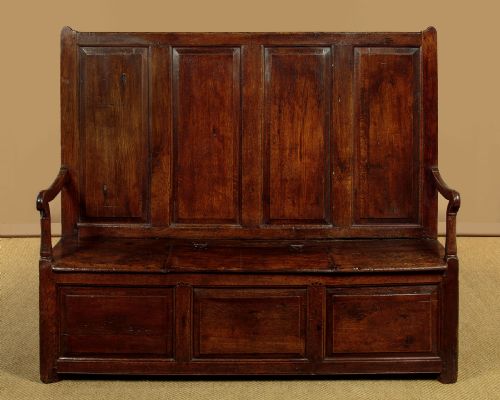
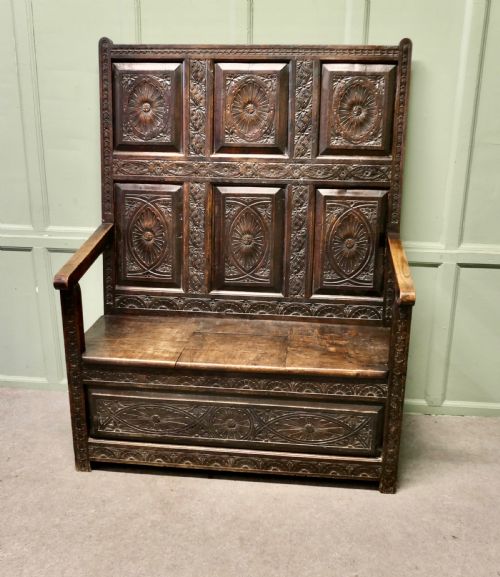
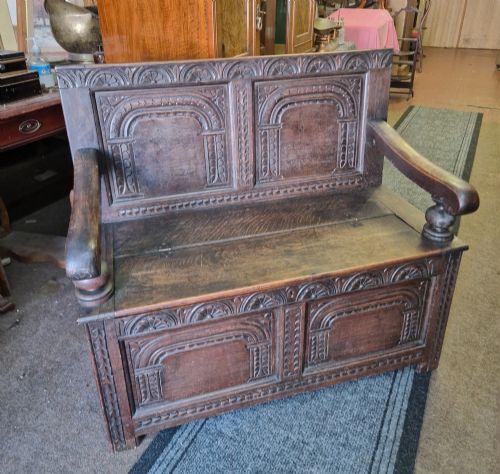
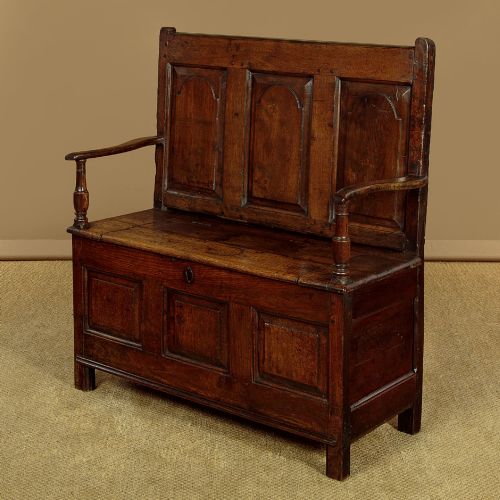
- A wooden bench with high back, solid arms and an enclosed box seat beneath. This form provided draught protection in large halls and kitchens.
- Hall chair
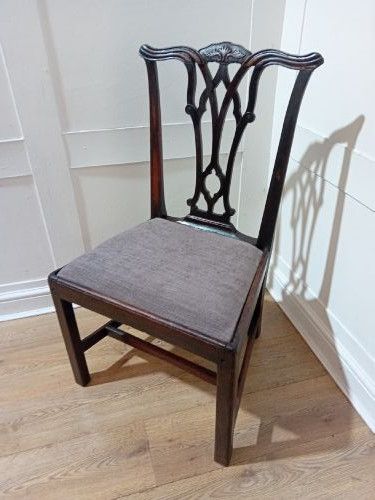
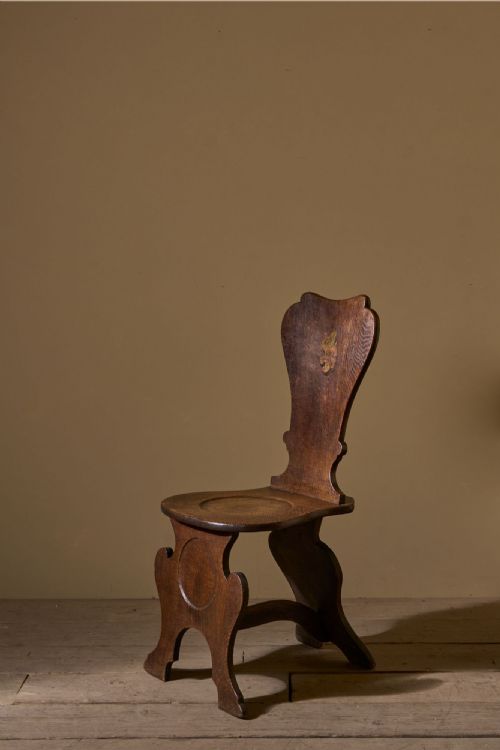
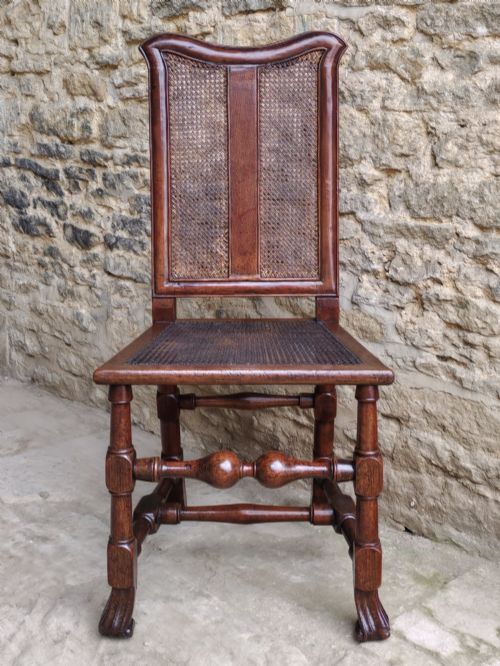
- A rigid wooden seat designed for placement in a hallway, often featuring a carved or painted shield back. These chairs served visitors waiting in entrance spaces.
- Vernacular
- Furniture built by local craftsmen using regional traditions and native materials rather than adhering to metropolitan academic styles. Such pieces display distinct local characteristics.
- Box seat
- A hinged seat base that opens to create a storage compartment within the body of the bench or settle. This feature kept household textiles or belongings secure.
- Sgabello
- A light wooden chair featuring shaped slab supports instead of conventional legs, originating in the Renaissance. Examples appear in various 18th century contexts.
18th Century Hall Seat: Frequently Asked Questions
What is an 18th century hall seat?
An 18th century hall seat is a sturdy wooden bench, settle or chair designed for placement in entrance halls and passage spaces. These items provided practical seating for visitors and household members.
Many designs also incorporated storage compartments beneath the seat lids. They range from simple oak country pieces to carved mahogany George III examples.
How were box settles used?
Box settles served as dual purpose furniture in domestic hallways, kitchens and living spaces. The high wooden back protected occupants from cold draughts near doors and hearths.
The enclosed box beneath the seat provided concealed storage for blankets, cushions or household goods.
What woods were used for hall seats?
Oak and mahogany form the primary materials for these seats across the 18th century. Walnut, elm, ash, fruitwood and pine also appear frequently in regional and vernacular pieces.
Hardware elements occasionally incorporated brass or iron fastenings and hinges.
How do I distinguish regional styles?
Regional styles reveal themselves through timber choices and construction methods unique to specific areas. Welsh and English country pieces often utilise native oak, elm or fruitwood with robust vernacular framing.
Metropolitan pieces typically display sophisticated mahogany or walnut carving associated with Georgian design standards.
Where should I place a hall seat?
A hall seat suits entrance corridors, spacious landings or large open plan living areas. Their durable wooden construction handles heavy everyday use in transitional spaces.
Placing them away from direct heat sources helps preserve the antique timber over time.