

Antique Wood Settle
An antique wood settle is a high-backed seating piece built to block drafts and anchor a room, drawing buyers for its solid craft and storage.
Antique Wood Settle
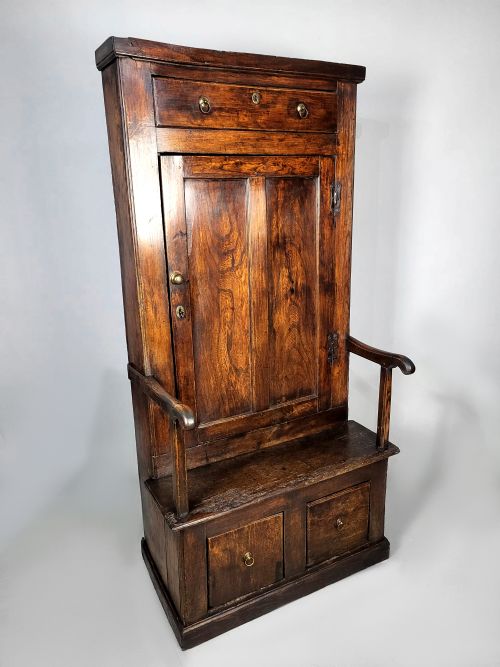
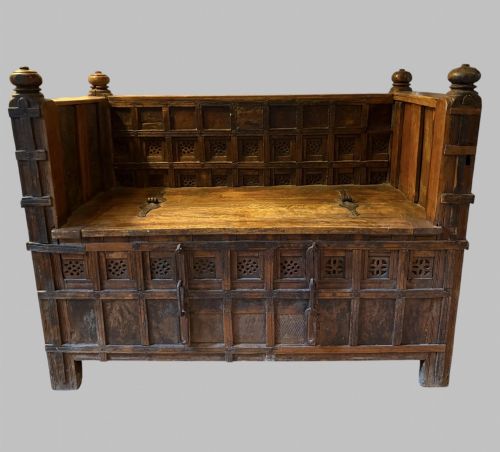
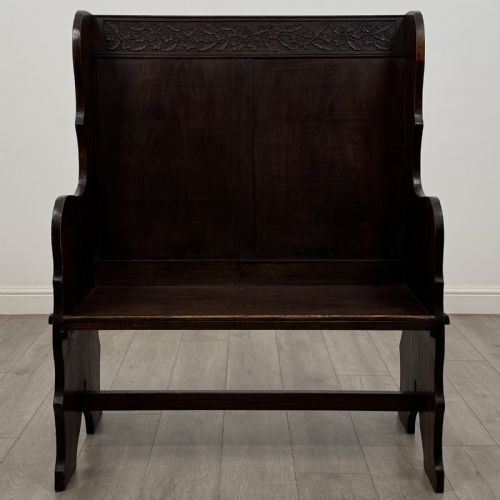
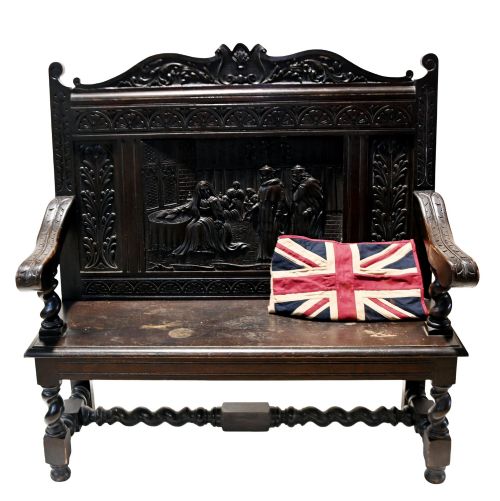
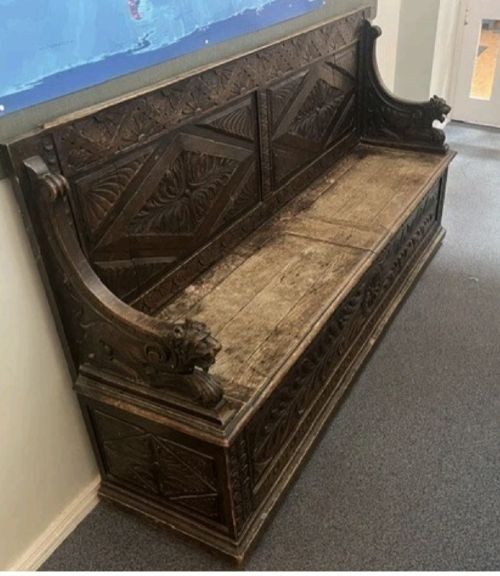
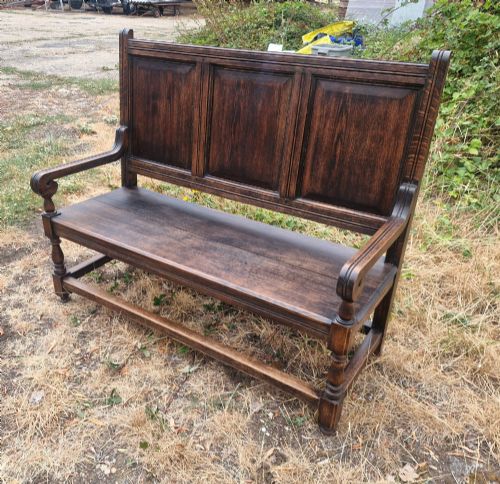
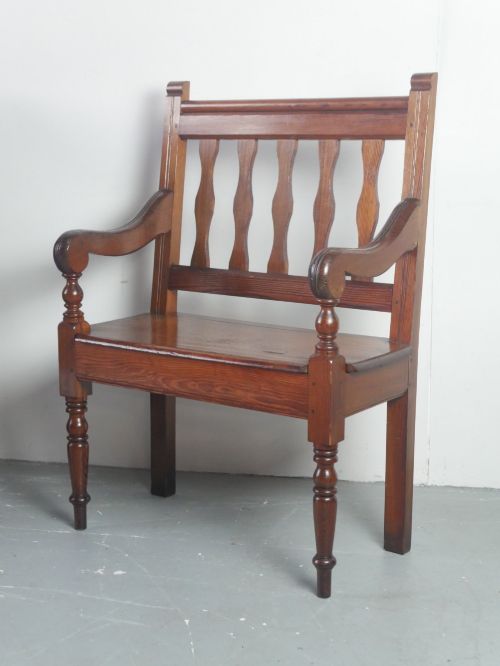
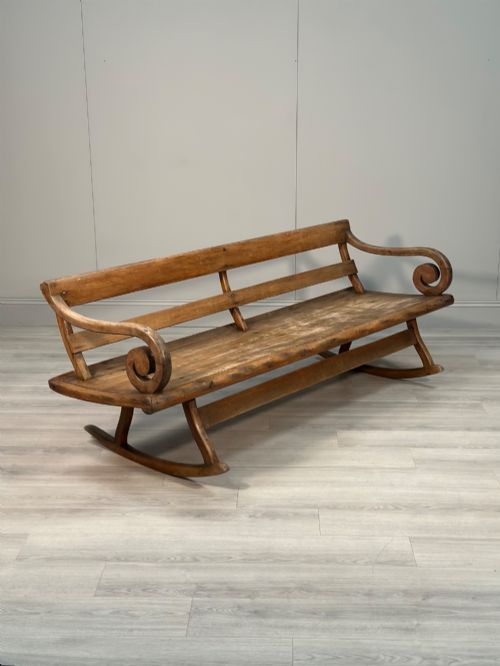
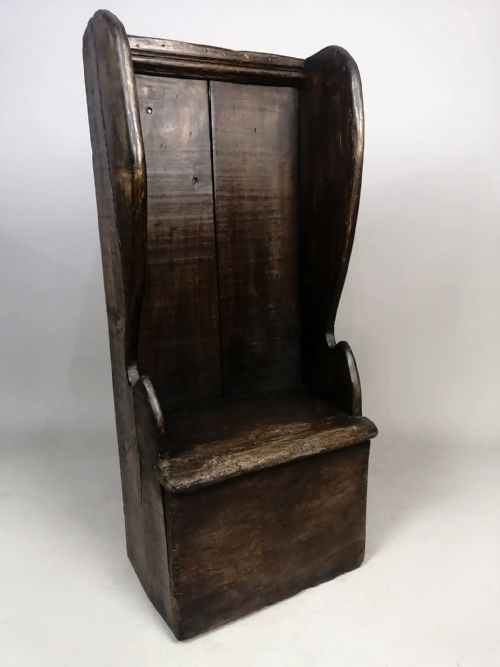
An antique wood settle is a high-backed bench designed originally to keep draughts away from the hearth in large rooms. Buyers seeking an antique wood settle usually find heavy panelled examples in oak from the seventeenth and eighteenth centuries, alongside nineteenth-century country pieces in pine and fruitwood. These seats often incorporate a box base with a lift-up lid, serving double duty as a bench and a blanket chest.
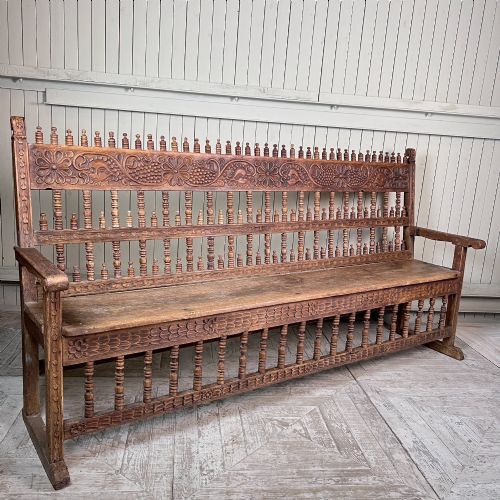
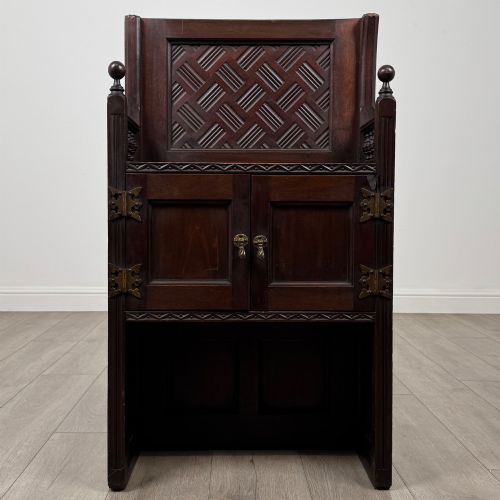
The selection ranges from tall, straight-backed tavern benches to intricate carved revival pieces from the Victorian era and the early twentieth century. Regional variations include high-backed panelled oak from English farmhouses and smaller fruitwood pieces suited to tighter spaces. Buyers also encounter Continental painted pine versions and imported hardwood forms featuring elaborate carving.
How they were made
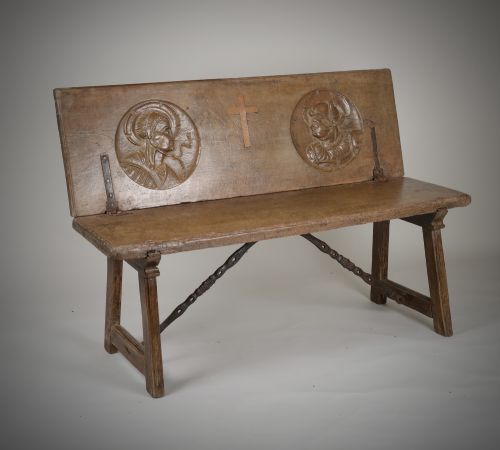
Joiners built the earliest settles using thick oak planks joined by mortise and tenon frames, pinned with wooden trammels rather than iron nails. Panels sat within grooved framing to allow the timber to expand and contract naturally with seasonal humidity changes.
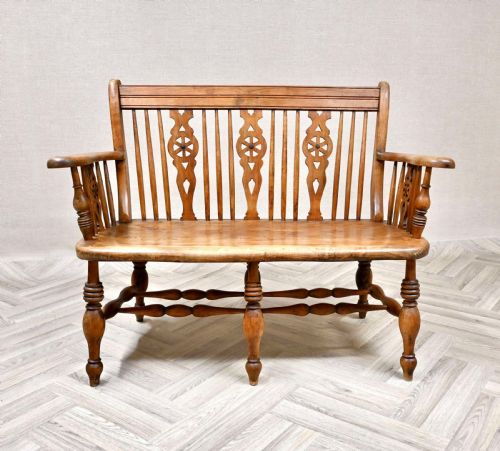
Later examples employed softer timbers like pine and fruitwood, sometimes finished with a painted surface or left exposed to show the grain. Carpenters shaped high backrests from solid boards or assembled them from vertical panels, frequently adding armrests carved from single sections of timber.
Antique Wood Settle Retail Price Guide 2026
Typical asking prices for wood settle among the pieces listed under this phrase on Sellingantiques today, from the lower quarter to the upper quarter. They describe what is for sale here now, not the wider market.
Some nineteenth-century settles included fold-down cup holders for weary travellers needing a secure spot for their ale.
What varies in quality
The integrity of the original timber structure separates standard examples from superior ones. Settles retaining their original boarded backs, uncompromised seat bases, and matching arm supports command greater respect than those rebuilt with replacement panels or modern fixings.
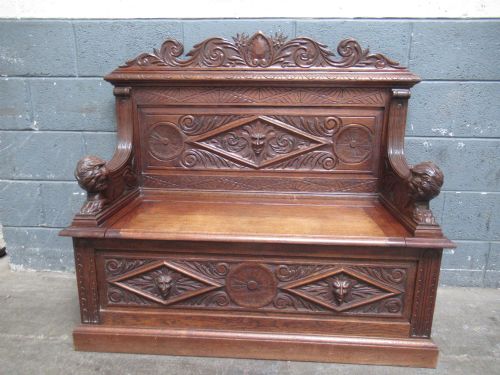
Carving depth and execution distinguish provincial workshops from master cabinetmakers. Crisp, hand-chiselled details on the crest rails and arm terminals show an artisan's deliberate hand, whereas later mechanical tooling lacks the same depth and variation.
James Shoolbred & Co.
The Antique Wood Settle Glossary
- Box settle
- A wooden bench featuring a compartment beneath the seat accessed by lifting the lid. This storage space kept blankets and household goods dry and away from damp stone floors.
- Lambing chair
- An enclosed wooden armchair with wings and a high back designed to shield the sitter from draughts. These pieces often include a small drawer or compartment beneath the seat.
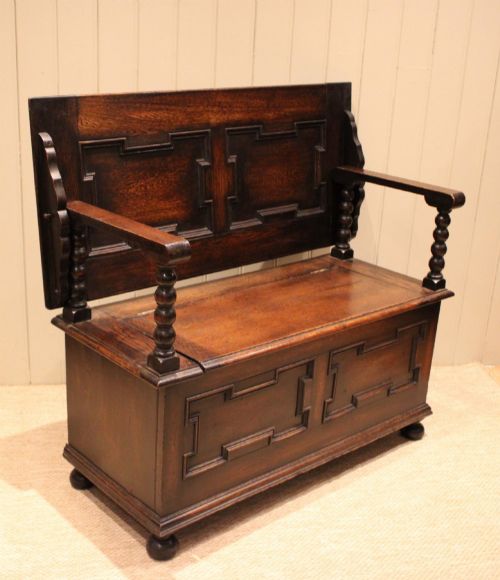
- Monks bench
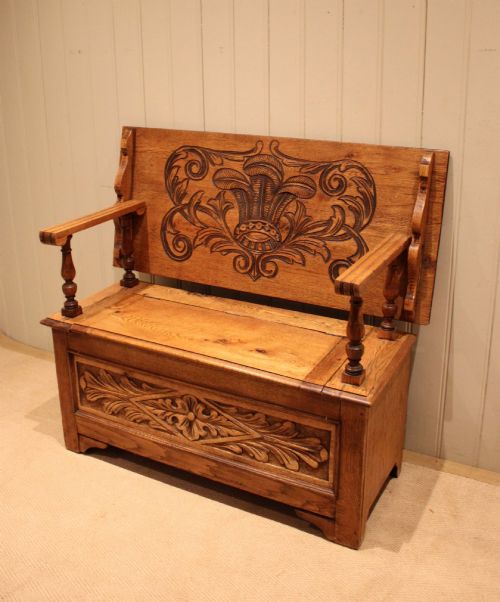
- A convertible piece of furniture with a pivoting back that folds down to form a table top over a box base. They gained popularity during revival periods drawing on earlier forms.
- Panelled back
- A backrest constructed from individual wooden panels fitted within a grooved wooden frame. This method stopped the wood from warping while providing a flat surface for decorative carving.
Antique Wood Settle: Frequently Asked Questions
What is an antique wood settle?
An antique wood settle is a traditional high-backed wooden bench built with solid arms and a tall panelled back to block cold draughts in old houses.
Most examples date from the seventeenth to the nineteenth centuries and were constructed from oak, pine, or fruitwood for use in domestic halls, farmhouses, and rustic inns.
How were settles used originally?
These benches were placed beside fireplaces or near main entryways to shield occupants from cold air circulating through large rooms.
Many incorporated a hinged seat concealing a deep box beneath, which served as practical storage for heavy woollen blankets and everyday household items.
How do I care for a wood settle?
Keep the timber away from direct heat sources and sudden temperature shifts to prevent the dry wood from cracking or warping over time.
Feed the surface with a quality beeswax sparingly to preserve the finish, avoiding modern silicone sprays that build up and attract dust.
How do I tell an old settle from a reproduction?
Examine the timber joints for handmade pegging, tool marks from hand planes, and natural wear patterns around the footrests and seat edges.
Older pieces show consistent oxidation deep within the grain and structural wear that matches centuries of use rather than artificial distress marks.