

Traditional Nightstand Cabinet
Traditional nightstand cabinet pieces are compact bedside cupboards and chests in mahogany, walnut and oak that hold evening essentials beside a bed.
Traditional Nightstand Cabinet
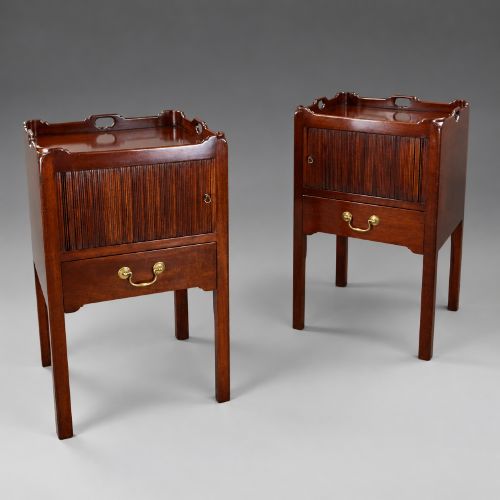
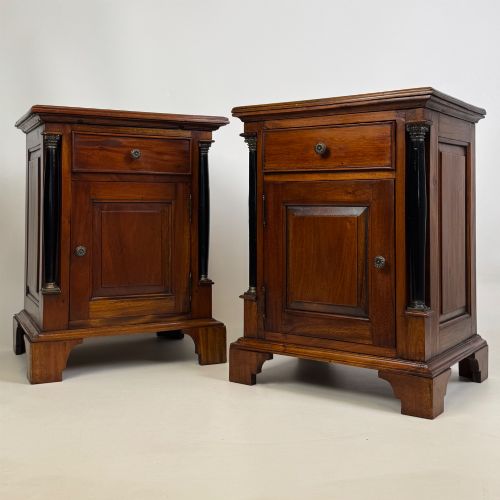
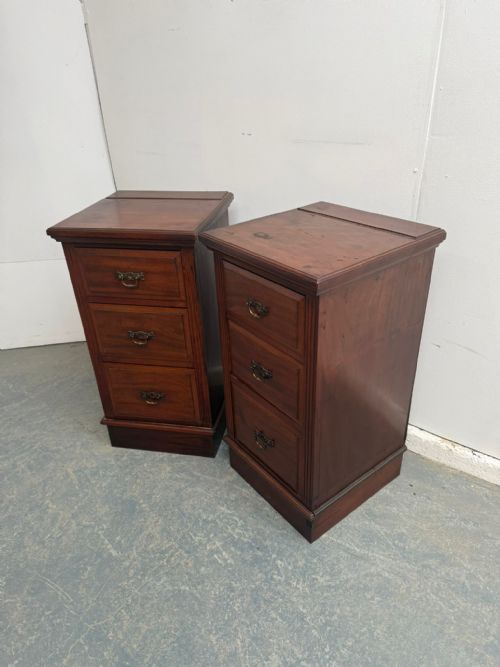
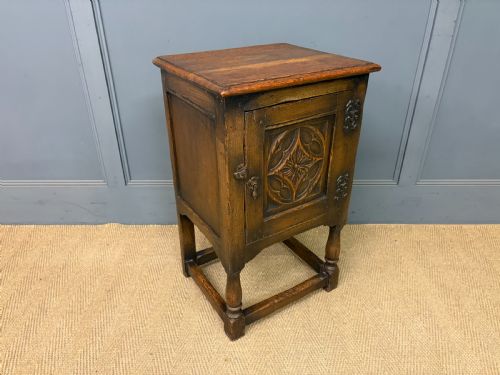
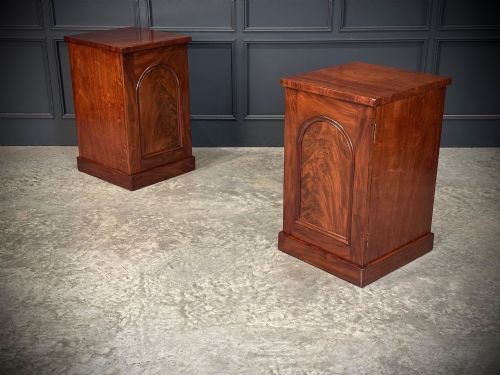
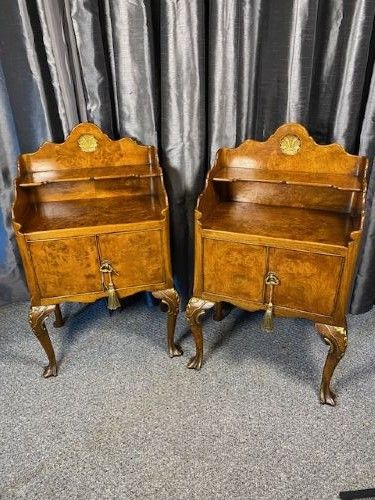
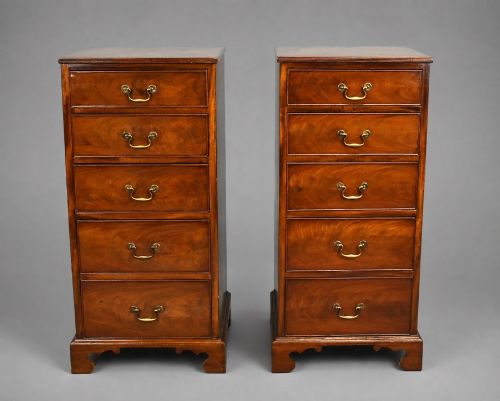
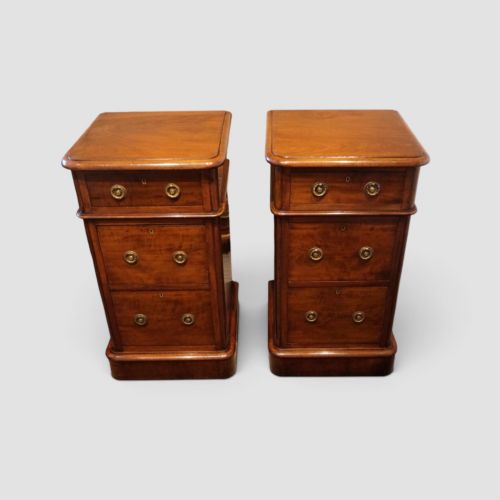
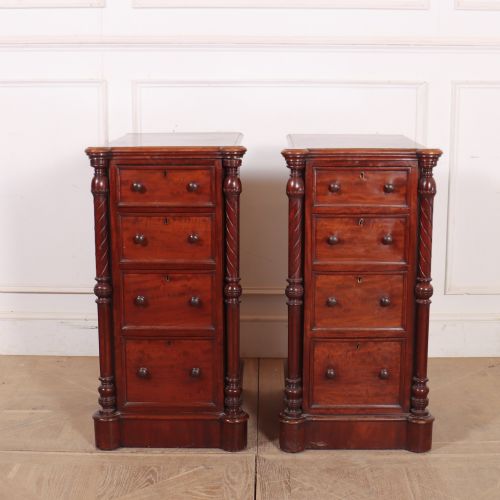
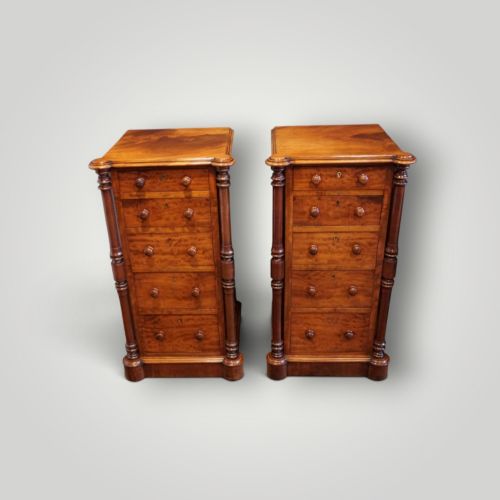
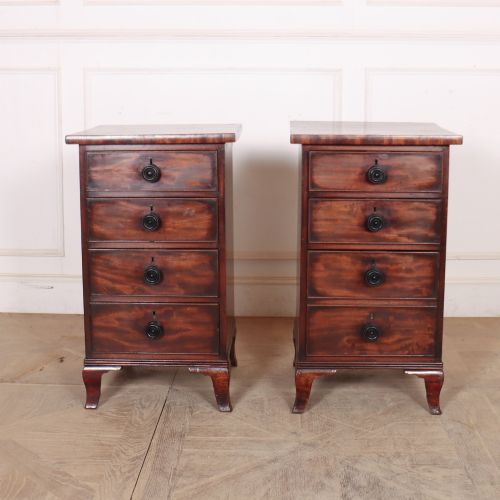
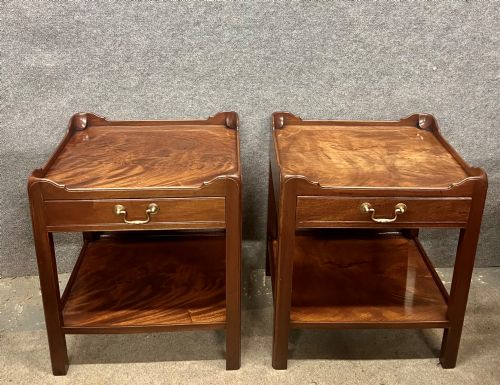
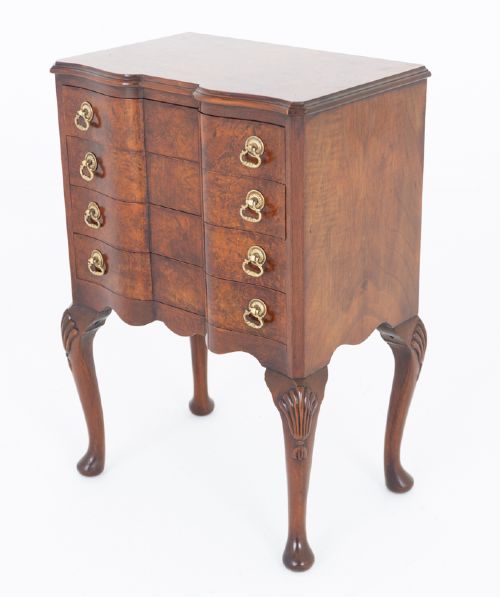
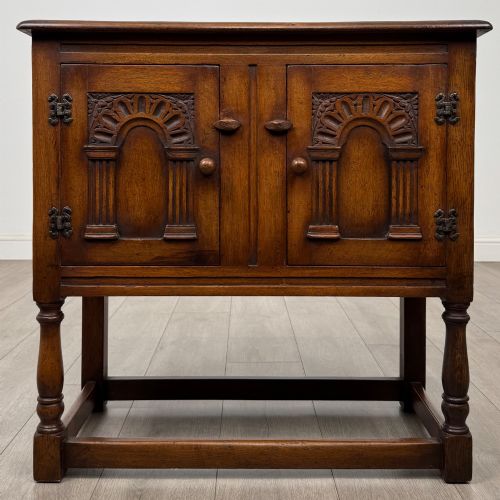
A traditional nightstand cabinet search brings up bedside tables, cupboards, and small chests intended to sit beside a bed. The listings here show these pieces arriving in forms such as three-drawer chests, enclosed cupboards, and drop-flap units.
Most examples on this page date from the Victorian and Edwardian eras, alongside pieces built in Georgian styles during the nineteen-thirties. Buyers encounter woods like mahogany, walnut, and oak frequently across these periods.
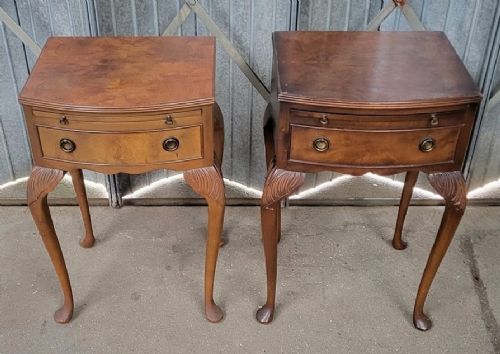
Makers designed these items to store personal items close at hand while matching the larger bedroom furniture of their time. The selection includes single pieces as well as matched pairs.
Materials and construction methods
Cabinet makers relied heavily on solid hardwoods and decorative veneers, choosing mahogany, walnut, burr walnut, and oak for their strength and grain patterns. Metal fittings in brass and iron appear on handles, hinges, and occasional mounts.
Construction methods visible in these listings include traditional drawer joinery, turned supports, and carved detailing found in revival styles. Workshops utilised wax finishes and polished surfaces to protect the timber while highlighting the natural figure of the wood.
Listings feature woods such as mahogany, walnut, burr walnut, and oak alongside brass and iron hardware.
Distinguishing quality in bedside furniture
Quality rests on the selection of timber and the precision of the cabinet work rather than age alone. Pieces featuring flame mahogany or burr walnut veneers demonstrate greater attention to visual detail than plain counterparts.
The finish of carved elements and the integrity of small drawers indicate the level of craftsmanship invested by the maker. Sturdy construction without unnecessary modern repairs separates the finer examples from standard utility pieces.
Warings Liverpool
The Traditional Nightstand Cabinet Glossary
- Mahogany
- A durable tropical hardwood with a reddish-brown colour that was widely favored for nineteenth-century bedroom furniture.
- Burr walnut
- Timber taken from a walnut tree growth, yielding a swirling, highly decorative grain pattern used on cabinet facades.
- Drop flap
- A hinged panel that lowers to provide extra surface area or access to an interior compartment.
- Queen Anne style
- A design movement characterised by cabriole legs and restrained curves popular during revival periods.
- Bedside chest
- A small chest of drawers scaled specifically for use beside a bed rather than against a main wall.
Traditional Nightstand Cabinet: Frequently Asked Questions
What is a traditional nightstand cabinet?
A traditional nightstand cabinet is a small piece of bedroom furniture designed to hold items next to a bed. These items take the form of enclosed cupboards, open tables, or small drawer chests.
Most examples found here date from the nineteenth and early twentieth centuries. They function as both practical storage and decorative accents in a bedroom.
How do I choose between a cupboard and drawers?
Cupboard styles provide concealed space behind a door for larger items. Drawer versions organise smaller personal belongings into tiers.
Consider what you need to store out of sight before selecting a format. Both styles share compact footprints suited for bedside placement.
Are these pieces sold as pairs?
Many listings feature matched pairs of bedside cabinets intended to flank a double bed. Single pieces also appear frequently for tighter spaces.
Pairs offer visual symmetry in a bedroom layout. Single cabinets work well alongside a bed positioned in a corner.
How do I care for antique wood surfaces?
Keep wooden surfaces away from direct heat sources and strong sunlight to prevent the timber from drying out. Periodic application of appropriate wax helps maintain the lustre of the finish.
Use coasters under drinks and felt pads under objects placed on the top surface. Gentle dusting with a soft cloth preserves the original polish.