
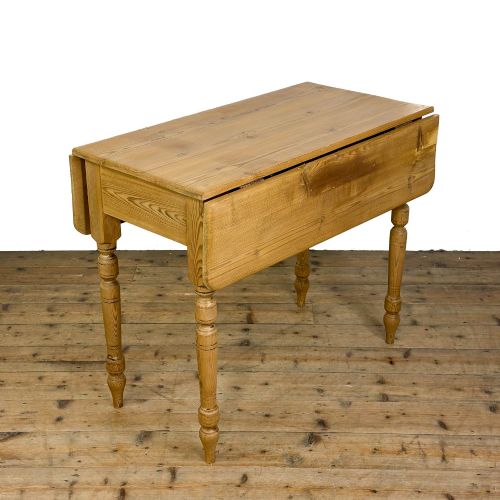
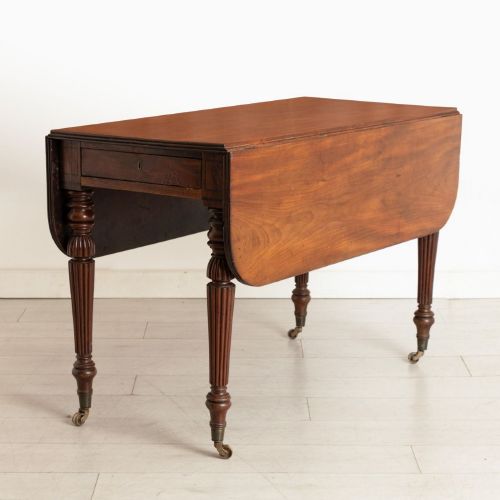
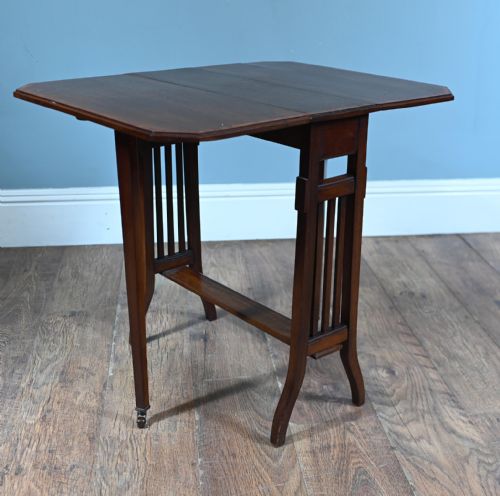
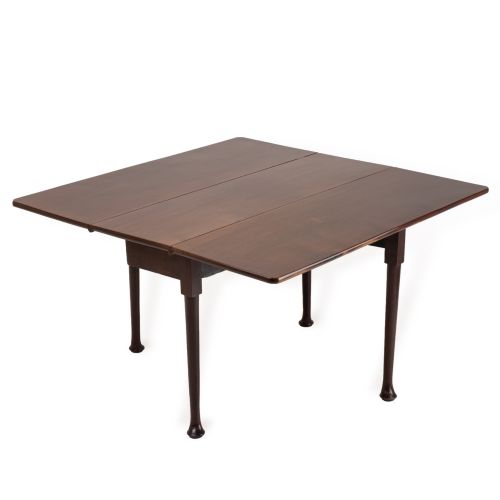
Vintage Flap Side Table
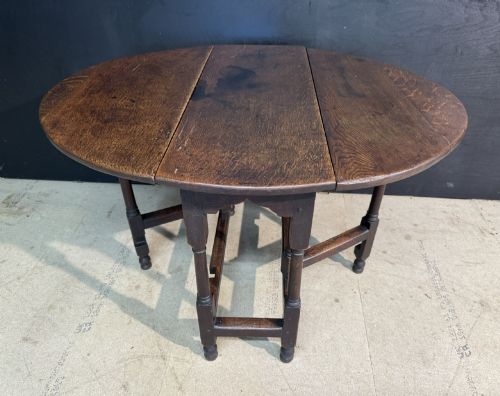
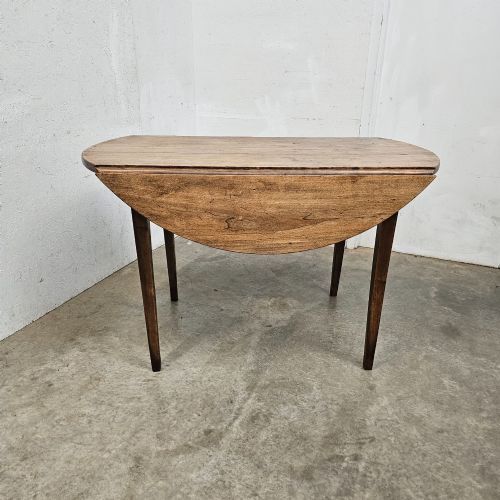
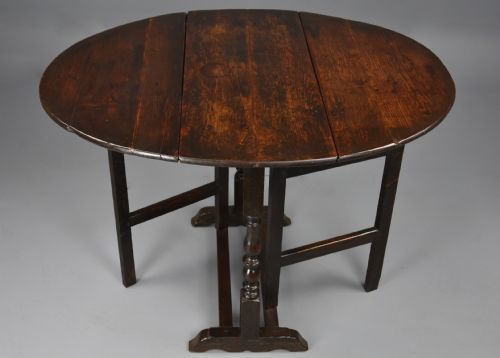
These vintage flap side table designs offer clever folding leaves, appearing across periods from the seventeenth century to the twentieth.
Vintage Flap Side Table
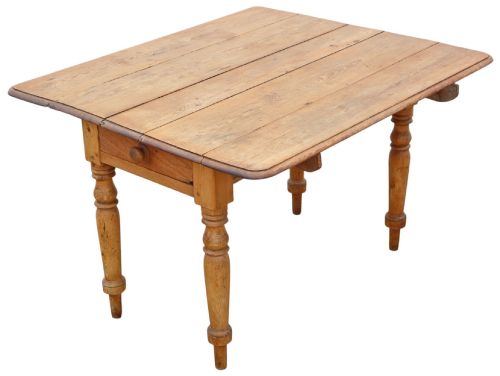
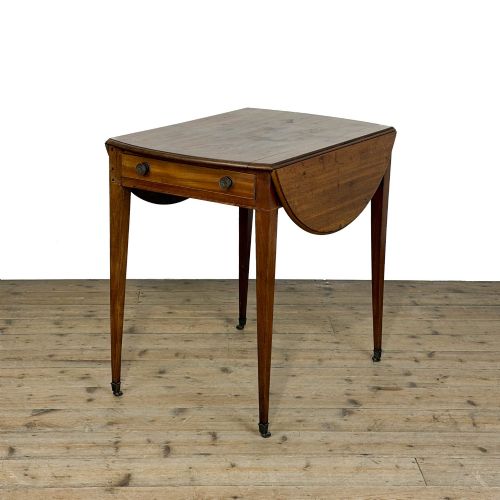
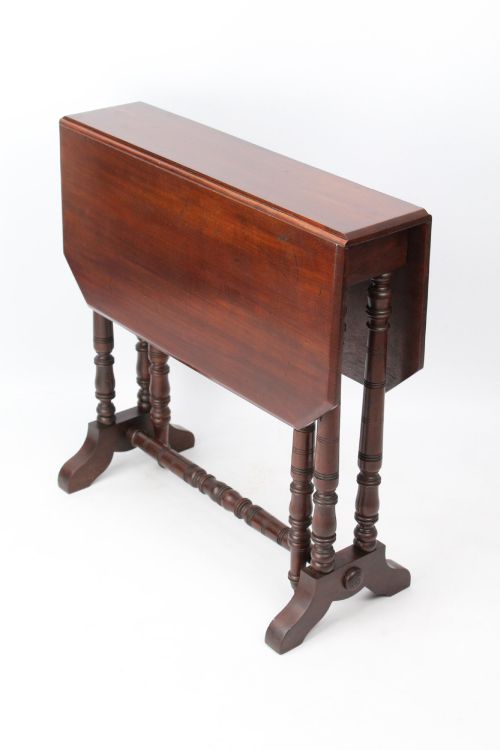
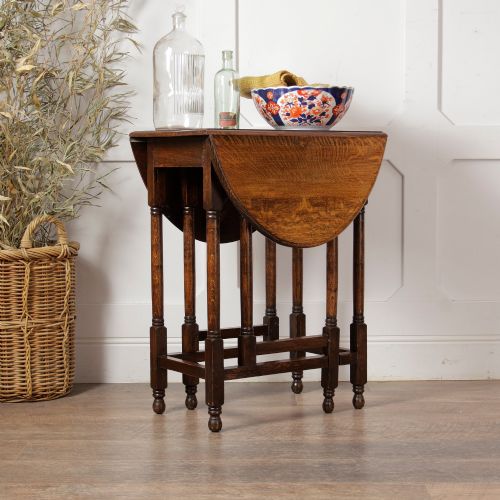
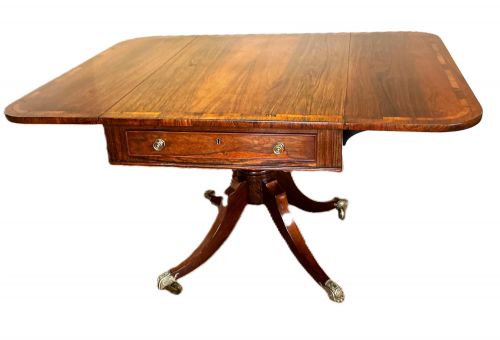
A vintage flap side table serves as a flexible surface, expanding when leaves raise and dropping down when space requires. The selection spans compact gateleg constructions, Pembroke tables with drawers, and slender Sutherland tables.
Makers produced these forms in woods like mahogany, oak, walnut and pine, drawing on Georgian, Regency, Edwardian and Jacobean styles. Pieces range from small country kitchen tables to refined library and tea tables with inlay or drop flaps.
How they were made
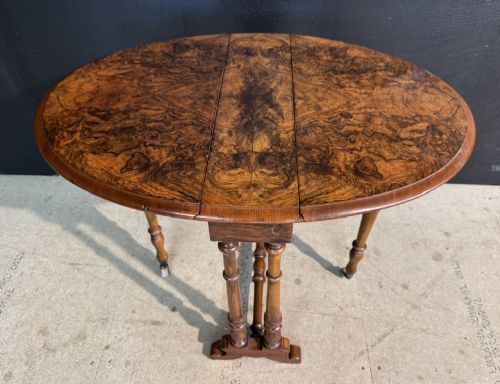
Cabinetmakers utilised solid timbers such as mahogany, oak and walnut alongside pine and fruitwood, often selecting figured veneers like burr walnut and satinwood for decorative surfaces. Joinery relies on traditional methods, pairing hinged flaps with swing legs, gatelegs or drop supports.
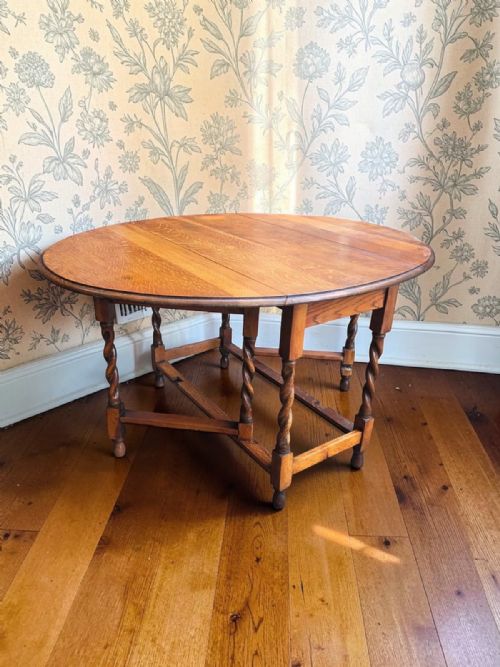
Turned elements appear frequently, including barley twist legs, bobbin turning and straightforward tapered supports, sometimes accented with brass hardware, drawers or marquetry details.
Some miniature Sutherland tables exist, offering all the folding mechanics of a full-sized dining piece scaled down for a dollhouse or cabinet.
What varies in quality
The distinction rests in the choice of timber, the crispness of turning on the legs, and the cleverness of the folding mechanism. Superior examples display well-figured mahogany or walnut grain, smooth hinge action and stable gateleg supports that hold the leaves level.
Simpler pine or fruitwood utility tables rely on honest proportion and practical charm rather than ornate cabinetwork, while finer Georgian and Regency iterations show meticulous attention to edge profiles and drawer fitting.
The Vintage Flap Side Table Glossary
- Gateleg table
- A table with hinged leaves supported by legs that swing outward like a gate. This design provides sturdy support for the drop leaves.
- Pembroke table
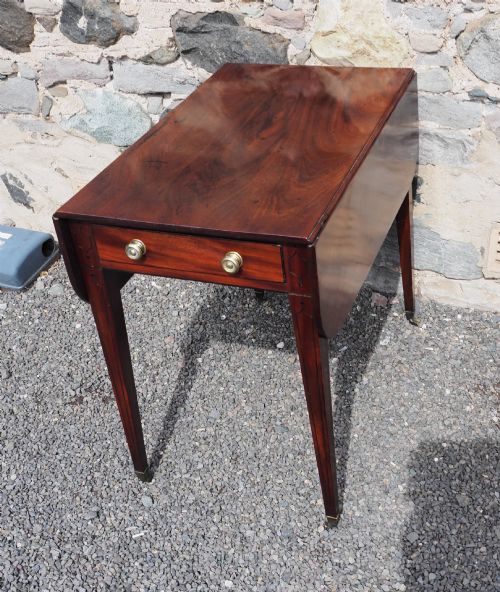
- A small rectangular table featuring two hinged drop leaves on opposing sides, frequently fitted with a single drawer. It originated in the eighteenth century as a breakfast or writing table.
- Sutherland table
- A narrow drop-leaf table characterised by particularly slender leaves and legs that fold flat against a central frame. It saves maximum floor space when closed.
- Barley twist
- A spiral turning technique shaped into furniture legs and stretchers, popular in seventeenth-century and later revival pieces. It adds texture and visual weight to the supports.
- Drop flap
- A hinged section of a tabletop that lowers when not in use. It allows the overall footprint of the table to contract quickly.
Vintage Flap Side Table: Frequently Asked Questions
How do I support the drop leaves?
Most folding tables utilise pivoting wooden gatelegs, swing brackets or sliding wooden arms located beneath the flaps.
Ensure the swinging support locks securely into position beneath the leaf edge to keep the surface level.
Where should I place a flap side table?
These adaptable tables fit neatly beside sofas, in hallways or against unused walls where standard furniture proves too bulky.
Lowering one or both leaves allows the piece to hug the wall closely until extra surface area is needed.
How do I distinguish oak from mahogany pieces?
Oak exhibits a prominent, coarse grain pattern with visible silver medullary rays, commonly appearing in earlier seventeenth and eighteenth-century pieces.
Mahogany displays a smoother, denser reddish-brown grain that became dominant during the Georgian and Regency periods.