




Traditional Metal Fire Irons
Traditional metal fire irons are the hearth accessories that bring utility and period character to an open fireplace.
Traditional Metal Fire Irons
Traditional metal fire irons encompass sets of hearth tools designed for tending coal or wood fires. When searching for traditional metal fire irons, a buyer encounters matching companion sets and individual pokers, tongs, and shovels spanning several centuries.
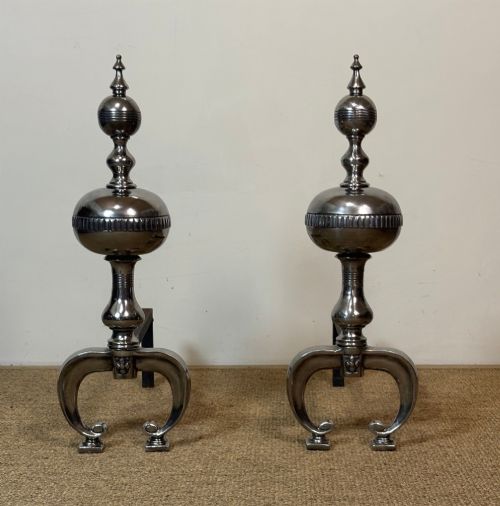
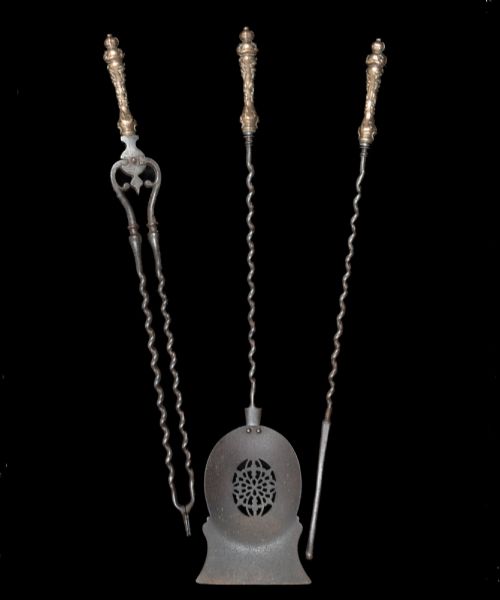
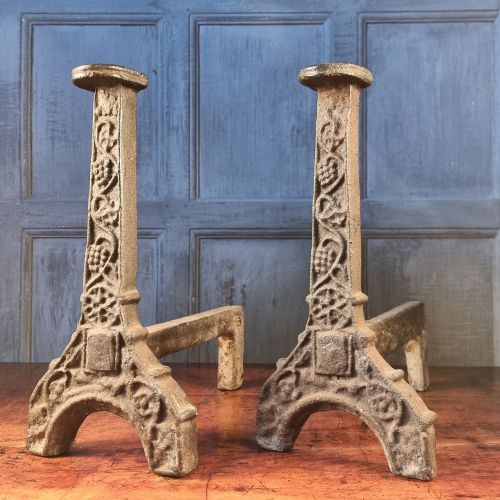
The pieces listed on this page originate from periods such as the nineteenth century, the Victorian era, and the nineteen-thirties. Forms range from steel companion sets to wrought iron tools and heavy fire dogs.
Most examples meet the practical demands of an active hearth while reflecting stylistic shifts from Gothic Revival and Arts and Crafts movements to rustic country designs.
How they were made
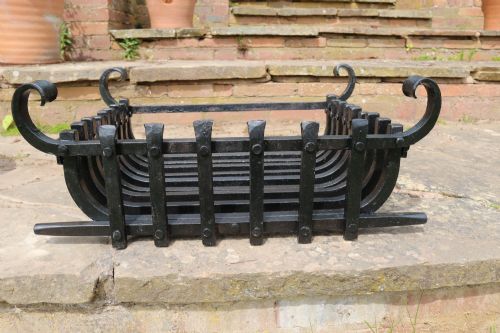
Metals such as steel, wrought iron, cast iron, and brass form the structural core of these hearth implements. Smiths and metalworkers utilised techniques like hand-forging, casting, and burnishing to shape the raw metal into durable fire tools and sturdy andirons.
Details incorporate secondary materials including copper, wire mesh, leather, and oak, particularly in club fenders and fire screens. Surface finishes vary from polished steel and shiny iron to the textured grain of hand-forged wrought iron.
What varies in quality
Substance and heft separate heavier companion sets and fire dogs from lighter utility pieces. The caliber of the metalwork shows in the clean execution of forged joints, the uniformity of burnished steel, and the solidity of brass components.
Design integrity distinguishes standard hearth tools from those bearing distinct stylistic movements like Arts and Crafts or Gothic Revival. Superior pieces maintain structural rigidity under daily heat and use while retaining their original surface finish.
The Traditional Metal Fire Irons Glossary
- Andirons
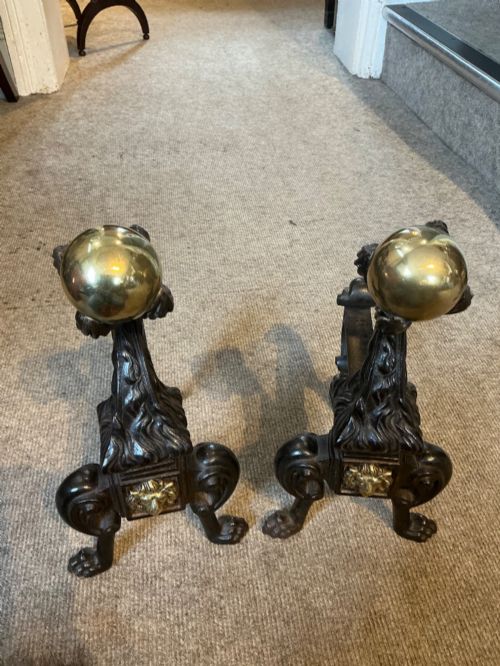
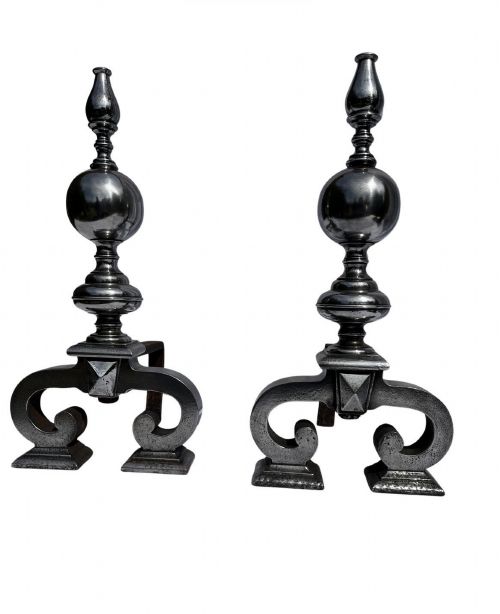
- Supports used to hold logs above the hearth floor to allow air circulation beneath the fire. They are also known as fire dogs.
- Companion set
- A matched group of fireplace tools, typically including a poker, tongs, and shovel, often housed on a shared stand.
- Club fender
- A low, padded seat built around the perimeter of a fireplace fender, historically upholstered in leather.
- Fire back
- A heavy cast iron plate placed at the back of a fireplace to reflect heat into the room and protect the masonry.
- Nursery fender
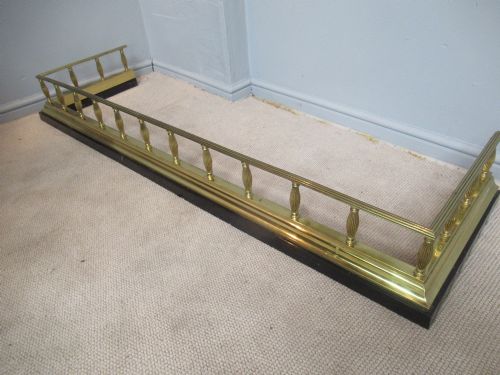
- A protective metal guard or mesh screen placed around a hearth to keep children and embers at a safe distance.
Traditional Metal Fire Irons: Frequently Asked Questions
What tools are in a standard set?
Traditional sets generally contain a poker for adjusting fuel, tongs for handling logs, and a shovel for clearing ash.
Additional implements sometimes include toasting forks or log grabbers, depending on the period and the specific hearth.
How do I date iron fire tools?
Dating relies on manufacturing marks, stylistic details such as Gothic Revival motifs or Arts and Crafts hand-forging, and the composition of the metal.
Nineteenth-century pieces often display burnished steel finishes, whereas earlier examples show heavier hand-wrought construction.
Can these tools be used in a modern fireplace?
Wrought iron and steel implements are built for regular fireside utility and suit open hearths.
Care should be taken with polished or antique brass finishes to prevent heat damage or tarnishing during active use.
What is the difference between andirons and fire dogs?
The terms are largely interchangeable, though fire dogs historically referred to simpler or more decorative upright supports.
Both serve to elevate wood off the hearth so air can circulate and feed the flames.