



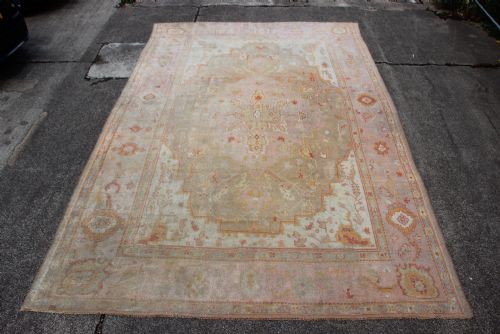
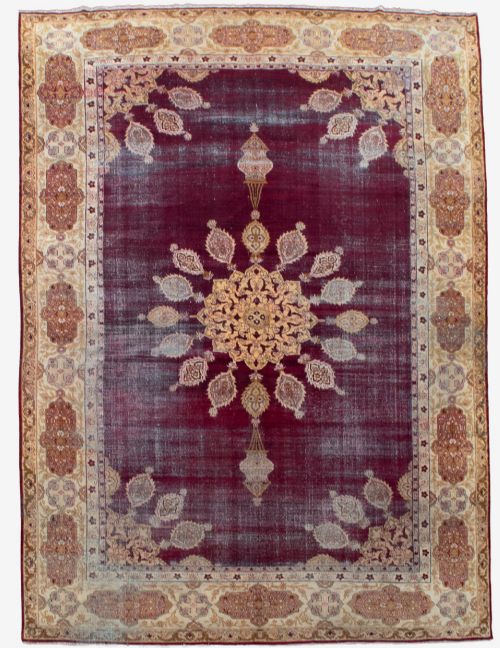
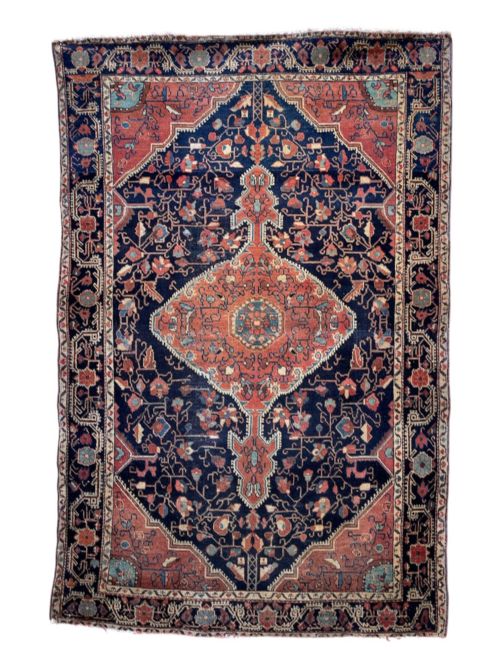
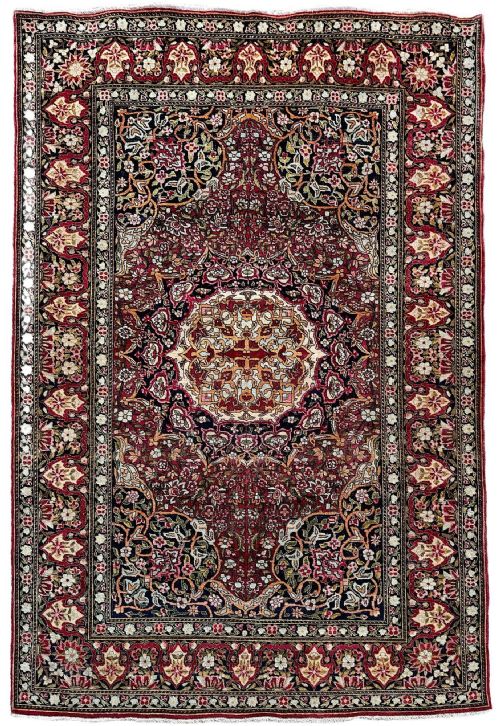
Traditional Medallion Area Rug
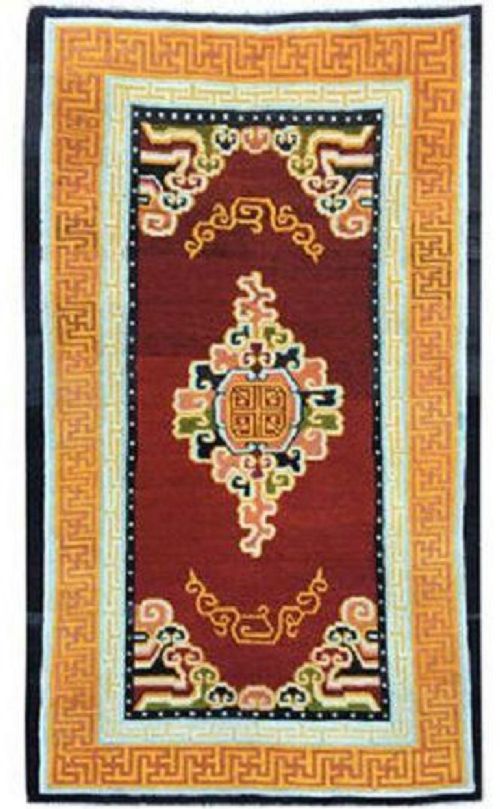
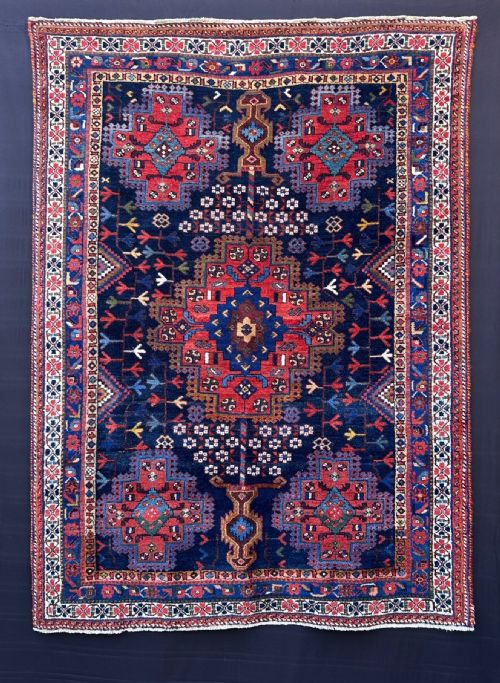
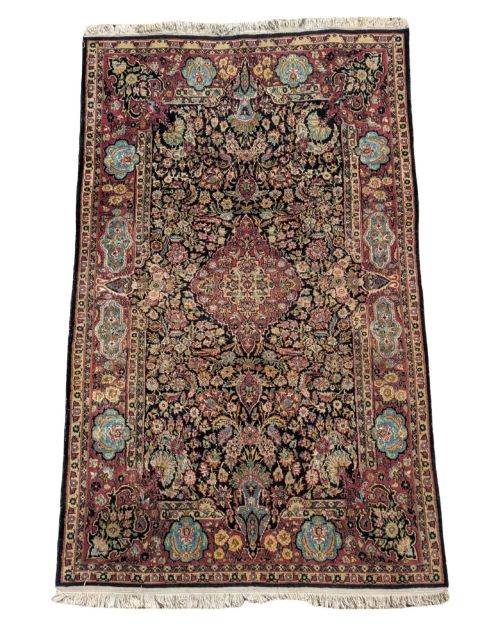
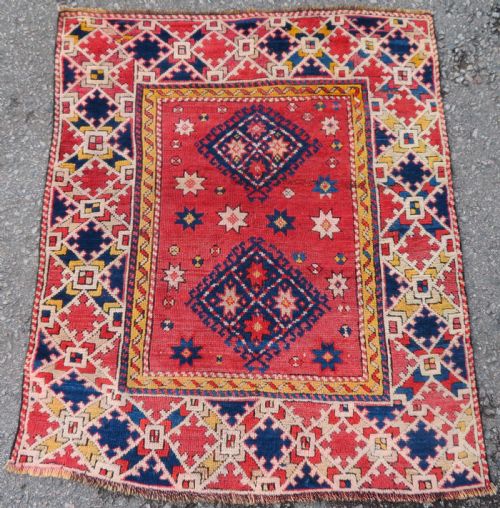
A traditional medallion area rug anchors a room with centuries of hand-knotted design, bringing geometric or floral symmetry to wooden floors.
Traditional Medallion Area Rug
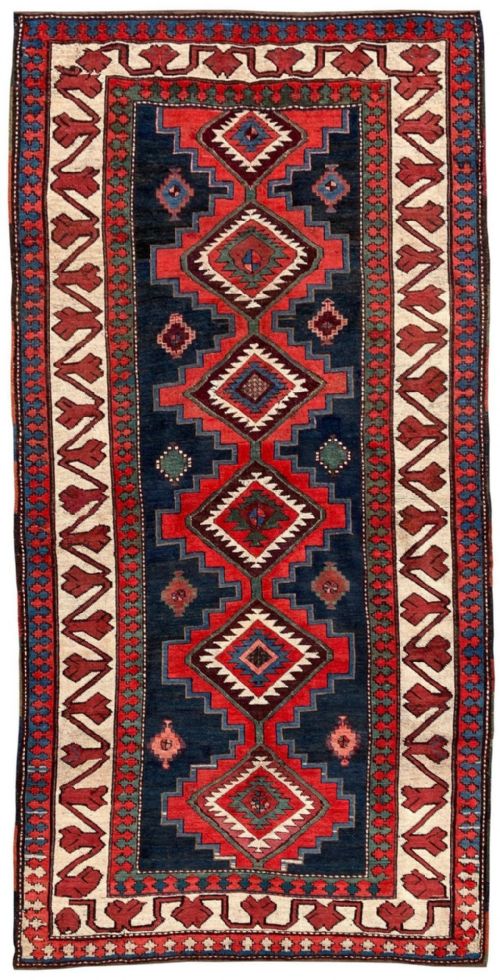
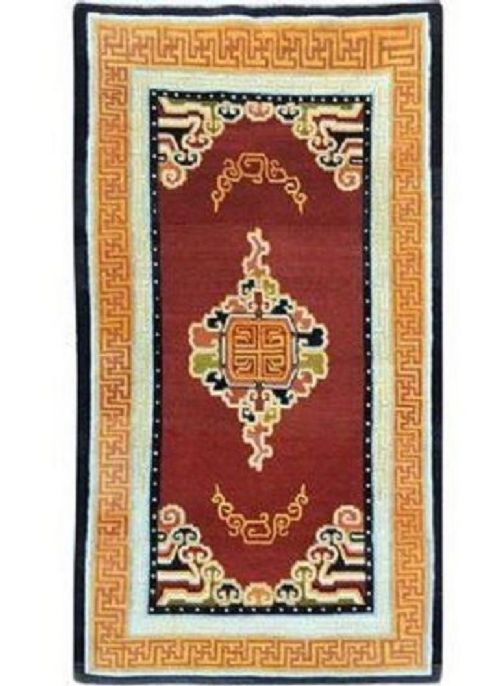
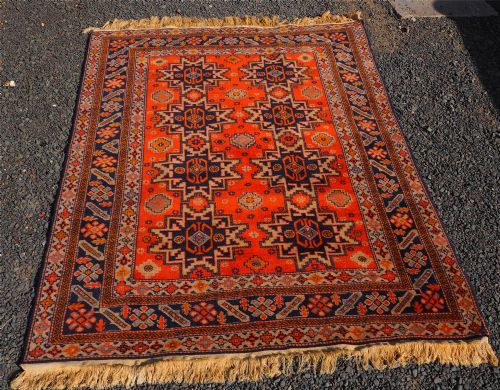
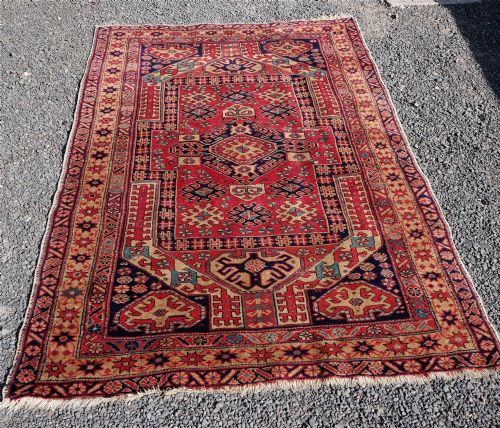
A traditional medallion area rug centres its composition on a dominant central motif, surrounded by elaborate field patterns and guarded borders. When searching for a traditional medallion area rug, buyers encounter room-sized carpets and smaller hearth rugs originating from Persia, the Caucasus, and surrounding regions.
The pieces available span from the nineteenth century through the mid twentieth century, encompassing city workshops and tribal weaving traditions alike. Forms range from compact village rugs to expansive country house carpets designed to anchor large spaces.
Materials and construction
These textiles rely primarily on wool pile hand-knotted onto sturdy cotton foundations, occasionally incorporating silk highlights for subtle definition. Weavers utilised natural dye sources to build rich colour palettes of rust, deep blues, and mellow tones that soften gracefully over decades.
Village and tribal workshops employed robust techniques suited to daily use, resulting in dense pile structures that withstand foot traffic while maintaining flexibility. Larger formats required collaborative floor looms and precise geometrical planning to execute symmetrical medallion layouts.
Some rugs carry curve-ended designs that quietly break strict rectangular expectations.
Judging the weave
Quality rests in the precision of the knotting and the crispness of the medallion geometry, where tighter execution yields sharper detail. The handling of the wool dictates tactile appeal, separating heavier rustic village pieces from finer city workshop productions.
Proportion and balance across the border systems distinguish accomplished weaving from standard output, reflecting the weaver's mastery of traditional design scaling.
The Traditional Medallion Area Rug Glossary
- Pile
- The upright yarn surface formed by the ends of knots tied to the warp and weft. This layer provides the tactile texture and colour of the piece.
- Warp
- The vertical foundation threads running the length of the rug onto which knots are tied. Fringe ends generally emerge from these parallel strands.
- Weft
- The horizontal threads passed alternately over and under warp threads between rows of knots to secure the structure. They stabilise the width of the textile.
- Kilim
- A flat-woven carpet or rug produced without a pile. These pieces utilise coloured weft threads wrapped tightly around warps to create pattern.
Traditional Medallion Area Rug: Frequently Asked Questions
Where should I place a medallion rug?
These rugs suit principal seating areas or dining spaces where the central motif remains visible beneath furniture arrangements.
Smaller formats fit entryways or hearth sides, providing durable texture in high-traffic zones.
How do I clean an antique rug?
Routine maintenance involves gentle vacuuming without rotary brushes to protect the wool pile and fringe edges.
Professional specialist cleaning is necessary for deeper care to preserve natural dye integrity.
Are these rugs suitable for daily use?
Wool and cotton construction provides robust durability capable of handling regular domestic foot traffic.
Using an appropriate underlay prevents slippage and reduces friction wear against hard flooring.
How do regional styles differ?
Caucasian pieces typically display bold geometric medallions and primary colour blocks reflecting tribal traditions.
Persian city and village rugs often incorporate intricate floral curves, Heriz geometry, or detailed medallion schemes.