

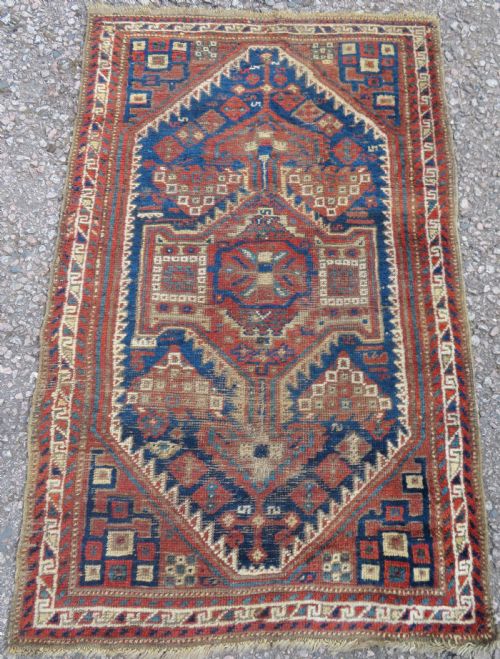
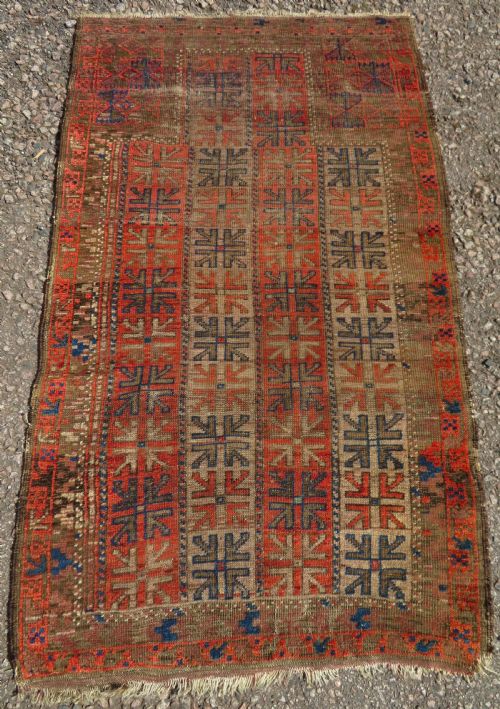
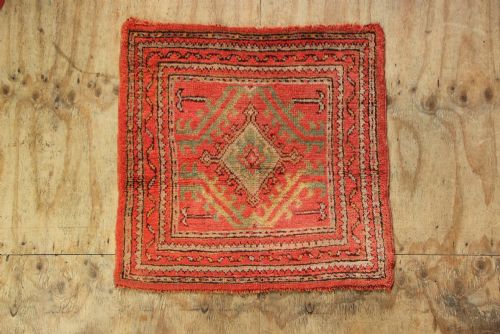
Vintage Oriental Rug Small
These vintage oriental rug small examples bring regional hand-knotted patterns into compact rooms.
Vintage Oriental Rug Small
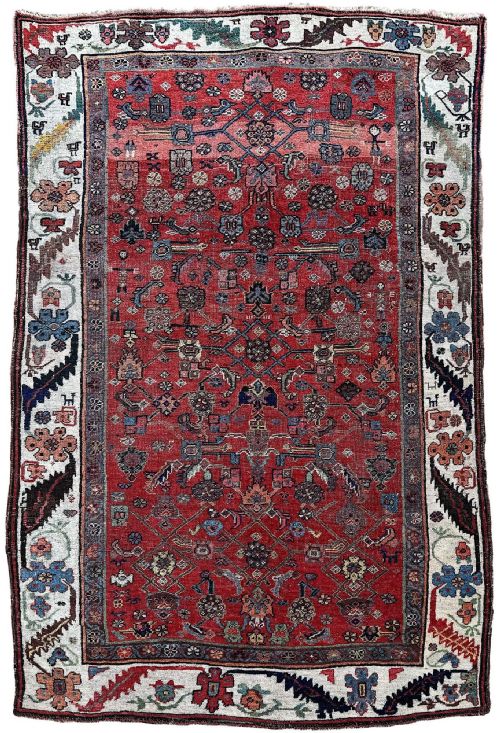
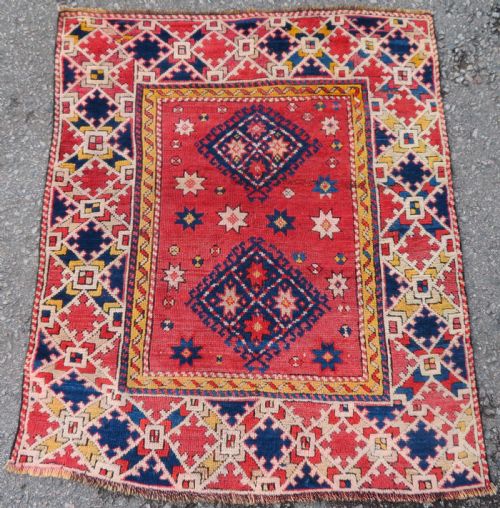
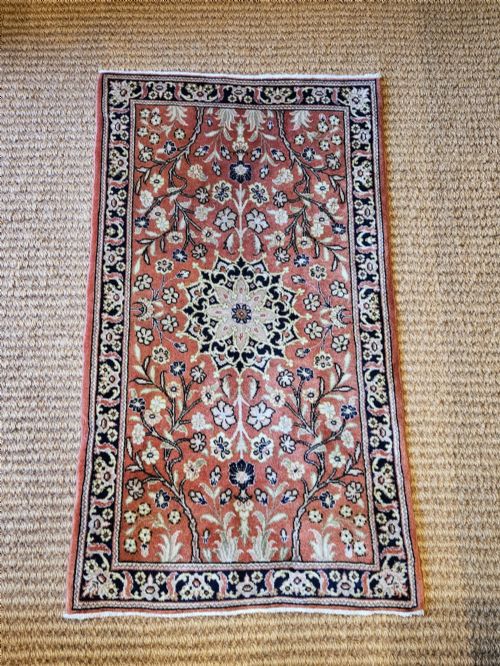
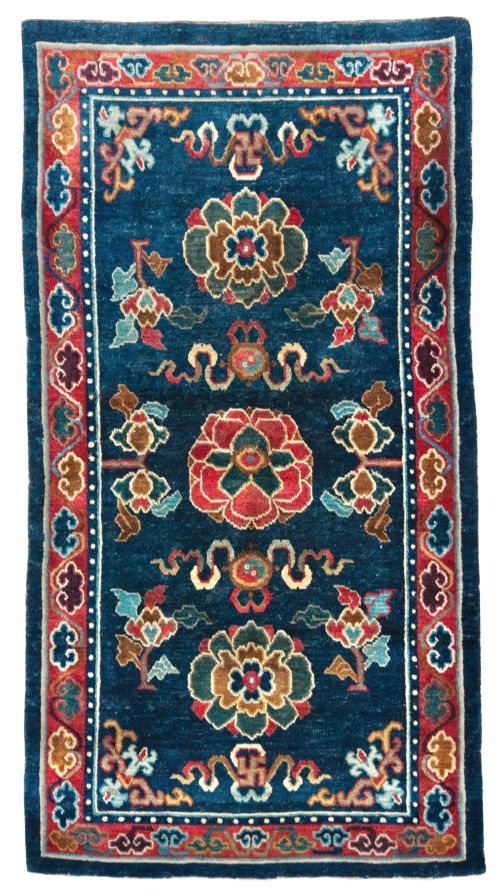
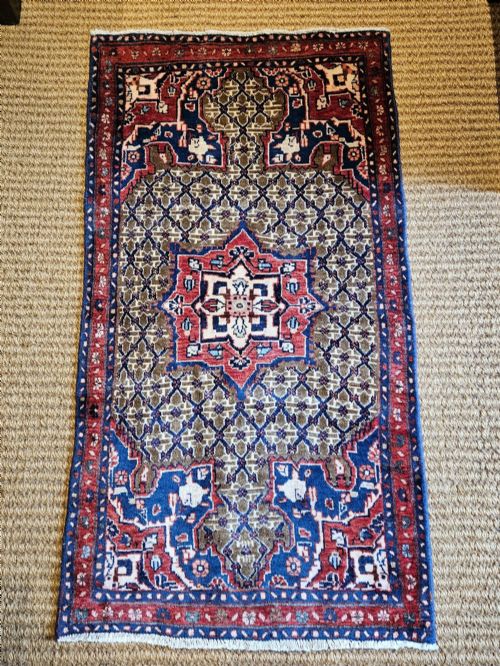
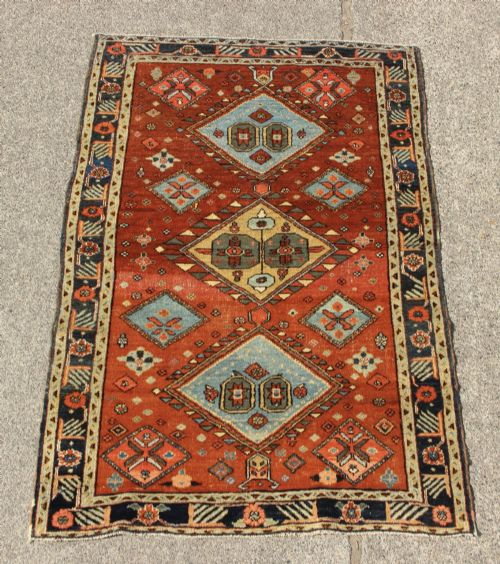
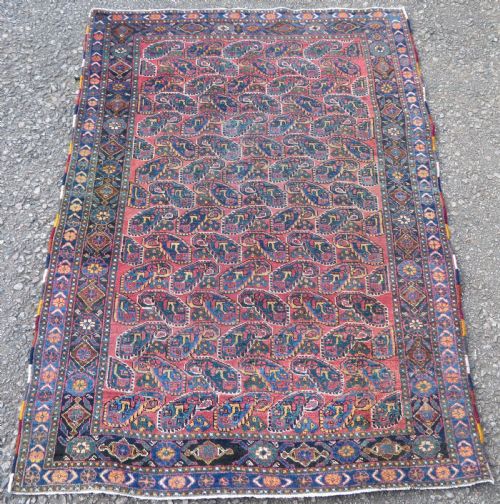
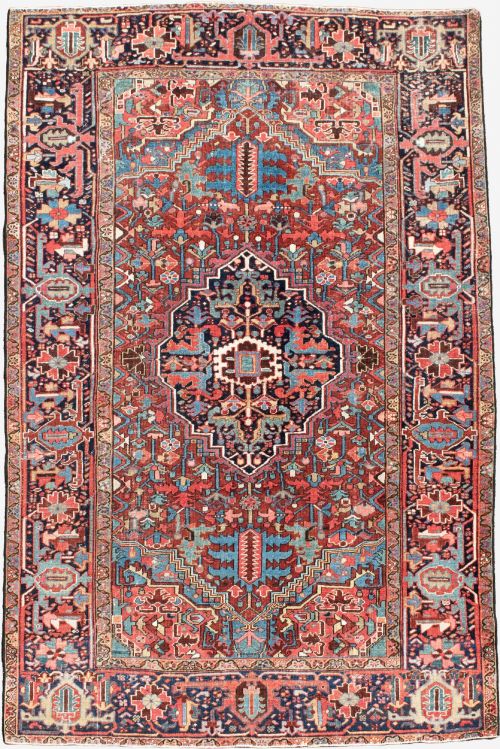
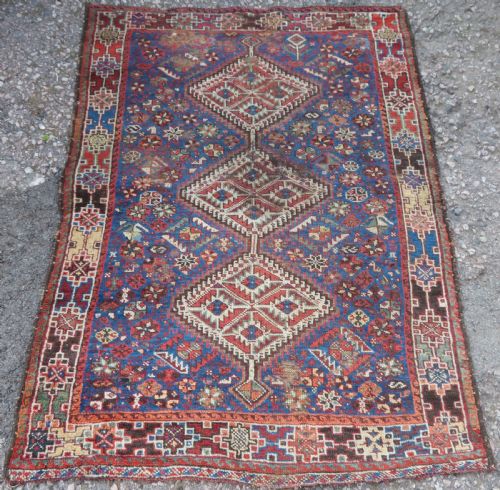
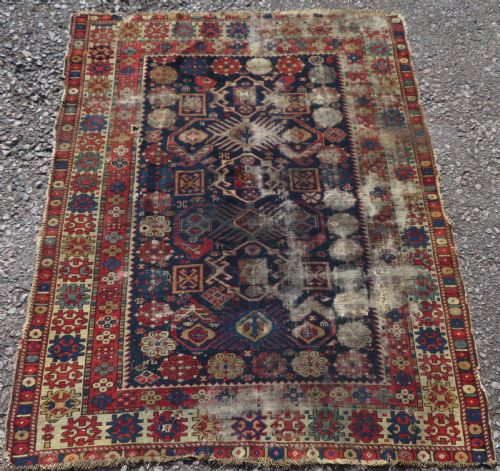
When searching for a vintage oriental rug small, buyers encounter hand-knotted floor coverings spanning the nineteenth and early twentieth centuries. These pieces originate from Persian, Anatolian, Caucasian, and Turkmen weaving traditions, taking forms such as hearth rugs, prayer rugs, bagfaces, and small carpets.
The selection here draws heavily upon Persian tribal workshops and village centres, alongside Anatolian and Caucasian districts. Formats range from squarish formats to narrow runners and compact rectangular dimensions suited to specific interior placements.
Materials and methods
Weavers constructed these textiles primarily using wool piles set upon cotton warps, often employing hand-spun wool for the pile yarns. Natural dyes supplied the colour palette across the surviving pieces.
The structural integrity relies on traditional knotting techniques executed on vertical or horizontal looms. These established methods produced durable pile fabrics designed for daily utility within nomadic and settled households alike.
Nomadic weavers occasionally incorporated stray animal hairs directly into the wool pile.
Judgments of quality
Quality rests upon the fineness of the knotting and the handling of the wool pile. Tighter knot density allows for sharper definition within geometric or pictorial motifs.
The depth and brilliance of the natural dyes contribute significantly to a piece's visual standing. Abrash - the subtle tonal variation within a single colour field - demonstrates the use of distinct dye batches during production.
The Vintage Oriental Rug Small Glossary
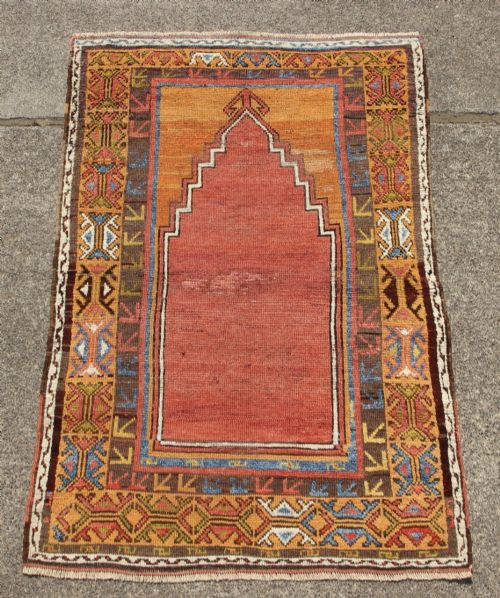
- Prayer rug
- A textile featuring a Mihrab or arch design indicating the direction of prayer. These pieces were historically used for personal devotion.
- Warp
- The vertical foundation threads stretched lengthwise on the loom. Weft threads pass horizontally through these warps to secure the knots.
- Abrash
- Natural variations in hue across a dyed wool field resulting from successive dye lots. This variation indicates traditional dyeing methods.
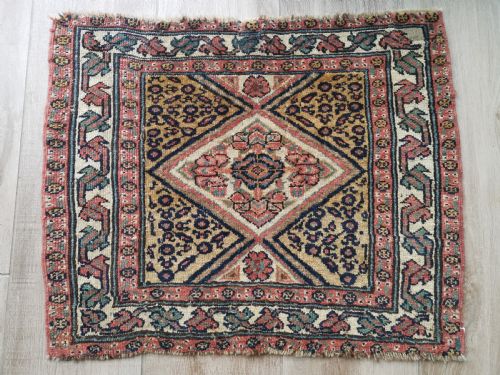
- Bagface
- The decorated front panel of a utilitarian storage sack created by nomadic tribes. These panels often survive independently as small decorative rugs.
- Khotan
- A central Asian weaving centre known for distinct stylistic influences blending Chinese and Islamic motifs. Pieces from this region show characteristic colour choices.
Vintage Oriental Rug Small: Frequently Asked Questions
Where were small oriental rugs placed?
These compact textiles served practical purposes in hearth areas, doorways, and personal living spaces within nomadic tents or village houses. Their modest dimensions made them versatile for moving and positioning on floors or platforms.
Today, the same proportions suit entryways, bedside placement, or compact seating areas where standard room-sized floor coverings prove too large.
How do I identify a tribal rug?
Tribal pieces typically display geometric motifs, repeating hooked polygons, and asymmetrical layouts derived from local weaving traditions rather than urban workshops. The wool often feels heavier, and natural dye variations appear frequently across the field.
Examining the structural weave on the reverse reveals the specific knotting habits and materials characteristic of particular regional groups.
What is a prayer niche design?
A prayer niche design incorporates an pointed arch shape, known as a mihrab, at one end of the field. This architectural motif directs the user during daily religious observance.
In decorative contexts, the niche frames central floral or geometric symbols unique to the weaving district.
How should I clean an old wool rug?
Maintenance requires gentle surface care such as light vacuuming without a rotating brush head to protect the hand-knotted pile. Professional cleaning suited to antique textiles helps preserve the integrity of the wool and natural dyes.
Avoiding excess moisture and direct sunlight prevents fibre degradation and colour fading over decades of domestic use.