



Traditional Marine Artwork
Traditional marine artwork captures the motion of water, the build of historic vessels, and the atmosphere of harbours.
Traditional Marine Artwork
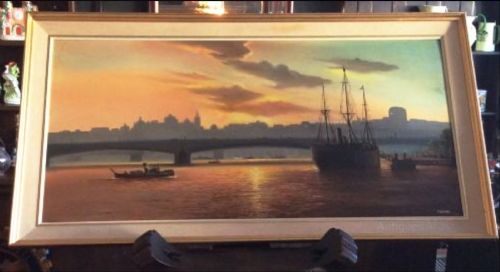
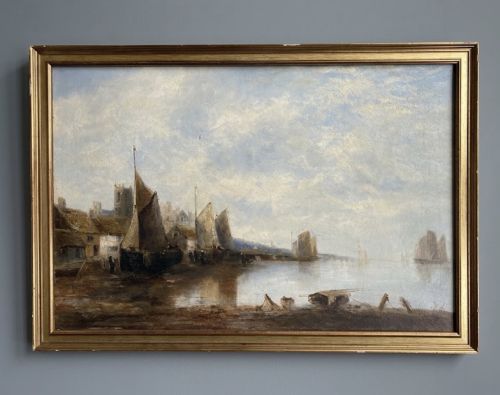
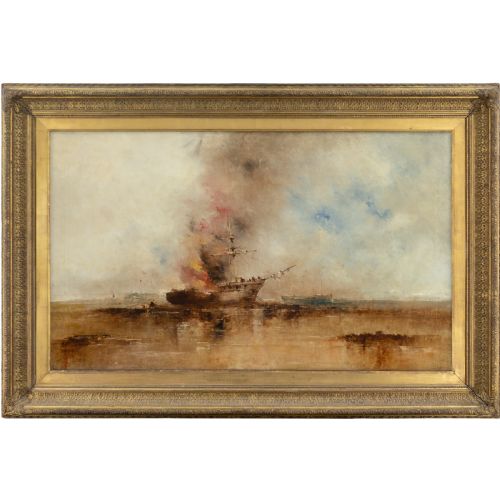
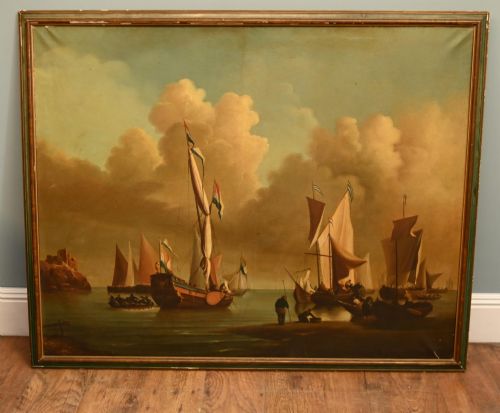
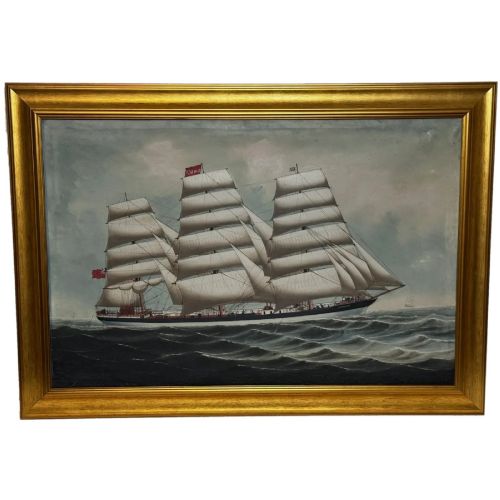
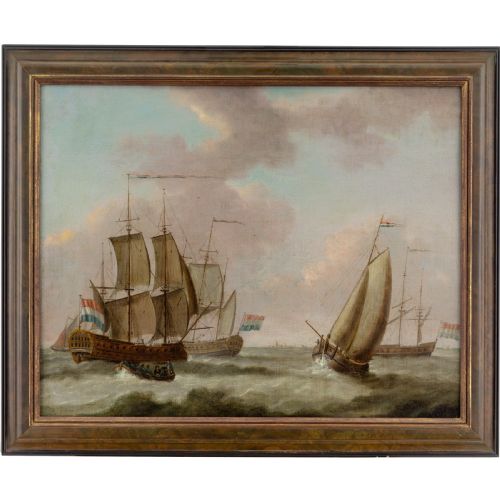
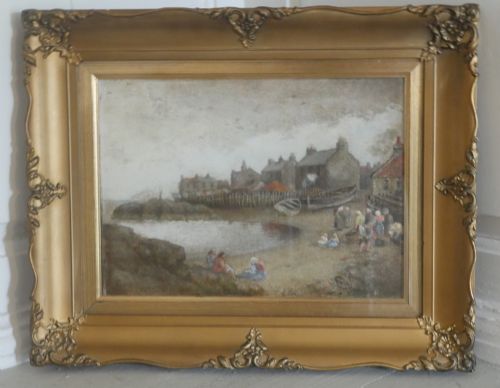
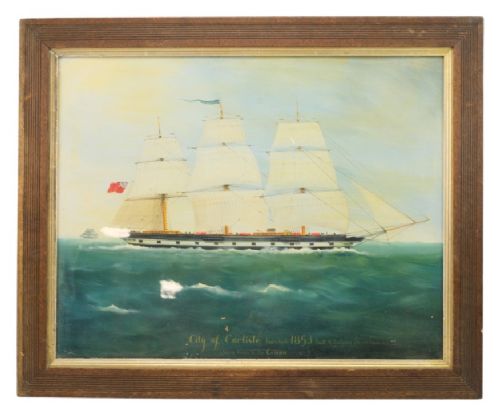
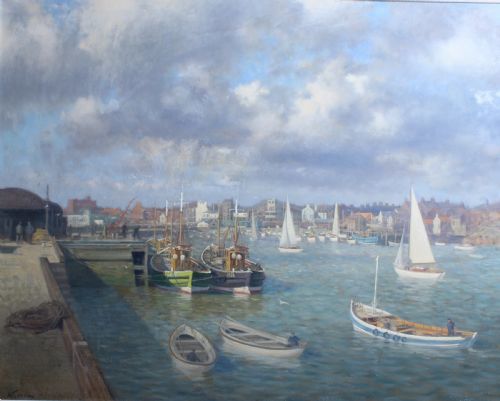
Traditional marine artwork captures coastal views, sea battles, and harbour scenes through painted records on canvas, panel, and paper. These pieces focus on maritime history, depicting named vessels, fishing fleets, and distant merchant ships.
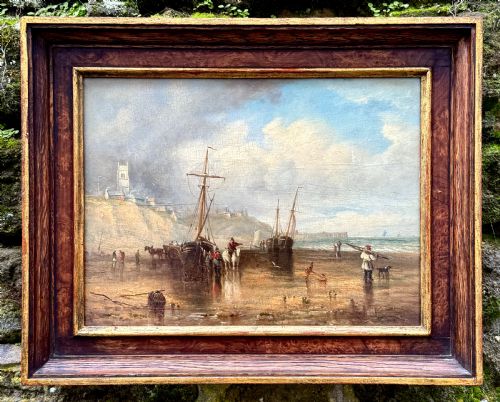
The selections here span the nineteenth century into the twentieth century, bringing together Victorian realism, Edwardian watercolours, and regional British coastal scenes. Buyers find depictions of specific ports like St Ives, Scarborough, and Valletta Harbour alongside broader night seascapes.
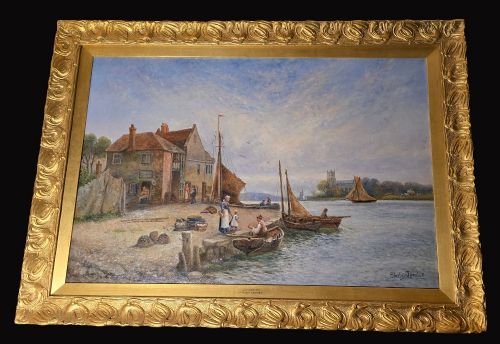
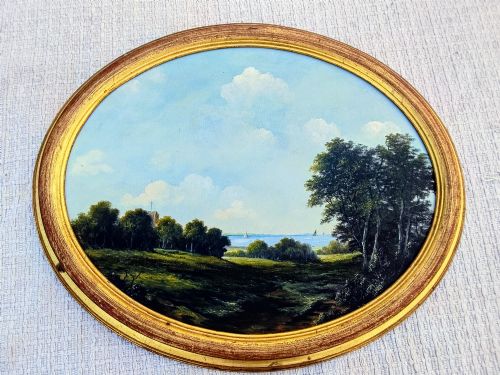
Most examples rely on oil on canvas or delicate watercolour on paper, often framed in wood or giltwood. They suit collectors seeking historical nautical detail and atmospheric coastal views.
Materials and technique
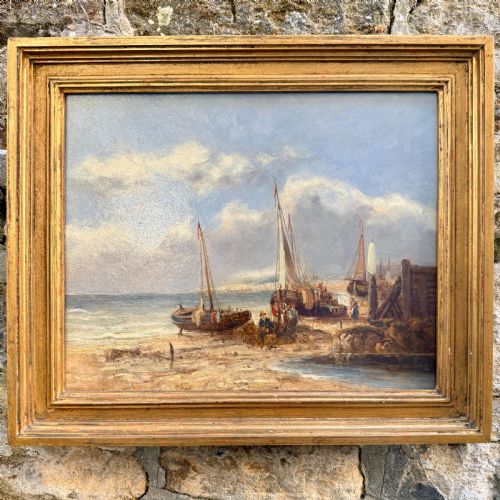
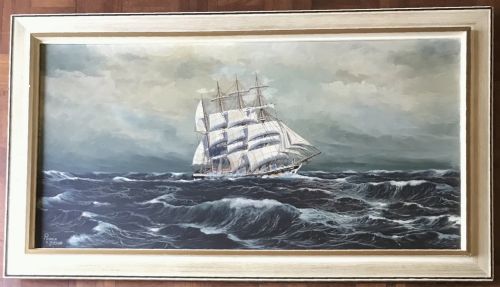
Painters used oil paint on canvas or wooden panels to build up rich coastal textures, while watercolours on paper captured lighter atmospheric harbour effects. Artists handled brushes to render the swell of choppy seas, rigging details, and cloud formations.
Gilded wood and giltwood frames completed many of these works, protecting the edges and enhancing the composition. These frames often match the period of the painting, featuring moulded details consistent with Victorian and Edwardian framing styles.
Traditional Marine Artwork Retail Price Guide 2026
Typical asking prices for traditional marine artwork among the pieces listed under this phrase on Sellingantiques today, from the lower quarter to the upper quarter. They describe what is for sale here now, not the wider market.
Several artists clearly preferred painting stormy seas over calm harbours, ensuring a steady supply of dramatic waves and wind-tossed rigging.
Distinctions in quality
Quality rests on the precision of the maritime draughtsmanship, particularly the accurate rigging of ships and the convincing weight of water. Stronger works demonstrate a deep understanding of light on the sea and atmospheric perspective.
Condition and the retention of the original frame play a part in how a piece is judged. Works that securely identify specific locations and vessels carry additional documentary weight.
James Hardy·William McAlpine·Reginald Arthur Borstel·Edward Mills·William Banks Fortescue·Thomas Creswick·Robert Leslie Howey·John Holland·Walter Goodin·Henry Barlow Carter·William Edward Webb·James Kyd·Thomas Bush Hardy·Stanley Leader·George Shaw·John McDougal·Hendrik Willebrord Jansen·George Hamilton Constantine·John Bell·William Pitt·James Webb·Dion Pears·Marc Aldine·Ernest F Hill·Jane Vivian
The Traditional Marine Artwork Glossary
- Seascape
- A work of fine art depicting the sea, coastlines, or ships in open water. These form the core of maritime painting.
- Giltwood
- Wood carved and coated with a thin layer of gold leaf. This material frequently appears on period frames surrounding nineteenth-century oils.
- Watercolour
- A paint consisting of pigment suspended in a water-soluble binder, used extensively on paper for coastal scenes. It relies on the white of the paper for luminosity.
- Panel
- A flat piece of wood used as a rigid support for oil paint instead of canvas. Many smaller nineteenth-century works utilise this method.
Traditional Marine Artwork: Frequently Asked Questions
What periods do these paintings cover?
The available selection centres primarily on the nineteenth century, including Victorian and Edwardian examples, extending into the mid-twentieth century.
Artists worked in varied styles ranging from detailed Victorian realism to looser twentieth-century coastal interpretations.
How were these marine artworks framed?
Many pieces retain period frames made of wood, gilded wood, or giltwood, which complement the tonal quality of the paintings.
These frames often feature decorative moulding consistent with the Victorian or Edwardian eras in which the artwork was produced.
Can I find specific locations in these paintings?
Numerous works explicitly record named locations, such as St Ives, Scarborough, Whitby, and Valletta Harbour in Malta.
Other pieces focus on generic coastal views, rough seas, or unnamed shipping movements.
What mediums were used for these scenes?
Painters utilised oil paint applied to canvas or wood panels, alongside watercolours executed on paper.
Oil on canvas allowed for large-scale works depicting dramatic sea battles and stormy weather, while watercolours captured lighter harbour views.