




Traditional Mantel Timepiece
A traditional mantel timepiece sits quietly on a shelf, keeping the hours in brass, mahogany, or oak.
Traditional Mantel Timepiece
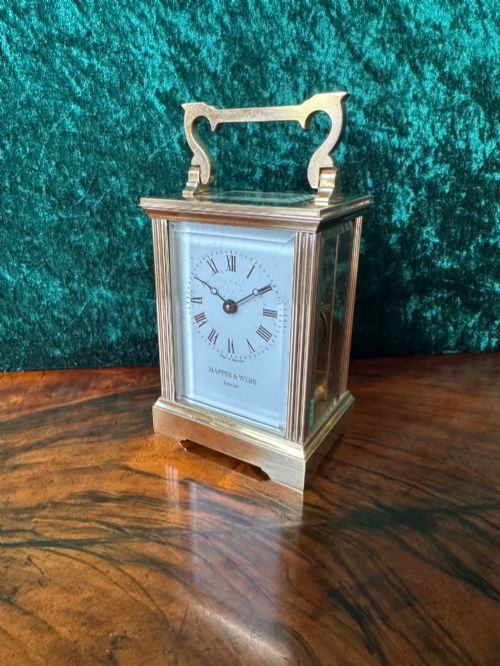
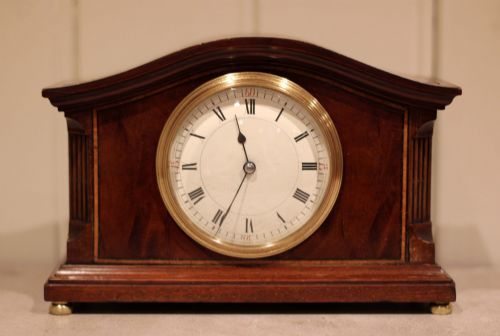
A traditional mantel timepiece brings mechanical timekeeping into domestic rooms, taking the form of shelf clocks, bracket clocks, and carriage clocks designed for domestic spaces. These objects serve both a practical domestic function and act as decorative furniture for a room, appearing in forms ranging from simple wooden cases to elaborate brass framed designs.
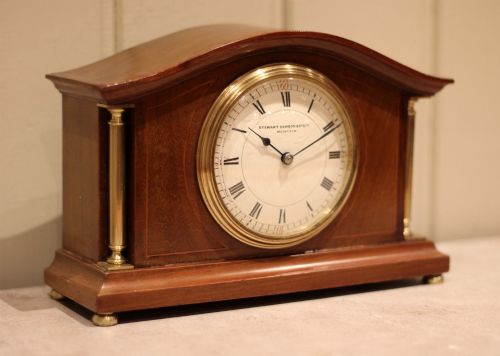
Buyers browsing this selection encounter pieces originating from the nineteenth and early twentieth centuries, alongside earlier styles. Edwardian and Victorian examples in mahogany, oak, and brass dominate the available selection, reflecting the periods when such domestic timepieces saw widespread use.
The assortment includes specialised variants such as single fusee library clocks, lantern clocks, and four glass mantel clocks. Each type offers a distinct method of displaying the time, from traditional dial faces with enamel numerals to freestanding carriage designs fitted with glass panels.
How they were made
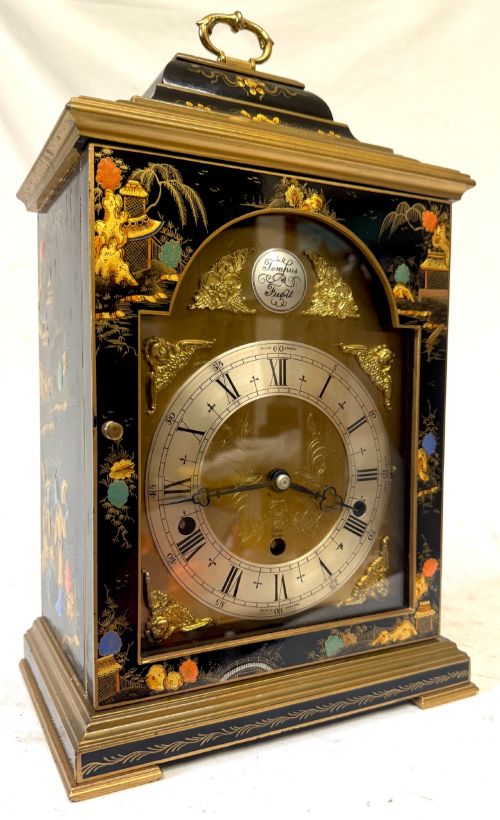
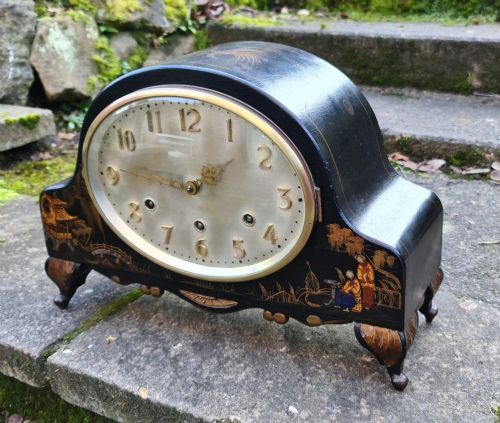
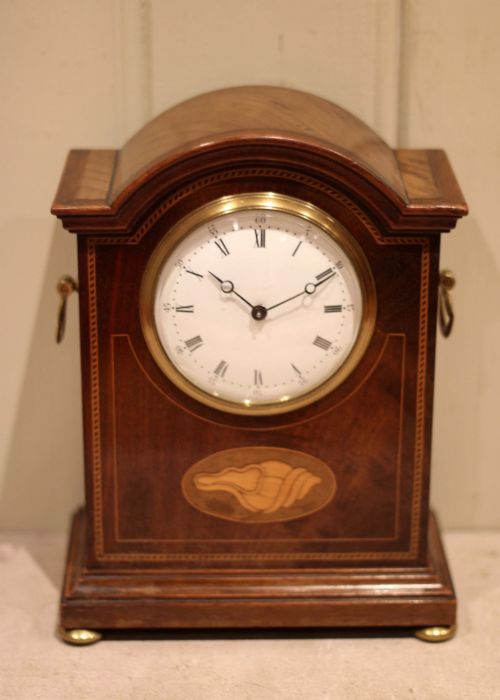
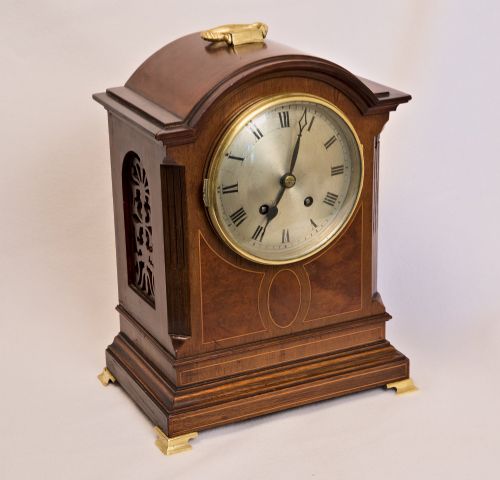
Cases utilise cabinet timbers including mahogany, walnut, satinwood, and oak, often shaped into lancet arches or rectangular bracket forms. Woodworkers fashioned these housings to protect the delicate movements within, sometimes embellishing the surfaces with inlaid decorative details or lacquered finishes.
Metal components combine brass, steel, and glass, particularly evident in carriage clocks and four glass mantel pieces. Enamel serves commonly for the dial faces, providing a clean white ground for painted numerals.
Movements rely on mechanical gear trains driven by springs or fusee mechanisms, requiring precise metalworking to ensure accurate timekeeping. Makers housed these gears inside durable brass plates, integrating escapements and pendulums where the design permits.
Listings feature items spanning the nineteenth century through the 1960s, constructed in brass, mahogany, oak, and glass.
What varies in quality
The grade of materials chosen for the case sets the baseline for a piece, distinguishing solid timbers and heavy cast brass from simpler constructions. Higher grade items display carefully figured walnut or mahogany veneers and crisply executed wood inlay rather than plain painted substitutes.
Mechanical execution defines the upper tiers of these timepieces, evident in the complexity of fusee movements and the reputation of the workshop that assembled them. Greater care in finishing the internal gears and escapement results in more reliable timekeeping and smoother operation over extended periods.
The integration of decorative arts such as hand-painted Chinoiserie lacquer, intricate brass casting, or enamel dial work elevates certain examples above standard utility pieces. Proportion and balance in the case design further separate standard production items from workshop examples.
Mappin and Web·John Spershott·Webster Cornhill London·Tiffany·Phillips Brothers·Grey of Edinburgh·Winterhalder and Hofmeier·Jas Whitelaw of Edinburgh
The Traditional Mantel Timepiece Glossary
- Fusee
- A conical pulley used in mechanical clocks to equalize the driving force of the mainspring as it unwinds. This mechanism helps maintain consistent timekeeping accuracy throughout the power reserve.
- Lantern clock
- An early type of brass domestic clock, typically designed for wall hanging or shelf placement with exposed bell tops. These pieces represent some of the earliest portable domestic timepieces.
- Carriage clock
- A small, portable spring-driven clock developed for travellers, usually encased in brass with glass panels. They frequently feature swing handles on top and visible escapements.
- Bracket clock
- A portable table or shelf clock originally designed to sit on a architectural bracket. Many examples feature arched wooden cases and intricate carrying handles.
- Timepiece
- A clock that indicates the time of day without including a striking mechanism for hours or quarters. These pieces operate purely to show the hours.
Traditional Mantel Timepiece: Frequently Asked Questions
How do I wind a traditional mantel timepiece?
Most mechanical clocks require a specialised key inserted into the winding squares on the dial face. Turn the key gently until you feel resistance, taking care not to overwind the mainspring.
Allow the pendulum to settle naturally after winding to ensure the beat remains even. Setting the correct time involves moving the minute hand forward rather than backward.
Where should I place a mantel clock?
Select a sturdy, level surface such as a wooden mantelpiece, sideboard, or desk where vibrations are minimal. Stability is essential for pendulum-regulated clocks to maintain an even beat.
Keep the piece away from direct sunlight, damp environments, and extreme temperature fluctuations from radiators. Proper placement protects both the wooden case and the internal metal movement.
How do I identify an Edwardian clock?
Edwardian timepieces, produced during the reign of Edward VII, frequently utilise solid mahogany, oak, or inlaid satinwood cases. The styling often reinterprets earlier Georgian or Sheraton motifs with lighter proportions.
Dial faces on these models commonly feature crisp enamel chapters and delicate hands. The overall aesthetic leans towards refined domestic elegance rather than heavy industrial mass.
What is the difference between a timepiece and a striking clock?
A timepiece focuses solely on indicating the hours and minutes without sounding an audible chime. This simpler mechanical layout requires fewer gear trains inside the case.
A striking clock includes an additional train of wheels and a bell or gong to announce the hours or quarters. Collectors often distinguish between the two by examining the dial for extra winding holes.