
Traditional Mahogany Couch
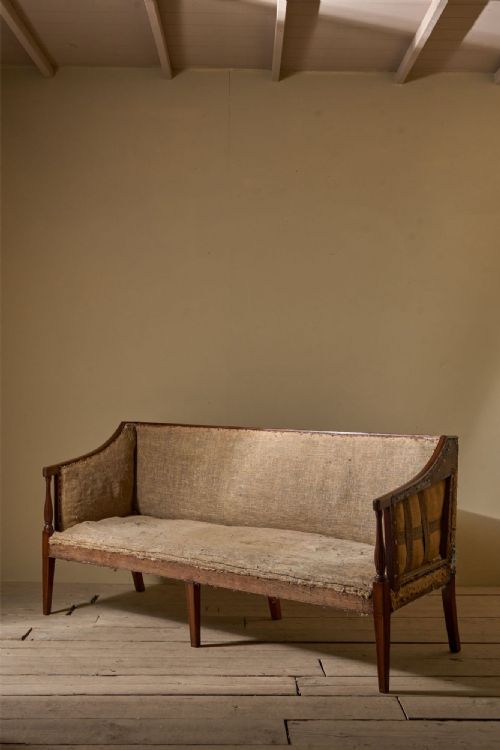
A traditional mahogany couch brings substantial timber frames and deep upholstery together, offering enduring comfort and strong period character for a principal room.
Traditional Mahogany Couch
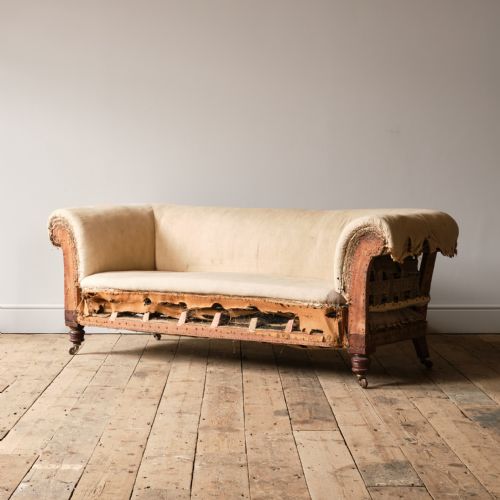
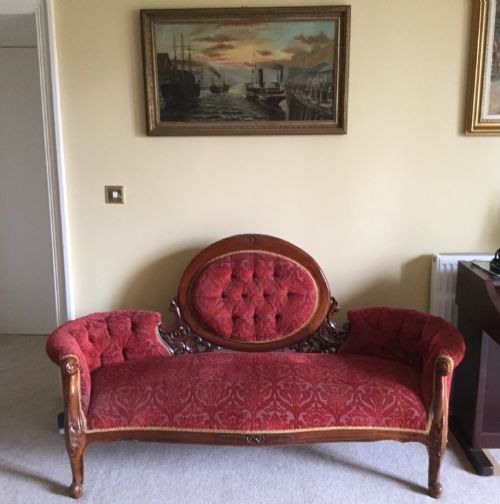
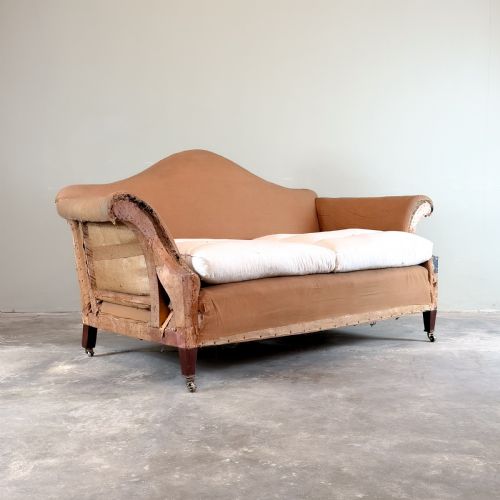
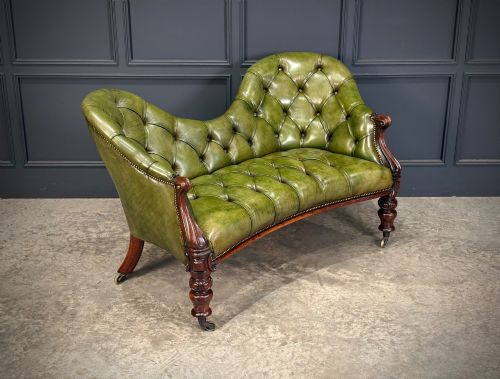
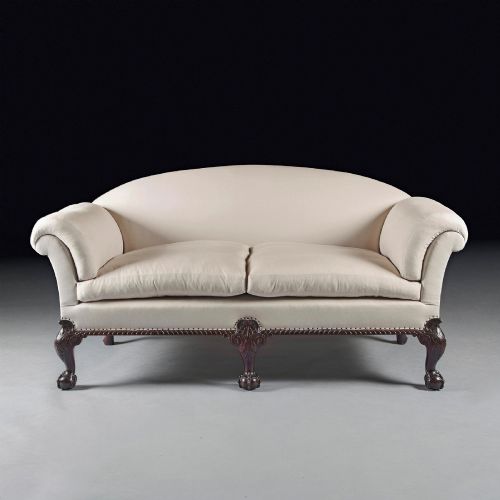
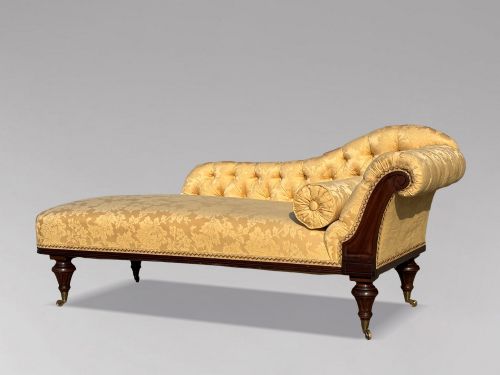
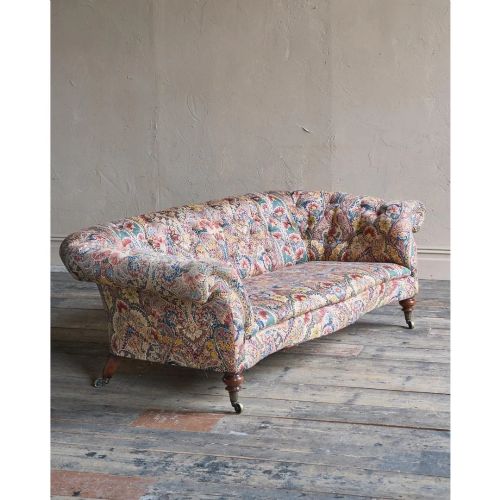
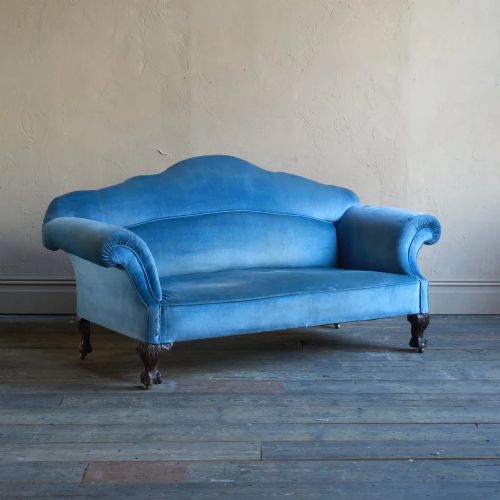
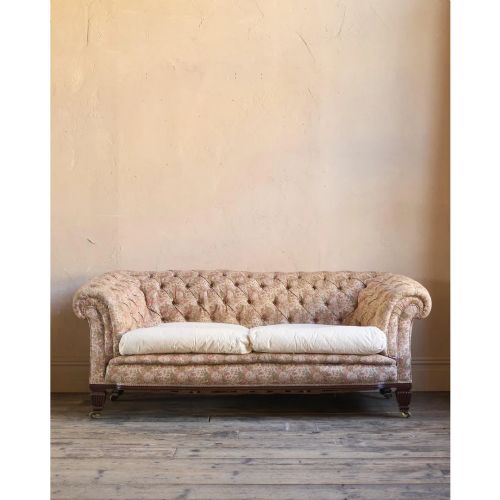
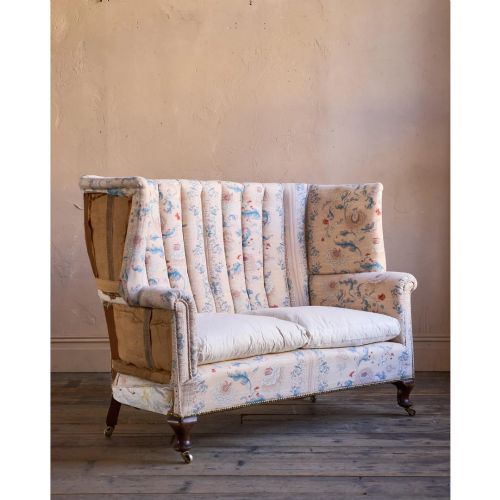
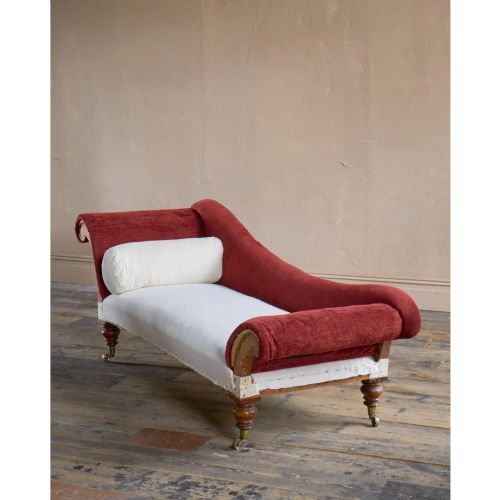
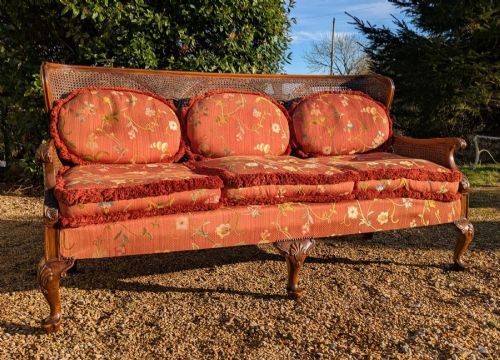
The selections span distinct seating types, most notably double-ended sofas, camel back sofas, settees, and chaise longues.
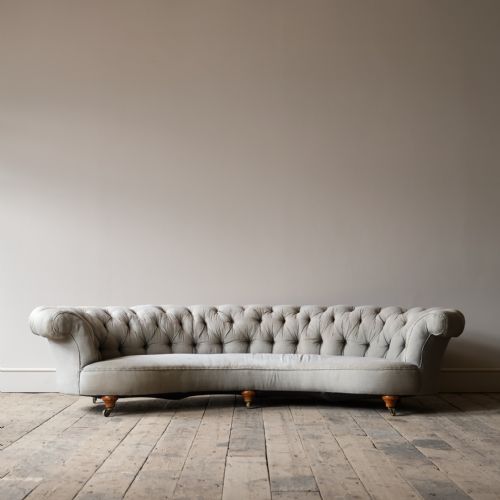
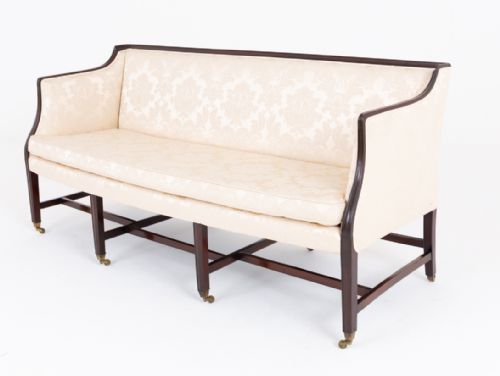
These pieces frequently display revival styles such as Chippendale and Hepplewhite, alongside country house chesterfields framed in dark timber.
Materials and construction
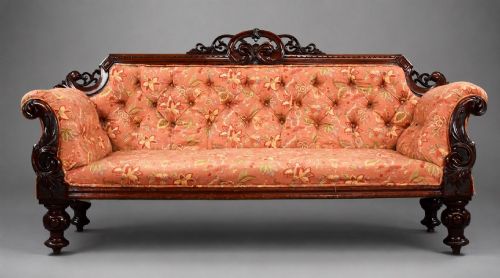
Makers utilised solid mahogany for structural framing, often shaping the timber into carved scroll ends, fluted legs, or ball and claw feet.
The internal construction relies on traditional springing, hessian webbing, and stuffing finished with various outer coverings.
Visible woodwork is complemented by upholstery textiles including velvet, damask, calico, leather, and deep pile brocade, frequently secured with brass elements.
Several couches carry historical attributions to Howard and Sons, whose workshop stamps hidden on castors delight diligent collectors.
Judging the work
Quality rests in the crispness of the mahogany carving, the proportion of the frame, and the integrity of the underlying sprung base.
Pieces attributed to notable workshops demonstrate superior joinery and timber selection compared to standard commercial output of the same era.
Howard and Sons·Holland and Sons·Hampton and Sons
The Traditional Mahogany Couch Glossary
- Mahogany
- A durable tropical hardwood prized for its deep reddish-brown tone and stable grain. It forms the primary structural frame for these couches.
- Chaise longue
- An upholstered couch with a headrest at one end, designed for reclining. Examples appear across Regency and Victorian periods.
- Chesterfield
- A deep-buttoned upholstered sofa featuring arms and back of the same height. These often incorporate country house proportions.
- Camel back
- A sofa style defined by a graceful, undulating serpentine top rail resembling a camel's hump. This form appears in Georgian and revival pieces.
- Scroll end
- A sweeping, curved wooden or upholstered arm termination. It frequently characterises William IV and early 19th-century designs.
Traditional Mahogany Couch: Frequently Asked Questions
How do I date a mahogany sofa?
Dating relies on combining the timber characteristics, carving style, and upholstery methods visible in the piece. Period markers like Regency scroll ends or Georgian proportions provide the primary clues.
Examining the internal webbing and frame construction helps confirm whether the couch belongs to the 18th, 19th, or early 20th century.
What is the difference between a settee and a sofa?
In historical listings, the terms often overlap, though a settee traditionally implies a lighter wooden frame with partial upholstery. Sofas tend to be heavier, fully upholstered seating units.
Both forms appear frequently in mahogany across Victorian and Edwardian domestic interiors.
Are these couches comfortable for daily use?
Many pieces feature deep sprung bases, feather cushions, or buttoned padding designed for substantial everyday seating. Their robust construction supports long-term domestic utility.
Interiors utilising traditional stuffing and modern re-upholstery maintain both historical integrity and physical ease.
How do I care for mahogany frames?
Mahogany requires minimal maintenance beyond dusting with a dry cloth and occasional application of appropriate wood wax. Keeping the timber away from direct heat sources prevents drying.
Protecting the surrounding upholstery fabric from direct sunlight preserves the overall appearance of the couch.