
Traditional Low Table
A traditional low table brings low-level surface utility to a room, offering practical proportions and period character.
Traditional Low Table
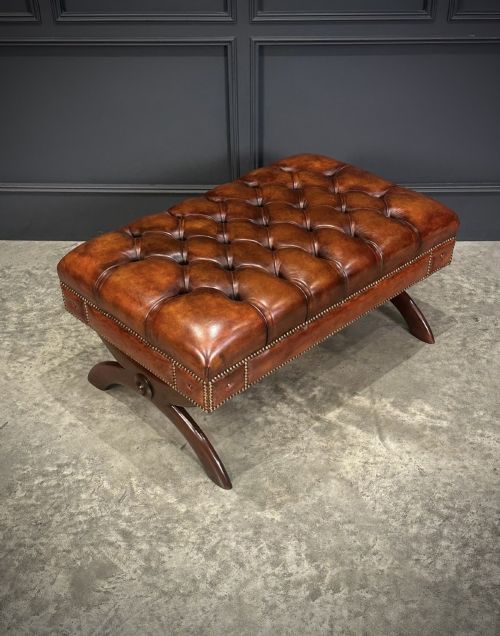
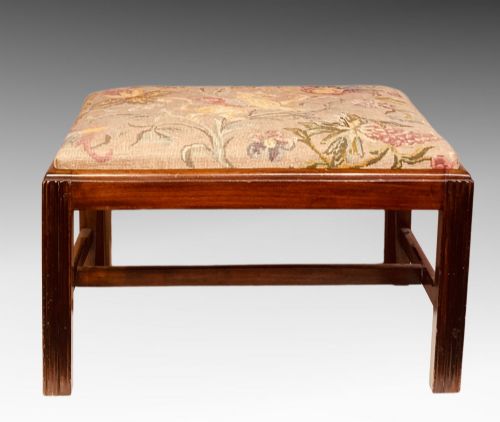
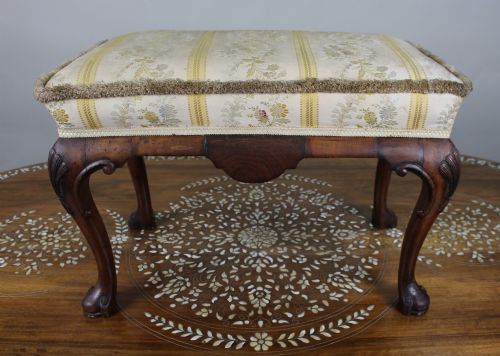
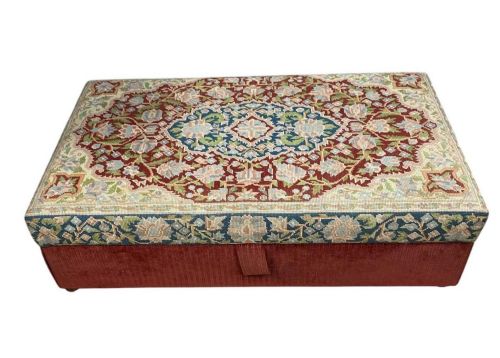
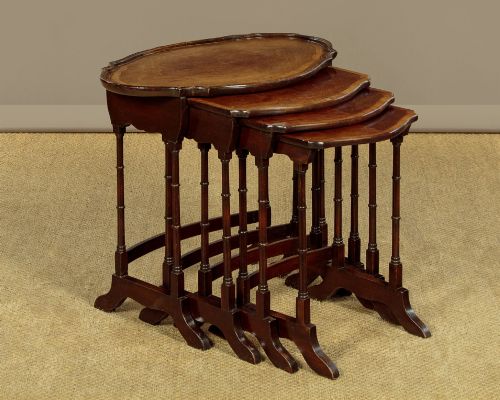
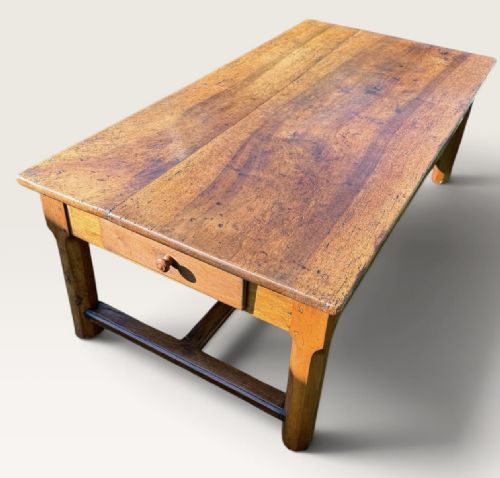
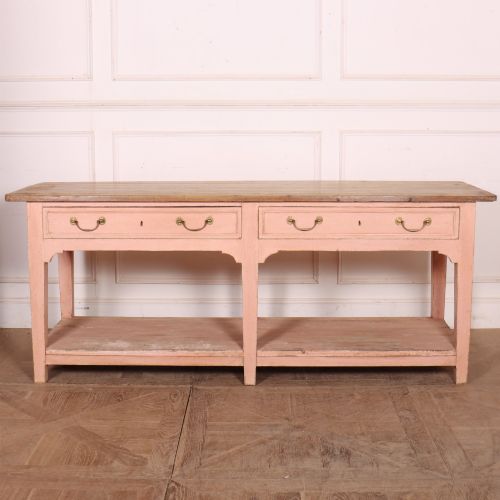
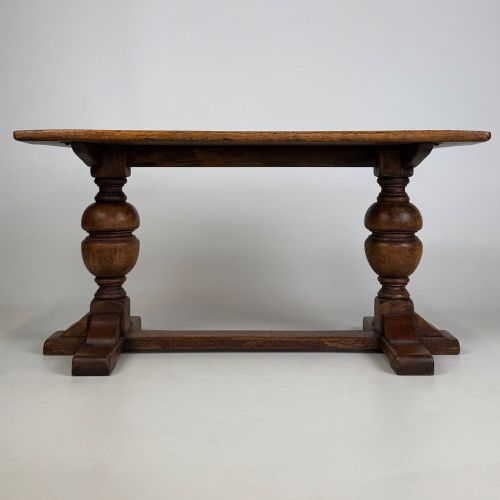
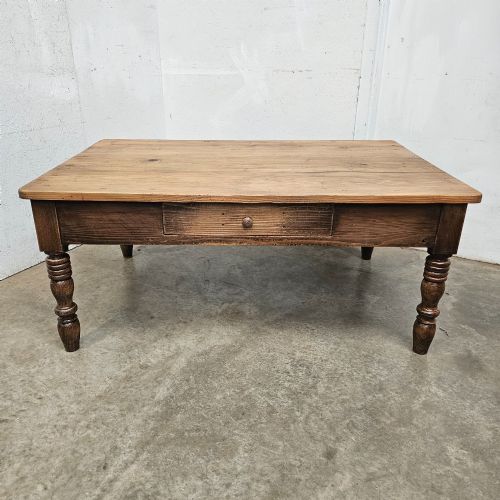
A traditional low table encompasses a diverse group of low-level furnishings shaped by centuries of domestic utility and design revivals. When you examine this selection, you encounter forms derived from low coffee tables, adapted stools, and lowered base furniture.
The material palette draws heavily on oak, walnut, pine, and mahogany, alongside exotic woods such as rosewood and padouk. These pieces originate from periods spanning the eighteenth, nineteenth, and early twentieth centuries, including Edwardian and Georgian eras.
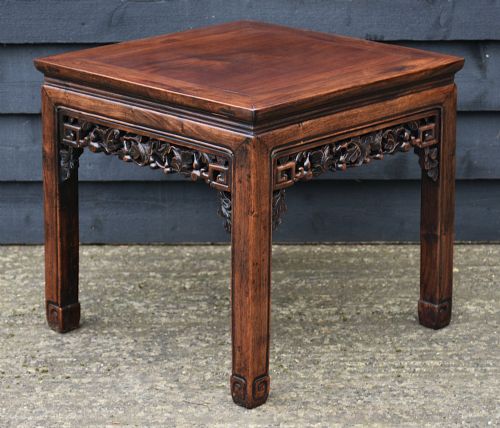
You frequently meet regional English country house styles, rustic farmhouse items, and revival designs like Queen Anne and Jacobean. Alongside these sit distinct low forms originating from Chinese and Japanese traditions.
Materials and construction methods
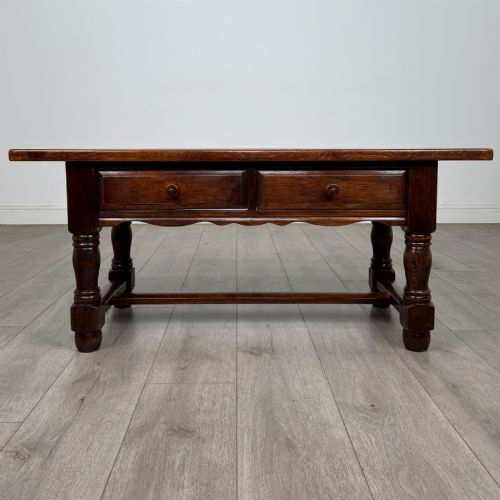
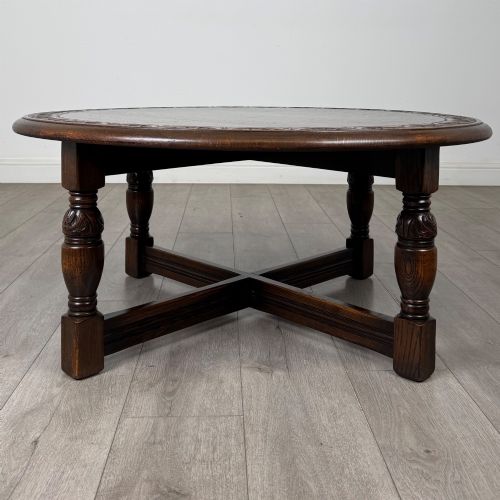
Makers constructed these low tables using solid timbers including oak, pine, elm, and walnut, often joining components with traditional jointing methods. Turning lathes shaped legs and stretchers, while hand-carving added decorative detail to rails and borders.
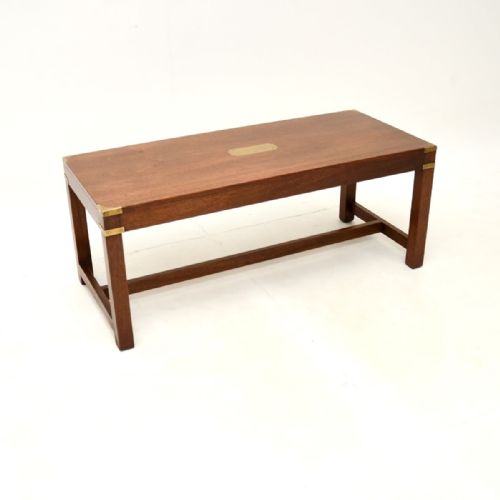
Surface finishes relied on natural wax, polishing, and oils that brought out the grain of woods like mahogany, rosewood, and burr walnut. Brass hardware, such as campaign mounts and handles, provided functional contrast to timber surfaces.
Listings feature eighteenth, nineteenth, and early twentieth-century pieces, spanning periods from Georgian times to the 1930s.
Distinctions in quality
Quality rests upon the selection of timber and the precision of the joinery employed during construction. Pieces utilising dense, figured woods and meticulous hand-carving demonstrate superior craftsmanship compared to utilitarian items.
Proportion and structural integrity define the higher tier of these tables. Well-balanced forms with original surface patination command greater appreciation than altered or excessively restored examples.
The Traditional Low Table Glossary
- Dresser base
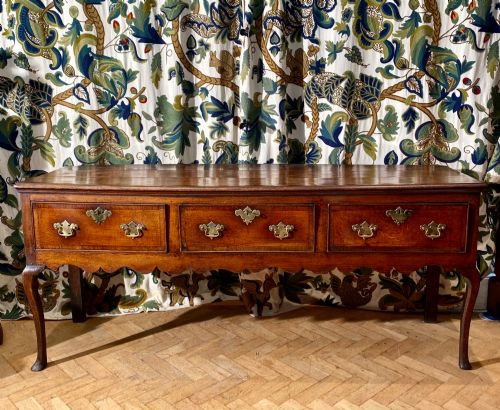
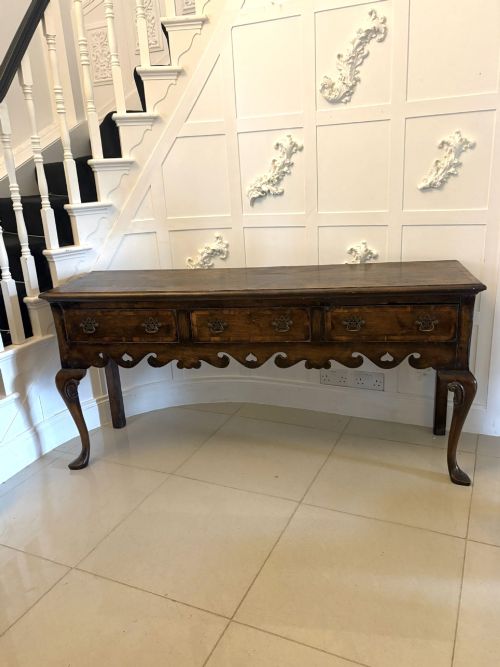
- A long low sideboard or table originally used in kitchens for food preparation and storage. They often feature drawers and lower potboards.
- Joint stool
- A sturdy wooden stool constructed with mortise and tenon joints held together by wooden pegs. These function as seating or low surfaces.
- Pie crust table
- A small table featuring a raised, carved, undulating edge resembling pastrywork. This decorative rim is typically worked from solid timber.
- Campaign style
- Portable furniture designed for military officers, characterised by brass corners, inset handles, and folding or dismantling elements.
- Opium table
- A low Chinese wooden table traditionally used for social gathering and resting. These often display carved details and recessed legs.
Traditional Low Table: Frequently Asked Questions
What is a traditional low table used for?
These low surfaces serve primarily as coffee tables or display platforms in living spaces, holding books, drinks, and decorative items. Their modest height keeps sightlines open across a room.
Historically, many started life as taller tables, stools, or side furniture before being adapted for modern seating arrangements.
How do I style a traditional low table?
Pair the wood tones with upholstered seating or rustic floor coverings to ground the piece within your room. Keep the arrangement of objects minimal to let the timber grain and carving show.
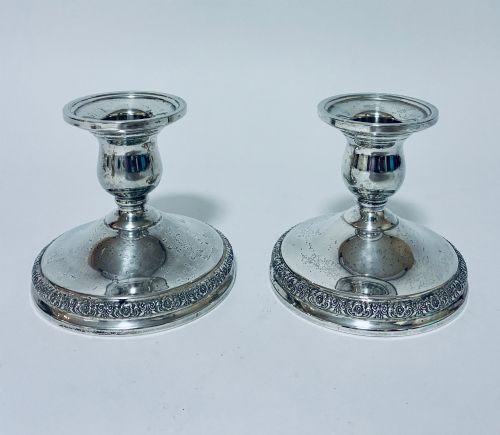
Mix textures by placing ceramics, metal candlesticks, or books upon the surface to create contrast against polished walnut or oak.
How do I identify the period of a low table?
Examine the timber species, tool marks, and construction techniques visible underneath and inside the frame. Eighteenth and nineteenth-century pieces often display hand-sawn boards and pegged joints.
Revival styles from the Edwardian era or the 1930s emulate earlier motifs like Queen Anne cabriole legs or Jacobean turning, but use machinery consistent with their actual manufacturing date.
Are these tables sturdy enough for daily use?
Solid timber construction using oak, pine, elm, or mahogany provides robust structural integrity for everyday living. Regular maintenance with appropriate wax preserves the wood.
Check the joints and legs periodically to ensure stability remains firm under normal household loads.