

Traditional Low Seating
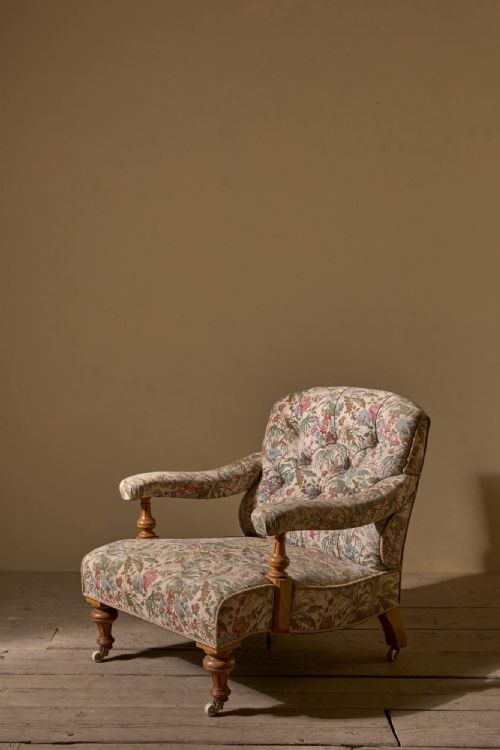
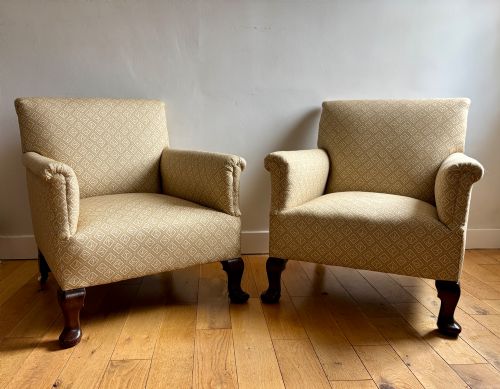
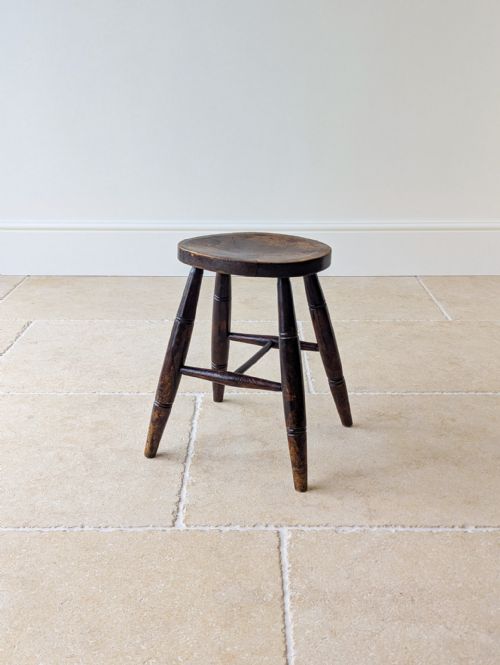
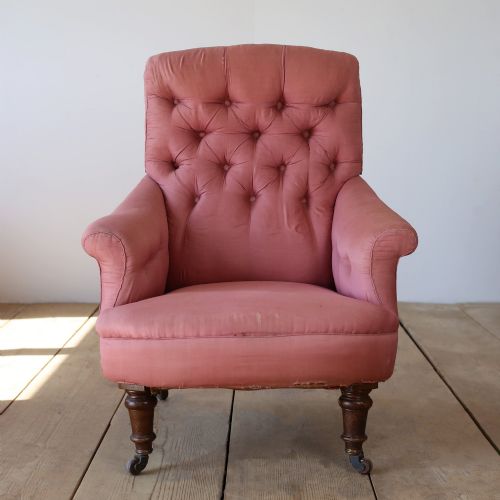
Traditional low seating gathers together low-slung armchairs, stools and bedroom chairs built for resting close to the floor.
Traditional Low Seating
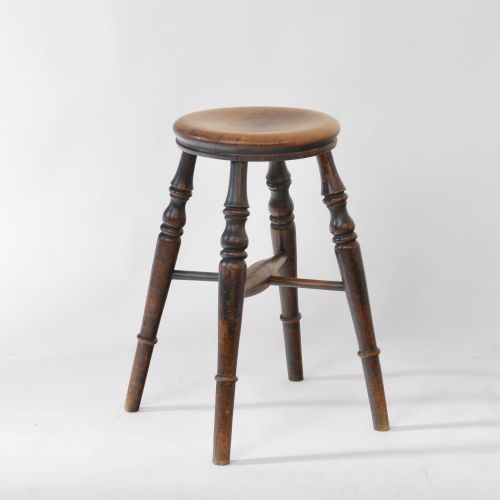
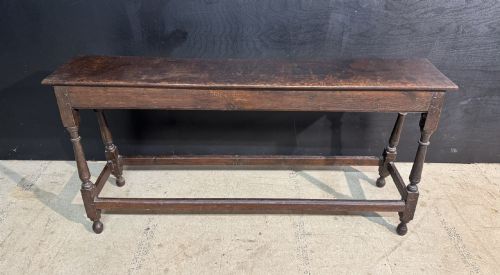
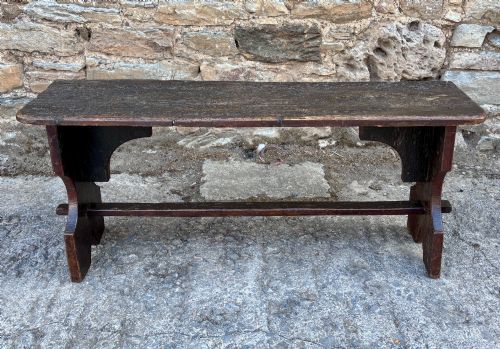
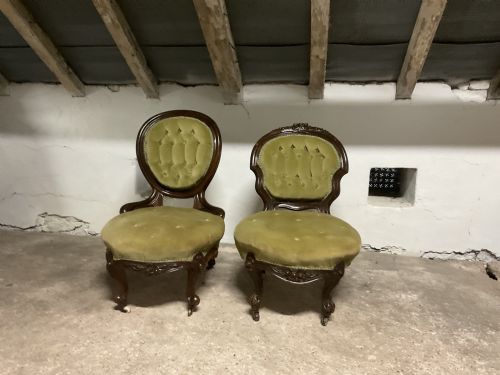
Traditional low seating spans compact bedroom chairs, deep armchairs and solid timber stools designed to sit comfortably below standard table height. Buyers seeking traditional low seating typically encounter Victorian and Edwardian examples alongside earlier Georgian and vernacular pieces.
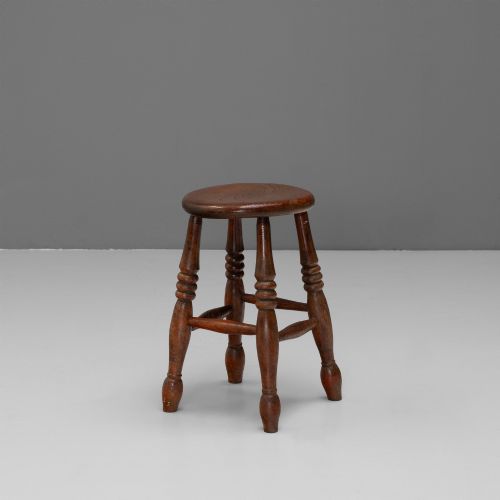
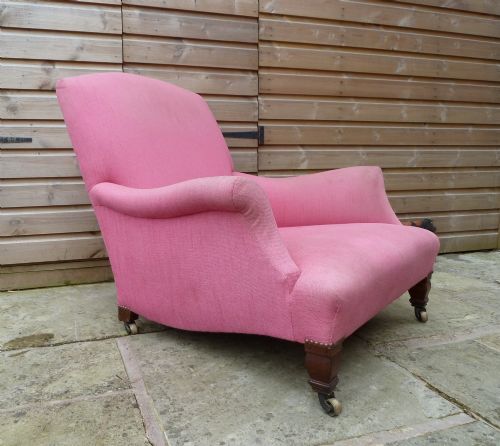
Forms range from low-backed nursing and slipper chairs to joint stools, footstools and country house sofas. These pieces reflect domestic habits of earlier centuries, prioritising intimate fireside comfort or practical bedroom utility.
Origins vary from English country houses and Scottish residences to provincial taverns and rural workshops. The selection leans heavily toward nineteenth-century production, tempered by occasional eighteenth-century survivals and later revival styles.
How they were made
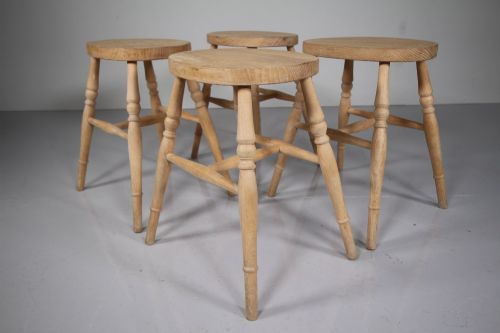
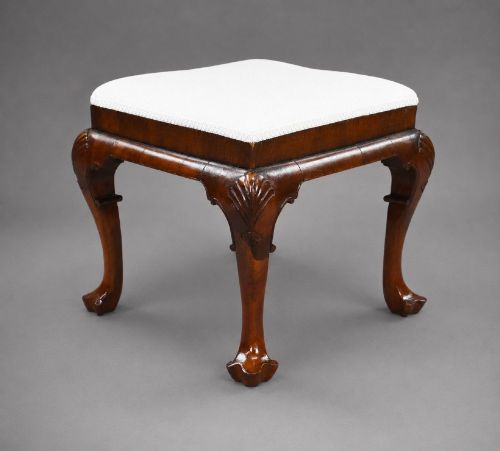
Construction relies on sturdy hardwoods such as oak, mahogany, walnut, elm, sycamore and beech, often shaped into jointed frames or turned supports. Timber selection dictates whether a piece takes the form of a rustic vernacular stool or a polished mahogany dressing table stool.
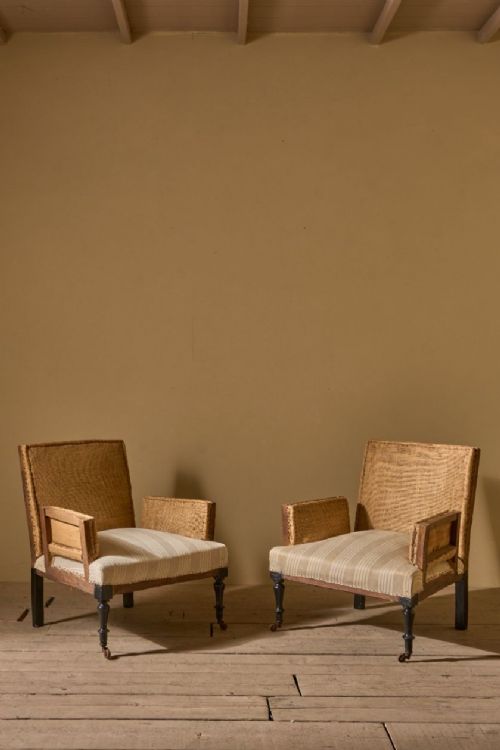
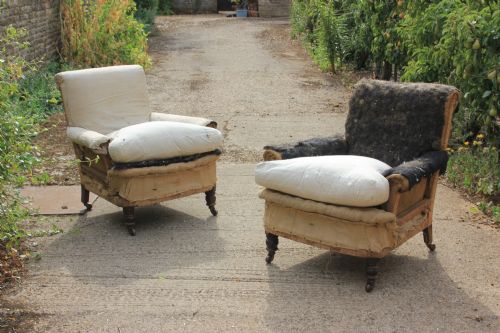
Upholstered pieces combine traditional stuffing materials with durable covering fabrics including calico, hessian, fabric and button-backed textiles. Exposed frames frequently feature brass castors, turned legs or aesthetic movement details.
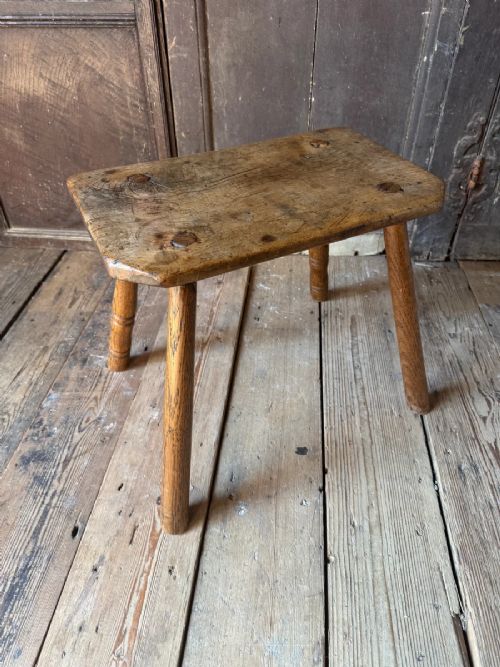
Joinery techniques range from simple peg construction in country joint stools to complex sprung framing in deep-seated armchairs. Makers utilised local timbers and straightforward hand tools to ensure daily structural endurance.
Listings span eight distinct periods from the eighteenth century through the 1930s, uniting oak, mahogany and elm with soft calico and hessian.
What varies in quality
Quality rests in the integrity of the timber frame and the fidelity of its period construction. Pieces retain greater merit when frame joints remain tight and timber surfaces show honest, unmediated age.
Proportion and comfort distinguish superior armchairs and slipper chairs from simpler utility seating. A well-proportioned frame balances ergonomic depth with refined decorative turning or carving.
The sophistication of the upholstery foundation separates standard workshop output from exceptional examples. Deeper springing and careful hand-stitched stuffing elevate the sitting experience without compromising period character.
Howard and Sons·Whytock and Reid·Hampton and Sons
The Traditional Low Seating Glossary
- Slipper chair
- A low-set upholstered bedroom chair traditionally used by ladies while putting on shoes. These pieces typically feature short legs and a supportive back.
- Joint stool
- A sturdy wooden stool constructed with mortise and tenon joints held together by wooden pegs. Early examples often display seventeenth or eighteenth-century vernacular characteristics.
- Nursing chair
- A low bedroom chair designed for feeding infants or personal grooming. The low seat level offered ease of use in domestic chambers.
- Club fender
- A low, U-shaped fireside seat featuring upholstered top rails above a metal base. Brass frames and padded leather or fabric seats are common.
- Vernacular
- Objects built by local craftsmen using regional traditions and readily available materials rather than strict high-style pattern books. This approach yields honest, functional country furniture.
Traditional Low Seating: Frequently Asked Questions
What distinguishes a nursing chair from a slipper chair?
Nursing chairs generally feature slightly taller backs and lower seats to assist with infant care in the bedroom. Slipper chairs focus on compact dressing utility with relaxed, low-slung proportions.
Both forms share a low profile, but their specific nineteenth-century uses shaped their distinct back heights and upholstery styles.
How do I care for antique upholstered low seating?
Protect antique fabrics from direct sunlight to prevent fading and vacuum gently using a soft brush attachment. Period frames benefit from occasional application of quality beeswax to nourish exposed wood.
Avoid placing these delicate pieces near intense heat sources, which can dry out internal stuffing and warp wooden joints.
Are these low seats comfortable for daily use?
Many nineteenth-century armchairs and deep-seated upholstered models offer exceptional lounging comfort despite their compact height. Firmer wooden stools and country chairs prioritise sturdy utility over plush cushioning.
Checking the internal springing and padding condition helps determine suitability for prolonged modern sitting.
How can I tell a Georgian stool from a Victorian one?
Georgian stools typically display simpler linear geometry, straightforward timber framing and darker native hardwoods like oak or mahogany. Victorian examples frequently introduce more elaborate turning, cabriole legs or button-backed upholstery.
Examining the tool marks and construction methods inside the frame provides clear clues to the period of manufacture.