

Traditional Low Armchair
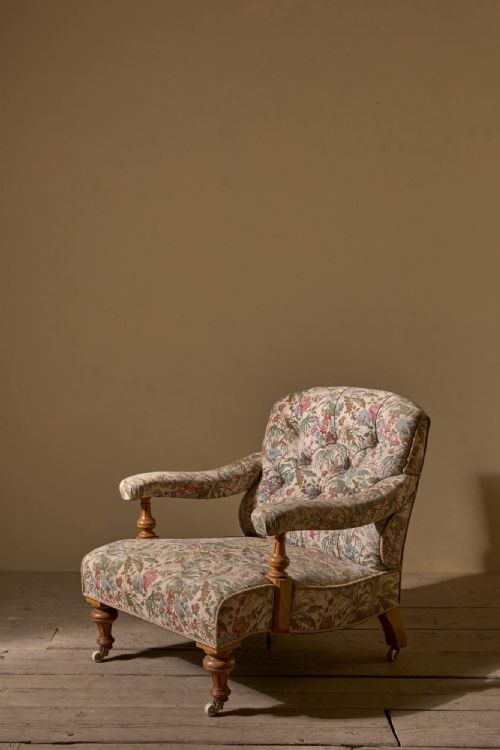
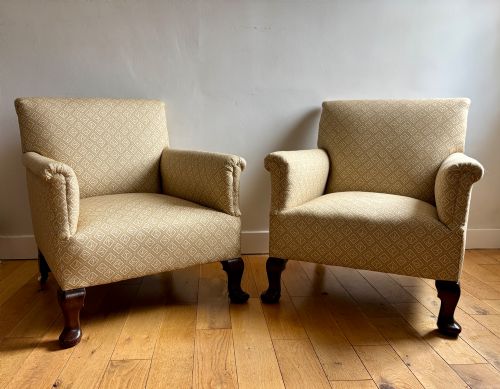
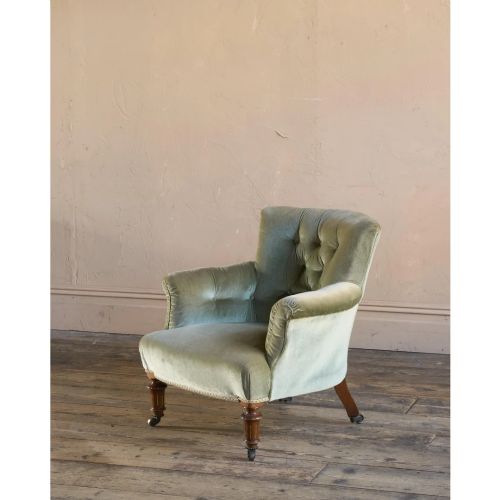
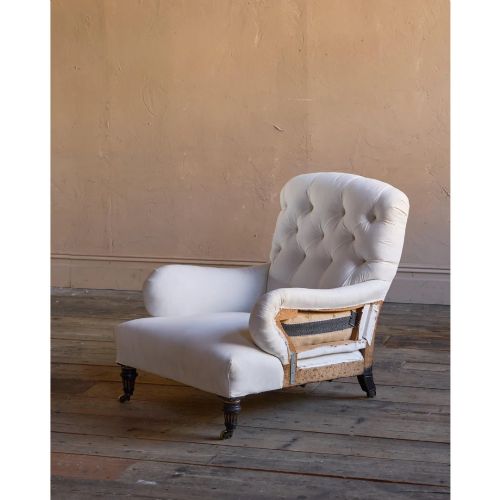
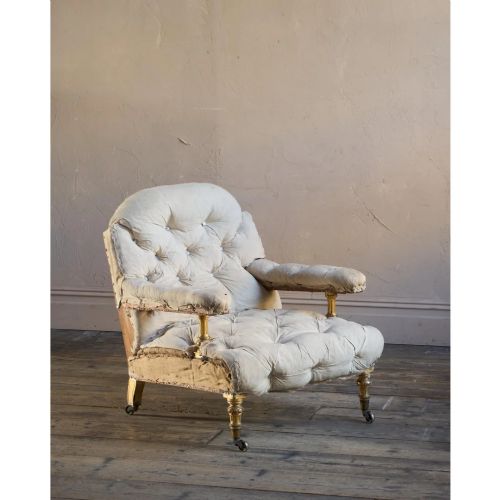
A traditional low armchair offers a low-slung seat and supportive arms, bringing nineteenth-century comfort directly to a fireside or bedroom.
Traditional Low Armchair
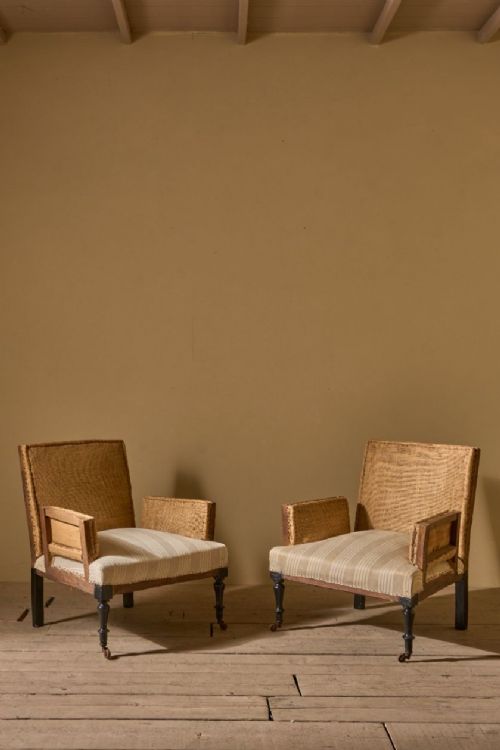
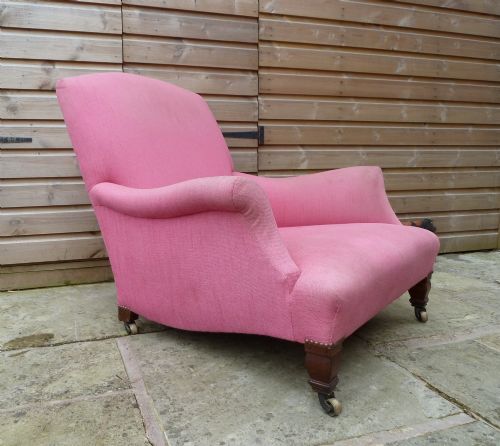
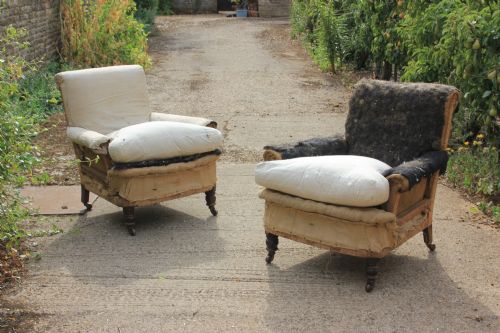
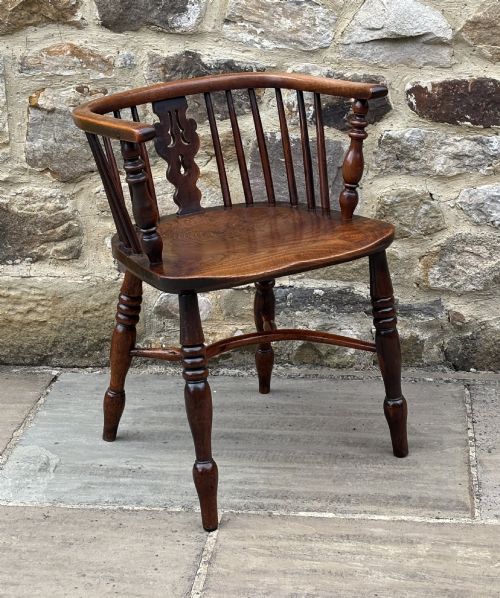
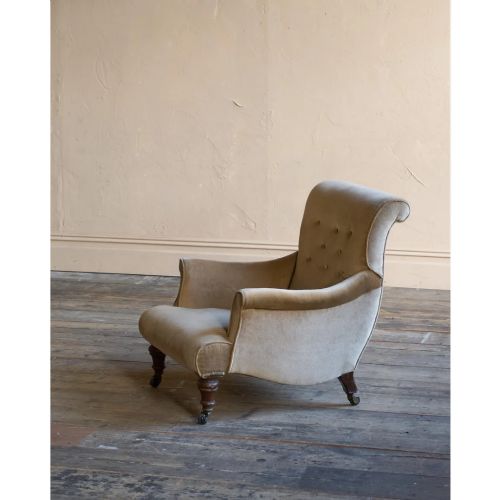
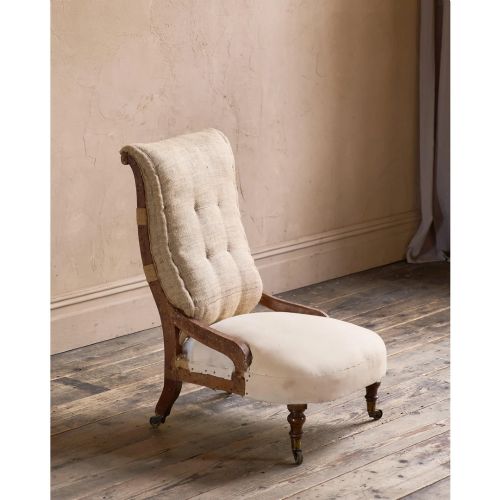
A traditional low armchair encompasses seating designed with a reduced seat height, spanning Victorian, Edwardian, and eighteenth-century periods. The selection on this page leans heavily toward nineteenth-century forms, including low-back Windsor chairs, button-backed bedroom seats, and slipper chairs.
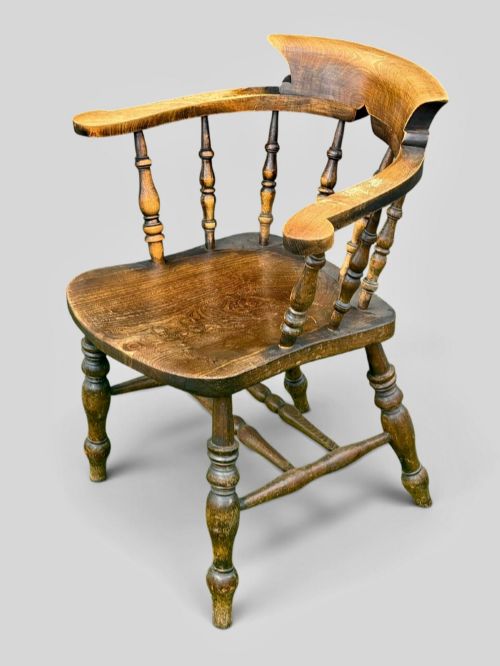
Buyers encounter country house open armchairs alongside specialised seating like smokers' bows, captains' chairs, and nursing chairs. These pieces originate from English, Scottish, and French workshops, utilising regional timber traditions from Ash, Elm, and Beech.
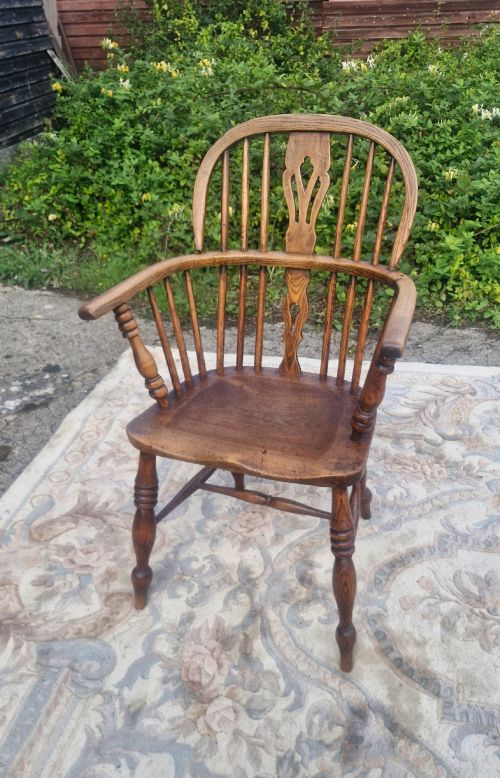
Regional variations appear clearly in Windsor chairs from Nottinghamshire or works associated with makers such as Gabbitass Worksop. Low proportions make these armchairs practical for smaller rooms or low-ceilinged cottages while maintaining deep seating arrangements.
How they were made
Construction relies on solid native timbers, pairing elm seats with ash or beech spindles and legs in Windsor forms. Sturdiness comes from traditional joinery, utilising turned components and wedged tenons without modern fasteners.
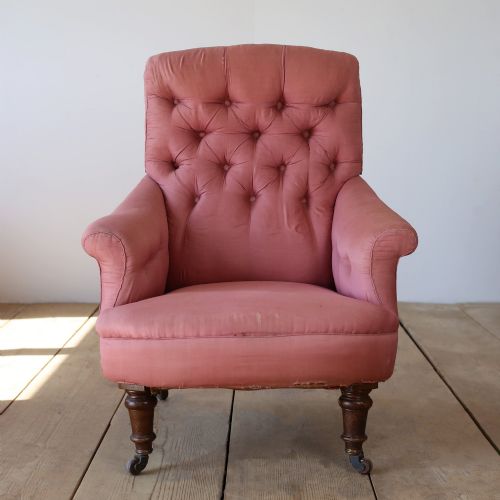
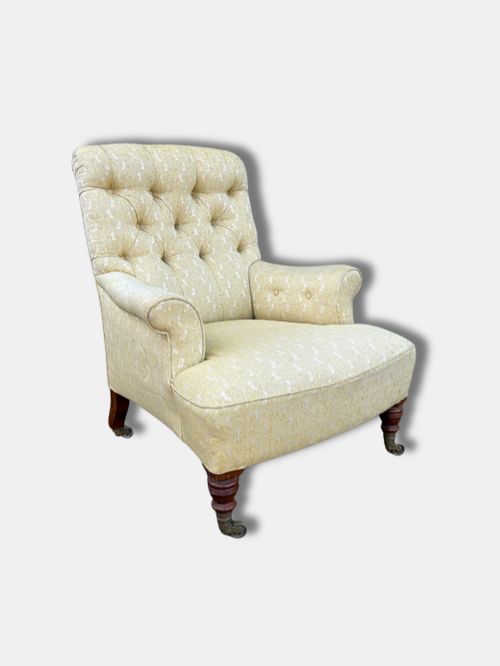
Upholstered variants incorporate stuffed horsehair or coil springs beneath fabric coverings such as velvet, wool, and leather. Frameworks of mahogany, oak, or walnut provide the rigid skeleton for deep padding and button-tufted backs.
Listings feature periods from the eighteenth to the twentieth centuries, spanning Victorian, Edwardian, and Georgian Country styles.
What varies in quality
Originality of timber and surface patination separate standard examples from superior pieces. Chairs retaining their original unstripped wood finishes and authentic maker stamps hold greater integrity.
Structural refinement shows in the balance of the turned spindles and the comfort of the sprung upholstery. Finer pieces demonstrate careful proportioning in the arms and back rake, alongside robust joinery that survives centuries of use.
Howard and Sons·Whytock and Reid·Gillows·Hampton and Sons·Gabbitass Worksop
The Traditional Low Armchair Glossary
- Smokers bow
- A sturdy, low wooden armchair with a rounded back rail popular in nineteenth-century provincial settings. These chairs often feature generous elm seats and turned beech spindles.
- Windsor chair
- A wooden chair built with a heavy solid seat into which the legs and back sticks are independently tenoned. Regional variations include low backs and distinct comb pieces.
- Slipper chair
- A low-seated upholstered bedroom chair traditionally used by ladies while putting on shoes. Their compact frames sit close to the floor.
- Nursing chair
- A low upholstered chair designed without high arms to allow a mother to feed an infant comfortably. They frequently feature button-backed upholstery and castors.
- Button back
- An upholstery technique where indentations are formed by pulling twine through padding and securing it with covered buttons. This method keeps internal stuffing firmly distributed.
Traditional Low Armchair: Frequently Asked Questions
Where were low Windsor armchairs made?
Windsor chairs originate from various English regions, with notable regional variations found in workshops across Nottinghamshire and other timber-rich counties. Local makers utilised accessible regional woods such as ash and elm.
Makers turned spindles and shaped seats by hand, resulting in robust country seating that developed distinctive local characteristics in the back rails and arm shapes.
How do I care for antique upholstery?
Upholstered pieces benefit from gentle vacuuming with a soft brush attachment to remove dust from crevices and button tufts. Keep them away from direct sunlight to prevent fabric fading.
Leather surfaces require occasional specialist conditioning to keep the hide supple, while wooden frames need only a dry cloth for routine dusting.
Are these chairs suitable for daily use?
Nineteenth-century and earlier chairs were built using solid joinery and durable timbers designed for everyday utility. Many retain sturdy frames capable of supporting regular seating.
Checking the stability of the legs, arms, and internal webbing ensures the piece safely handles daily life in a modern home.