
Traditional Leather Seat
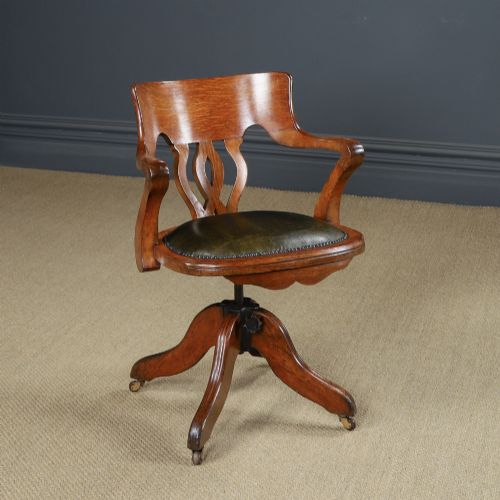
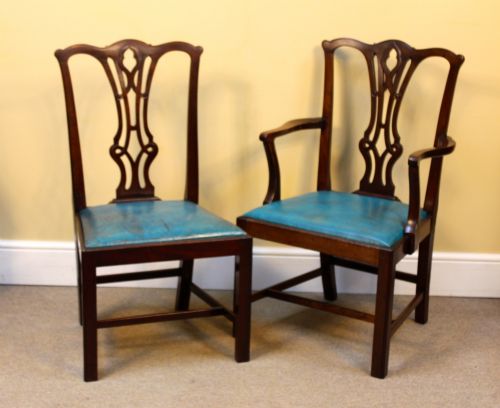
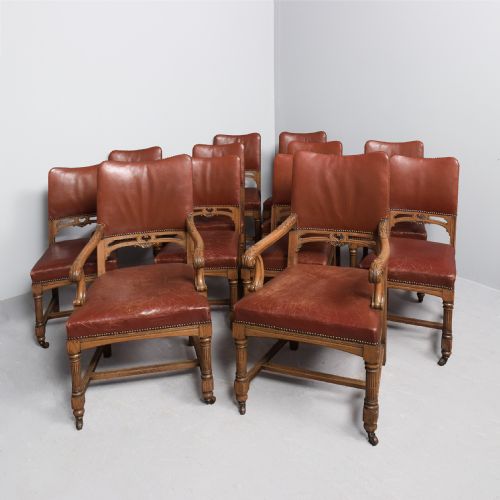
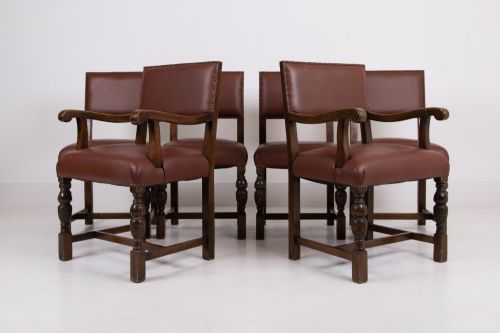
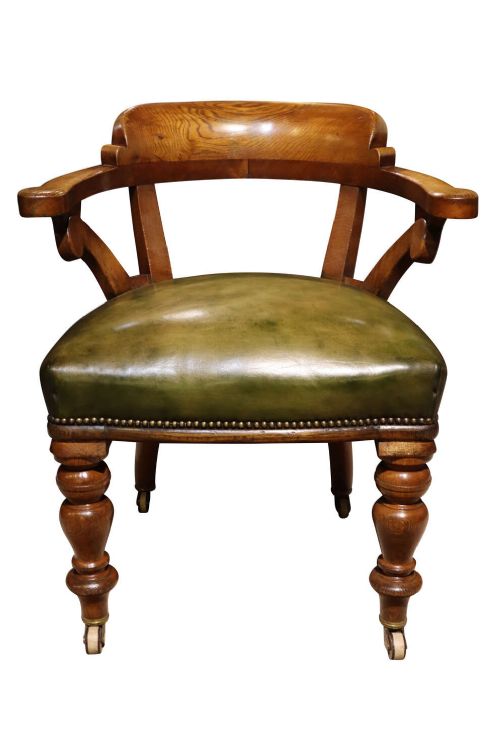
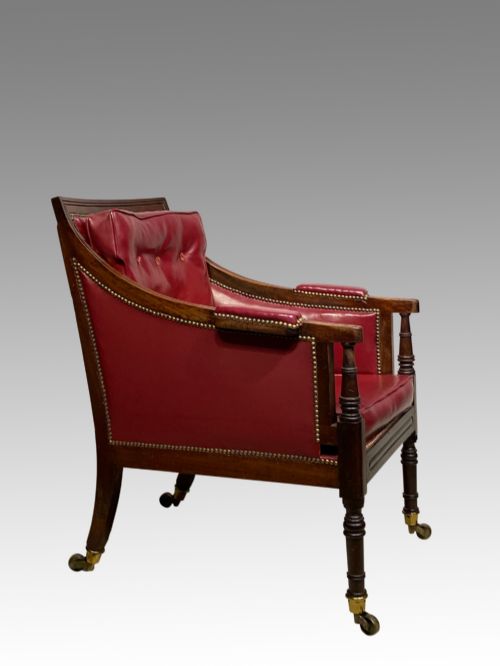
A traditional leather seat brings tactile warmth and enduring structure to a room, spanning sturdy oak desk chairs, brass-mounted club fenders and mahogany library armchairs.
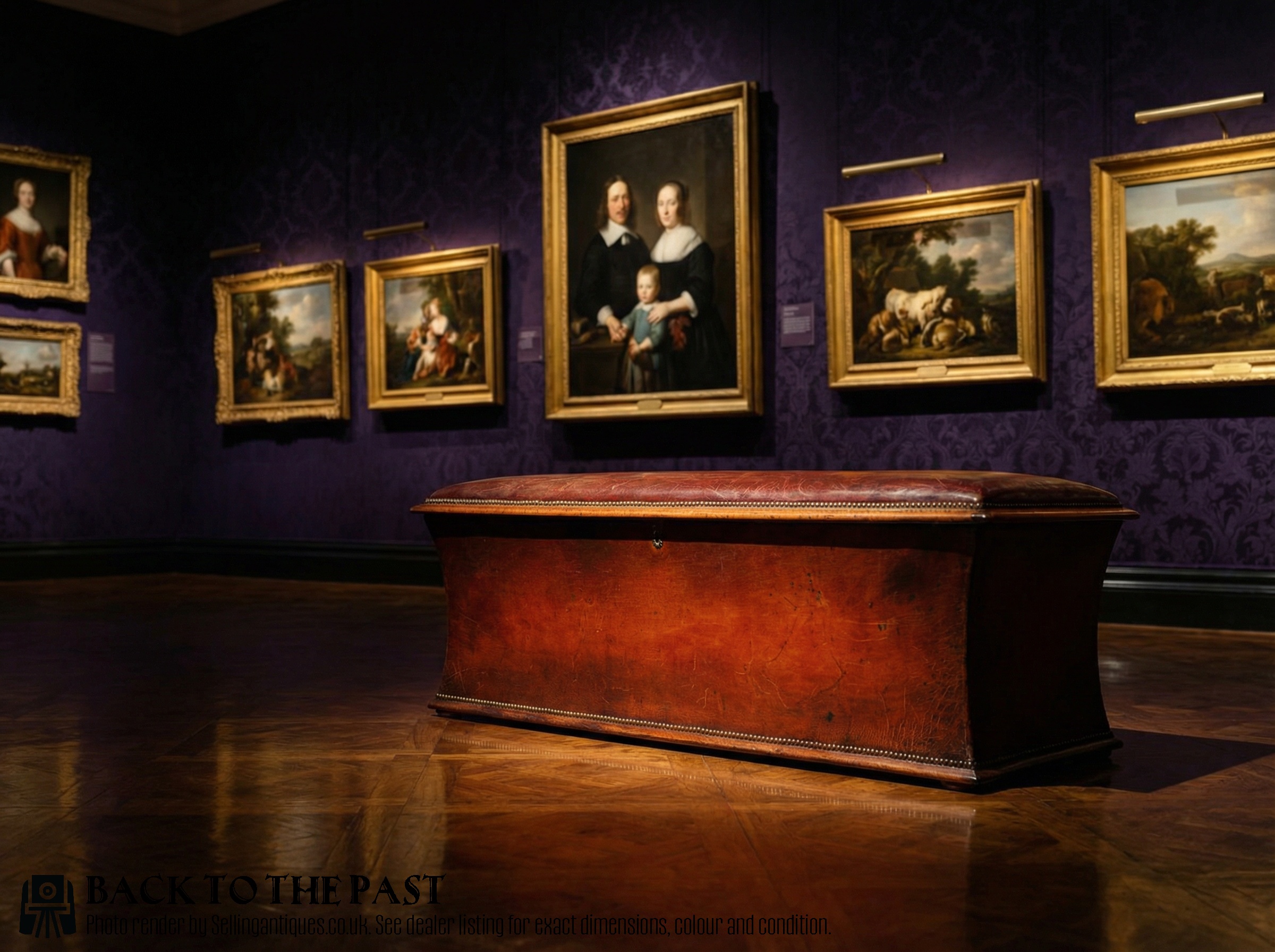
Traditional Leather Seat
A traditional leather seat encompasses a broad spectrum of domestic and library furnishings designed for daily utility and formal reception rooms. Buyers encounter these forms across Georgian, Victorian, Edwardian and early twentieth-century periods, reflecting shifting tastes in domestic comfort.
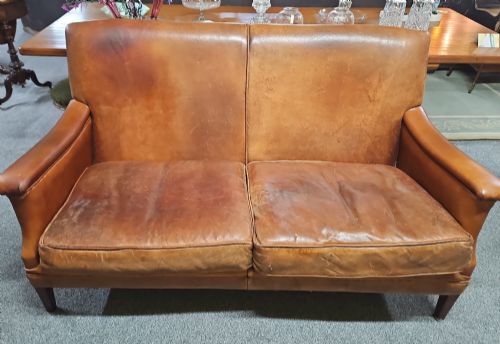
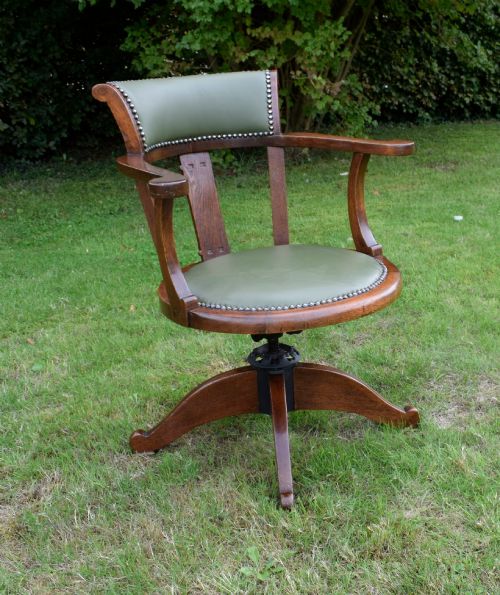
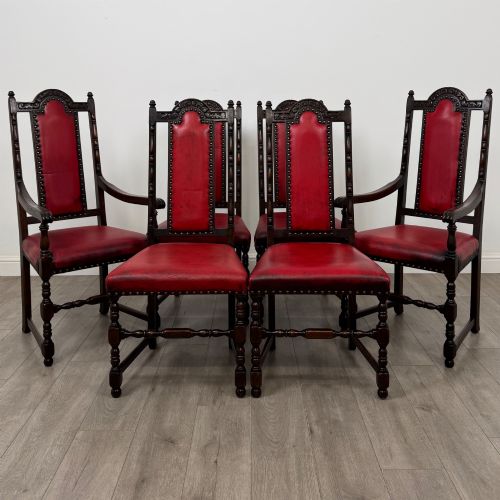
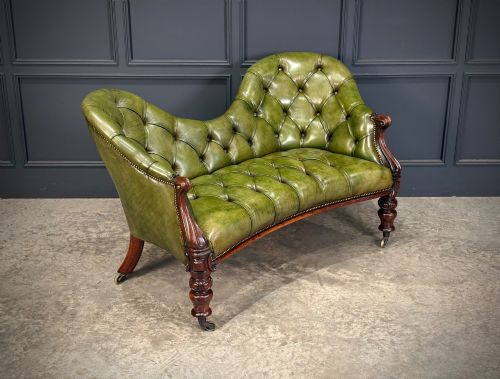
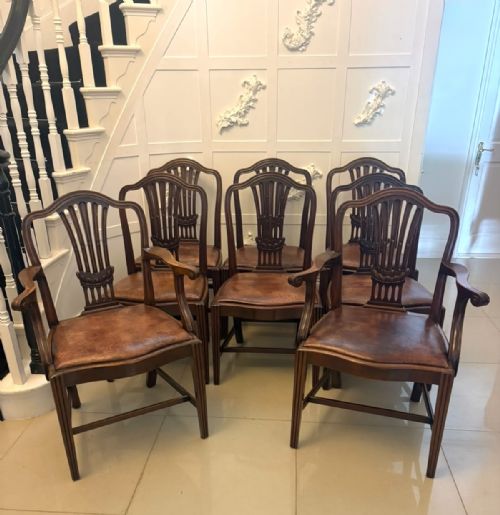
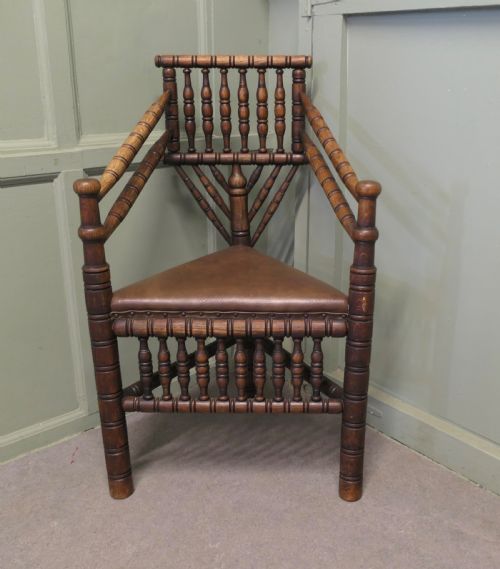
Dining chairs, library armchairs and revolving desk chairs form the core of the selection, accompanied by substantial club fenders and buttoned Chesterfields. Oak and mahogany serve as the primary structural timbers, supporting upholstery hides in shades of green, brown and tan.
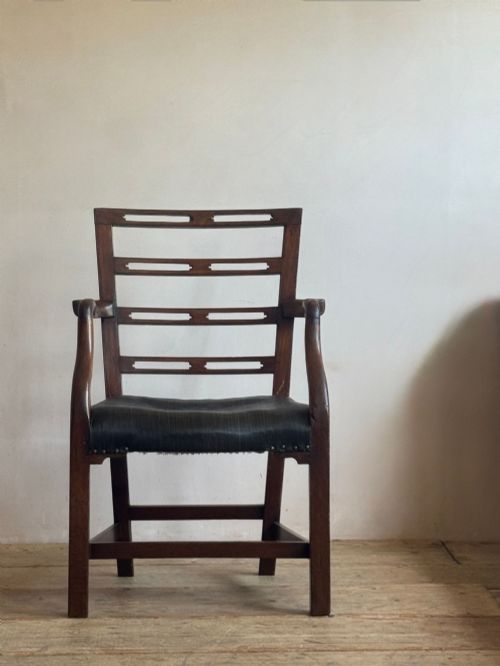
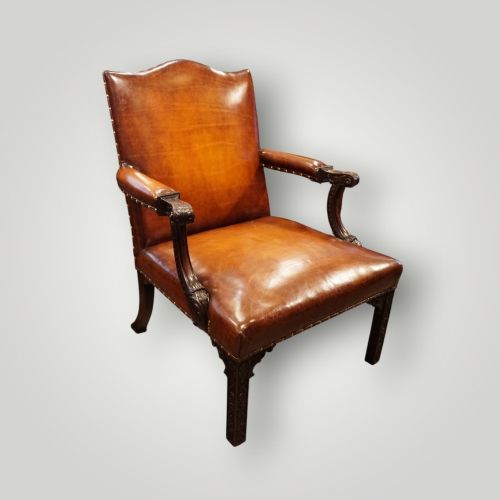
The most prevalent examples on this page date from the nineteenth and early twentieth centuries, particularly Victorian and Edwardian iterations. These pieces range from simple ladder-back armchairs to elaborate Gainsborough models with carved mahogany frames.
Materials and construction
Makers built the frames of these traditional leather seats using seasoned hardwoods such as oak, mahogany and rosewood, joined with traditional tenons and dowels. Carved details on mahogany dining chairs and Gainsborough armchairs demonstrate the hand-chiselled techniques typical of cabinetmakers.
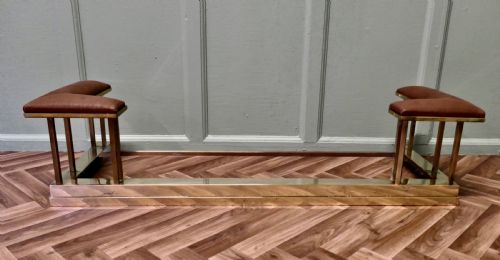
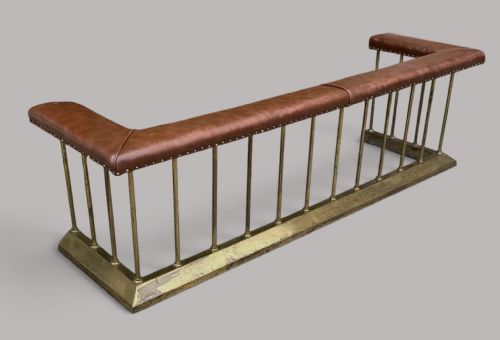
Upholstery relied on vegetable-tanned hide or leather, secured to the timber frames with metal studs or brass tacks along the seat edges. Club fenders combined solid brass uprights and rails with mature leather-topped cushion seats designed to withstand hearthside use.
Listings feature oak, mahogany, brass and iron combined with green, brown and tan leather across Georgian, Victorian and Edwardian periods.
Craftsmanship and preservation
Quality depends upon the integrity of the timber frame, the depth of hand-carved ornamentation and the retention of original hide rather than modern replacement upholstery. Superior examples exhibit crisp joinery, well-defined blind carving on mahogany arms and sturdy swivel mechanisms on desk chairs.
The ageing of the leather itself dictates the visual merit of the piece, with hand-dyed English hide showing a desirable patina through natural use rather than artificial distress. Heavier brass castings on club fenders and solid timber turning on oak armchairs distinguish workshop production from mass fabrication.
The Traditional Leather Seat Glossary
- Club fender
- A low fireside seat featuring metal uprights and leather-upholstered top rails designed for placement around a fireplace hearth.
- Gainsborough armchair
- A wide, open-armed desk or reading chair with a padded leather seat and back, popular from the mid-eighteenth century onwards.
- Library chair
- A substantial upholstered armchair designed for reading rooms, frequently rendered in mahogany or oak with buttoned leather.
- Bergère
- An enclosed armchair with an exposed wooden frame and upholstered back and sides, sometimes incorporating cane panels.
- Chesterfield
- A large sofa characterised by low back and arm heights and deep button-tufted leather upholstery.
Traditional Leather Seat: Frequently Asked Questions
Are club fenders adjustable?
Many traditional club fenders were custom-built to fit specific hearth dimensions, meaning fixed widths are more common than adjustable designs.
Buyers should measure both fireplace openings and surrounding hearth stones carefully before acquiring one.
What is the difference between a Gainsborough and a library chair?
A Gainsborough chair specifically denotes an open-armed desk chair with a low seat and upholstered back, typical of Georgian design.
Library chairs often encompass larger, fully upholstered club and armchair formats intended for prolonged reading.
How should I care for antique leather seats?
Antique leather requires gentle cleaning with a soft cloth and occasional application of specialised leather balms to prevent cracking.
Keep these seats away from direct sunlight and strong heat sources to preserve the natural hide.