



Traditional Kilim Carpet
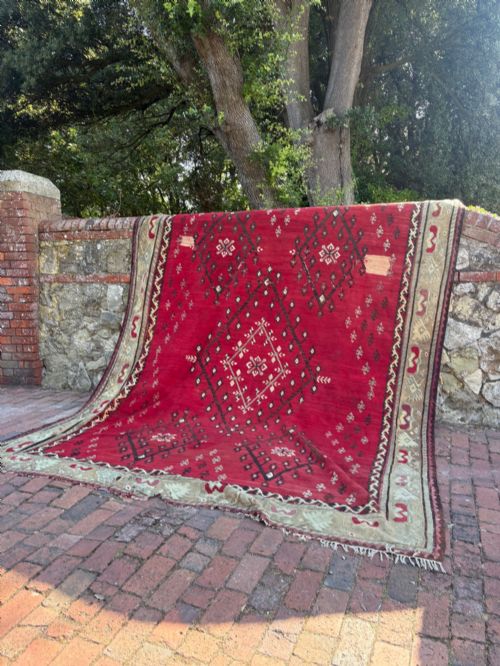
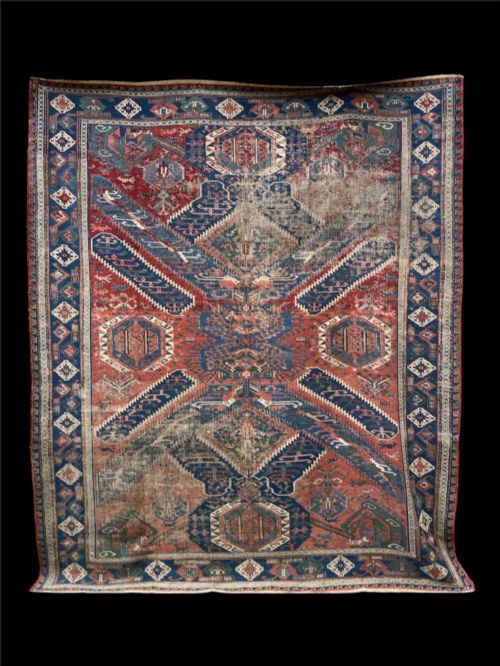
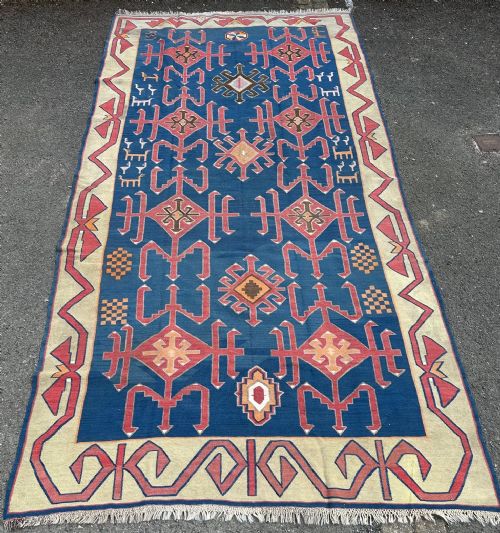
A traditional kilim carpet brings flat-weave geometry and rich regional dye palettes into a room.
Traditional Kilim Carpet
When you search for a traditional kilim carpet, you encounter flat-weave textiles originating from Anatolia, the Caucasus, Persia, Central Asia, and Eastern Europe. These floor coverings and wall hangings span periods from the late nineteenth century through the mid-twentieth century.
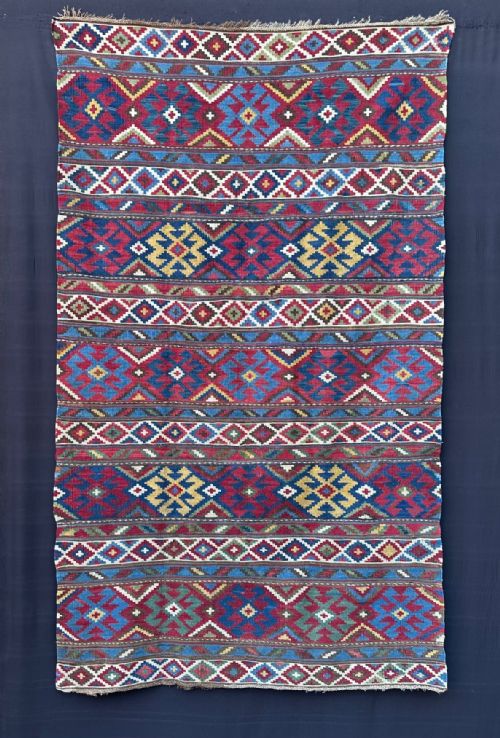
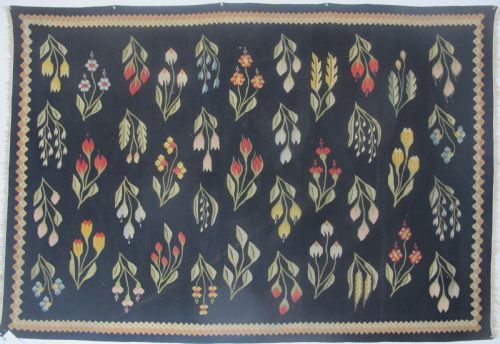
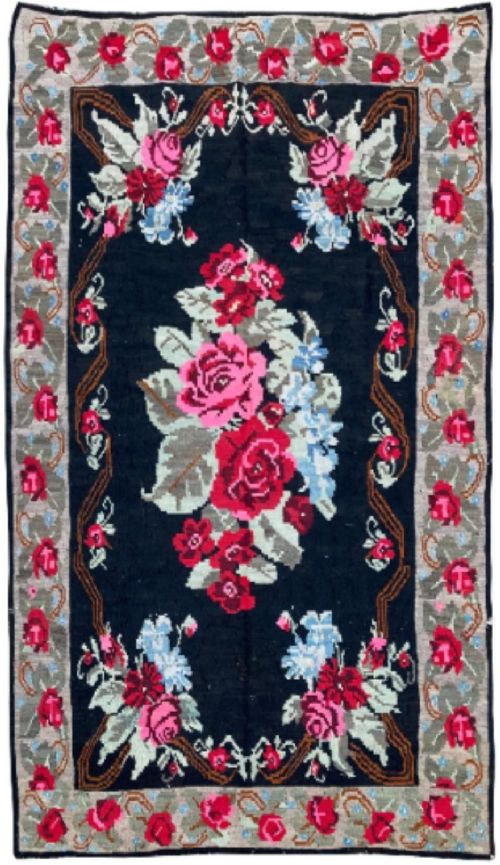
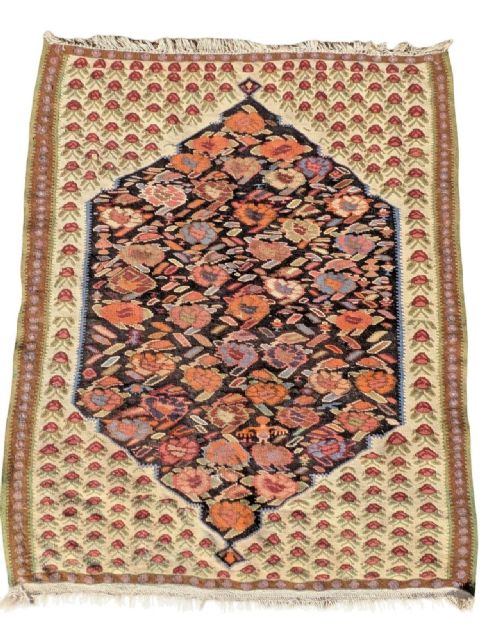
The inventory on this page relies heavily on regional rugs and runners, including specific Anatolian, Shirvan, Bessarabian, and Uzbek examples. Pieces range from intimate runner proportions up to room-size formats.
Nomadic and tribal workshops produced many of these flat-weaves, employing geometric motifs, banded designs, and floral tapestry styles. Buyers select these textiles for their distinct regional patterns and flat, pileless texture.
Materials and construction methods
Weavers constructed these textiles primarily using wool and cotton, often utilising hand-spun wool and natural dyes to achieve deep colour saturation. Certain European and regional examples incorporate velvet or timber elements in associated furnishings.
Many large format flat-weaves were woven in multiple narrow strips and joined together to create room-size dimensions. Artisans employed slit-tapestry techniques and flat-weave structures without pile to form sharp geometric and floral patterns.
Some industrious weavers joined up to thirteen separate narrow strips together just to make one room-size floor covering.
Differentiating quality in flat-weave textiles
Quality rests upon the tightness of the weave and the precision of the geometric or floral layout. Finer density in the structure produces a sharper definition along the colour boundaries.
The choice of dyestuffs influences the visual depth of the surface, with natural dyes yielding complex tonal variations across the textile. Condition also plays a role, as timeworn repairs or original construction methods like multi-strip joining reflect distinct regional practices.
The Traditional Kilim Carpet Glossary
- Flat-weave
- A textile produced without knotted pile by interweaving warp and weft threads directly on a loom. This technique results in a thin, reversible rug.
- Kilim
- A pileless carpet or rug originating from regions spanning Turkey, the Caucasus, Persia, and Central Asia. They typically feature bold geometric or tribal motifs.
- Sumak
- A brocade-like flat-weave technique where extra weft threads are wrapped around the warp threads for added texture and durability. Pieces utilising this method often display distinct diagonal lines.
- Warp
- The vertical foundation threads stretched tightly on a loom before weaving begins. The weft threads pass horizontally through these structural elements.
- Weft
- The horizontal threads passed through the warp to build the pattern and colour field of the textile. In kilims, these packed threads completely conceal the vertical foundation.
Traditional Kilim Carpet: Frequently Asked Questions
How do I clean a kilim carpet?
Gentle surface brushing and careful vacuuming without a beater bar remove loose dust and debris. Professional textile cleaning is recommended for deeper maintenance to protect natural wool fibres.
Avoid soaking or machine washing historic flat-weaves, as moisture can alter the structure and affect natural dye stability.
Are these rugs reversible?
Most traditional flat-weaves display the same pattern on both sides because of the slit-tapestry weaving technique used. This construction allows you to flip the textile to distribute wear evenly over time.
Certain finishes or structural repairs may mean one side is better suited as the primary display surface.
Where were these carpets made?
The pieces originate from diverse weaving traditions across Anatolia, the Caucasus, Persia, Central Asia, and Bessarabia. Specific tribal groups and regional workshops developed distinct local palettes and structural characteristics.
Geographic attribution is determined by analysing the specific motif vocabulary, regional border designs, and structural assembly methods.
Why are some kilims woven in strips?
Nomadic vertical looms had width limitations, requiring weavers to produce long, narrow panels. Artisans joined these individual strips side by side to achieve room-size proportions.
This multi-part construction method is a hallmark of specific regional weaving traditions from Central Asia and Anatolia.