

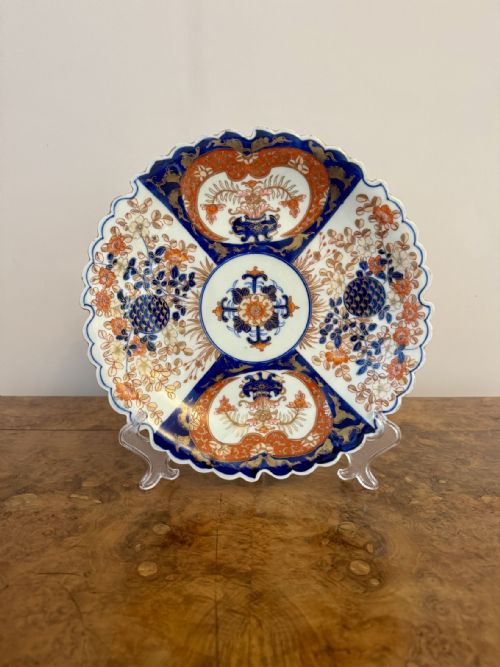


Traditional Japanese Wall Plate
These traditional japanese wall plate examples bring centuries of ceramic history to your interior, offering striking displays of hand-painted artistry.
Traditional Japanese Wall Plate
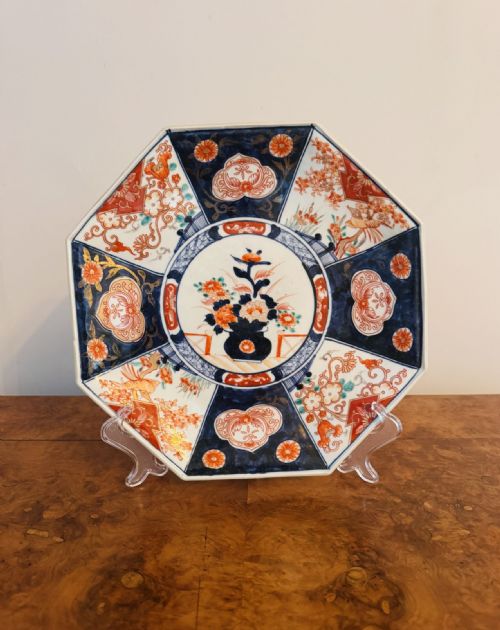
A traditional japanese wall plate encompasses various decorative plates, chargers, and platters originating from historic periods. These pieces serve as visual focal points, frequently incorporating rich patterns designed for display.
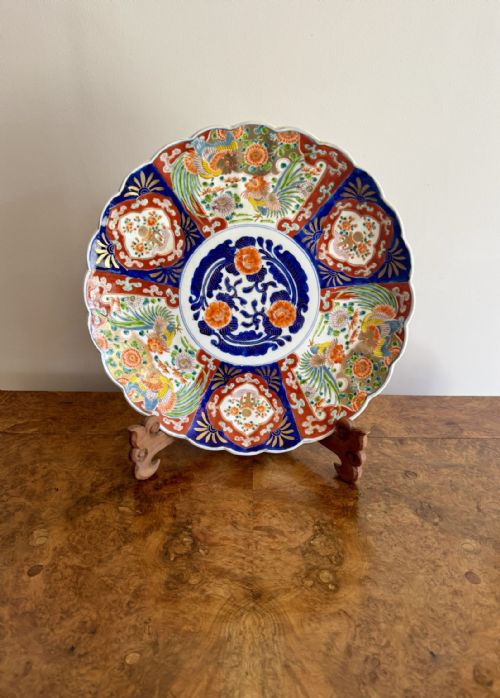
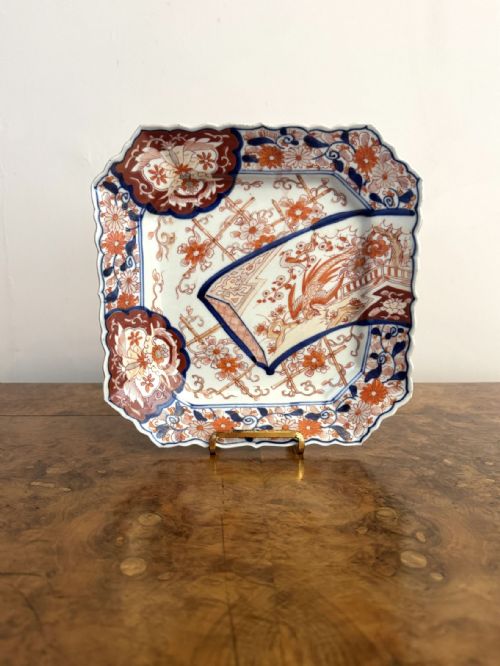
The selections span significant eras including the Edo period, Meiji period, and the late nineteenth century. You encounter forms ranging from square-shaped plates to large scalloped chargers.
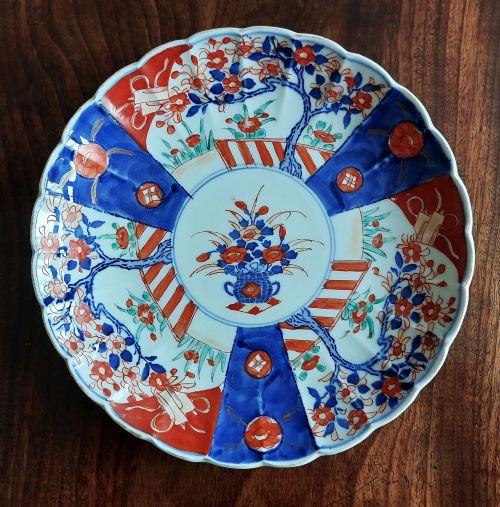
Imari porcelain forms the core of what you discover within this category. These items showcase distinctive styles that bridge domestic utility and decorative wall art.
What separates examples within traditional japanese wall plate
The precision of hand-painted brushwork distinguishes finer specimens from standard output. Intricate detailing in the cobalt underglaze and enamel decoration marks superior craftsmanship.
The preservation of original gilding and gold leaf accents influences the overall character of the piece. Format complexity, such as scalloped edges or square shaping, also shapes the visual impact.
Listings incorporate porcelain and ceramic items featuring cobalt underglaze, enamel, and gold leaf across Victorian, Edwardian, and seventeenth-century eras.
The Traditional Japanese Wall Plate Glossary
- Imari
- A traditional Japanese style of porcelain decorated in underglaze blue, iron red, and gold. It remains the dominant aesthetic seen across these plates and chargers.
- Charger
- A large decorative plate utilised historically for presentation or wall display rather than routine dining. These items dominate the larger formats available.
- Cobalt Underglaze
- A blue pigment applied to the ceramic body before glazing and firing, creating durable colour. This technique defines the foundational patterns on the porcelain.
- Meiji Period
- The era in Japanese history spanning from eighteen sixty-eight to nineteen twelve, associated with significant artistic production. Many pieces date from this time or slightly later.
Traditional Japanese Wall Plate: Frequently Asked Questions
How do I hang a traditional japanese wall plate?
Specialist plate hangers utilise spring tension or coated wire to secure the rim safely against a vertical surface. Ensure the hardware matches the weight of the ceramic charger before mounting.
Position the piece at eye level to appreciate the hand-painted details and gilt highlights properly. Avoid locations with direct sunlight to protect the enamel colours over time.
What defines an Imari style traditional japanese wall plate?
These pieces feature a distinct combination of cobalt underglaze blue and iron red, frequently enhanced with gold leaf. The palette creates high contrast across the porcelain surface.
Floral and geometric motifs dominate the composition, arranged in intricate panels. This traditional aesthetic originated in Hizen province through Arita kilns.
How can I date a traditional japanese wall plate?
Dating relies on stylistic markers associated with periods such as the Edo or Meiji eras, alongside the characteristics of the ceramic body. Nineteenth and early twentieth-century examples often exhibit specific glaze textures and brushwork.
Examine the foot ring and base for signs of age and manufacturing technique. Reference points include the transition from hand-thrown bodies to later industrial methods.
Are these ceramic pieces intended for daily use?
Historic chargers and decorative plates serve primarily as display items rather than functional tableware. Their delicate enamel surfaces and gold leaf accents require careful handling.
Keep them mounted on walls or placed securely on stands to prevent accidental chips. Gentle dusting with a dry cloth maintains their appearance without risking the glaze.