





Imari Style Ceramic Plate
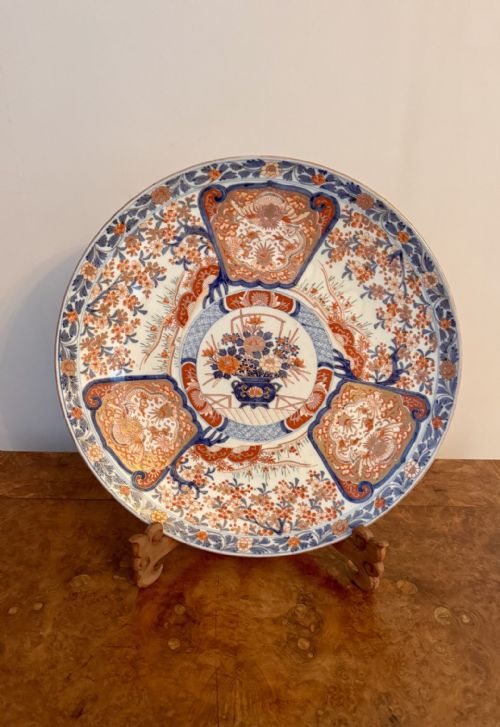
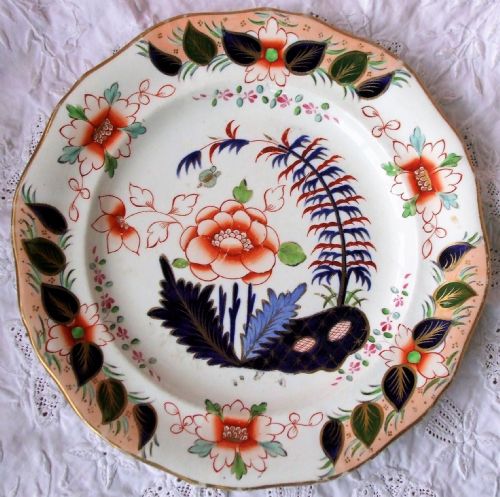
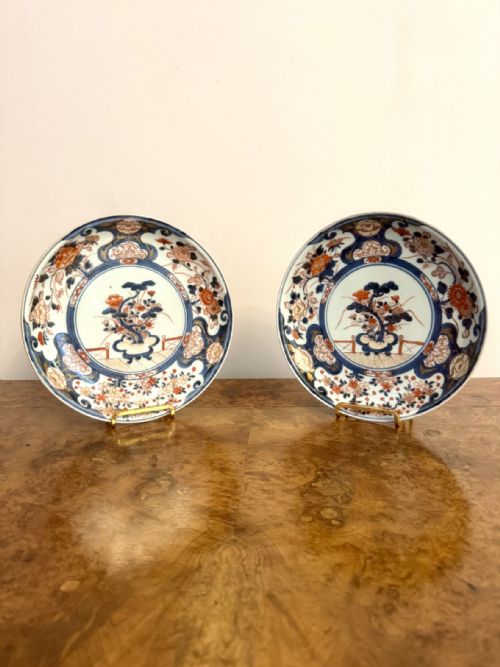
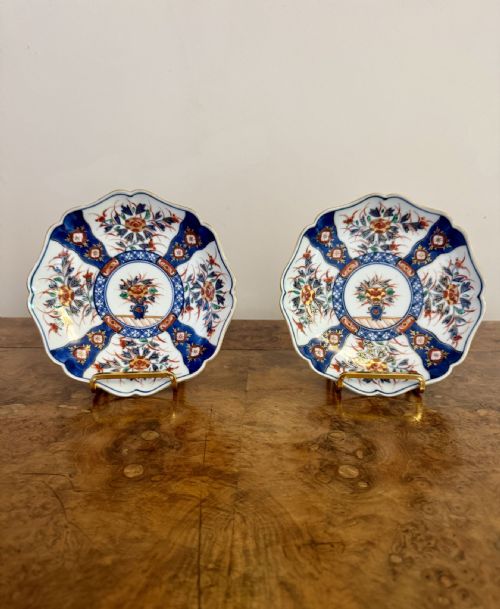
When you search for an imari style ceramic plate, you enter a vibrant world of cobalt blue and iron red porcelain.
Imari Style Ceramic Plate
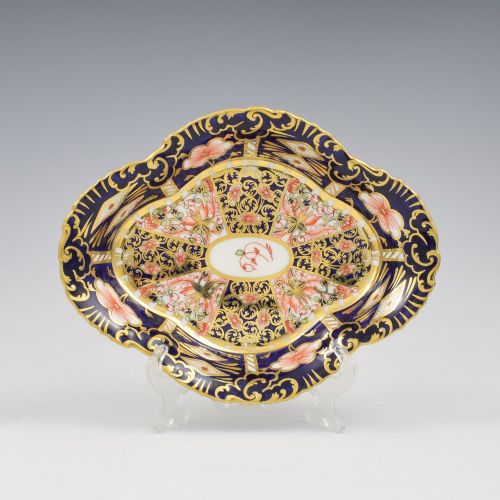
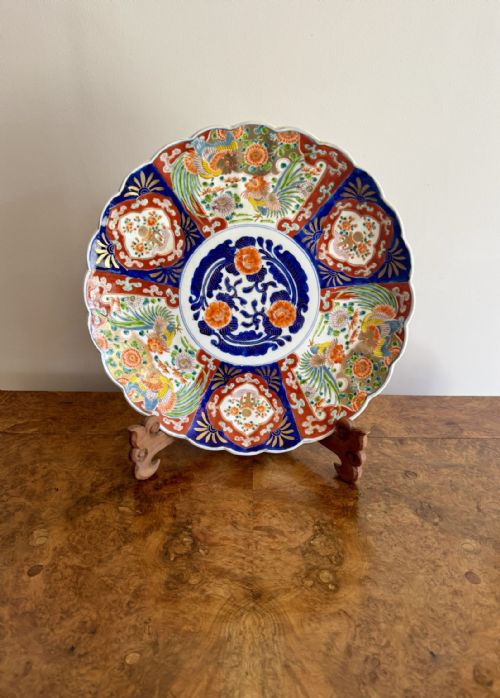
An imari style ceramic plate brings together traditional forms and rich palettes spanning Japanese export porcelain and British interpretations from English factories. Buyers searching this phrase most commonly meet Japanese pieces from around nineteen hundred alongside nineteenth century English ironstone and porcelain adaptations.
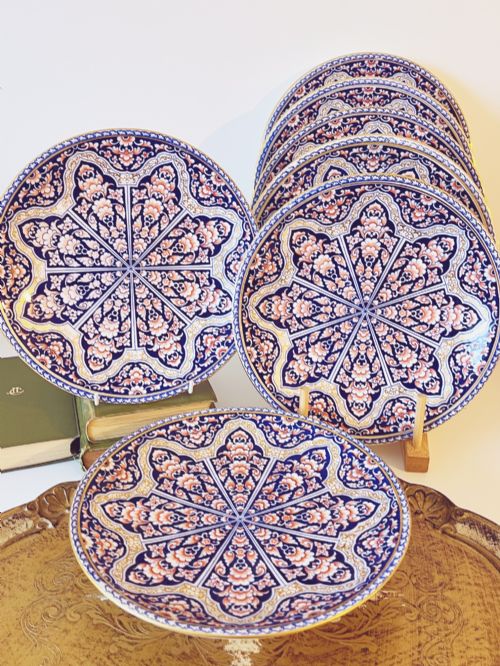
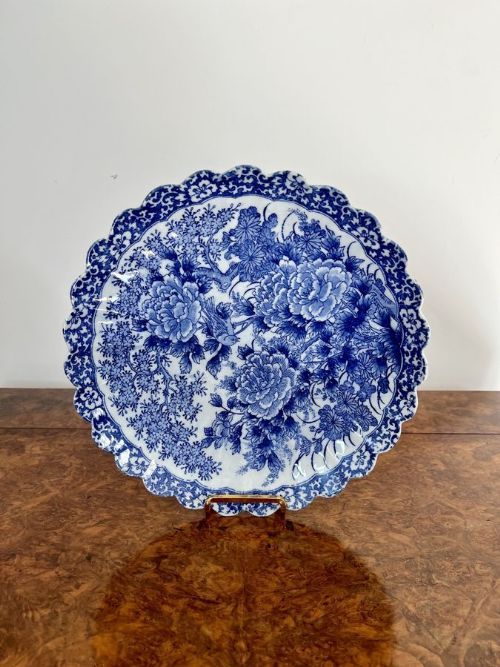
The objects take many shapes, appearing as standard plates, large chargers, serving platters, and pieces within larger dessert services or dinnerware sets. Makers across Japan and Britain drew inspiration from traditional designs, resulting in round, hexagonal, scalloped, and oval formats.
Examples range from Georgian pieces produced around eighteen hundred up to Victorian and Edwardian works. Whether Japanese Arita porcelain or English ironstone from Staffordshire makers, each item displays characteristic patterns influenced by East Asian export traditions.
Materials and methods
Potters utilised ceramic bases such as porcelain, ironstone, and earthenware, applying cobalt blue underglaze paint before firing the body. Artisans then added overglaze enamels in iron red, green, and other colours, frequently incorporating gold leaf or gilt details to enrich the final surface.
English manufactories adapted these techniques on stoneware and ironstone bodies, while Japanese workshops relied on traditional porcelain methods. The decorated wares underwent subsequent lower temperature kiln firings to fuse the enamel pigments and gilding to the glazed surface.
The documented objects include dessert services, dinnerware sets, serving platters, and decorative chargers spanning multiple centuries.
Judging quality and execution
Quality rests in the crispness of the hand painted motifs and the depth of the cobalt blue underglaze combined with vibrant enamel work. Superior examples exhibit precise brushwork and well preserved gold leaf gilding that remains bright across the plate surface.
The refinement of the ceramic body and the symmetry of shaped edges, such as scalloped or hexagonal borders, distinguish finer production. Pieces from established makers or skilled Japanese workshops demonstrate superior control during the glazing and multi stage firing processes.
Royal Crown Derby·John Davenport of Longport·Flight Barr and Barr·John Ridgway·Chamberlain Worcester·Mintons
The Imari Style Ceramic Plate Glossary
- Imari
- A decorative style originating in Japan, characterised by a palette of cobalt blue, iron red, and gilt highlights. This aesthetic influenced European potteries throughout the georgian and victorian periods.
- Charger
- A large decorative plate or platter typically displayed on a wall or sideboard rather than used for dining. These substantial pieces showcase expansive painted scenes.
- Ironstone
- A durable type of earthenware patented in the nineteenth century by English manufacturers like Mason. It provided a robust alternative to porcelain for heavy domestic service.
- Underglaze
- Pigment applied to a ceramic body before the application of a clear glaze and subsequent high temperature firing. This technique protects the painted decoration beneath a glassy surface.
Imari Style Ceramic Plate: Frequently Asked Questions
How do I identify a Japanese imari plate from an English one?
Japanese examples typically utilise a fine porcelain body with characteristic spur marks on the base and traditional Arita export motifs. English versions often employ ironstone or earthenware substrates produced by Staffordshire potteries adapting the palette.
Closer inspection of the paste weight and foot rim reveals the distinct manufacturing traditions of East Asia versus nineteenth century Britain.
Were these plates meant for daily dining or display?
Smaller plates and dessert service components functioned primarily during formal meals or tea service. Larger chargers and ashets served meats or acted as decorative focal points in dining rooms.
Many surviving pieces saw limited use, preserving the delicate overglaze enamels and gold leaf work.
What periods do these ceramic plates come from?
The selection spans from the eighteenth century, including georgian productions, through the nineteenth century and the victorian era. Many Japanese export pieces date around nineteen hundred.
Each period reflects distinct trade connections and evolving ceramic manufacturing techniques.