





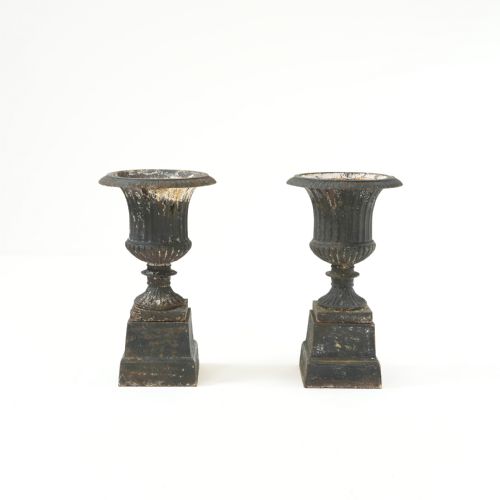


Traditional Iron Urns
Traditional iron urns bring classical garden presence to lawns and terraces through robust metal forms.
Traditional Iron Urns
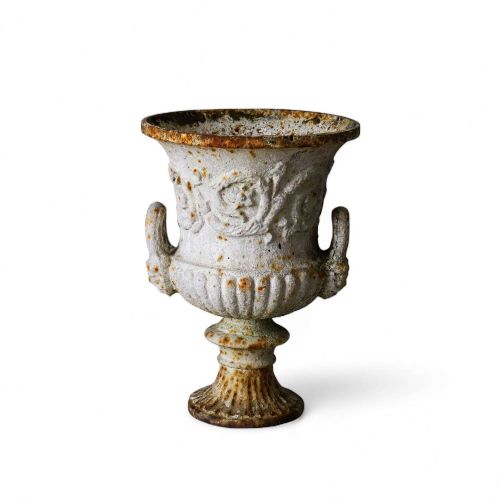
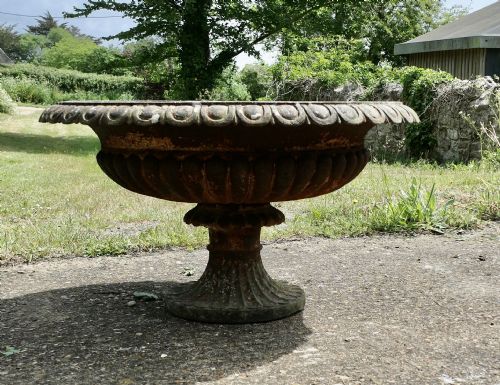
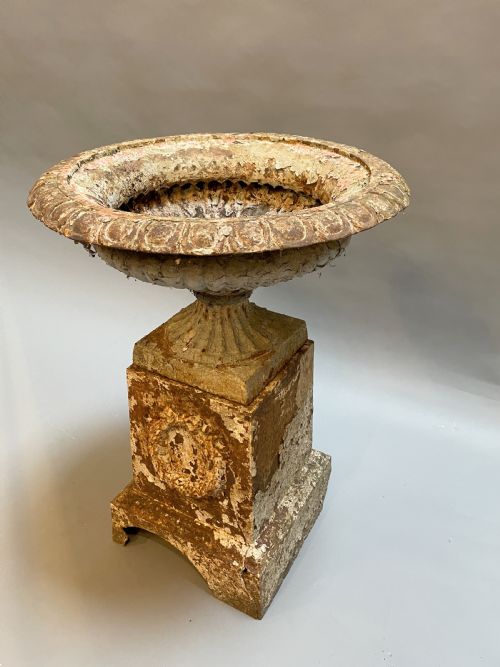
Traditional iron urns span grand garden vessels and heavy architectural planters designed for outdoor display. The examples on this page are predominantly cast iron garden urns and campana shapes dating from the nineteenth century and the Victorian era, often raised on matching plinths.
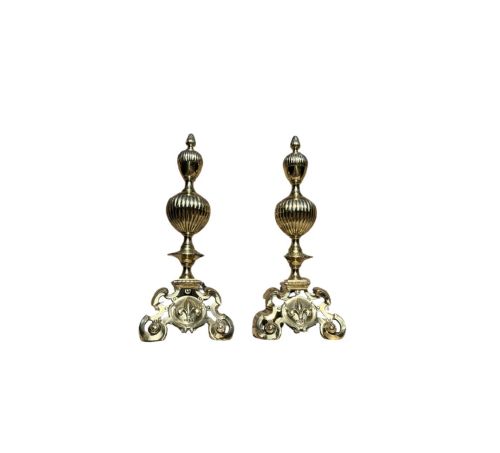
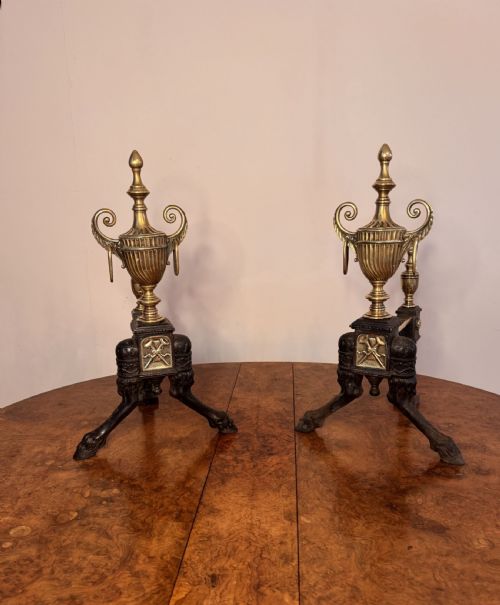
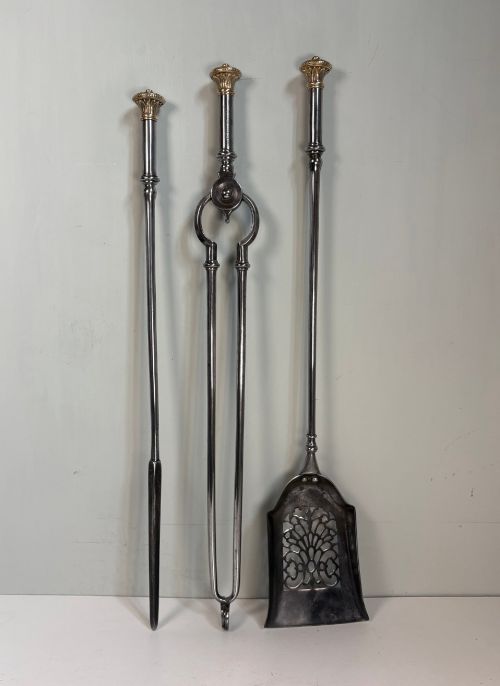
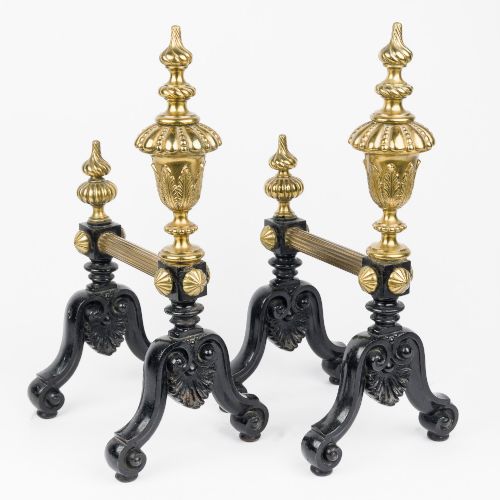
Makers such as Andrew Handyside produced notable garden pieces in this category, while other listings encompass fire dogs, fire tools, and decorative vases in varied materials. Buyers encounter both single monumental planters and balanced pairs suited for flanking gates or steps.
What varies in quality
The clarity and crispness of the cast ornamentation distinguish superior examples from plain or worn castings. Sharply rendered foliage, distinct gadrooning, and well-defined plinths reflect meticulous foundry work.
The degree of original surface survival and the integrity of the heavy iron walls determine the merit of each piece. Matching pairs that retain their original pedestals command greater architectural presence than single vessels.
Traditional Iron Urns Retail Price Guide 2026
Typical asking prices for traditional iron urns among the pieces listed under this phrase on Sellingantiques today, from the lower quarter to the upper quarter. They describe what is for sale here now, not the wider market.
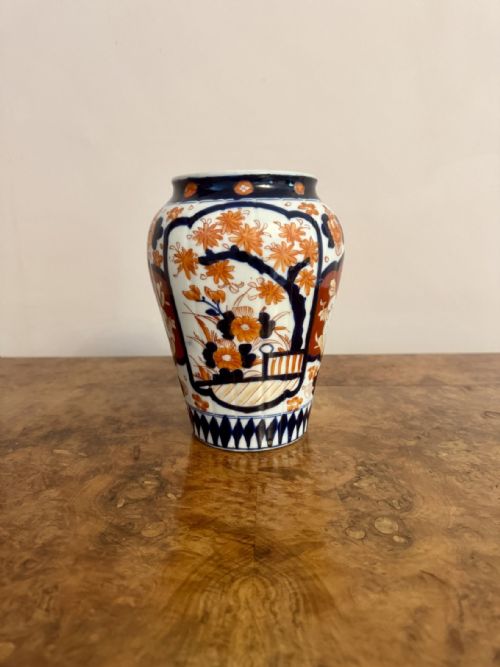
Listings feature cast iron, wrought iron, brass, and steel across periods spanning the eighteenth century to the mid-twentieth century.
Andrew Handyside
The Traditional Iron Urns Glossary
- Campana urn
- A bell-shaped garden vessel with an everted rim and tapering body, widely produced in cast iron during the Victorian period. This classical silhouette derives from antique marble prototypes.
- Gadrooned
- Ornamented with a series of convex curves or flutes moulded along the rim or base of an urn. This decorative carving adds texture and formal weight to the cast metal surface.
- Plinth
- A heavy base or pedestal upon which an iron urn is elevated for garden display. Plinths raise the vessel to improve sightlines on a terrace or lawn.
- Andirons
- Horizontal metal bars supported by vertical legs, also known as fire dogs, used in pairs to hold logs in an open hearth. They frequently match the brass and steel fire tools of the period.
Traditional Iron Urns: Frequently Asked Questions
Can iron urns stay outside all winter?
Cast iron is exceptionally durable and withstands outdoor conditions across seasons when placed on stable footings.
Ensuring proper drainage prevents trapped water from expanding during freezing temperatures and protects the metal.
How do I date a cast iron urn?
Stylistic cues such as Victorian classical revival motifs, gadrooning, and campana proportions help narrow the production era. Foundry marks, where present, offer definitive attribution to makers like Andrew Handyside.
Heavier wall thickness and simpler surface textures often point towards nineteenth-century manufacturing methods compared to later twentieth-century reproductions.
Are these urns supplied with plinths?
Several listings include matching pedestals or stands designed specifically to elevate the garden vessels. Descriptions indicate whether the urn and plinth form an original pair.
Using a plinth provides structural height and protects the base of the iron urn from ground moisture.
How should I clean a weathered iron urn?
Gentle brushing removes loose dirt and debris from the cast ornamentation without disturbing the aged surface patina. Avoid harsh chemical stripping that removes protective exterior paint.
Preserving the natural weathering maintains the antique character built up over decades of outdoor exposure.