


Traditional Iron Headboard
A traditional iron headboard anchors a bedroom with metalwork forged in the Victorian and Edwardian eras, bringing durable character to a sleeping space.
Traditional Iron Headboard
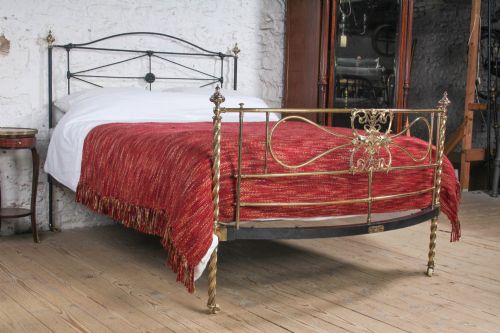
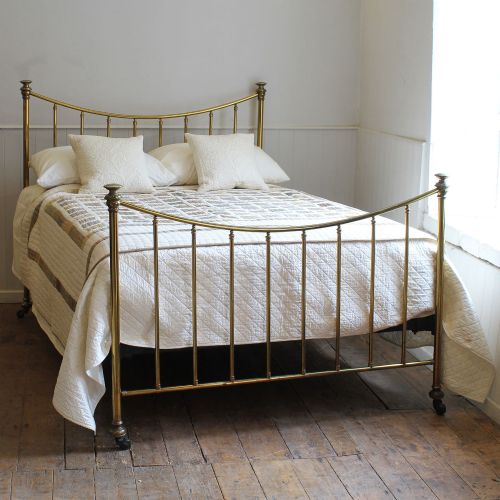
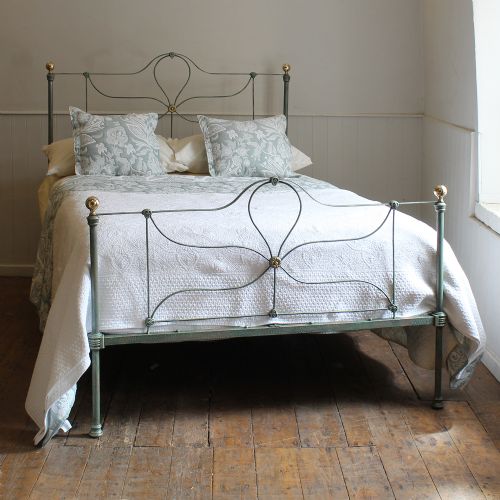
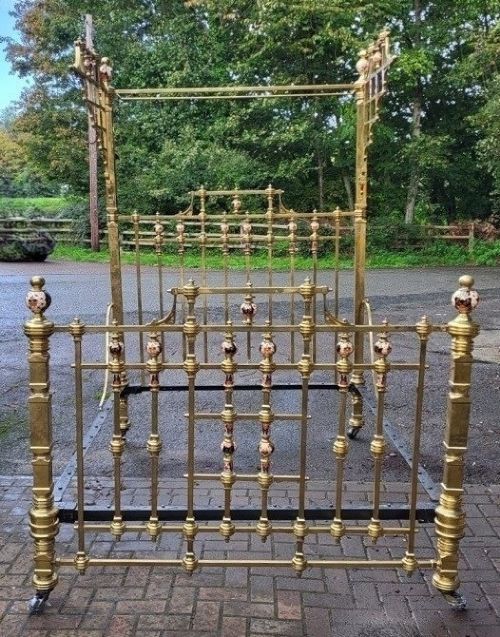
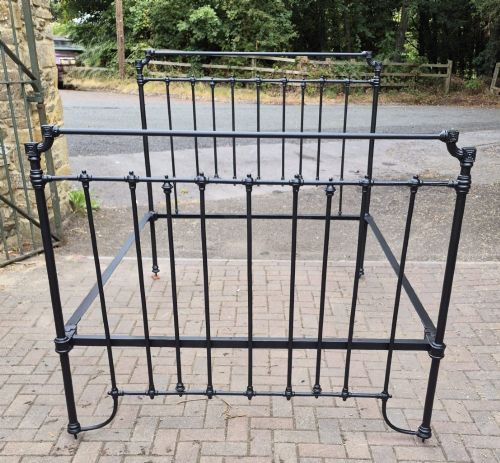
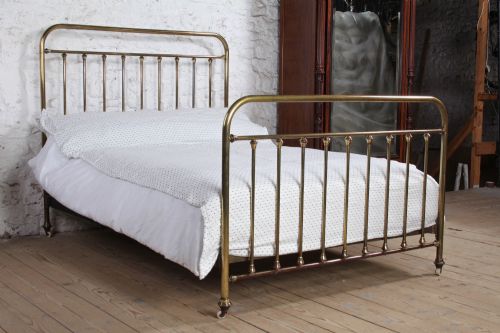
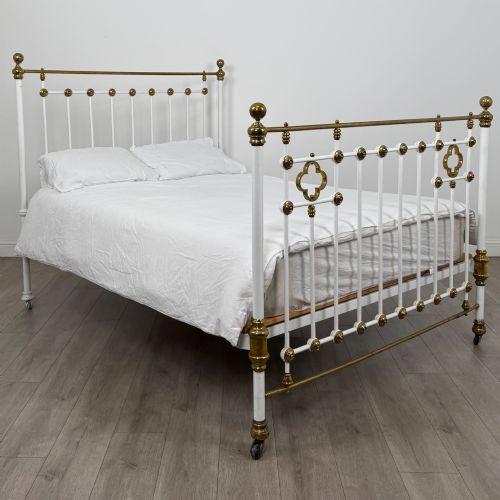
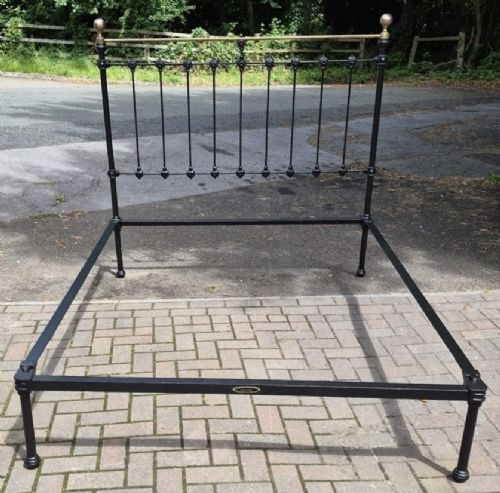
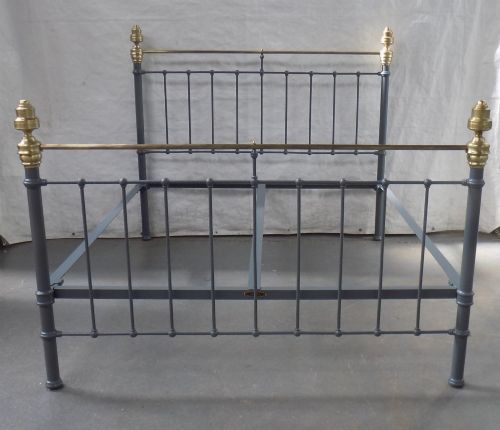
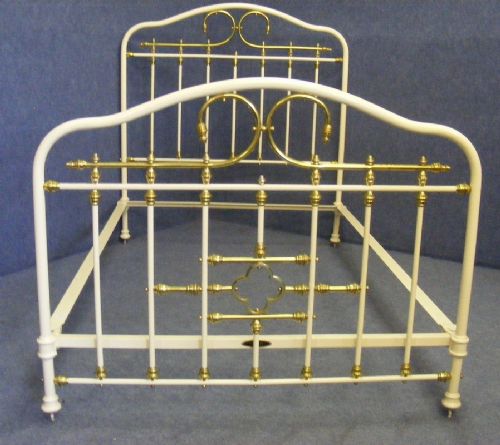
A traditional iron headboard draws on nineteenth and early twentieth century metal bedframes, including pieces designated as bedsteads and full beds. Buyers browsing this page encounter items spanning the Victorian, Edwardian, and 1900 periods, featuring styles from French Provincial to Celtic Revival.
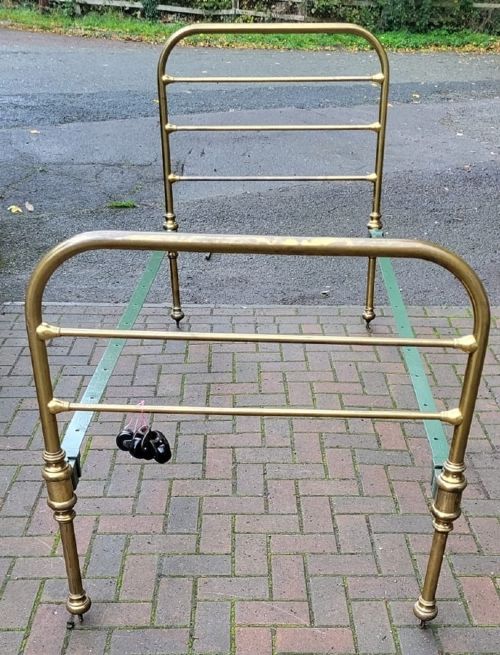
The objects take various forms, from double and king sizes to single and small double formats, often incorporating iron frames paired with brass components. Many examples originate from robust bed designs of the 1860s through to 1920, reflecting period domestic sleeping furniture.
How they were made
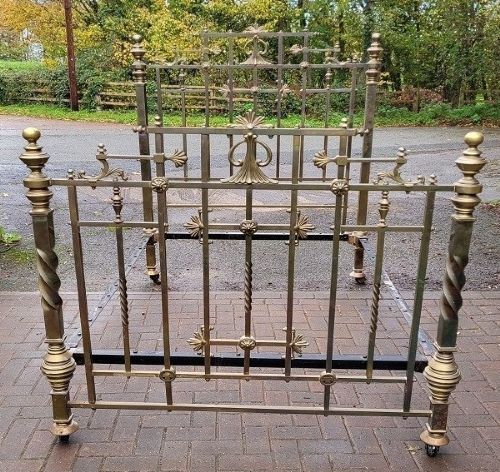
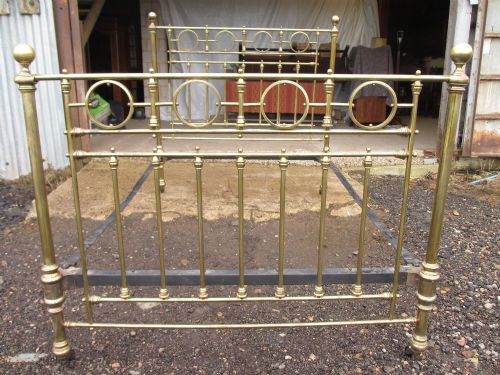
Makers utilised cast iron and wrought iron for the primary structural framework, often combining these heavy metals with polished brass tubing, finials, and decorative mounts. Forged iron and steel also appear in the construction, providing structural rigidity for large frames.
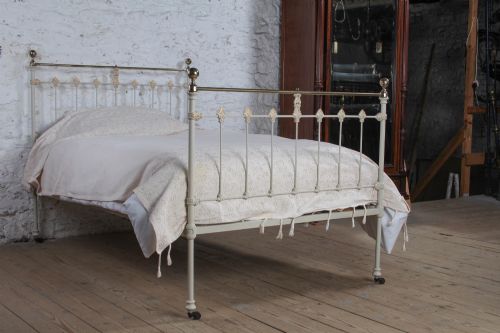
Surfaces were frequently finished with paint, such as cream or ivory coatings, alongside bare polished metals and fitted ceramic elements. Joints and slot-in frames utilised utilitarian iron brackets designed to support heavy mattresses.
Some single iron beds come with the cheerful option to be lined up and joined together when company stays over.
What varies in quality
Quality separates simple utilitarian frames from exhibition pieces through the complexity of the brass detailing, the crispness of the iron casting, and the weight of the metal. Ornate curly ironwork, tapered posts, and sophisticated Art Nouveau or Aesthetic Movement motifs elevate certain frames above standard domestic models.
The integrity of the original construction, including the survival of matching brass details, castors, and slot-in iron side rails, distinguishes superior examples. Maker attribution, such as work by Winfield, further separates standard regional items from documented factory production.
Winfield·R W Winfield·RW Winfield
The Traditional Iron Headboard Glossary
- Bedstead
- A framework of a bed, typically incorporating head and foot sections designed to hold base rails and a mattress.
- Dip rail
- A top rail on a bed frame that curves downward toward the centre, commonly seen in Edwardian designs.
- Cast iron
- Iron melted and poured into a mould to create rigid structural or decorative components for bed ends.
- Wrought iron
- Iron heated and hammered into shape by hand, resulting in tough, fibrous metalwork suited to scrolling details.
Traditional Iron Headboard: Frequently Asked Questions
How do I choose the right size?
Measure your available wall space and mattress dimensions carefully before selecting a frame. Options range from single and small double sizes up to king and super king widths.
Keep in mind that older frames can have slight variations in sizing compared to modern standard mattresses. Checking the specific width measurements listed for each piece ensures a proper fit.
Are these frames sturdy enough for daily use?
These historical iron and brass structures were built for enduring strength, utilising heavy cast and wrought components. Their robust metal construction handles regular weight reliably.
Most pieces use slot-in iron side rails that lock the head and foot sections securely together. Adding modern slats or a suitable base provides stable daily support.
Can I attach these to a modern bed base?
Traditional iron headboards and full bedsteads are generally self-contained units rather than standalone panels meant for wall mounting. They function as complete head and foot frames connected by side irons.
Adapting them to fit contemporary divan bases often requires bespoke brackets or modification. Using the original iron side rails preserves the authentic structure.
How do I date an iron headboard?
Dating relies on stylistic clues, manufacturing techniques, and materials characteristic of specific decades. Victorian pieces often display heavy brass mounts and ornate castings, while Edwardian examples show simpler dip rails.
Design movements such as the Aesthetic Movement or Art Nouveau also point to distinct production eras. Maker marks stamped into the metal provide the most definitive chronological evidence.