



Traditional Imari Porcelain Iron
Traditional imari porcelain iron brings together vibrant Japanese ceramics and curious domestic metalwork.
Traditional Imari Porcelain Iron
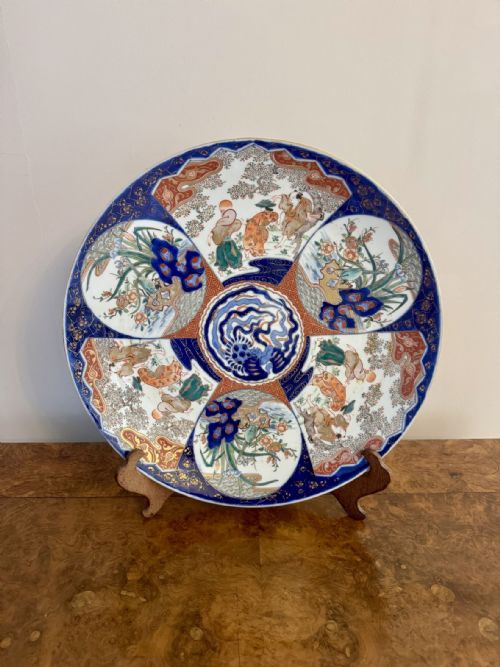
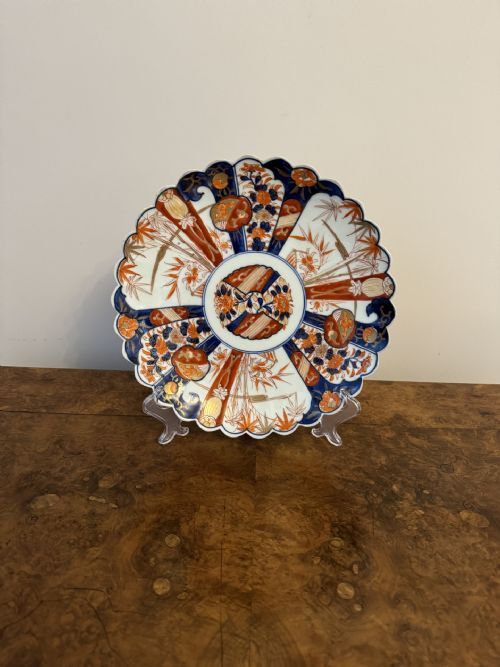
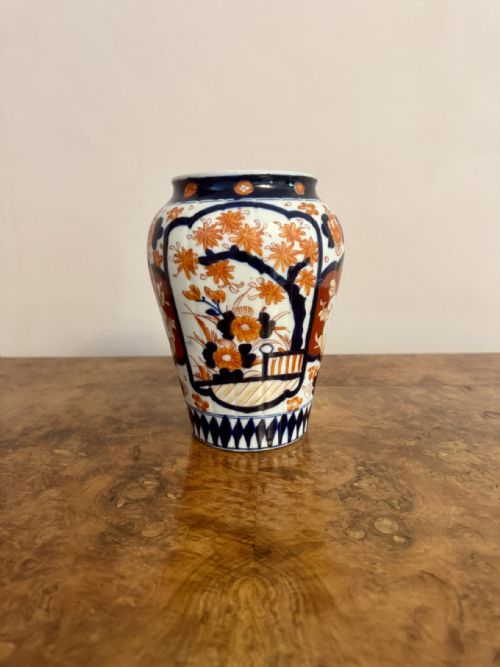
Traditional imari porcelain iron encompasses ceramic tableware and decorative vessels alongside miniature novelty items originating from nineteenth and early twentieth century production. You will encounter chargers, plates, bowls, and vases decorated in the distinct Japanese Imari palette alongside individual objects like miniature flat irons.
The objects span periods from the nineteenth century through to the Edwardian era, predominantly featuring Japanese Imari and Chinese export styles. Most pieces available are decorative plates, chargers, and vases dating around 1900.
Forms range from large chargers and baluster vases to hexagonal vessels and scalloped edge plates. Collections of multiple plates and pairs of vases frequently appear alongside single decorative pieces.
Materials and construction
Pieces are constructed from porcelain and ceramic materials, finished with cobalt underglaze, enamel, and glaze. Artisans applied gold leaf and gilding to accentuate the painted surfaces.
Hand-painted techniques define the decoration, combining underglaze blue with iron red and supplementary enamel colours. Firing methods allowed for intricate patterns on plates, bowls, and vases.
Miniature flat irons occasionally share display space with grand porcelain chargers, proving that domestic utility could be rendered entirely decorative.
Assessing quality
The refinement of the hand-painted brushwork and the precision of the cobalt underglaze separate standard examples from superior pieces. Crisp application of enamel and gold leaf indicates greater care during production.
Complexity of form, such as scalloped edges, hexagonal shaping, or large scale in chargers and baluster vases, elevates the stature of an item within its period.
The Traditional Imari Porcelain Iron Glossary
- Imari
- A style of Japanese porcelain decorated in underglaze blue, iron red, and gold. This aesthetic heavily influenced export wares produced for Western markets.
- Charger
- A large decorative plate intended for display rather than dining use. These items often feature dense hand-painted motifs across the central well and rim.
- Baluster
- A vase form characterised by a rounded body that tapers towards the base and neck. This silhouette appears frequently in pairs among nineteenth-century pottery.
- Cobalt Underglaze
- A blue pigment applied to the ceramic body before glazing and firing. It provides the deep blue foundation characteristic of traditional export ceramics.
- Enamel
- Low-firing coloured glass applied over the glaze and fired again. It adds vibrant reds, greens, and other hues to complement the cobalt underglaze.
Traditional Imari Porcelain Iron: Frequently Asked Questions
What is traditional imari porcelain?
Traditional imari porcelain refers to decorative ceramics originating from Japan, characterised by a distinct palette of cobalt blue, iron red, and gold gilding.
These pieces were largely produced for export during the nineteenth and early twentieth centuries, taking the form of plates, bowls, and vases.
How were imari plates displayed?
Imari chargers and plates were typically displayed on walls, cabinets, or plate racks to showcase their vibrant colours and intricate patterns.
Because of their decorative nature, large chargers and scalloped plates served primarily as ornamental room accents rather than functional tableware.
How do I date these ceramics?
Dating these ceramics involves examining the style of decoration, the clay body, and the characteristics of the glaze and underglaze blue.
Pieces frequently date from the nineteenth century up to the Edwardian period, with stylistic shifts in the brushwork helping to narrow the era of manufacture.