




Traditional Imari Porcelain Charger
A traditional imari porcelain charger brings deep cobalt blue and vibrant enamel palettes to any table, offering centuries of decorative tradition.
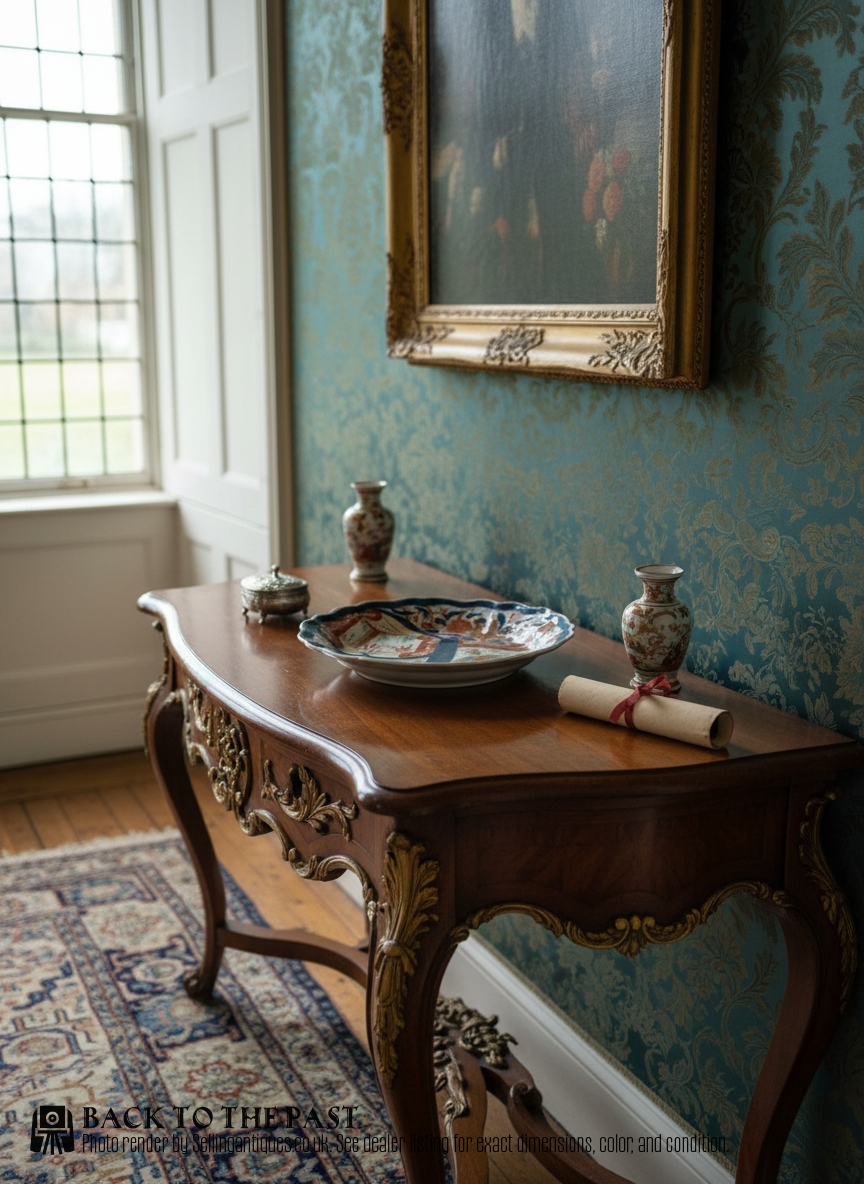
Traditional Imari Porcelain Charger
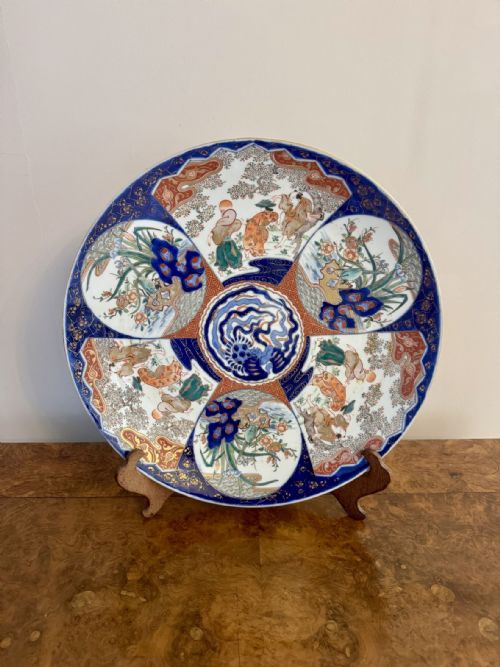
A traditional imari porcelain charger is a large circular display dish designed to catch the eye rather than serve food. When you search for this phrase, you encounter heavy ceramic plates decorated in rich palettes derived from Japanese and Chinese export traditions.
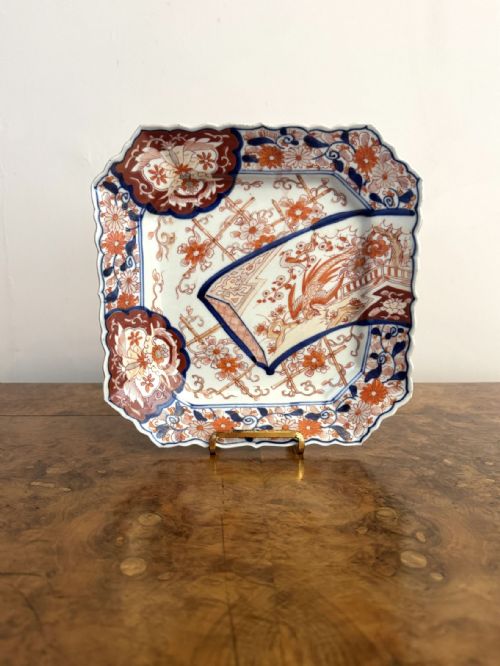
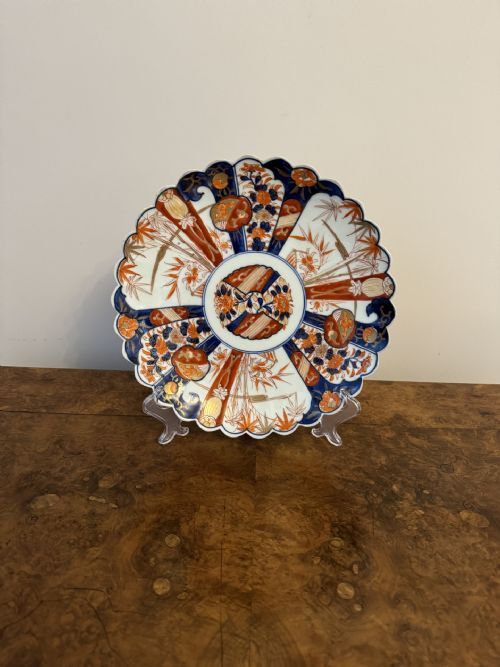
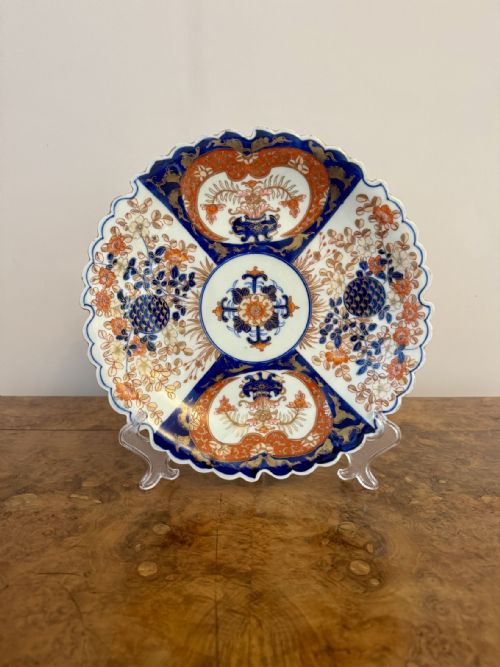
The pieces available span multiple eras, stretching from the late seventeenth century through the Victorian period and into the early twentieth century. The nineteenth-century examples dominate the selection, bringing distinct forms like square-shaped plates and scalloped edges to the forefront.
Originating predominantly from Japanese kilns such as those in Arita, these items display distinct aesthetic periods including the Edo and Meiji eras. Buyers find both individual decorative chargers and matched pairs or larger collections suited for wall display or cabinet presentation.

How traditional imari porcelain chargers were made
Potters shaped high-fired ceramic and porcelain before applying cobalt underglaze pigments directly to the body. This blue pigment forms the structural backbone of the design, providing deep underglaze tones that withstand high kiln temperatures.
Overglaze enamel colours, including iron red and auxiliary pigments, are added in a secondary firing phase to build the characteristic layered motifs. Artisans frequently integrated gold leaf and gilding to highlight specific areas of the pattern against the white porcelain ground.
Listings feature ceramics spanning from the seventeenth century through Victorian production to 1930s Showa period bowls.
What varies in quality
The refinement of the hand-painted brushwork dictates visual success, separating hurried commercial output from careful artistic execution. Crisp outlines in the cobalt underglaze and precise alignment of the enamel layers show the skill of the original workshop.
The weight and purity of the ceramic body also differ, alongside the preservation of the delicate gilding and enamel surfaces. Chargers that retain their original brilliance without excessive rubbing of the gold leaf demonstrate careful historical stewardship.

The Traditional Imari Porcelain Charger Glossary
- Imari
- A style of Japanese porcelain decorated in underglaze blue, iron red, and gold, named after the port from which it was shipped.
- Charger
- A large decorative plate or platter traditionally used for display rather than for dining.
- Cobalt Underglaze
- A blue pigment applied to the ceramic body before glazing and firing, creating a permanent design beneath the glossy surface.
- Meiji Period
- A Japanese historical era lasting from 1868 to 1912, associated with many of the decorative export wares found today.
- Aka-e
- A Japanese term meaning red picture, referring to wares featuring dominant iron-red enamel painting over the glaze.
- Scalloped Edge
- A decorative border shaped into a series of continuous curves resembling the edge of a scallop shell.
Traditional Imari Porcelain Charger: Frequently Asked Questions
What is a traditional imari porcelain charger?
A traditional imari porcelain charger is a large decorative dish featuring a distinct palette of cobalt blue, iron red, and gold. These pieces were made primarily for export and display.
They showcase intricate patterns rooted in Japanese and Chinese ceramic traditions, spanning the seventeenth to the twentieth centuries.
How were imari chargers used?
These large ceramic pieces were designed primarily for visual display on walls, cabinets, or large tables rather than everyday dining.
Their substantial size and rich colour schemes made them focal points in domestic interiors during the Victorian and Edwardian periods.
How do you date an imari charger?
Dating relies on examining the ceramic body, painting style, and stylistic markers associated with specific historical reigns like the Edo or Meiji periods.
Earlier pieces from the seventeenth century differ in paste and brushwork compared to massed production from the late nineteenth and early twentieth centuries.
How do I care for antique porcelain?
Display these chargers securely using appropriate plate hangers or stands designed for heavy ceramics to prevent accidental falls.
Clean them gently with a dry or barely damp cloth, avoiding harsh chemical cleaners that might damage the fragile overglaze enamels and gilding.