
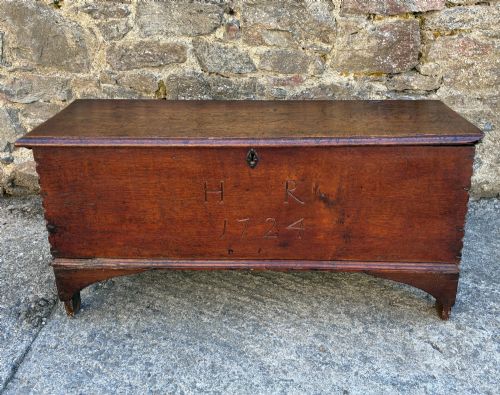
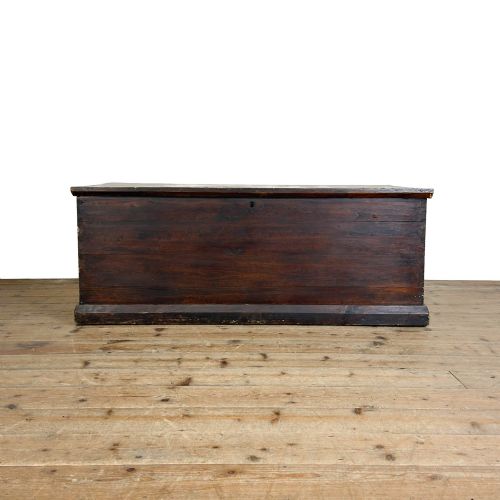
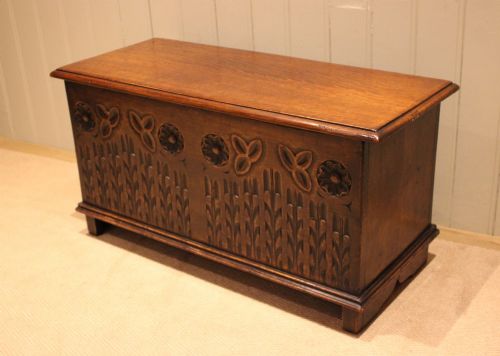


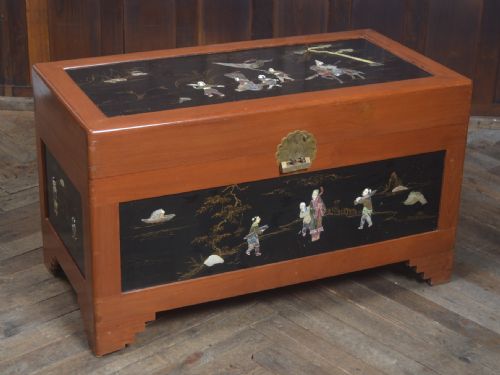


Traditional Hope Chest
These traditional hope chests are sturdy receptacles built to hold linens and dowry items, offering timeless utility and rustic charm.
Traditional Hope Chest
A traditional hope chest serves as a practical storage box typically used for blankets, linen, and personal possessions. These pieces appear in forms such as blanket boxes, coffers, and marriage trunks.
Geographic origins and stylistic influences vary widely across the inventory, ranging from Spanish colonial and Chinese export to British folk art and rustic farmhouse traditions.
How they were made
Construction relies heavily on robust domestic and exotic timbers such as pine, oak, mahogany, teak, and camphor wood. Joinery methods suit the period, often utilising solid panels and sturdy framing.
Surface treatment frequently incorporates iron and brass hardware, including decorative hinges and straps. Pigment and paint also appear, enhancing marriage and dowry chests with folk decoration and carved detailing.
Materials across the selection include pine, oak, mahogany, teak, and camphor wood, accented with iron and brass.
What varies in quality
Quality rests primarily in the integrity of the timber and the depth of hand-carved or painted ornamentation. Pieces featuring original pigment and well-preserved structural joinery command greater attention.
The sophistication of regional ornamentation, such as Moorish style decoration or intricate Oriental carving, distinguishes standard utility boxes from superior celebratory chests.
The Traditional Hope Chest Glossary
- Cofer
- A traditional wooden chest used for storing valuables or household goods. These often feature robust panel construction.
- Mule chest
- A storage chest characterised by one or more drawers at the base beneath the main compartment. It combines the utility of a trunk with that of a small chest of drawers.
- Camphor wood
- An aromatic timber frequently utilised in export trunks from Oriental regions. Its natural scent acts as a deterrent to insects.
- Dowry chest
- A specialised box prepared to hold household linen and garments accumulated for a wedding. These are often decorated with specific paintwork or carvings for the occasion.
Traditional Hope Chest: Frequently Asked Questions
What is a traditional hope chest used for?
These boxes were historically built to store household linens, blankets, and personal items accumulated in anticipation of marriage. Families utilised them as secure storage within the bedroom or living quarters.
Today, they function well at the foot of a bed or as a living room coffee table with internal storage. Their sturdy lids provide a useful surface while concealing everyday clutter.
How do I date a wooden coffer?
Dating relies on observing construction techniques, tool marks, and the ageing patterns of the timber. Joinery methods changed significantly from pegged frame-and-panel joints in earlier centuries to machine-sawn boards later on.
Stylistic clues such as carved motifs, original hardware, and surface pigments also help anchor the piece to a specific era. Comparing the wood species to known period usage provides further confirmation.
How do I care for antique camphor wood?
Camphor wood requires minimal maintenance beyond gentle dusting with a dry or slightly damp cloth. Avoid placing the chest in direct sunlight or near heat sources to prevent the timber from drying out.
The natural aromatic oils within the wood help preserve the material and protect stored textiles. Applying modern polishes is generally unnecessary and can harm historic surface finishes.
Are painted marriage trunks durable?
Painted decoration on historic trunks was typically applied using traditional pigment mixtures suited to the wood substrate. While enduring, the paint layer responds to fluctuations in household humidity and temperature.
Keeping the chest in a stable indoor environment prevents flaking or cracking of the decorative surface. Handle the exterior carefully to preserve any original folk art or marriage motifs.