


Traditional Handwoven Rug
A traditional handwoven rug brings grounded texture, historic patterns and lasting textile craft directly onto a room's floor.
Traditional Handwoven Rug
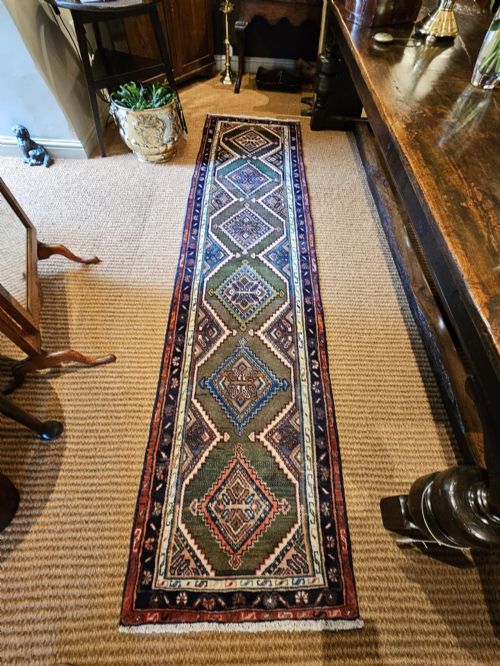
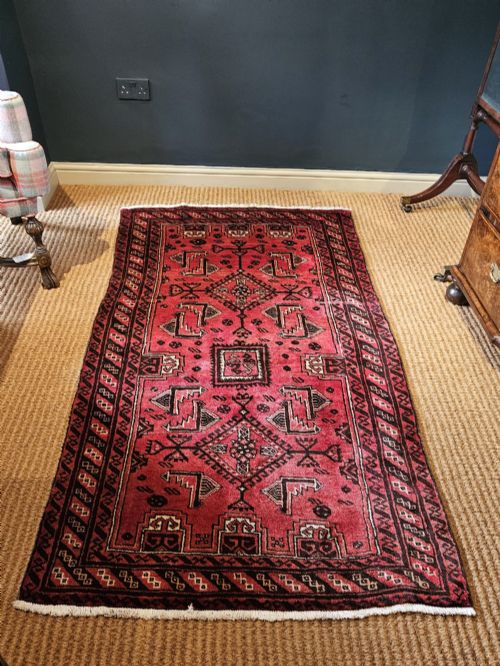
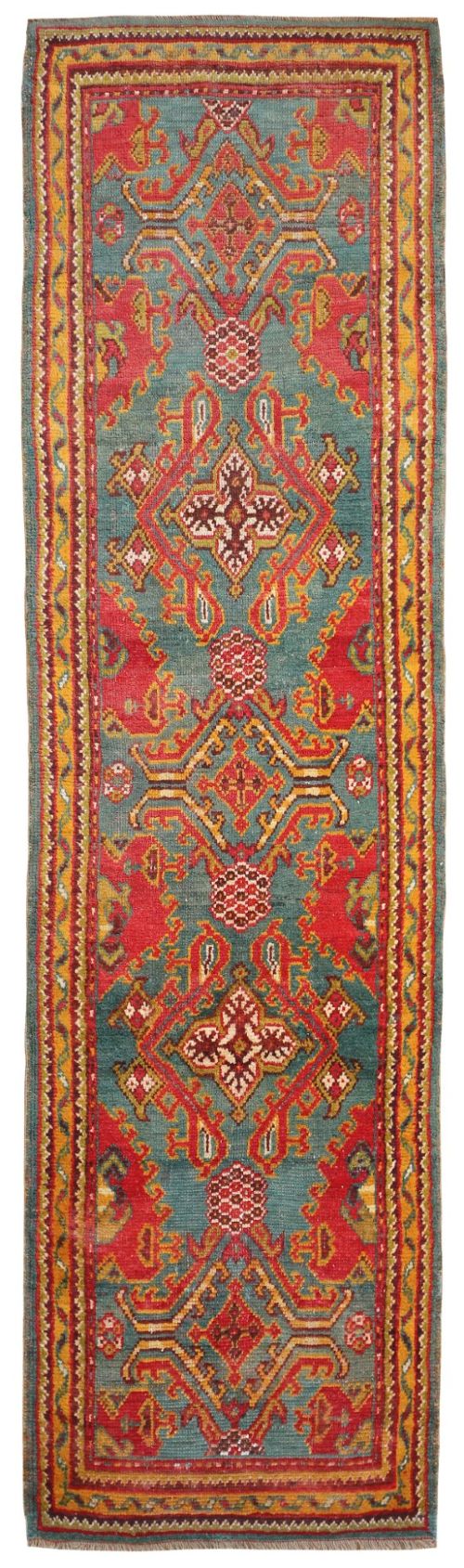
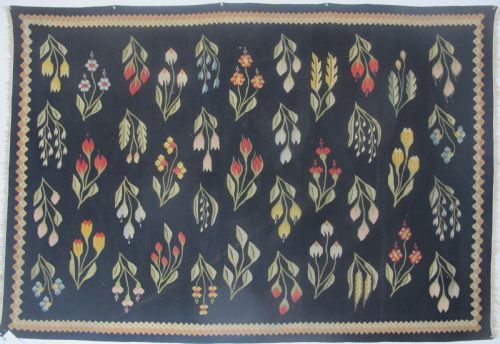
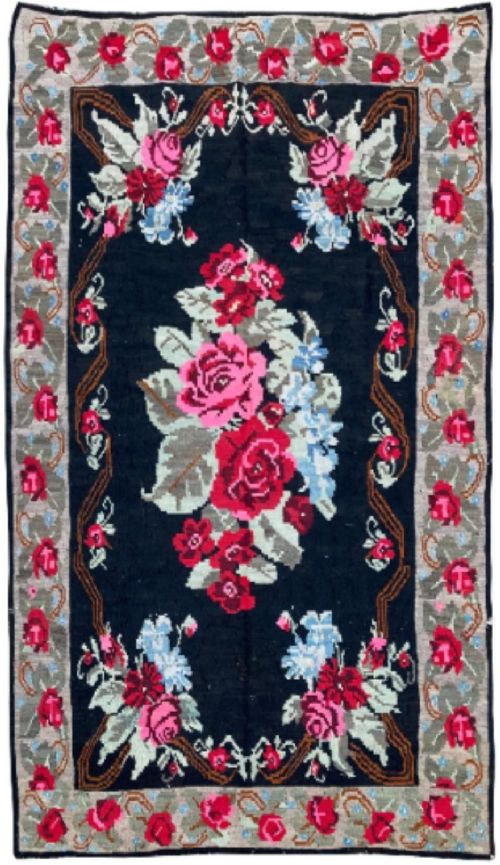
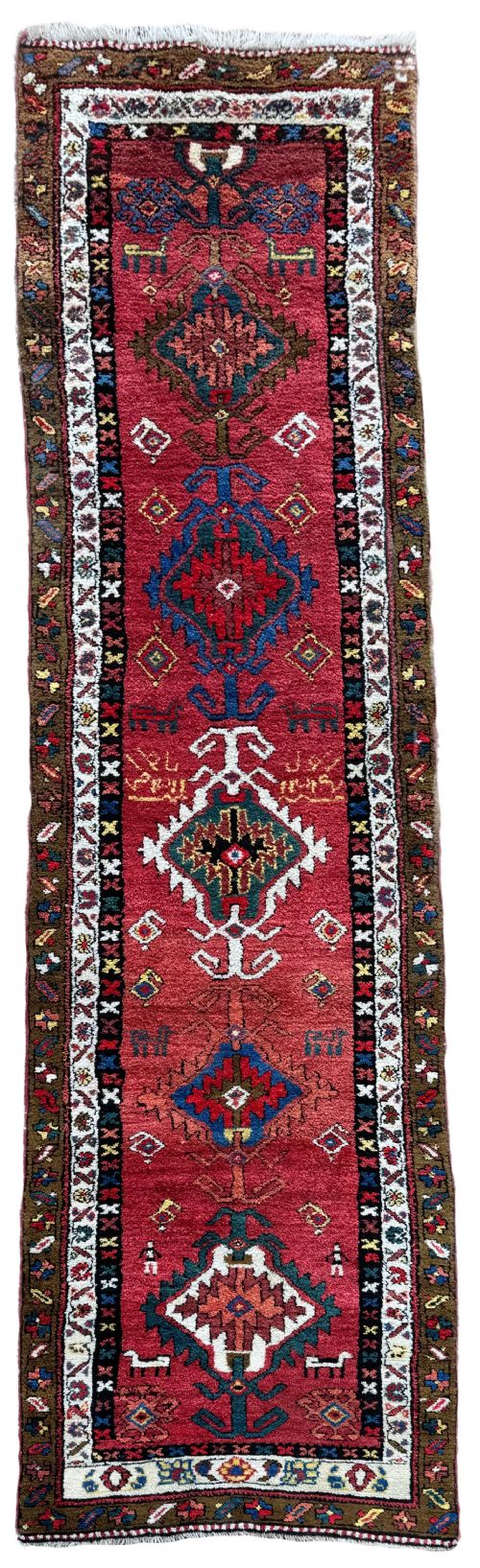
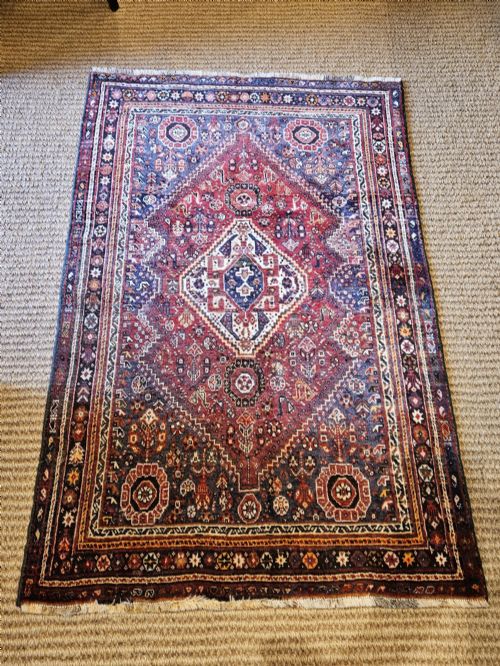
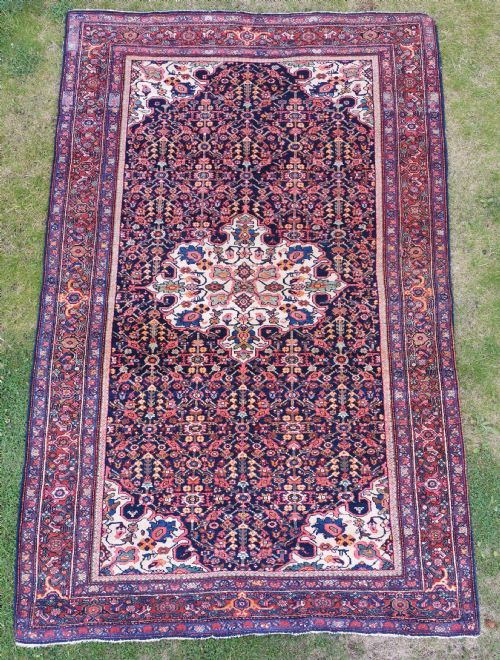
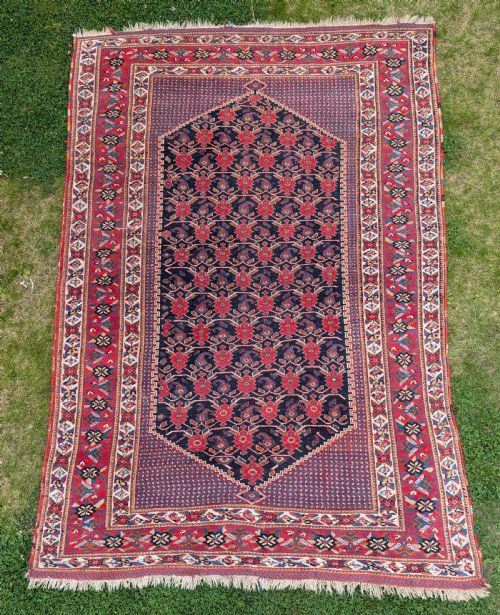
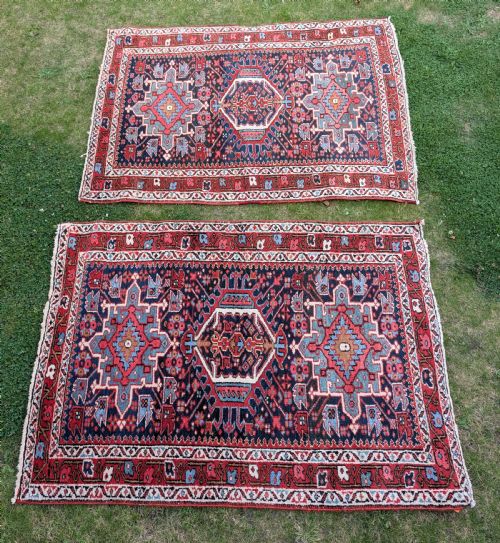
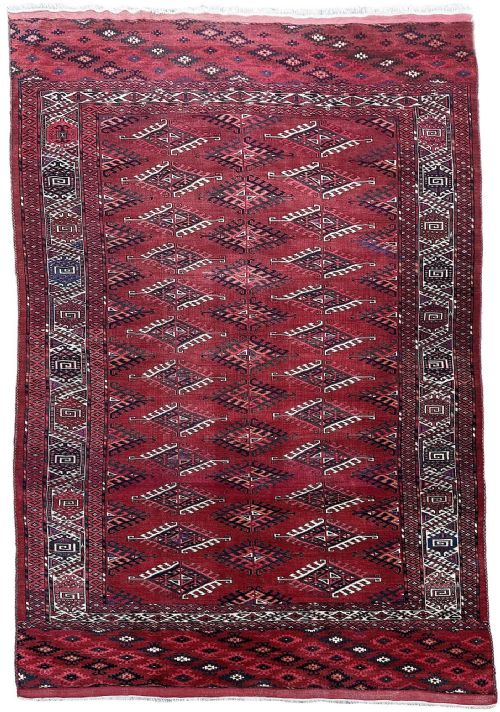
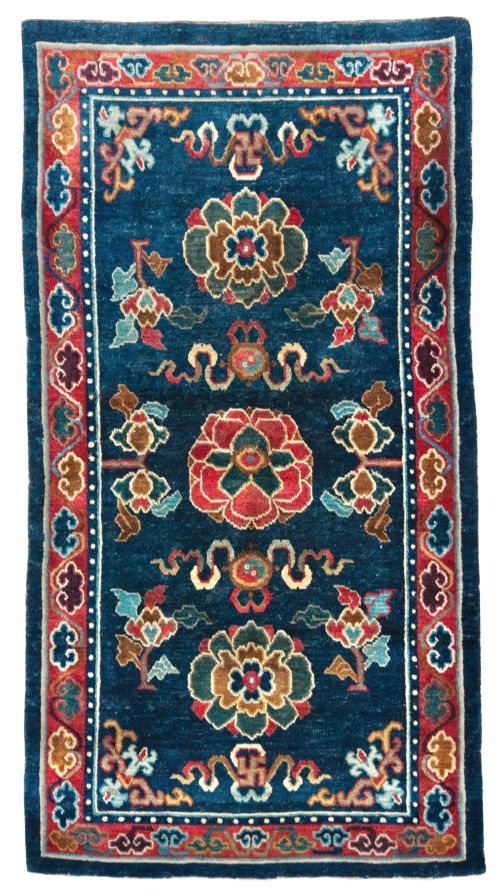
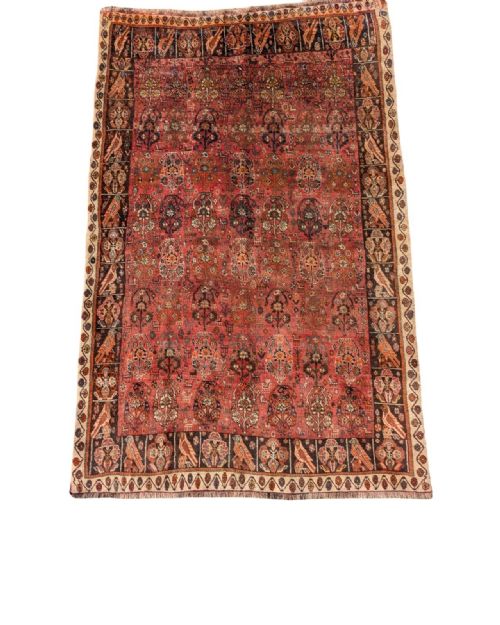
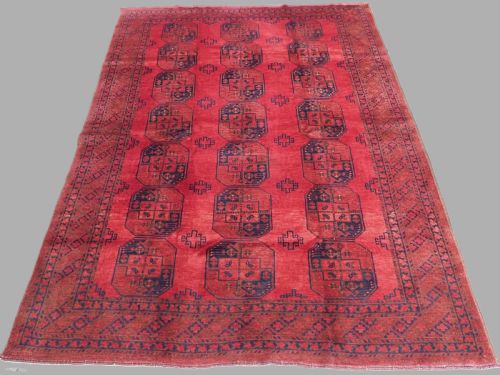
A traditional handwoven rug gathers enduring styles from Persian, Caucasian, Turkmen and regional village traditions spanning the nineteenth and early twentieth centuries. Buyers examine pieces ranging from room-sized carpets and long runners down to smaller scatter formats, saddle covers and tribal storage bags. The selection leans heavily into authentic village and tribal weaving, showcasing geometric medallions, floral motifs and distinct repeating symbols.
Most examples originate from specific weaving centres and nomadic groups such as Heriz, Bidjar, Baluch, Afshar and Karabagh. These floor coverings bridge practical domestic use and historical textile art, carrying the distinct visual language of their makers. Collectors encounter formats suited to narrow hallways, open living spaces and compact rooms alike.
Materials and Construction
Makers constructed these textiles predominantly using wool, pure wool and hand-spun wool knotted or woven onto sturdy cotton foundations. The natural fibre choice provides resilience underfoot while taking dye with rich depth. Artisans also integrated natural dyes to achieve enduring palettes of rust, olive green, warm red and deep indigo.
Certain regional variations incorporate specialised elements like glass beads or function as flatwoven kilims and tapestries rather than pile carpets. The combination of hand-spun wool and traditional dyestuffs yields a tactile surface that ages with character.
Nomadic weavers occasionally embedded tiny glass beads directly into their bags to ward off the evil eye.
Quality and Execution
Quality rests in the precision of the knotting, the crispness of the geometric or floral drawing, and the integrity of the wool foundation. Finer weaves maintain structural regularity across the field, allowing intricate medallions and border guards to read with sharp clarity.
The choice of dyestuffs further separates standard weaving from superior examples, as natural dyes develop a nuanced patina over decades of light and wear. The consistency of the hand-spun wool and the balance of the overall composition dictate the visual strength of each piece.
Heriz weavers·Baluch tribes·Bidjar workshops·Yomut Turkmen·Qashqai weavers
The Traditional Handwoven Rug Glossary
- Kilim
- A flatwoven carpet or rug produced without a pile, common across Caucasian and Persian weaving traditions. These pieces rely on interlocking weft techniques to create sharp geometric patterns.
- Runner
- A long, narrow carpet format designed primarily for hallways, corridors or alongside furniture. They frequently display repeating medallions or continuous floral vine scrolls.
- Prayer rug
- A small format textile featuring a distinct mihrab or arch design, traditionally oriented toward Mecca during daily prayers. These portable rugs often display dense symbolic borders.
- Medallion
- A central ornamental motif dominating the field of a carpet, varying from curvilinear floral shapes to bold angular polygons depending on the originating tribe or village.
Traditional Handwoven Rug: Frequently Asked Questions
How do I clean a wool rug?
Regular gentle vacuuming without a beater bar removes loose grit before it settles into the wool foundation.
Professional specialist washing remains essential for deep cleaning to protect natural dyes and hand-spun fibres.
Where should I place a runner?
Narrow hallway spaces, corridors and kitchen galleries benefit most from long runner formats.
They add warmth and protect high-traffic wooden flooring while defining transitional zones in a home.
How do I tell tribal from village rugs?
Tribal rugs typically display asymmetrical, highly geometric memory patterns created by nomadic weavers.
Village rugs often follow more established loom traditions with structured borders and balanced central medallions.
Can I use these rugs in modern rooms?
Historic wool floor coverings introduce organic texture and rich colour palettes that anchor contemporary minimalist interiors.
Their varied geometric and floral designs bridge different design eras with ease.